
供销超市

Search documents
一线调研丨把便民超市搬进地铁 通勤路上有了能量补给站
Yang Shi Xin Wen Ke Hu Duan· 2026-01-09 14:00
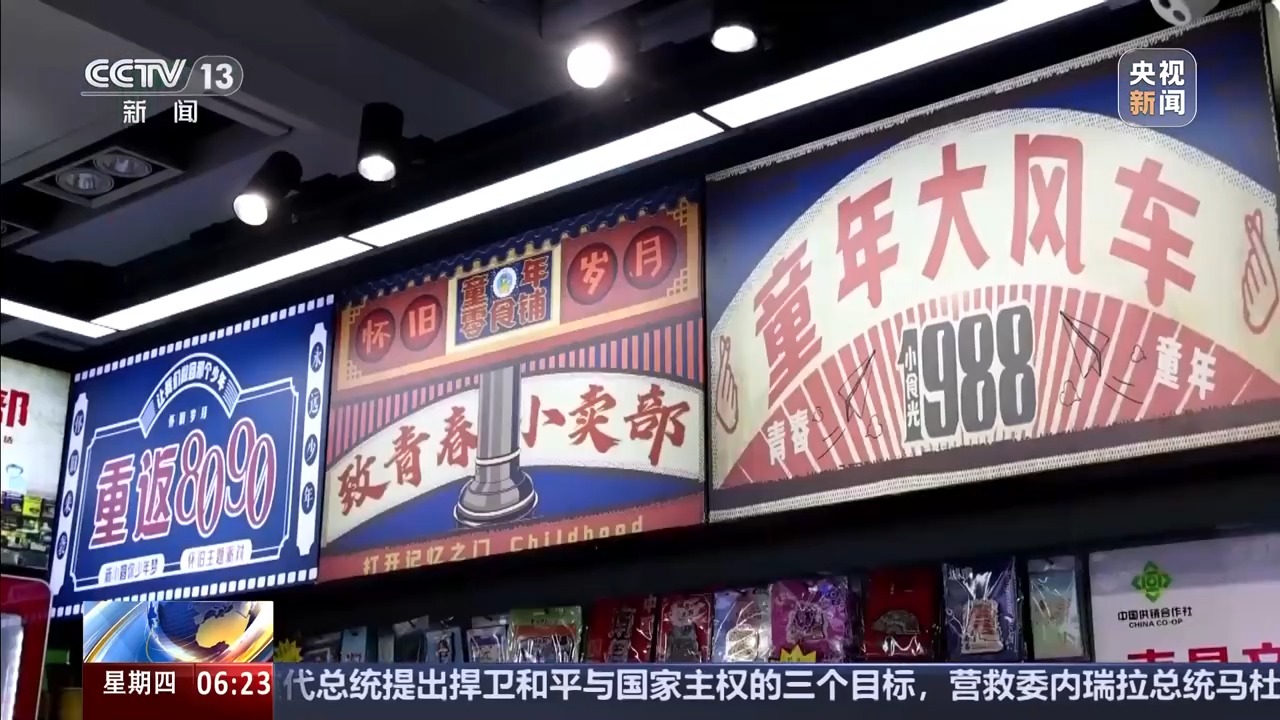
Group 1 - The core idea is the integration of convenience stores into subway systems, enhancing public transport with cultural and consumer services in Nanchang, Jiangxi [1] - Nanchang's supply and marketing cooperative has innovatively implemented a "subway + economy" model, leveraging passenger flow advantages to create supply stores within subway stations [1] - The supply convenience store at Bayi Square station features cultural elements, enhancing the nostalgic atmosphere with vintage supply store posters [1] Group 2 - Various regions are developing commercial spaces through innovative approaches, integrating transportation, supply, and cultural tourism to create "commercial + cultural tourism + emergency" scenarios [3] - A number of commercial facilities are being upgraded to serve dual purposes for daily use and emergency situations [3] Group 3 - The supply and marketing cooperative system has established over 3,400 urban and rural markets nationwide, transitioning from traditional outlets to a smart distribution network [5] - This network serves as a two-way channel connecting urban and rural areas, better meeting the new consumption demands of residents [5]

一线调研 | 传统供销社“挖潜”消费新空间 服务向“新”引导消费新潮流
Yang Shi Wang· 2026-01-08 12:51
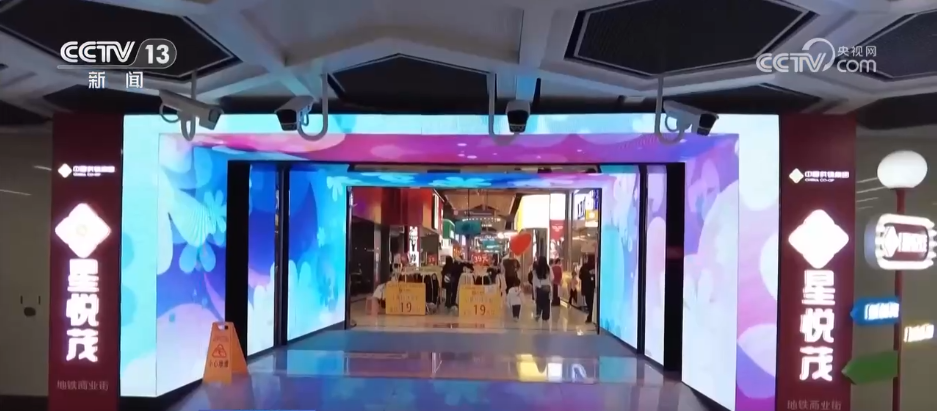
Core Insights - The article highlights the emergence of new consumer spaces in underground areas of cities, particularly in the western regions of China, where supply and marketing cooperatives are actively developing new commercial complexes and markets [1][8]. Group 1: Underground Commercial Development - In Guiyang, a 600-meter-long underground commercial street has been created, featuring over 160 brands, attracting a diverse customer base, especially young people [1][6]. - The unique topography of Guiyang has led to the development of "lightweight" products that cater to high-frequency consumer needs [3][6]. - The underground commercial space has added nearly 30,000 square meters of commercial area and created over 4,000 jobs in the Yunyan District of Guiyang [8]. Group 2: Integration of Transportation and Commerce - In Nanchang, the integration of supply and marketing cooperatives with metro services has resulted in the establishment of convenience stores within metro stations, enhancing the shopping experience for commuters [9][12]. - The tourism market in Guizhou is expected to grow steadily, with a reported 25% year-on-year increase in total tourism revenue in Guiyang's Yunyan District [10]. Group 3: Future Plans and Innovations - The China Supply and Marketing Cooperative plans to add 500,000 square meters of underground commercial space during the 14th Five-Year Plan, aiming to connect urban and rural areas and enhance consumer access [14][16]. - The cooperative system has established over 3,400 urban and rural markets nationwide, transitioning from traditional outlets to a smart distribution network to better meet new consumer demands [16].
一线调研 | 传统供销社“挖潜”消费新空间 服务向“新”引导新潮流
Yang Shi Wang· 2026-01-08 06:45
Core Insights - The article highlights the emerging trend of utilizing underground spaces for commercial purposes in various cities, particularly in western China, where new supply and marketing cooperatives are developing innovative commercial complexes and markets [1][4][6] Group 1: Underground Commercial Development - In Guiyang, a 600-meter-long underground commercial street has been created, featuring over 160 brands, attracting significant foot traffic and providing a one-stop shopping experience for consumers [4][12] - The unique topography of Guiyang has led to the development of "lightweight" product offerings, which cater to high-frequency consumer demands [6][9] - The local government has reported that two commercial streets have added nearly 30,000 square meters of commercial space and created over 4,000 jobs, while also upgrading essential infrastructure [11] Group 2: Tourism and Economic Growth - The tourism market in Guizhou is expected to grow steadily, with a projected 25% year-on-year increase in total tourism revenue in the Guiyang area [12] - In Nanchang, the integration of convenience stores into subway stations has enhanced consumer access, with sales reaching approximately 3.5 million yuan in the first three quarters of 2025 [15] Group 3: Strategic Initiatives and Future Plans - The China Supply and Marketing Cooperative plans to add 500,000 square meters of underground commercial space during the 14th Five-Year Plan, aiming to connect urban and rural markets and enhance consumer access to affordable goods [17][19] - The cooperative system has established over 3,400 urban and rural markets nationwide, transitioning from traditional outlets to a smart distribution network to better meet the new consumption demands of urban and rural residents [19]
小县城如何撬动大市场(新视窗·新供给引领新消费新需求)
Ren Min Wang· 2025-08-20 22:49
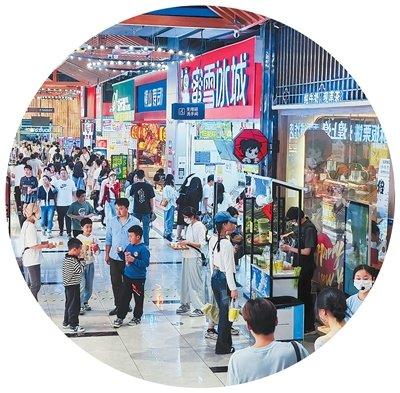
Core Viewpoint - The article highlights the significant growth and transformation of the county-level consumption market in China, driven by innovative commercial models, improved infrastructure, and supportive government policies, which are collectively enhancing consumer experiences and expanding market potential [20][21]. Group 1: County-Level Consumption Growth - In the first half of the year, China's rural retail sales reached 32,409 billion yuan, growing by 4.9%, with county and township markets accounting for 38.9% of total social retail sales [4][21]. - The "Special Action Plan to Boost Consumption" emphasizes supporting new consumption models and enhancing county-level commercial infrastructure [4][21]. - The county-level market is seen as a new growth point for consumption, with ongoing construction and renovation of commercial centers across various levels [8][21]. Group 2: Innovative Commercial Models - The "Star Joy" commercial complex in Guizhou has successfully integrated modern commercial operations with local characteristics, attracting significant foot traffic and enhancing consumer experiences [5][7]. - The introduction of new retail formats, such as instant retail and digital consumption, is reshaping consumer habits and preferences in rural areas [16][17]. - The establishment of smart logistics centers is improving the efficiency of supply chains and reducing costs for rural consumers, facilitating better access to goods [10][12]. Group 3: Infrastructure Development - Various regions are implementing measures to optimize existing urban spaces and enhance county-level commercial networks, including the construction of comprehensive service centers [8][19]. - The integration of logistics and e-commerce services is addressing the "last mile" delivery challenges in rural areas, significantly improving service accessibility [11][23]. - The development of smart logistics systems is enabling faster and more reliable delivery services, enhancing the overall consumer experience in rural markets [11][12]. Group 4: Consumer Behavior and Trends - Rural residents' per capita consumption expenditure has increased from 8,383 yuan in 2014 to 19,280 yuan in 2024, reflecting a compound annual growth rate of 8.7% [21]. - The shift in consumer preferences from basic needs to quality and brand-oriented products is evident, with a growing demand for diverse and high-quality offerings [21][22]. - The rise of new tourism destinations and cultural consumption in counties is expanding the market and attracting more visitors [18][19].
小县城如何撬动大市场——县域消费新趋势观察(新视窗·新供给引领新消费新需求)
Ren Min Ri Bao· 2025-08-20 22:23
Core Insights - The county-level market in China is experiencing significant growth, with rural consumption retail sales reaching 32,409 billion yuan in the first half of the year, marking a 4.9% increase, and accounting for 38.9% of total social retail sales [1] - The "Consumption Promotion Special Action Plan" emphasizes the support for new consumption development and the implementation of county commercial construction actions [1] Group 1: County Consumption Market Dynamics - The county consumption market is showing new trends, with various local initiatives aimed at stimulating consumption [1] - The "平急两用" commercial complex in Guizhou has attracted many consumers through immersive shopping experiences, indicating a shift towards more engaging retail environments [2][3] - The integration of local agricultural products into urban markets through direct supply channels is enhancing the freshness and quality of goods available to consumers [2] Group 2: Infrastructure and Logistics Development - Recent measures have been introduced to encourage the development of underground commercial spaces and logistics systems to improve urban space utilization [3][4] - The establishment of the China Supply and Marketing Cooperative's collection and distribution center in Pingjiang County has significantly improved logistics efficiency, reducing delivery times and costs for rural residents [8][9] - The "客货邮" model has been implemented to streamline logistics services, connecting 23 townships and covering nearly 100% of villages, thus enhancing rural logistics capabilities [9] Group 3: New Consumption Patterns and Trends - The rise of instant retail and digital platforms is reshaping consumer habits in rural areas, with a projected 50% increase in instant retail orders in 2024 [12] - New chain brands are rapidly expanding into county markets, with over 40% of锅圈食汇's stores located in these areas, reflecting a growing demand for quality products [13] - The tourism sector in counties is also expanding, with significant increases in hotel bookings in regions like Xinjiang and Qinghai, indicating a rise in rural tourism consumption [14] Group 4: Policy and Future Outlook - The central government's focus on enhancing county commercial systems and supporting chain operations is expected to drive further growth in rural consumption [15] - The ongoing improvements in infrastructure and logistics, combined with innovative business models, are set to unleash greater potential in the county consumption market [16][19] - The increasing disposable income of rural residents, which has grown from 8,383 yuan in 2014 to 19,280 yuan in 2024, is contributing to a shift in consumption patterns towards higher quality and diversified products [17]