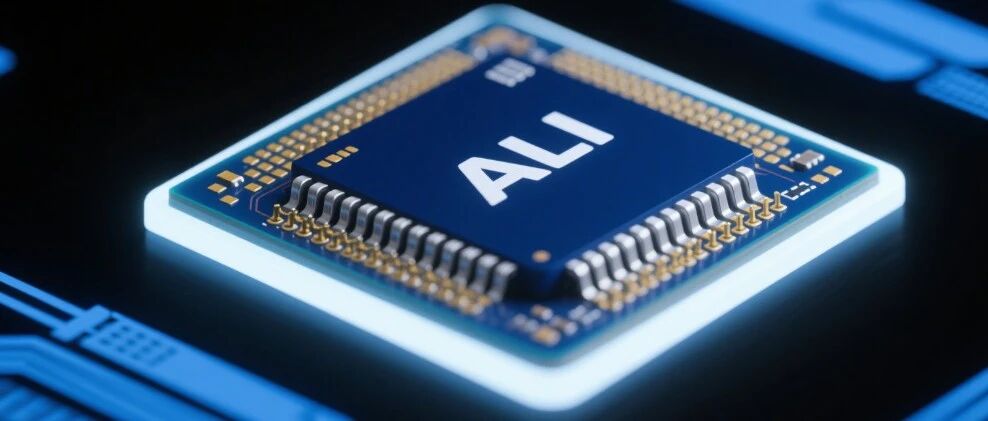
倚天系列通用服务器CPU

Search documents
BAT造芯“暗战”升级,腾讯“嫡系”燧原科技抢滩科创板
Huan Qiu Lao Hu Cai Jing· 2026-01-23 11:18
Core Viewpoint - Suiruan Technology has taken a significant step in the capital market by officially obtaining acceptance for its IPO on January 23, aiming to raise 6 billion yuan for the development and industrialization of AI chip products and related projects [1][2]. Group 1: Company Overview - Suiruan Technology, founded in 2018, is valued at approximately 18 billion yuan as of August 2025 and focuses on non-GPGPU architecture AI chips, distinguishing itself from competitors like Moer Thread and Biran Technology, while sharing similarities with Cambricon [2][3]. - The company has developed four generations of cloud AI chips and has a complete product system including AI chips, AI acceleration cards, and software platforms, positioning itself as a leading player in China's cloud AI chip market [3]. Group 2: Financial Performance - Suiruan Technology's revenue from 2022 to the first three quarters of 2025 was 90.1 million yuan, 301 million yuan, 722 million yuan, and 540 million yuan, with net profits of -1.116 billion yuan, -1.665 billion yuan, -1.51 billion yuan, and -888 million yuan respectively [3]. - The company anticipates reaching its breakeven point by 2026, with R&D expenditures as a percentage of revenue being exceptionally high, peaking at 1096.12% in 2022 [3]. Group 3: Shareholder Structure - The actual controllers of Suiruan Technology, Zhao Lidong and Zhang Yalin, collectively hold 28.1357% of the company's shares, with significant experience in major tech firms [4][5]. - Tencent holds a 20.26% stake in Suiruan Technology, making it the largest external shareholder, and has been a key investor since the company's early funding rounds [6][7]. Group 4: Market Context - The AI chip market is becoming increasingly competitive, with major players like Alibaba and Baidu also preparing for IPOs of their respective chip subsidiaries, indicating a potential "silent war" among these tech giants [1][11]. - The recent IPOs of GPU companies like Moer Thread and Biran Technology have set high market valuations, prompting other tech giants to capitalize on their AI chip assets [9][12].
泡泡玛特发售星星人情人节限定款,香港大盘30ETF(520560)盘中拉升1%,机构:看好港股酝酿春季攻势!
Xin Lang Cai Jing· 2026-01-23 05:49
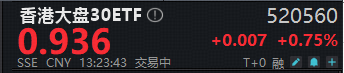
Group 1: Market Performance - The Hong Kong market's 30 ETF (520560) saw an intraday price increase of over 1.1%, currently up by 0.75% [1][7] - Major constituents include Pop Mart leading with over 7% increase, followed by Alibaba, Xiaomi, and Lenovo with gains exceeding 2% [1][7] Group 2: Technology Sector - Alibaba is preparing to advance its AI chip subsidiary, Pingtouge, towards an independent listing, having launched several AI chip series [2][8] - The self-developed CPU chip, Yitian 710, and AI inference chip, Hanguang 800, have been deployed on Alibaba Cloud at scale [2][8] - The entry of Alibaba and Baidu aligns with the current trend of IPOs in the AI chip sector [2][8] Group 3: Consumer Sector - The Chinese government has optimized the implementation of personal consumption loan interest subsidy policies, which is expected to lower consumer credit costs and stimulate large purchases [2][8] - Pop Mart released a limited edition Valentine's Day blind box series, indicating ongoing recovery trends in the consumer sector driven by policy stimulus and market competition [2][8] Group 4: Future Outlook - CITIC Securities anticipates that the Hong Kong market will benefit from the domestic "14th Five-Year Plan" and external economic policies of fiscal and monetary easing [3][9] - The market is expected to experience a second round of valuation recovery and performance resurgence by 2026, supported by a complete domestic AI industry chain and the influx of quality A-share companies listing in Hong Kong [3][9][10] Group 5: ETF Strategy - The Hong Kong 30 ETF (520560) employs a "technology + dividend" strategy, combining high-growth tech stocks like Alibaba and Tencent with stable dividend-paying stocks such as China Construction Bank and Ping An [3][10] - This ETF supports T+0 intraday trading, making it an ideal long-term investment tool for the Hong Kong market [3][10]


阿里旗下芯片企业,或独立上市
Xin Lang Cai Jing· 2026-01-23 00:31
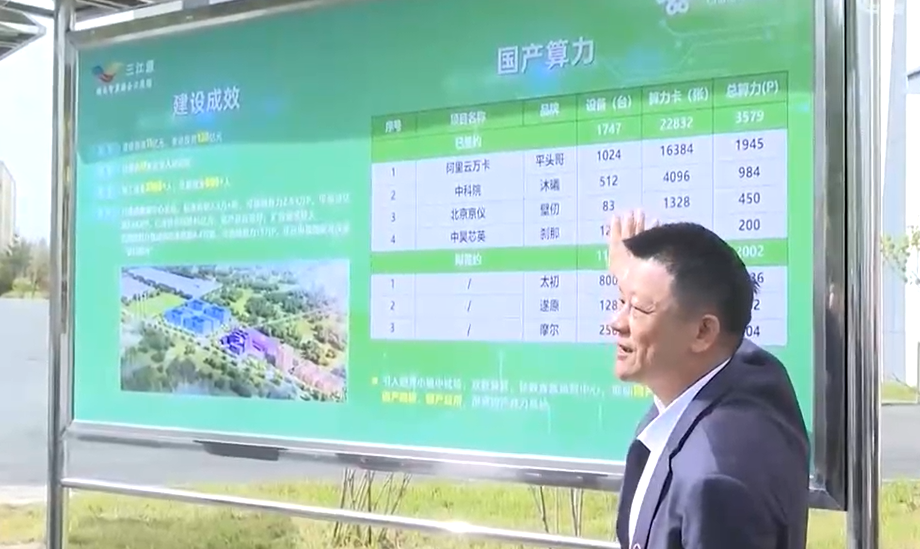
Core Viewpoint - Alibaba Group is preparing to advance the independent listing of its AI chip subsidiary, Pingtouge, with plans for internal restructuring and potential IPO exploration [1][3][4]. Company Overview - Pingtouge, established in 2018, focuses on AI chips and RISC-V ecosystem technology, formed from the integration of acquired companies and internal teams [5]. - The company has launched several AI chip series, including the "Hanguang" series and the "Yitian" series of general-purpose server CPUs, with significant deployment on Alibaba Cloud [2][5]. Market Context - The move aligns with a current trend of IPOs in the AI chip sector, with other companies like Baidu also pursuing similar strategies for their chip divisions [2][6]. - Recent reports highlighted the signing of projects involving 1,747 devices and 22,832 computing cards, with a total computing power of 3,579P, including significant contributions from Alibaba Cloud [5]. Product Development - Pingtouge's latest AI chip, PPU, is primarily aimed at inference scenarios, although it has recently been introduced and has limited external application news [2][5]. - Industry insiders have noted the performance of Pingtouge's chips as satisfactory, with a significant portion being utilized internally by Alibaba [2][5].

百度之后又一巨头!阿里据称计划平头哥独立上市,股价盘中大涨超7%
Hua Er Jie Jian Wen· 2026-01-22 17:45
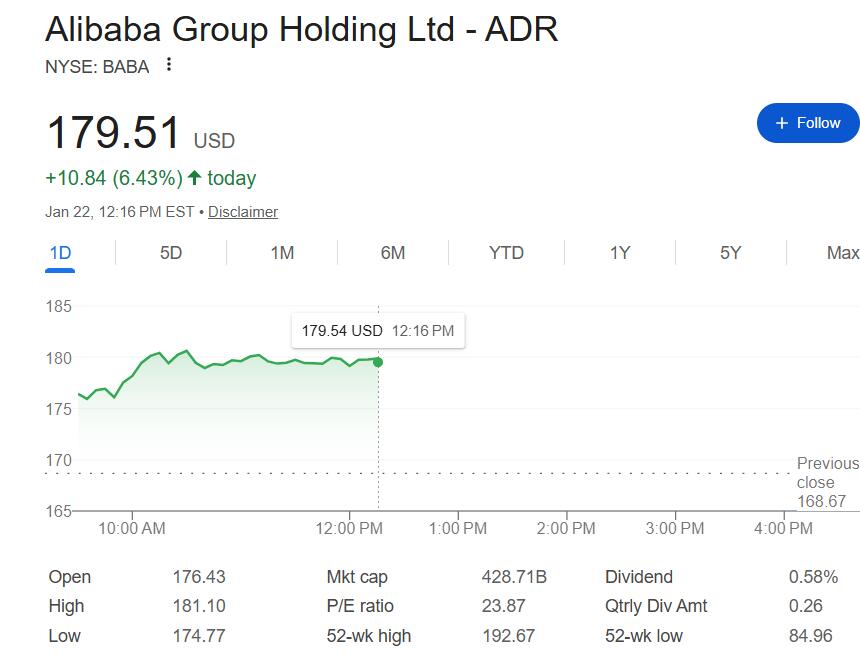
Core Viewpoint - Alibaba Group is preparing to advance the independent listing of its AI chip subsidiary, Pingtouge, which has been described as a "hidden weapon" for the company, amidst a wave of IPOs in the AI chip market [1][4][6]. Group 1: Alibaba's IPO Plans - Alibaba's stock rose by 4.6% following the news of Pingtouge's potential IPO, reaching a high of $181.1, marking a significant increase in market capitalization by nearly $29.7 billion (approximately ¥207 billion) [1]. - The IPO plan is still in the early stages, with internal restructuring of Pingtouge's chip business to create an employee-owned entity before exploring the IPO [5]. - The specific timeline for the IPO remains uncertain, and the potential valuation of Pingtouge is not yet clear [5]. Group 2: Market Context and Competitors - The potential IPO aligns with a trend of increasing interest in AI chip companies, as seen with Baidu's Kunlun chip, which aims to raise up to $2 billion in its IPO [4][11]. - Other competitors in the AI chip space, such as Moore Threads and domestic GPU companies, have also attracted strong investor interest, indicating a robust market for Chinese chip manufacturers [4][12]. Group 3: Pingtouge's Technology and Market Position - Pingtouge, established in September 2018, focuses on AI chips and RISC-V technology, and has been recognized for its significant advancements in chip performance [7]. - The latest Pingtouge AI chip, PPU, has been reported to outperform Nvidia's A800 and is comparable to the H20, showcasing its competitive edge in the market [7][8]. - Pingtouge has launched several AI chip series and has achieved significant deployment in Alibaba Cloud, indicating a strong market presence [8]. Group 4: Strategic Importance of AI Chips - The potential listing of Pingtouge is a crucial part of Alibaba's broader AI strategy, which aims to compete with leading AI companies like OpenAI [9]. - Alibaba's commitment to investing at least ¥380 billion (over $53 billion) in cloud computing and AI infrastructure over the next three years underscores its strategic focus on AI chip development [10]. - The listing of Pingtouge is seen as the final piece in Alibaba's comprehensive AI stack, which includes chip design, cloud computing, and AI applications [9].
京东正招募端侧AI芯片人才 存算一体技术引关注
Xin Lang Cai Jing· 2025-12-12 06:45
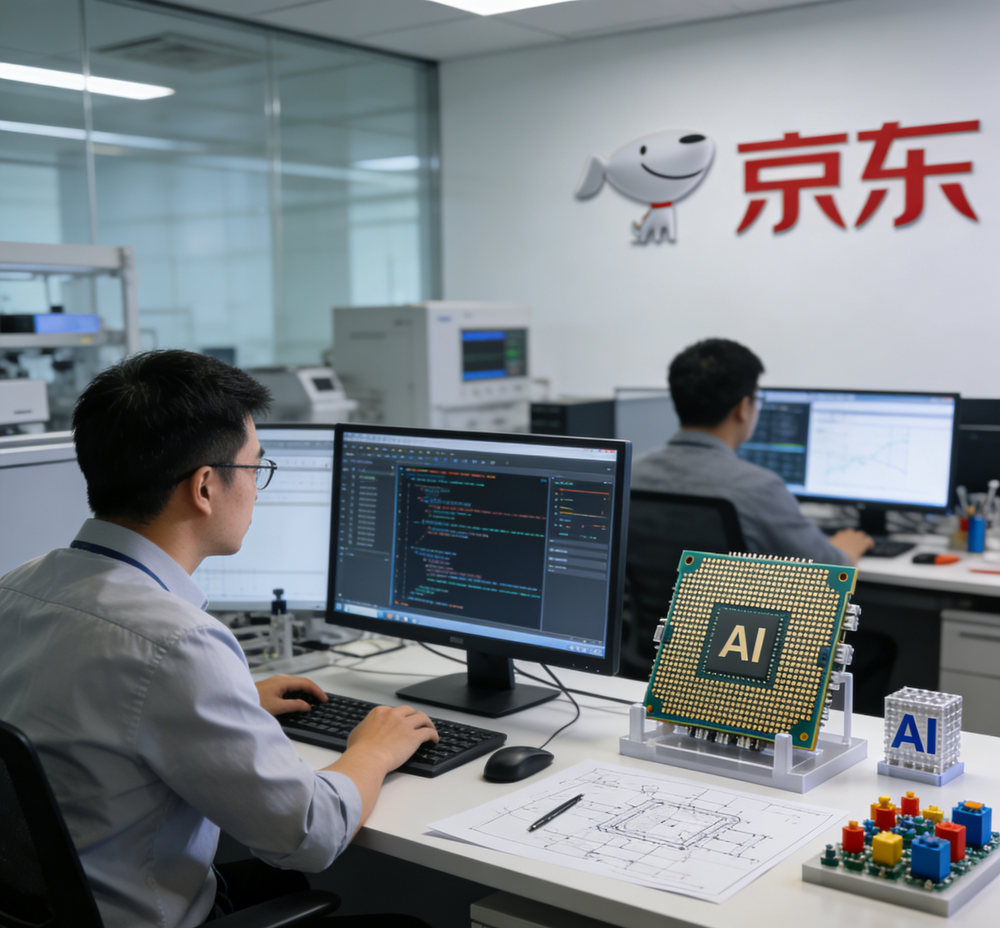
Core Insights - JD.com is actively recruiting talent in the field of edge AI chips, focusing on integrated storage and computing chips for applications in robotics, smart home appliances, and voice-activated devices [1][10] Group 1: Recruitment and Compensation - JD.com is offering competitive salaries for positions related to integrated storage and computing chip design, ranging from 25,000 to 100,000 CNY per month depending on experience [3] - The recruitment aims to support the development of AI computing power products for consumer and household applications [11] Group 2: Technology and Market Trends - Integrated storage and computing technology is becoming a hot topic in the semiconductor industry, with major players like Samsung, SK Hynix, TSMC, Intel, Micron, and IBM making significant advancements [10] - The demand for local computing power and energy efficiency in smart devices is increasing due to the explosive growth of edge AI technology, highlighting the limitations of traditional von Neumann architecture [10] Group 3: JD.com's Strategic Initiatives - JD.com has been actively expanding its presence in edge AI, launching AI-powered toys and establishing a dedicated embodied intelligence business unit focused on home scenarios [12] - The company has also registered the trademark "Joyrobotaxi," indicating its entry into the autonomous taxi market, alongside its logistics initiatives involving unmanned vehicles and drones [12] Group 4: Competitive Landscape - Other major tech companies like Alibaba, Baidu, ByteDance, and Tencent have already ventured into the chip sector, with Alibaba's Tsinghua Unigroup and Baidu's Kunlun chip making significant strides in AI chip deployment [13]

阿里市值重回3万亿港元!马云现身“HHB平头哥”酒吧
Xin Lang Cai Jing· 2025-09-17 12:41
Group 1 - Alibaba's stock rose by 5.28% to HKD 161.6, reaching a nearly four-year high, with a market capitalization returning to HKD 3 trillion [1] - The report highlighted the achievements of China Unicom's green electricity intelligent computing center project, which included the latest AI chip PPU developed by Alibaba's subsidiary, Pingtouge [1][3] - A total of 1,747 devices and 22,832 computing cards have been signed for projects, with a total computing power of 3,579P, including significant contributions from Alibaba Cloud [3] Group 2 - Pingtouge has launched several AI chips, including the "Hanguang" series and the "Yitian" series of general-purpose server CPUs, with large-scale deployment on Alibaba Cloud [3] - Alibaba's CEO mentioned that AI development spending may fluctuate quarterly based on supply chain conditions, but the company has a backup plan to diversify its supply chain [3][4] - The company plans to invest CNY 380 billion in cloud and AI hardware infrastructure over the next three years, exceeding the total investment of the past decade [9]
阿里巴巴美股大涨8%创近4年新高,港股涨超5%
Sou Hu Cai Jing· 2025-09-12 05:15
Group 1 - Alibaba's stock surged 8% on September 11, reaching its highest level since the end of 2021, which also boosted the Nasdaq Golden Dragon China Index by 2.89% [1] - On September 12, Alibaba's shares opened 5.86% higher in Hong Kong, closing at HKD 151.8, with a total market capitalization of HKD 289.52 billion [1] - Reports indicate that Alibaba's self-developed AI chips are currently in testing, with the company actively pursuing chip development since establishing "Pingtouge Semiconductor Co., Ltd." in 2018 [1][3] Group 2 - On September 10, Alibaba's Gaode Map launched the "Gaode Street Ranking," targeting Meituan's Dianping, leveraging user navigation and credit data to enhance authenticity [3] - Alibaba's Q1 FY2026 financial report showed revenue of CNY 247.65 billion, a 10% year-over-year increase, with net profit rising 76% to CNY 42.38 billion, exceeding market expectations [3] - Alibaba Cloud's revenue reached CNY 33.40 billion, a 26% year-over-year increase, marking a three-year high, with AI-related product revenue growing for eight consecutive quarters [4] Group 3 - The e-commerce segment demonstrated steady growth, with revenue from Alibaba's China e-commerce group at CNY 140.07 billion, a 10% increase year-over-year [4] - Instant retail revenue contributed CNY 14.78 billion, while the monthly active consumers on Taobao App grew by 25% year-over-year in the first three weeks of August [4]
事关AI芯片,阿里发声
财联社· 2025-09-02 00:34
Core Viewpoint - Alibaba Cloud is facing a potential computing power shortage for its Tongyi Qianwen large model, prompting the company to reportedly increase its order of Cambricon's Siyuan 370 chips to 150,000 units, although this claim has been denied by Alibaba Cloud representatives [2][3]. Group 1: AI Chip Market Dynamics - Major players in the domestic AI chip market include Cambricon, Huawei, Haiguang Information, Birun, Muxi, Suyuan, and Moore Threads [4]. - According to IDC, the market scale for accelerated chips in China is expected to exceed 2.7 million units by 2024, with GPU cards holding a 70% market share [4]. - Domestic AI chip brands have shipped over 820,000 units, with Huawei's Ascend series capturing a significant portion of the market [4]. Group 2: Alibaba's Chip Development Strategy - Alibaba is actively developing its own chips through its independent semiconductor company, Pingtouge, established in 2018 [6]. - Pingtouge has launched several chip series, including the "Xuantie" RISC-V processors and "Hanguang" AI chips, with some chips already deployed at scale on Alibaba Cloud [6]. - Reports suggest that Alibaba's new AI chip, which is compatible with Nvidia, is currently in testing and will be manufactured by a domestic company instead of TSMC [6][7]. Group 3: Competitive Landscape in AI Chips - Other internet companies like Baidu, ByteDance, and Tencent are also exploring chip development [8]. - Baidu's Kunlun chip supernode has been fully operational since August, supporting extensive AI model training [8]. - Tencent has introduced several self-developed chips, including AI inference and video transcoding chips, and has collaborated with AMD on GPU cards [8]. Group 4: Strategic Importance of Chip Supply Chains - Establishing a self-sufficient supply chain that includes domestic chips is crucial for the future development of the AI ecosystem [8]. - Alibaba's "One Cloud, Multiple Chips" strategy aims to ensure compatibility with various chip architectures, including X86, ARM, and RISC-V [8]. - Experts emphasize the need for domestic chips to enhance performance and build ecosystems to meet global computing power challenges [9].