农机贷

Search documents
中国农业银行黑龙江省分行为春耕备耕提供精准信贷支持
Xin Lang Cai Jing· 2026-03-21 05:12
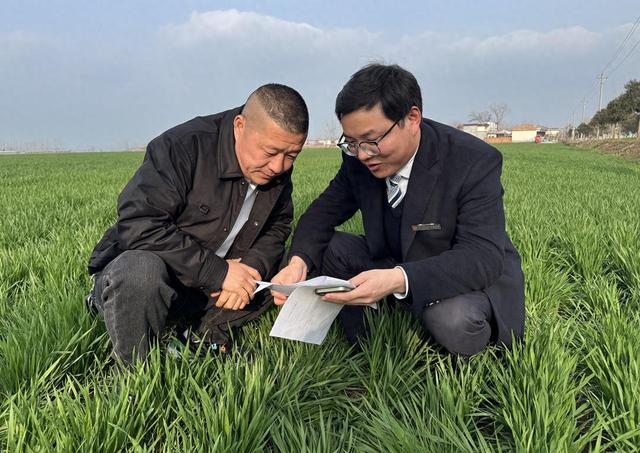
Group 1 - The core viewpoint of the articles highlights the proactive financial support provided by China Agricultural Bank to farmers and agricultural enterprises in Heilongjiang province, particularly during the spring farming season [1][2] - China Agricultural Bank's Jiansanjiang branch established a "Financial Assistance for Farmers" service team that quickly processed a 300,000 yuan online credit loan within one day to address farmers' funding shortages [1] - The bank prioritizes "three rural" credit resources, focusing on key areas such as farmland, seeds, and agricultural machinery, and offers various financial products like "Agricultural Machinery Loan" to support the development of new agricultural productivity [1] Group 2 - Hongfa Seed Industry Co., Ltd. specializes in breeding high-quality seeds for rice and soybeans, facing significant seasonal funding needs each year [2] - Since 2023, China Agricultural Bank's Jiamusi branch has been providing a targeted annual loan of 5 million yuan to ensure the procurement and research of seeds, effectively addressing the company's financing challenges [2] - The bank's ability to anticipate and meet the concentrated funding needs during seed procurement periods has been crucial for the operations of agricultural enterprises [2]

中国银行河南省分行:“贷”动春耕绘“丰”景
Huan Qiu Wang· 2026-03-19 03:03
Core Viewpoint - The article highlights the proactive financial support provided by China Bank's Henan branch to enhance agricultural productivity during the spring farming season, emphasizing the importance of timely financial assistance for farmers in ensuring food security in China [1][3]. Group 1: Financial Support Initiatives - China Bank's Henan branch has established "Spring Farming Financial Service Teams" to address the urgent funding needs of farmers, providing services directly in rural areas and facilitating access to financial products like "Agricultural Material Loans" and "Agricultural Machinery Loans" [3][5]. - As of now, nearly 20 billion yuan has been allocated to agricultural financing, ensuring that funds are available before the critical farming season [3][5]. Group 2: Impact on Farmers - A notable farmer, referred to as Old Zhao, successfully received a 500,000 yuan "Grain Planting Loan" within one day, allowing him to purchase fertilizers without delaying his farming activities [3]. - The financial assistance has been described as a "timely rain" for farmers, significantly boosting their confidence in achieving a good harvest this year [1][3]. Group 3: Support for Seed Industry - China Bank has introduced the "Seed Loan" to address the financing challenges faced by seed companies, facilitating funding throughout the breeding and promotion process [5]. - The collaboration between seed companies and China Bank is seen as crucial for advancing agricultural innovation and ensuring the availability of high-quality seeds for farmers [5].


金融活水赋能乡村振兴工商银行助力打造齐鲁样板
Qi Lu Wan Bao· 2026-03-13 12:47
Core Insights - The Industrial and Commercial Bank of China (ICBC) Yantai Branch is expanding its inclusive financial services, focusing on local agricultural development and increasing credit supply to support rural areas [1][2] Group 1: Financial Performance - As of the end of the year, the bank's agricultural loan balance exceeded 40 billion yuan, an increase of 5.1 billion yuan from the beginning of the year [1] - The balance of inclusive agricultural loans reached 5.256 billion yuan, up by 1.328 billion yuan from the start of the year [1] Group 2: Credit Support Initiatives - The bank is enhancing support for local infrastructure, food security, and agricultural production, with a specific focus on rural infrastructure financing [1] - The balance of the "Planting e-loan" reached 677 million yuan, indicating strong support for food security and agricultural production [1] Group 3: Innovative Financial Solutions - The bank is implementing a customer-centric approach by developing a product system that caters to small farmers, moderate-scale operators, and specialized customer groups [1] - Various financing solutions such as "Rich Farmer Quick Loan," "Agricultural Material Loan," "Purchase and Sale Loan," and "Agricultural Machinery Loan" are being promoted to meet diverse financing needs [1] Group 4: Service Channels Expansion - The bank is extending its services to rural areas through online platforms like mobile banking and online banking, as well as offline initiatives like mobile banking vehicles [2] - The bank actively participates in agricultural matchmaking activities and training sessions to help local agricultural industries expand their cooperation channels [2]

宁夏固原实现“村村有金融站点、家家有服务”
Xin Lang Cai Jing· 2026-02-27 14:18
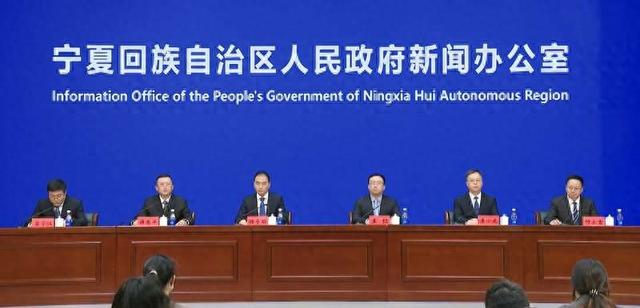
Core Viewpoint - The Ningxia Hui Autonomous Region is actively promoting inclusive financial reforms in Guyuan City, aiming to enhance financial services for agriculture, small and micro enterprises, and rural areas, with significant progress reported in loan balances and insurance coverage [3][4]. Group 1: Financial Infrastructure - Guyuan City has established 164 bank outlets, 67 insurance outlets, and 626 rural revitalization service stations, achieving a near-complete coverage of financial services in rural areas [1]. - The region has 101 county-level bank outlets and 46 insurance outlets, ensuring that every village has access to financial services [1]. Group 2: Loan and Insurance Products - As of the end of 2025, loans in key inclusive finance sectors in Guyuan accounted for 51.08% of total loans, surpassing the regional average by 31.9 percentage points [3]. - The Ningxia Financial Regulatory Bureau has introduced specialized loan products such as "cattle live collateral," "land management rights collateral," and various agricultural loans to support local industries [3]. Group 3: Economic Impact - The total balance of "five special, five new, and five superior" loans reached 27.042 billion yuan, reflecting a growth of 12.61% since the beginning of 2025 [4]. - The cattle breeding industry has evolved into a million-scale full industry chain, creating employment for 153,000 rural workers [4]. - Insurance institutions have provided 1.47 trillion yuan in insurance coverage for the local economy, with agricultural insurance accounting for 8.062 billion yuan, enhancing the resilience and sustainability of agricultural sectors [4].
19条产业链将累计获超6600亿元授信支持
Da Zhong Ri Bao· 2026-02-06 00:59
Group 1 - The "Financial Empowerment for High-Quality Development of Iconic Industrial Chains" initiative was launched in Jinan, focusing on 19 iconic industrial chains and selecting 14 banks as "financial chain leaders" to provide over 660 billion yuan in credit support [1] - By the end of 2025, the industrial loan balance in Shandong is projected to reach 3.19 trillion yuan, with a year-on-year growth of 11.4% [1] - The initiative aims to enhance financial resource integration into industrial development, particularly in key areas of the industrial chain, through various activities such as "one chain per month" and "integrating finance with chains" [1] Group 2 - Agricultural Bank of Shandong has launched the "Agricultural Machinery Loan" financial scheme for the specialized equipment industry chain, while China Everbright Bank has expanded financing targets to automotive parts to meet the financing needs of small and micro enterprises in the automotive industry chain [2] - The China Bank of Shandong plans to cover over 400 enterprises in the artificial intelligence industry chain through financial salons and project roadshows this year [2] - Financial institutions are introducing specialized financial products like computing power loans and low-carbon transformation loans, while also embedding resources deeper into industrial chain research, investment attraction, and chain extension [2] Group 3 - Shandong's industrial chain dominance is solidified, with 19 iconic industrial chains accounting for over 90% of the province's industrial enterprises and revenue [3] - By 2025, the province's industrial added value is expected to grow by 7.6%, surpassing the national growth rate by 1.7 percentage points [3] - The province's manufacturing loans increased by 187.5 billion yuan, with long-term loans exceeding 1 trillion yuan, reflecting a year-on-year growth of 10.6% [3]
金融激发农业科创新势能
Jing Ji Ri Bao· 2026-01-28 21:59
Core Viewpoint - The Chinese government is focusing on enhancing agricultural technology innovation and financial support for the agricultural sector to ensure food security and promote high-quality agricultural development by 2026 [1][2]. Group 1: Financial Support for Agricultural Innovation - Financial institutions are encouraged to provide targeted financial services to support agricultural technology innovation, with a goal of exceeding 64% contribution from agricultural technology progress by 2025 [1]. - The People's Bank of China and the Ministry of Agriculture and Rural Affairs have issued guidelines to enhance financial support for rural reforms and agricultural productivity [2]. - Financial products such as "Agricultural Machinery Loans" and "Agricultural Science Loans" are being developed to address specific needs in the agricultural sector [5]. Group 2: Policy and Structural Support - The government is implementing policies to create a supportive environment for financial institutions to lend to agricultural technology projects, including fiscal subsidies for equipment updates [3]. - Collaborative efforts between fiscal and financial sectors aim to achieve greater policy effectiveness, with initiatives like the "technology contract + plant variety rights" dual pledge loan model being introduced [6]. - The establishment of a comprehensive support system is crucial for linking financial services with agricultural innovation, ensuring that various stakeholders collaborate effectively [9]. Group 3: Digital Financial Services - The development of digital financial services is being prioritized to enhance efficiency and effectiveness in agricultural financing, with a focus on utilizing big data and cloud computing [8]. - Financial institutions are adopting innovative digital solutions to meet the specific and urgent funding needs of agricultural enterprises, exemplified by the "Yinong Quick Loan" [7]. - The improvement of financial data capabilities in the banking sector is seen as a strategic asset for driving innovation and expanding business boundaries [8]. Group 4: Long-term Investment and Ecosystem Building - There is a need for a long-term vision in creating a comprehensive ecosystem for agricultural technology innovation, moving beyond short-term financial support [10]. - The integration of supply chain finance and collaboration among government, financial institutions, enterprises, and research units is essential for fostering a sustainable agricultural ecosystem [9]. - Attracting social capital through government-guided funds and policy financial tools is crucial for building a diverse and healthy financial ecosystem in agricultural technology [10].
巨野农商银行:深耕客群营销 助推地方产业兴旺
Qi Lu Wan Bao· 2026-01-26 08:10
Core Viewpoint - The company, Juyi Rural Commercial Bank, integrates its development with the regional economy, focusing on deep customer marketing and precise financial services to empower the real economy and promote high-quality development through a symbiotic relationship between finance and industry [1] Group 1: Customer Service Strategy - The bank emphasizes "service down to the grassroots and deep customer cultivation" as its foundation, shifting from a broad approach to a targeted one through a "grid-based" marketing service system [2] - Customer managers conduct in-depth visits and surveys to understand the financing needs, production cycles, and operational characteristics of core customer groups, establishing dynamic credit profiles [2] - This approach not only narrows the gap between banks and enterprises but also extends financial services to the "capillaries" of economic and social development, laying a solid foundation for precise policy implementation [2] Group 2: Empowering Specialty Industries - The bank focuses on local agricultural resources and industry layout, supporting food security and specialty planting through innovative financial products like "planting loans" and "agricultural machinery loans" [3] - Specific financial solutions are provided for the garlic industry, covering the entire supply chain from planting to cold storage and sales, transforming small-scale garlic production into a significant industry [3] - The bank also supports emerging sectors such as rural tourism and ecological farming by customizing credit products to enhance economic advantages from ecological resources [3] Group 3: Product and Service Innovation - To meet the diverse and personalized financial needs of industry customers, the bank continuously innovates its products and services, developing flexible options like accounts receivable pledges [4] - The bank promotes an online credit platform to enhance financing convenience, allowing data to do the heavy lifting while minimizing customer effort [4] - Interest rate discounts are offered to key sectors such as agriculture and small enterprises, effectively lowering financing costs and benefiting both businesses and farmers [4]
央行2026年适度宽松货币政策对不同类型银行的影响与应对
Jin Rong Jie· 2026-01-08 13:01
Core Viewpoint - The People's Bank of China (PBOC) will implement a moderately accommodative monetary policy in 2026, focusing on promoting high-quality economic development and reasonable price recovery, while maintaining ample liquidity and relatively loose financing conditions [1][2]. Monetary Policy Predictions - The PBOC is expected to lower the reserve requirement ratio (RRR) 1-2 times in 2026, releasing long-term liquidity of 1-2 trillion yuan, and reduce interest rates by 10-25 basis points, with a higher probability of lowering the 5-year Loan Prime Rate (LPR) [2]. - The target for social financing costs is to maintain them at historically low levels, with the average interest rate for new corporate loans around 3% [2]. - Social financing and M2 growth rates are expected to align with economic growth (around 5%) and price level targets (around 2%), with an average asset growth rate of about 8% across industries [2]. Impacts on Different Types of Banks Large State-owned Commercial Banks - Expected to increase new loans by approximately 15 trillion yuan, with a focus on key sectors [3]. - Net interest margin is projected to be around 1.4%, as the decline in funding costs is expected to exceed the decline in asset yields [3]. - Anticipated growth in bond underwriting income and wealth management scale by over 10% due to strong comprehensive financial service capabilities [3]. - Non-performing loan (NPL) ratio is expected to drop below 1.2% [3]. Joint-stock Banks - Anticipated growth in technology and green finance loans by around 20% due to high marketization and product innovation capabilities [4]. - Net interest margin is expected to decline to below 1.5% [4]. - Digital transformation is expected to accelerate, with online credit approval rates reaching 80% [4]. - New customer acquisition is expected to increase significantly, with innovative products like "computing power loans" being introduced [4]. Urban Commercial Banks - Expected loan growth in local key industries and small businesses by around 20% [5]. - Net interest margin is projected to be between 1.4% and 1.5% [5]. - Anticipated growth in inclusive finance loans by around 15% [6]. - Digital service capabilities are expected to improve, with online channel coverage reaching 90% [6]. Rural Small Banks - Expected growth in agricultural and small business loans by around 15% [7]. - Anticipated reduction in funding costs, with the reserve requirement ratio dropping to around 4.5% [7]. - Policy support for inclusive finance is expected to increase by 30% [7]. - NPL ratio is projected to decrease to around 2.5% [7]. Challenges Faced by Different Types of Banks Large State-owned Banks - Facing pressure from narrowing net interest margins due to competitive pricing from large clients [8]. - Digital transformation efforts may be hindered by organizational complexity [8]. - High risk concentration in real estate and local government debts [8]. Joint-stock Banks - Expected further narrowing of net interest margins due to high funding costs [9]. - Capital replenishment pressure is significant, with an estimated need for 800 billion yuan [9]. - Risk control capabilities will be tested due to the high-risk nature of technology finance [9]. Urban Commercial Banks - Anticipated decline in net interest margins, with some nearing 1% [10]. - Increased liquidity risk due to high reliance on central bank funding [10]. - Digital transformation may lag behind due to insufficient investment [10]. Rural Small Banks - Weak risk control capabilities may lead to higher NPL ratios [11]. - Expected decline in net interest margins, with some nearing 1% [11]. - Digital transformation challenges due to small scale and lack of professional talent [11]. Differentiated Response Strategies - Large state-owned banks should focus on comprehensive financial services and enhance their role as policy transmission hubs [13]. - Joint-stock banks should strengthen their competitive advantages in technology and green finance [14]. - Urban commercial banks should deepen their local market presence and enhance digital services [15]. - Rural banks should focus on serving rural revitalization and enhance their financial service capabilities [16]. Summary and Outlook - The PBOC's accommodative monetary policy presents opportunities for total expansion, structural optimization, and profit enhancement for the banking sector, while also posing challenges such as narrowing net interest margins and risk management [17]. - Different types of banks should adopt differentiated strategies based on their strengths and characteristics to navigate the evolving landscape [18].
“粮袋子”更稳 “钱袋子”更鼓
Jin Rong Shi Bao· 2025-12-04 04:14
Core Insights - The article highlights the proactive role of Shuyang Rural Commercial Bank in supporting agricultural production during the harvest season by providing tailored financial products and services [1][2] - The bank has introduced innovative financing solutions to address long-standing issues of "financing difficulties and guarantee challenges" in the agricultural machinery sector [1] - Shuyang Rural Commercial Bank has issued a total of 1.811 billion yuan in loans to local grain planting, processing, and storage entities this year, reinforcing its commitment to stabilizing the grain supply and enhancing financial support for farmers [2] Group 1 - Shuyang Rural Commercial Bank is actively injecting financial resources into agricultural production during the critical harvest and planting period [1] - The bank has launched the "Agricultural Machinery Loan" product, which allows for flexible and convenient financing to support agricultural machinery needs [1] - The bank's staff is providing financial education and product promotion to local villagers, ensuring that financial services are accessible in rural areas [1] Group 2 - The bank's services cover the entire grain industry chain, from planting to processing, effectively addressing the financial needs of both farmers and merchants [2] - The cumulative grain loan balance issued by the bank has reached 1.811 billion yuan, demonstrating its impact on local agricultural stability [2] - The bank's commitment to the "three rural issues" reflects its dedication to enhancing the livelihoods of farmers and supporting the agricultural sector [2]
农企科技创新底气更足
Jing Ji Ri Bao· 2025-11-23 21:53
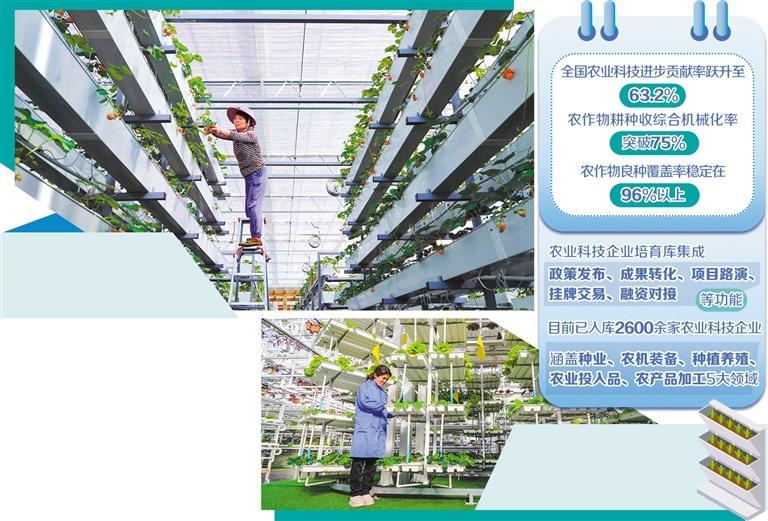
Core Insights - China's agricultural technology innovation has made significant progress, with the contribution rate of agricultural technology advancement reaching 63.2% and the comprehensive mechanization rate of crop farming exceeding 75% [2][3] - The Ministry of Agriculture and Rural Affairs emphasizes the need to cultivate leading agricultural technology enterprises and strengthen their role in innovation [2][5] Group 1: Agricultural Technology Innovation - The structural contradiction of "many papers and patents, but few industrial transformations" in agricultural technology innovation has been a long-standing issue [3] - The Ministry of Agriculture and Rural Affairs has initiated a program to support enterprises in taking a leading role in agricultural technology innovation, encouraging them to participate in decision-making and major projects [3][5] - A database of agricultural technology enterprises has been established, currently including over 2,600 companies across five major fields: seed industry, agricultural machinery, planting and breeding, agricultural inputs, and food processing [4] Group 2: Collaboration and Integration - A number of innovation alliances led by technology enterprises have been established to enhance the integration of production, education, and research [5] - Companies are collaborating with top universities and research institutes to address key challenges in agricultural technology, significantly improving production efficiency [5][6] - The participation of enterprises in major agricultural technology projects has reached 50% of total participants, indicating a strong collaborative effort [5] Group 3: Market-Driven Innovation - Companies like Boyuan Biotechnology are leveraging market insights to develop innovative solutions, significantly improving efficiency in genetic transformation and gene editing [6] - The agricultural machinery sector is experiencing a transformation towards high-end, intelligent, and green products, driven by companies like Zoomlion [7] - The innovation index of agricultural enterprises in China has shown steady growth over the past five years, reflecting increased investment in innovation [7] Group 4: Support Mechanisms - A comprehensive support system is being developed to enhance the innovation capabilities of agricultural enterprises, including financial support and talent cultivation [8][9] - Various banks are offering tailored financial products to address the funding challenges faced by agricultural technology companies [9] - Initiatives such as the "Agricultural Park Science and Technology Enterprise Loan" are being introduced to support the development of agricultural technology enterprises [9]