分布式光伏系统

Search documents
国泰海通|电新:欧洲天然气价格暴涨,光储将迎来需求爆发
国泰海通证券研究· 2026-03-04 14:52
Core Viewpoint - Qatar's cessation of natural gas production has led to a significant surge in natural gas prices, with European electricity prices also facing substantial increases. This situation is expected to drive a considerable rise in demand for distributed solar and storage solutions [1][2]. Group 1: Natural Gas Market Impact - Qatar has shut down its Ras Laffan LNG export facility following drone attacks, causing European natural gas prices to spike over 50%. This facility accounts for approximately 20% of global LNG supply, exacerbating supply concerns as tanker traffic through the Strait of Hormuz, which handles about 20% of global LNG transport, has nearly halted [1]. - The supply disruption is expected to have a significant impact on countries in Europe and Asia, as Qatar is a crucial LNG exporter, and finding quick alternatives may prove challenging in the short term [1]. Group 2: Electricity Market Dynamics - The European electricity market operates on a marginal pricing model, where the last generator called to meet demand sets the market clearing price. As natural gas prices rise, wholesale electricity prices in Europe are anticipated to increase correspondingly due to supply issues leading to resource competition [2]. - The surge in natural gas prices is likely to stimulate demand for distributed solar and storage solutions, as these systems can provide self-consumption capabilities and flexibility. Distributed solar systems can store solar energy during the day and discharge it at night, meeting user electricity needs effectively [2]. Group 3: Future Outlook - If the conflict persists, both natural gas and electricity prices in Europe may continue to rise, with residential solar and storage solutions poised to benefit first. The ongoing trends in this sector warrant close monitoring [2].


抢抓发展新机遇 助力建设美丽贵州
Xin Lang Cai Jing· 2025-12-28 22:36
Core Insights - The development of shallow geothermal energy in Guizhou Province is gaining momentum, with multiple pilot projects demonstrating significant energy savings and environmental benefits [6][7][9]. Group 1: Geothermal Energy Projects - Guizhou Province has initiated its first buried pipe geothermal heat pump project at the Guizhou Geological Science and Technology Park, which has been operating smoothly for nine years and saves about 50% energy compared to conventional systems [8]. - The Future Ark Renewable Energy Centralized Supply Project utilizes various energy forms, including water source heat pumps and gas tri-generation, effectively integrating energy management and serving over 20,000 users [8]. - The Guizhou Shallow Geothermal Energy Development Company has implemented over ten geothermal projects in the province, covering more than 1.2 million square meters [9]. Group 2: Policy and Industry Development - The "14th Five-Year Plan" has established a new development pattern for shallow geothermal energy in Guizhou, focusing on winter heating and summer cooling for both residential and commercial use [7]. - By the end of October 2025, the geothermal heating and cooling area in Guizhou is expected to reach 12 million square meters, with an annual resource capacity equivalent to 315 million tons of standard coal [7]. - The Guizhou Provincial Energy Bureau has set a goal for the geothermal industry to achieve high-quality development by 2030, supported by policies and collaboration with other provinces [13][14]. Group 3: Technological Advancements - The Guizhou Shallow Geothermal Energy Development Company has received recognition for its project on key technologies for geothermal exploration and development, which addresses challenges in drilling and cost [9]. - National policies are promoting the integration of geothermal energy into the energy structure, with a focus on research in geothermal resource evaluation and extraction technologies [11][12]. - The emphasis on "heat extraction without water" technology is expected to be a key research direction during the "14th Five-Year Plan" period [11]. Group 4: Environmental Impact - The first "zero-carbon" office building in Guizhou, developed by China Nuclear Huineng, utilizes a combination of renewable energy sources, achieving a 30% to 50% reduction in energy consumption compared to traditional systems [10]. - The building's design allows for self-sufficient energy production throughout its lifecycle, contributing to a significant reduction in carbon emissions [10]. Group 5: Future Opportunities - The geothermal energy industry in China is projected to reach a heating area of 2.1 billion square meters by 2025, indicating substantial growth potential [11]. - The Guizhou Geothermal Energy Industry Association aims to leverage new opportunities during the "14th Five-Year Plan" to enhance collaboration with advanced geothermal regions [14].
约80万吨碳排放全中和,本届全运会藏着哪些减碳密码?
Yang Guang Wang· 2025-11-09 09:03
Core Insights - The 15th National Games emphasizes the integration of green, low-carbon, and sustainable practices into every aspect of the event, aiming to reduce carbon emissions significantly [1][2] Group 1: Event Overview - The event is expected to achieve a carbon emission reduction to between 750,000 and 800,000 tons, with the Guangdong competition area achieving 100% green electricity coverage [1][4] - This edition of the National Games does not involve the construction of new large venues, with over 90% of the 75 competition venues in Guangdong being upgraded existing facilities [1] Group 2: Venue Upgrades - The Tianhe Sports Center is a key focus for upgrades, aiming to become the first near-zero carbon large sports venue in the country, with a carbon emission intensity of 10.73 kg per square meter per year and a carbon reduction rate of approximately 56% [2][3] - The venue incorporates energy-efficient materials, variable frequency air conditioning, and smart lighting systems to maximize carbon reduction [2] Group 3: Energy Management - The Tianhe Sports Center's energy management platform provides real-time monitoring of electricity, water usage, and carbon emissions, allowing for precise management and alerts for unusual energy consumption [3] - The venue's upgrades are expected to save approximately 1.09 million kWh of electricity annually, equivalent to a reduction of about 811 tons of CO2 emissions [3] Group 4: Green Energy Procurement - The total electricity consumption for the event is estimated at 188 million kWh, leading to a reduction of 160,000 tons of CO2 emissions, equivalent to planting 8.88 million trees [4][5] - The Guangdong Electric Power Company has procured 188,000 green electricity certificates to ensure the authenticity and traceability of the green energy supplied for the event [5]
“深圳方案”领跑多领域绿色低碳实践
Zhong Guo Jing Ji Wang· 2025-10-28 07:56
Core Viewpoint - The Shenzhen National Low Carbon City Forum serves as a significant international platform for implementing China's "dual carbon" actions and promoting green development, having successfully hosted twelve sessions since its inception in 2013, attracting participants from over 60 countries and regions [1] Group 1: Green Technology Implementation - The forum has facilitated the establishment of 26 green low-carbon scenario demonstration bases across various sectors, including energy, construction, industry, transportation, finance, and education since 2022, providing a "Shenzhen solution" for global sustainable development [1] - Notable projects include the Future Building, which features a photovoltaic panel and vertical forest design, achieving efficient energy conversion, and the Antoshans Headquarters Building, which integrates around 80% of global carbon reduction technologies [1] - The Tianjian Yuntu Innovation Center utilizes an "energy cockpit" for intelligent energy management, serving as a model for green management in industrial parks across the country [1] Group 2: Industrial Upgrades - The Baiwang Intelligent Computing Center has deployed advanced energy-saving products and technologies, achieving an annual electricity saving of approximately 39.2448 million kilowatt-hours [2] - The China Resources Sanjiu (000999) Guanlan Base has reached a green electricity self-use rate of 92.9%, with a total carbon emission reduction of 41% over three years through energy-saving renovations and AI systems [2] - The Longgang Energy Ecological Park employs advanced waste treatment technology to achieve resource recycling through waste-to-energy processes [2] Group 3: Transportation and Energy - The distributed photovoltaic system at Shenzhen North Station generates an average annual electricity output of about 3.3 million kilowatt-hours, reducing carbon emissions by approximately 1,400 tons [2] - The Yinli Hailiang New Energy Supercharging Center addresses industry challenges such as long charging times and short driving ranges for electric vehicles, promoting the adoption and development of new energy vehicles [2] Group 4: Green Finance - The Shenzhen carbon emission trading market was launched at the first forum in 2013, completing China's first carbon market transaction, and the Shenzhen Green Exchange has achieved seven national firsts in carbon finance, maintaining the highest market liquidity in the country for several years [2] Group 5: Education and Community Engagement - The concept of green low-carbon development is being extended to families and communities through educational initiatives, such as "low-carbon classrooms" at Jintian Primary School and Luohu Yijing Kindergarten, fostering a culture of participation in green development among youth [2] Group 6: Upcoming Events - The 2025 Carbon Peak and Carbon Neutrality Forum, along with the Shenzhen National Low Carbon City Forum, will showcase new green low-carbon achievements and host technology roadshows and project matchmaking events, creating a "green docking" platform for technology, projects, and capital [3]
电费标准迎来调整?官方已作出回应,居民用电价格上涨?
Sou Hu Cai Jing· 2025-10-17 23:12
Core Points - The recent electricity price reform in 2025 aims to adjust pricing structures, particularly benefiting large households and commercial users while keeping residential and agricultural rates stable [3][4][5] - The reform includes a new policy allowing households with five or more members to apply for an additional 100 kWh of basic electricity per month, which helps them stay within lower pricing tiers [4][5] - The overall goal of the reform is to promote the high-quality development of renewable energy and improve the electricity market's efficiency [6][10] Summary by Category Residential Users - The electricity price for residential and agricultural users remains unchanged, ensuring stability for ordinary households [3] - Households with five or more members can apply for increased basic electricity, allowing them to benefit from lower rates even with higher consumption [4][5] Commercial Users - The average electricity price for commercial users is expected to remain stable in the first year, with potential decreases in areas with low electricity demand and abundant renewable energy [3][5] - New time-of-use pricing structures are being implemented, allowing businesses to reduce costs by shifting usage to off-peak hours [5][6] Renewable Energy and Market Reform - The reform is part of a broader initiative to enhance the marketization of electricity pricing, reflecting the rapid growth of renewable energy sources [6][10] - A new coal power capacity pricing mechanism will be introduced, allowing coal power plants to charge based on both output and installed capacity, which may increase costs for commercial users [6][8] Energy Efficiency and Consumer Actions - Households are encouraged to adopt energy-saving practices, such as using appliances during off-peak hours and upgrading to energy-efficient devices [9] - The installation of distributed solar systems is promoted as a way for families to reduce electricity costs and benefit from government subsidies [8][9]
武汉首批供水加压站“加盖”光伏板,年均减少碳排放超千吨
Chang Jiang Ri Bao· 2025-06-18 00:22
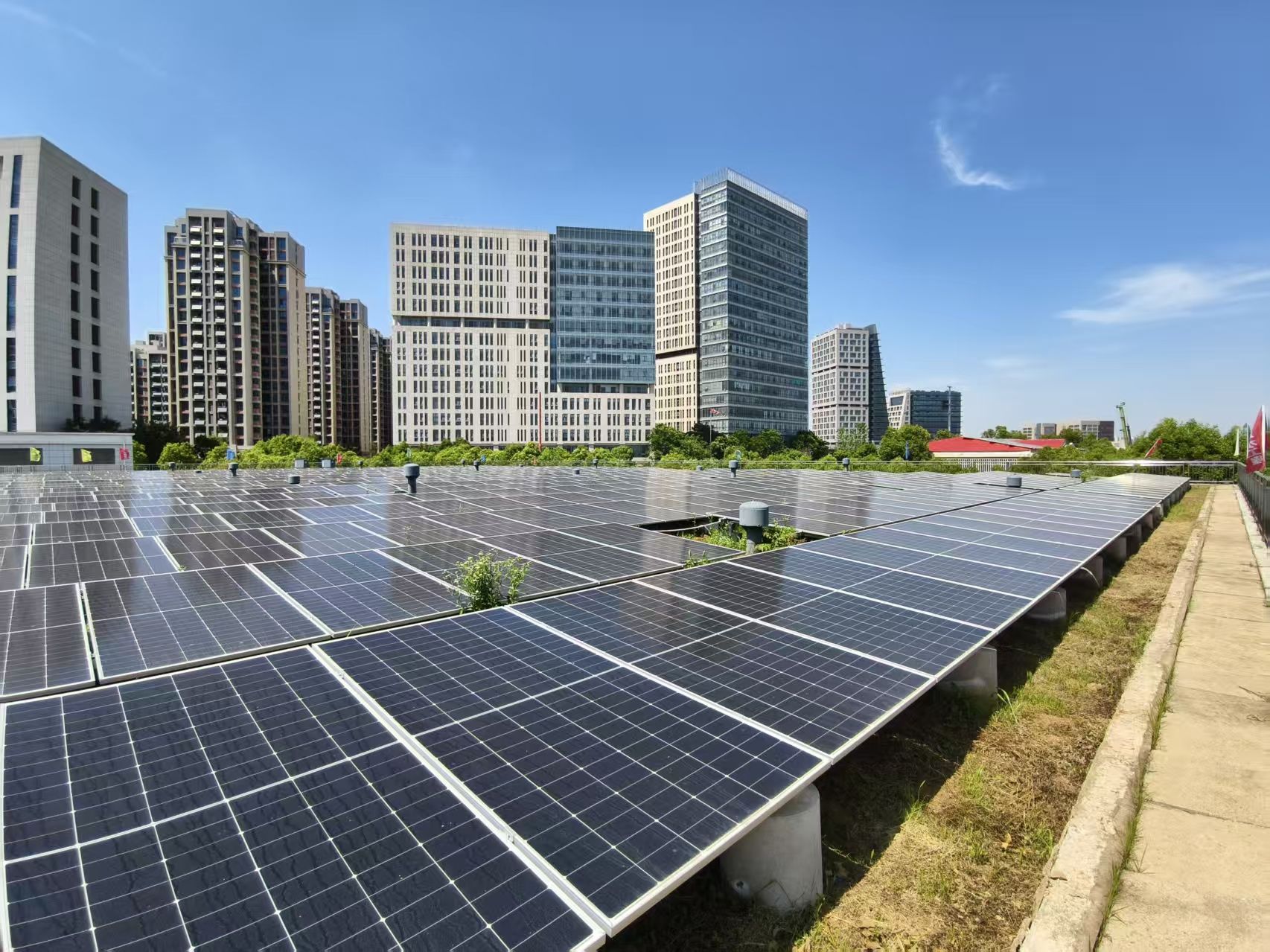
Core Insights - The project marks Wuhan's first installation of photovoltaic (PV) systems on water supply booster stations, showcasing an innovative approach to renewable energy integration in urban infrastructure [1][3]. Group 1: Project Overview - The photovoltaic system consists of a total installed capacity of 2,050 kW, with 15,100 square meters of solar panels installed on the rooftops of two booster stations [3]. - Since the system was connected to the grid on June 4, it has generated over 75,000 kWh of electricity by July 15, with an expected annual output of 2.06 million kWh [3]. Group 2: Technological Innovations - The project features a "dust prevention" design with frameless solar panels that facilitate self-cleaning through rainwater, resulting in an average power gain of 2.04% and a maximum gain of 6% [3]. - An intelligent monitoring cloud platform has been implemented to track 18 key parameters related to power generation efficiency and equipment status, enabling precise operations and maintenance [4]. Group 3: Environmental and Economic Impact - The two booster stations consume approximately 8.5 to 9.5 million kWh of electricity annually, with the PV system expected to reduce external electricity purchases by about 15% [4]. - The project is projected to reduce carbon dioxide emissions by 1,010 tons per year, equivalent to the carbon sequestration effect of planting 55,000 trees [4]. Group 4: Strategic Implications - This initiative represents an innovative practice of the "photovoltaic + water services" model, exploring new pathways for utilizing idle spaces in water service systems [4]. - The standardized solution developed from this project can serve as a model for retrofitting 24 booster stations within the water services group, contributing to the establishment of a green and low-carbon urban water network in Wuhan [4].
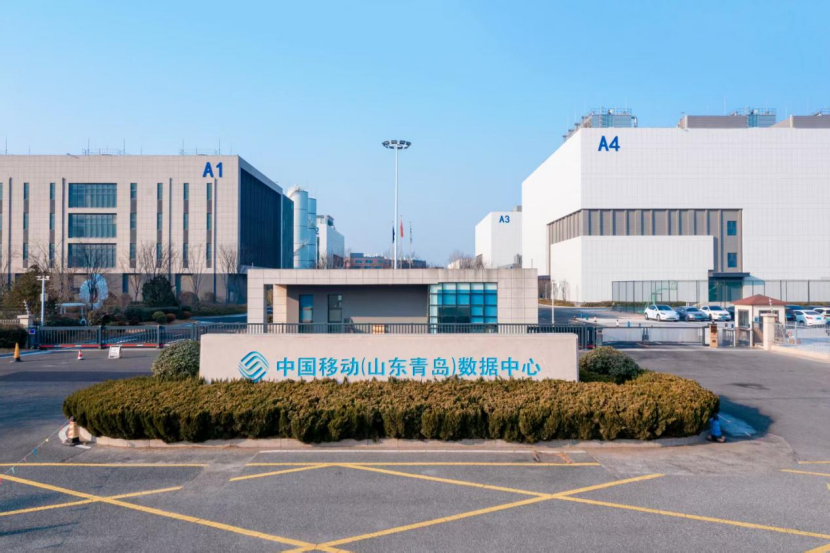
中国移动(山东青岛)数据中心以“绿电”领航 开启节能新征程
Qi Lu Wan Bao· 2025-06-17 07:24
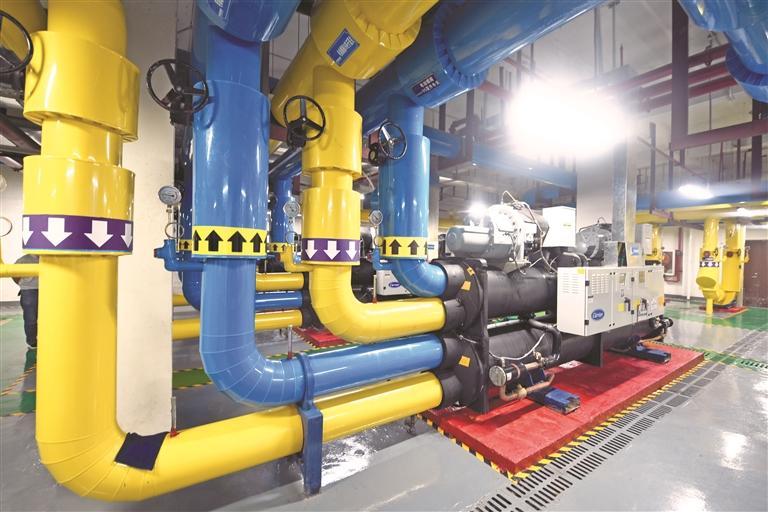
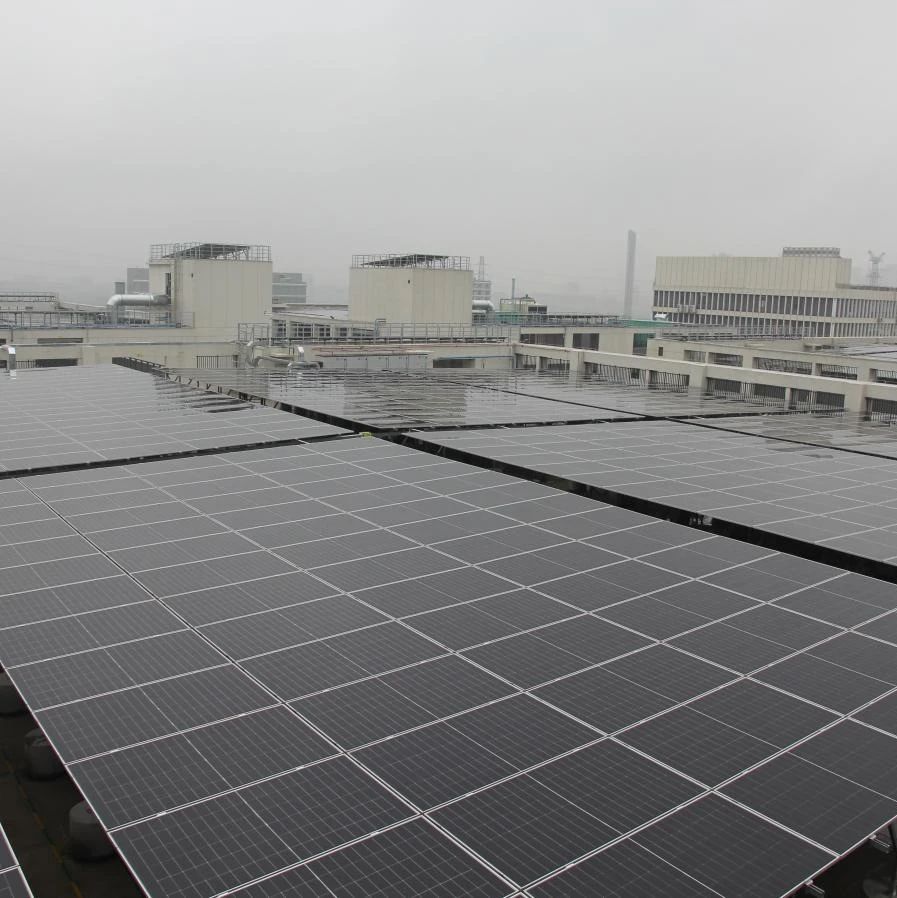
Core Insights - The energy consumption issue of data centers has become a focal point in the industry, especially with the rapid adoption of AI and cloud computing technologies, leading to increased energy pressure on traditional data centers [1] - Shandong Mobile is actively responding to the national "dual carbon" strategy by implementing innovative technologies for green and low-carbon operations at the China Mobile (Shandong Qingdao) data center, setting a new benchmark for sustainable development in the industry [1] Group 1: Distributed Photovoltaic Construction - Shandong Mobile has accelerated the deployment of photovoltaic projects at the China Mobile (Shandong Qingdao) data center, with a recently launched 1600 kWp distributed photovoltaic system [3] - The system is expected to generate over 1.8 million kWh annually, reducing carbon dioxide emissions by more than 1,700 tons, thereby achieving a win-win situation for environmental protection and economic benefits [3] Group 2: Pipeline Construction Technology Innovation - The company has innovatively applied an "assembly-type low-flow resistance pipeline system" in the HVAC system, enhancing corrosion resistance and reducing fluid transport resistance [5] - For example, the optimized system in the A2 machine room can reduce flow resistance by 19% and pump power consumption by 18.7%, leading to an annual electricity saving of 1.451 million kWh and a cumulative reduction of approximately 29 million kWh over 20 years, which corresponds to a decrease in carbon emissions of 23,216 tons [5] Group 3: Energy Efficiency Utilization - The data center utilizes cold storage technology to achieve efficient energy use, interconnecting backup and operational cold storage tanks to optimize cooling management through an intelligent BA system [7] - This approach allows for cost savings of 800,000 yuan annually on electricity bills and enhances the emergency backup cooling capacity during power interruptions, thereby improving the overall cooling efficiency of the data center [7] - The successful practices at the China Mobile (Shandong Qingdao) data center provide replicable experiences for the industry and contribute positively to the national "dual carbon" goals [7]

高质量发展能源行丨以“新”降碳 推动能源绿色转型
国家能源局· 2025-05-29 09:16
Core Viewpoint - The article highlights the advancements in energy transition and low-carbon development in the Guangdong-Hong Kong-Macao Greater Bay Area, focusing on the establishment of new energy storage facilities and the promotion of near-zero carbon demonstration zones [1][2][3][4]. Group 1: Energy Storage Developments - The Baotang Energy Storage Station is the largest new energy storage facility in the Greater Bay Area, with a capacity of 300 MW and 600 MWh, accounting for 20% of the region's new energy storage capacity [1]. - In late February, the Southern Power Grid achieved a record daily renewable energy generation of 1.15 billion kWh, representing 27% of the total power generation for those days [1]. Group 2: Near-Zero Carbon Initiatives - The Kawasaki Auto Parts Company is expanding its production base in Shunde, implementing a "source-network-load-storage" model to create a near-zero carbon demonstration zone, with a distributed photovoltaic system generating 1.91 MW [2][3]. - The project is expected to reduce electricity costs by 28% and save approximately 18 million yuan in operating costs while cutting carbon emissions by 920 tons annually [2]. Group 3: Future Plans and Projects - By the end of 2024, the Southern Power Grid aims to establish 36 near-zero carbon demonstration zones across various sectors, with 25 zones expected to achieve carbon neutrality certification [3]. - The Southern Power Grid plans to build 60 additional zero-carbon demonstration projects between 2025 and 2026, promoting a comprehensive low-carbon service chain [4].
大储龙头加持!离网型光储规模化加速
行家说储能· 2025-02-28 09:50
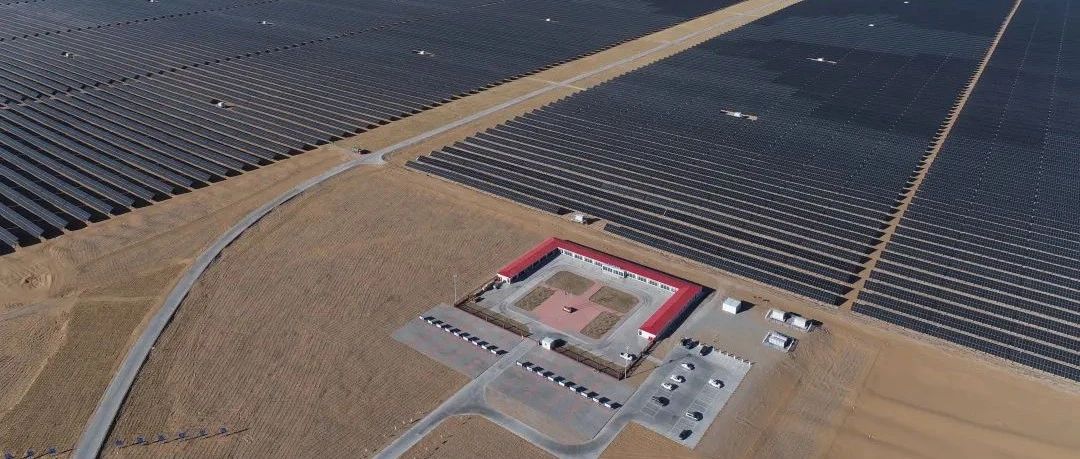
Core Viewpoint - The article discusses the acceleration of the "Sandy Desert" energy revolution, highlighting the implementation of a new action plan for high-quality development in the new energy storage manufacturing industry, particularly in areas with abundant renewable energy but low local consumption capacity [2] Group 1: Project Overview - The project is located in the desert region of Alxa League, addressing challenges such as high transmission losses and pollution from diesel generators due to the lack of grid coverage [3] - The project features an off-grid microgrid system that integrates solar, storage, and load management, designed specifically for the unique conditions of the "Sandy Desert" [4] Group 2: Technological Innovations - The project includes a 1.16MWp distributed solar system and 12 distributed energy storage units, utilizing a self-developed microgrid control system and comprehensive energy cloud platform to minimize reliance on traditional energy sources [4][5] - Key technological breakthroughs include system collaborative planning, distributed storage technology, microgrid control technology, and energy optimization scheduling [5][7] Group 3: Environmental and Economic Impact - Since its operation, the project has generated approximately 135MWh of solar power and reduced carbon dioxide emissions by 115.27 tons, achieving zero electricity costs for the construction site [8] - The successful implementation of this project marks a new chapter in energy practices for remote areas, demonstrating the replicability of clean energy independent supply in similar environments [9]