
分红型重疾险

Search documents
中国平安已“过三山”,系A股极少数股息与成长兼具标的之一
Xin Lang Cai Jing· 2026-03-26 14:42
Core Viewpoint China Ping An's stock price has returned to its peak after a two-year rise from 2024 to 2025, significantly enhancing investor sentiment. The company's fundamentals are being reviewed to adjust positions accordingly. Group 1: Insurance Liability Growth - Property investments and healthcare needs are expected to support the growth of insurance liabilities, despite some investors believing that insurance is a discretionary expense that may decline in the current macroeconomic environment [1][4] - The average yield of bank wealth management products has decreased to 1.98% in 2025, down from 2.94% in 2023 and 2.65% in 2024, indicating limited options for residents to preserve and grow their wealth [1][4] - The demand for long-term investment products like life insurance is increasing as banks are withdrawing long-term large-denomination deposits, making life insurance's long-term compounding characteristics more attractive [1][4] Group 2: New Business Value Growth - In 2025, China Ping An's new business value from the bancassurance channel grew by 138% to 9.408 billion yuan, indicating a growing acceptance of life insurance as an alternative to fixed deposits [2][16] - The overall new business value for life and health insurance reached 36.897 billion yuan, a 29.3% increase, with a new business value rate of 28.5%, up by 5.8 percentage points [16][15] - The agent channel's new business value increased by 10.4%, while the bancassurance channel's growth rate was significantly higher due to a low base effect from the previous year [16][18] Group 3: Healthcare and Elderly Care Services - China Ping An has launched a comprehensive service ecosystem, "Tian Ping An," providing medical and elderly care services, which enhances its appeal to high-net-worth clients [6][5] - The company is expanding its elderly care community services, with plans to open several high-end elderly care communities in major cities, responding to the increasing elderly population [5][6] - The introduction of innovative health insurance products, such as the "Ping An Years Long Peace" insurance, aims to meet the unmet needs of customers, further enhancing customer loyalty [4][5] Group 4: Investment Strategy and Financial Performance - China Ping An's investment strategy has shifted towards increasing equity assets, with stock investments rising by approximately 309 billion yuan, reflecting a clear asset allocation style [30][32] - The comprehensive investment return rate for 2025 is reported at 6.3%, indicating strong investment performance [32][30] - The company has successfully reduced its exposure to real estate investments, with a significant decrease in the proportion of real estate-related assets, alleviating concerns about asset quality [37][44] Group 5: Financial Health and Capital Adequacy - As of the end of 2025, China Ping An's core solvency ratio is 123.3%, indicating a strong capital position and alleviating investor concerns regarding solvency pressures [36][35] - The company has effectively managed its capital through low-interest bond issuances, ensuring a balance between dividends and solvency ratios [34][36] - The reduction in asset quality issues related to real estate investments has led to a forecasted decrease in asset management losses, improving overall financial health [42][43]


从头部险企健康险理赔“结构”,看实际保障力度被低估
Xin Lang Cai Jing· 2026-02-26 10:27
Core Insights - The article discusses the current state and challenges of commercial health insurance in China, highlighting the impact of policy and technology on the industry's growth and the perception of its value [1][2]. Group 1: Business Growth and Challenges - In 2025, the total premium for commercial health insurance reached 997.3 billion yuan, with a year-on-year growth of 2.04%, falling short of the expected trillion-yuan mark [2][13]. - The decline in health insurance premiums from life insurance companies, which saw a 5.9% drop in December 2025, has contributed to the overall negative growth in the sector [2][14]. - Life insurance companies reported a slight decrease in health insurance premiums for the entire year of 2025, totaling 769.9 billion yuan, down 0.41% from the previous year [2][14]. Group 2: Claims and Payouts - Despite the challenges faced by life insurance companies, the value of health insurance claims remains significant, with "medical + critical illness" claims accounting for about 80% of total payouts among leading insurers [5][16]. - For instance, China Life reported over 788 billion yuan in health insurance claims, representing 78.5% of its total claims in 2025 [6][17]. - The trend shows that medical insurance continues to have the highest number of claims, while critical illness insurance has the highest payout amounts [7][18]. Group 3: Underestimated Actual Payout Rates - There is a prevailing belief that the payout rate for commercial health insurance in China is low, around 40%, which is significantly below the 70%-85% range seen in developed countries [8][19]. - Recent analyses suggest that this perception is misleading, as the payout rate for medical insurance, excluding critical illness insurance, is approximately 75% [8][19]. - The actual payout rates for long-term medical insurance range from 55% to 80%, while short-term health insurance shows a payout rate of 50% to 70% for individual policies and 100% to 120% for group policies [8][19]. Group 4: Strategies for Growth and Risk Management - The industry needs to address the dual challenge of scaling growth while managing risks effectively to unlock the full value of health insurance [9][20]. - Expanding coverage for individuals with pre-existing conditions and chronic diseases is seen as a viable strategy to tap into new market segments [9][20]. - Insurers are encouraged to innovate products tailored to specific demographics, such as high-end consumers and the elderly, to better meet diverse needs [10][21].

70万亿存款面临新抉择!寿险利率企稳之下,如何多分一杯羹?
Xin Lang Cai Jing· 2026-01-21 13:43
Core Viewpoint - The latest research value for the predetermined interest rate of ordinary life insurance products is 1.89%, marking a significant adjustment since the establishment of the dynamic adjustment mechanism in January 2025 [1][12][13]. Group 1: Predetermined Interest Rate Research - The predetermined interest rate research values for 2025 are as follows: 2.34% in January, 2.13% in April, 1.99% in July, 1.90% in October, and 1.89% in the fourth quarter [1][12][13]. - The current maximum interest rate for ordinary life insurance products is 2.0%, which is 11 basis points above the research value, thus not triggering a downward adjustment condition [3][15]. Group 2: Market Environment and Opportunities - Citigroup's report indicates that over 70 trillion RMB in household savings will mature by 2026, creating a historic opportunity for the life insurance industry, especially through bank insurance channels [2][10][23]. - The low interest rate environment and the significant amount of maturing deposits present a unique "window period" for the life insurance sector to attract funds [10][23]. Group 3: Industry Trends and Innovations - Life insurance companies are shifting their product mix towards dividend insurance, with significant proportions reported: 42.5% for Pacific Life, 40% for Ping An Life, and over 50% for China Life in their respective first-year premium contributions [20]. - The industry is focusing on health and pension sectors, enhancing product offerings to meet the growing demand for health insurance and retirement solutions amid an aging population [20][21]. Group 4: Asset Management and Investment Strategies - Insurance asset management institutions have seen a decrease in debt investment plans but an increase in equity investment plans, indicating a strategic shift towards higher-risk assets [21][22]. - The entry of foreign insurance asset management companies into the Chinese market is expected to intensify competition and drive local firms towards innovation and improved service quality [22].
新华保险20260114
2026-01-15 01:06
Summary of Xinhua Insurance Conference Call Company Overview - **Company**: Xinhua Insurance - **Focus Year**: 2026 Key Points Industry and Strategic Focus - Xinhua Insurance's strategy for 2026 emphasizes dividend insurance, aiming to maintain overall value stability despite a slightly lower value rate compared to traditional insurance products [2][5] - The company plans to optimize its business structure and match high-value protection products to achieve steady growth in new business value through regular premium income [2][5] Performance and Market Position - The company reported that its performance in the 2026 opening period met established targets, with both individual and bank insurance channels showing strong growth in regular and value premiums [3][6] - Dividend insurance products have gained significant market acceptance, with their share increasing and the interest margin narrowing by 25 basis points compared to traditional insurance [3][5] Competitive Landscape - Xinhua Insurance acknowledges intense competition in the bank insurance channel but sees opportunities due to banks' increasing focus on insurance as a low-capital burden intermediary business [7][8] - The company aims to deepen existing networks, expand bank personnel, and open new outlets to capitalize on market opportunities [8] Financial Management and Cost Control - Strict cost management measures are in place, including rigorous oversight of bank fees and commissions, ensuring alignment with budgeted expenditures [9] - Xinhua Insurance has established strong partnerships with nearly 60 banks, enhancing its strategic cooperation to drive business growth in 2026 [9] Asset Allocation and Investment Strategy - The asset allocation for 2026 will primarily focus on fixed-income assets, maintaining an approximately 80% share, while equity assets will remain stable [10][11] - The company plans to respond to regulatory calls by moderately increasing the proportion of equity assets and enhancing long-term equity investments [10][11] Risk Management - Xinhua Insurance's exposure to Vanke is estimated at around 4-5 billion yuan, with no current risk events reported [12] - The company is actively assessing impairment risks based on new standards and actual repayment situations [12] Regulatory and Tax Implications - The new asset-liability matching management system is viewed positively, with the company already aligning its practices to meet regulatory requirements [16][17] - The impact of new tax regulations is expected to be limited, as the company has adequately accounted for future profit expectations and deferred tax liabilities [19] Future Product Development - Xinhua Insurance is optimistic about the market potential for new products like dividend-type critical illness insurance, which combines protection and savings features [18] - The company is currently in the development phase for these products, aiming to meet customer needs and optimize its business structure [18] Capital Planning and Solvency - The company maintains a strong solvency position above regulatory requirements, despite potential capital pressures from increased equity investment ratios [19] - Future capital planning includes issuing 20 billion yuan in perpetual bonds to supplement core capital and ensure stable solvency [19] Conclusion - Xinhua Insurance is strategically positioned to navigate competitive challenges and regulatory changes while focusing on sustainable growth through optimized product offerings and robust financial management practices [2][19]

分红型重疾险重启:外资险企试水,中资头部备战
Sou Hu Cai Jing· 2026-01-12 02:22
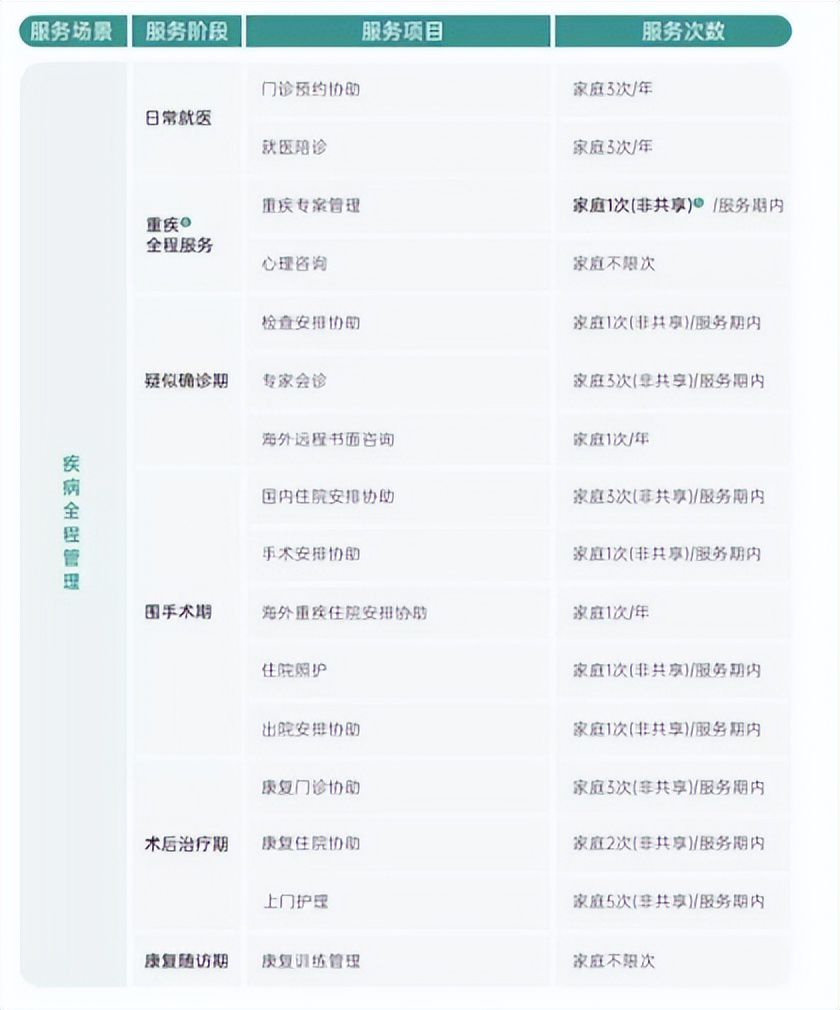
Core Viewpoint - The recent policy relaxation by the Financial Regulatory Bureau marks the return of participating critical illness insurance products, which could stimulate new growth in the health insurance market amid high protection gaps and weakening growth in traditional critical illness insurance [1][2][3]. Policy Relaxation and Market Context - The return of participating critical illness insurance is a significant shift after a two-decade ban, with the first introduction of such products in 2001, which quickly gained a 49.8% market share by 2002 [2]. - The regulatory crackdown in 2003 aimed to address marketing issues and protect consumers, leading to the withdrawal of participating health insurance from the market [2]. Industry Response and Product Innovation - Major insurance companies like China Ping An, China Pacific Insurance, and New China Life have begun developing participating health insurance products in response to the new policy [7]. - Foreign insurers such as AIA and Cigna have already launched innovative products combining whole life insurance with critical illness coverage, emphasizing the dual benefits of protection and value growth [4][5]. Market Potential and Challenges - The introduction of participating critical illness insurance is seen as a key strategy to revitalize the sluggish critical illness insurance market, addressing the dual consumer demand for risk protection and asset appreciation [9]. - The market for health insurance is projected to have a significant demand gap, estimated at $143 billion in 2024, driven by factors such as aging population and ongoing medical reforms [9]. - Challenges include the complexity of product design, the need for clear communication to consumers regarding the dividend mechanisms, and the necessity for robust investment management capabilities to ensure sustainable returns [10].
保险Ⅱ行业深度报告:低利率时代的重逢——中国分红险发展的前世今生-东吴证券
Sou Hu Cai Jing· 2026-01-05 01:09
Group 1 - The core viewpoint of the articles is that dividend insurance is transitioning to become a key focus in the life insurance industry, driven by regulatory encouragement and market demand in a low-interest-rate environment [1][2][12]. - Dividend insurance is characterized as a floating income product that combines protection and investment attributes, with dividends derived from positive surpluses generated by interest rate differences, mortality differences, and expense differences, with at least 70% of these surpluses distributed to policyholders [1][2][21]. - The development of dividend insurance in mainland China has experienced several phases, including a peak in the early 2010s when it accounted for 75% of industry premiums, followed by a decline from 2013 to 2023 due to market reforms, and a resurgence since 2024 as regulatory policies have favored floating income products [1][2][8][12]. Group 2 - The current transformation of dividend insurance has shown significant results, with over 50% of new policies in the first half of 2025 being dividend insurance, and China Pacific Insurance exceeding 90% [2][12]. - The core logic behind this transformation is that dividend insurance has lower rigid costs, stronger stability under new accounting standards, and shorter effective liability durations, which can effectively alleviate interest rate loss pressures [2][12]. - The expected increase in the proportion of dividend insurance in new policies will enhance the reliability of life insurance embedded value (EV) and gradually increase the proportion of equity allocation in insurance funds, benefiting from long-term stock market returns [2][12]. Group 3 - In overseas markets, floating income products dominate, particularly in mature markets like Europe and the U.S., where the focus has shifted towards universal and investment-linked insurance, while in Hong Kong, dividend insurance remains a core product with significant market share [2][12][4]. - The experience from overseas markets suggests that in a low-interest-rate environment, there are substantial growth opportunities for floating income products, and dividend insurance is seen as a more suitable solution for domestic investors in China [2][12]. - The industry faces challenges such as long-term interest rate declines, equity market volatility, and pressure on new policy premiums, but the shift towards dividend insurance is expected to reshape the liability structure of the industry and promote high-quality development [2][12].


中国分红险发展的前世今生:低利率时代的重逢
Soochow Securities· 2025-12-30 10:06
Investment Rating - The report maintains an "Accumulate" rating for the insurance sector [1]. Core Insights - The report discusses the evolution of participating insurance in China, highlighting its significance in a low-interest-rate environment and the shift towards floating yield products, which are gaining traction among domestic investors [2][6]. Summary by Sections 1. What is Participating Insurance? - Participating insurance is a type of insurance that combines protection and investment, allowing policyholders to share in the insurer's surplus [12]. - The operational mechanism involves sharing profits derived from better-than-expected performance, with a minimum of 70% of the surplus distributed to policyholders [6][15]. 2. Historical Development of Participating Insurance in Mainland China - The development of participating insurance has seen significant fluctuations influenced by policy and market factors, with its market share peaking at 75% in 2010 before declining due to market reforms [6][45]. - Since 2024, regulatory policies have encouraged the development of floating yield products, marking a consensus in the industry towards transitioning to participating insurance [6][45]. 3. Current Transition of Participating Insurance - The report anticipates that the proportion of participating insurance will continue to rise, with over 50% of new policies in the first half of 2025 being participating insurance [6][45]. - The transition is expected to alleviate pressure from interest rate losses and enhance the reliability of the insurance sector's embedded value (EV) [6][45]. 4. International Experience - In mature markets, floating yield products dominate, with Hong Kong's participating insurance being a core component, accounting for 85% of new premiums in 2024 [2][6]. - The report suggests that the characteristics of participating insurance in Hong Kong, such as multi-currency support and a design of low guarantees with high floating returns, could serve as a model for the mainland market [2][6]. 5. Key Metrics for Evaluating Participating Insurance - The report outlines four key indicators for assessing the performance of participating insurance: 1. **Guaranteed Rate**: Currently set at 1.75%, which is lower than traditional insurance [23]. 2. **Demonstration Rate**: Reflects expected returns, with current rates around 3.5% to 4% [24]. 3. **Actual Yield**: The industry average is capped at 3.2%, with some companies exceeding this limit [27]. 4. **Dividend Realization Rate**: Increased by 11 percentage points to 62% in 2024, indicating improved management and expectation guidance [29].


对话2026年关键词:金融地产篇
2025-12-25 02:43
Summary of Conference Call Records Industry Overview - The non-bank financial sector, particularly online insurance and brokerage firms, is expected to have greater growth potential compared to banks in the coming year. Online insurance benefits from an increase in equity positions, which could enhance investment returns if the stock market performs well. Additionally, adjustments in household asset allocation favor stable income products from insurance [1][2][3]. Key Insights on Insurance and Brokerage - Insurance companies listed in H-shares have shown significant recovery, while A-shares lag behind. It is anticipated that the fundamentals of insurance will further improve in 2026. The optimization of insurance product structures, including new products like commercial insurance and dividend-type critical illness insurance, is expected to contribute to growth [1][2]. - Brokerages have performed well during year-end market conditions, particularly in the spring season, where historical data shows a high success rate. Despite underperformance in A-share brokerages this year, ongoing performance releases and increased market activity suggest potential for excess returns in the coming year [1][3]. Banking Sector Strategy - The banking sector's strategy for 2026 will focus on interest margins and asset growth. The balance between volume and price is expected to stabilize under real estate policy impacts, with interest margins becoming a key revenue growth driver. Loan pricing is projected to bottom out and recover, while deposit rates are expected to decline, supporting a gradual recovery in interest margins [4][5]. - Credit growth is expected to remain flat or slightly lower than in 2025, with a continued divergence between social financing growth and credit growth. The overall credit expansion is anticipated to slow down, maintaining a tight balance between deposits and loans [5]. Capital Supplementation in Banking - In 2025, the Ministry of Finance added four state-owned banks, with plans to complete additional capital increases for two more major state-owned banks in 2026. Due to a constrained external financing environment, smaller banks are expected to rely on convertible bonds for growth. Long-term funds from insurance capital, bank shareholders, and asset management companies are becoming primary sources of funding for bank stocks [6]. Macroeconomic Outlook - A positive macroeconomic trend is expected to support the banking sector's fundamentals, although rapid profit growth is unlikely. The public fund reform may lead to a shift in asset allocation towards performance benchmark indices, potentially alleviating revenue pressures in the banking industry in 2026 [7]. Real Estate Sector Predictions - The real estate industry is expected to rely on economic recovery for resolution of its issues. Predictions indicate a decline of approximately 10% in sales amounts and areas, with new construction and actual completions expected to drop by about 15% [9]. - Developers face significant risks in land acquisition, including accurately assessing customer demand and high-risk investments. The stability of the asset side is increasingly uncertain, with high leverage posing additional risks [11]. Investment Recommendations in Real Estate - Investors should focus on real estate companies with high accuracy in land acquisition, low valuations with potential for marginal improvement, and those with strong competitive advantages in shopping center operations. Companies like Greentown China and China Resources Land are highlighted for their high acquisition accuracy rates [12][13]. - The second-hand housing intermediary sector, exemplified by Beike, is noted for its potential growth and should be considered as part of the investment strategy [14].
破局低利率:寿险业产品结构转型的逻辑、路径与未来
13个精算师· 2025-12-23 10:13
Core Insights - The report analyzes the core challenges and strategic choices faced by the Chinese life insurance industry under the long-term downward trend of interest rates and the regulatory push for a "dynamic interest rate adjustment mechanism" [1] - It highlights the historical shift from traditional fixed-income products to floating-income products, particularly focusing on dividend insurance as a new growth point [1] - The report emphasizes the importance of understanding the relationship between interest rates, pricing, and product structure in navigating the current transformation logic [1] Summary by Sections Interest Rate and Pricing Relationship - The pricing of life insurance products, especially long-term savings and protection products, follows the principle of actuarial balance, where premiums are calculated based on the present value of insurance payouts divided by (1 - expense ratio) [3] - The predetermined interest rate is crucial as it represents the long-term return promised to customers and the company's liability cost [3] - Historical cases show that the global insurance industry has faced significant crises due to poor management of interest rate risks, leading to regulatory caps on predetermined interest rates to prevent systemic risks [3] Product Structure Evolution - The evolution of product structure in the Chinese life insurance market is closely linked to macroeconomic interest rate cycles and regulatory policy adjustments [6] - The regulatory environment has led to cyclical changes in product structure, with dividend insurance becoming mainstream during periods of low predetermined interest rates [3][6] Market Trends and Company Strategies - As of 2023, the downward adjustment of predetermined interest rates and the establishment of a dynamic adjustment mechanism have fundamentally impacted product structures, reducing the attractiveness of traditional fixed-income products [12] - Companies like Xinhua Insurance have seen a significant increase in the proportion of dividend insurance premiums, indicating a historical shift in product structure [10] - Major listed insurance companies are transitioning from strategic consensus to tactical execution, with differentiated paths based on their resource endowments [14] Future Growth Opportunities - The recent regulatory approval for dividend-type long-term health insurance, particularly critical illness insurance, is seen as a milestone for optimizing the industry's benefit structure and stimulating demand [17] - The potential market gap for critical illness insurance is significant, with estimates indicating a health protection gap of $143 billion in China by 2024 [19] - The development of dividend critical illness insurance is expected to follow successful models from Hong Kong, focusing on low guarantees and high dividends to address inflation concerns [20] Strategic Recommendations - Insurance companies should make clear strategic choices between low-risk, high-guarantee products for the mass market and high-risk, high-flexibility products for high-net-worth clients [22] - Enhancing long-term investment capabilities and integrating health/retirement ecosystems are essential for increasing product value and customer loyalty [23] - The transformation requires a systemic approach, considering regulatory requirements, customer needs, and economic trends, to establish a competitive advantage in the evolving market landscape [25]

新华保险20251202
2025-12-03 02:12
Summary of Xinhua Insurance Conference Call Company Overview - **Company**: Xinhua Insurance - **Focus**: Life insurance, particularly dividend insurance products Key Points Industry and Market Dynamics - **Focus on Dividend Insurance**: In 2026, Xinhua Insurance will prioritize the sale of dividend insurance products, while 2025 will focus on traditional products [2][3] - **Bank Insurance Channel Preparation**: The bank insurance channel is actively preparing for growth, including channel expansion and product development to address high growth challenges [2][3] - **Impact of Regulatory Changes**: The shift to a unified reporting system (报行合一) has a significant impact on the bank insurance channel, while the individual insurance channel is less affected [2][8] Sales and Product Strategy - **Sales Performance**: The company has initiated pre-sales for the individual insurance channel, with initial data meeting expectations [3][5] - **Product Strategy Shift**: The individual insurance channel will shift focus to dividend insurance in 2026, while traditional products dominate in 2025 [3][5] - **Dividend Insurance Transition**: As of the latest reports, dividend insurance accounted for approximately 12% of new policies, with over 70% in the marketing channel by Q3 [2][11] Financial Performance and Investment Strategy - **Investment Returns**: Strong investment returns over the past two years have laid a foundation for the dividend realization rate, aiding acceptance of dividend products by banks and clients [2][6] - **Core Equity Asset Allocation**: The company maintains a high level of core equity asset allocation, with plans to consider further increases based on market conditions, though space for significant increases is limited [4][15] Competitive Landscape - **Increased Competition**: The removal of the 1+3 outlet restriction has intensified competition in the bank insurance sector, but it is seen as beneficial for larger companies like Xinhua Insurance [2][10] - **Expansion Plans**: The company plans to increase the number of outlets and enhance internal team capabilities to drive growth in 2026 [11] Regulatory and Policy Considerations - **Expense Management**: The company is optimizing back-office expenses to support front-end sales and agent commissions, ensuring stable overall value contribution [8][9] - **Future Profitability**: The individual insurance channel is expected to adapt well to the unified reporting policy, with limited impact on profitability compared to the bank insurance channel [9] Health Insurance Product Development - **New Product Research**: The company is exploring dividend-based critical illness insurance to enhance the attractiveness of health insurance products [4][12] Short-term Payment Strategy - **Short-term Payment Focus**: Short-term payment strategies have been a significant resource investment, with plans to maintain stable investment levels in 2026 [13] Long-term Investment Outlook - **Investment Yield Expectations**: The company anticipates a long-term investment yield of around 4%, with current market conditions exerting downward pressure on net investment income [22][23] Dividend Policy Considerations - **Dividend Policy Framework**: The specific dividend policy will be determined post-annual report, typically based on net profit ratios and other financial considerations [25] Tax and Accounting Standards - **Tax Treatment**: The company applies new accounting standards for tax calculations, which may differ from actual tax payments based on old standards [27] This summary encapsulates the key insights from the conference call, highlighting the strategic direction, market challenges, and financial outlook of Xinhua Insurance.