半幅方向盘

Search documents
2026年,汽车“反人类”设计会消失吗?
Jing Ji Guan Cha Wang· 2026-02-24 02:16
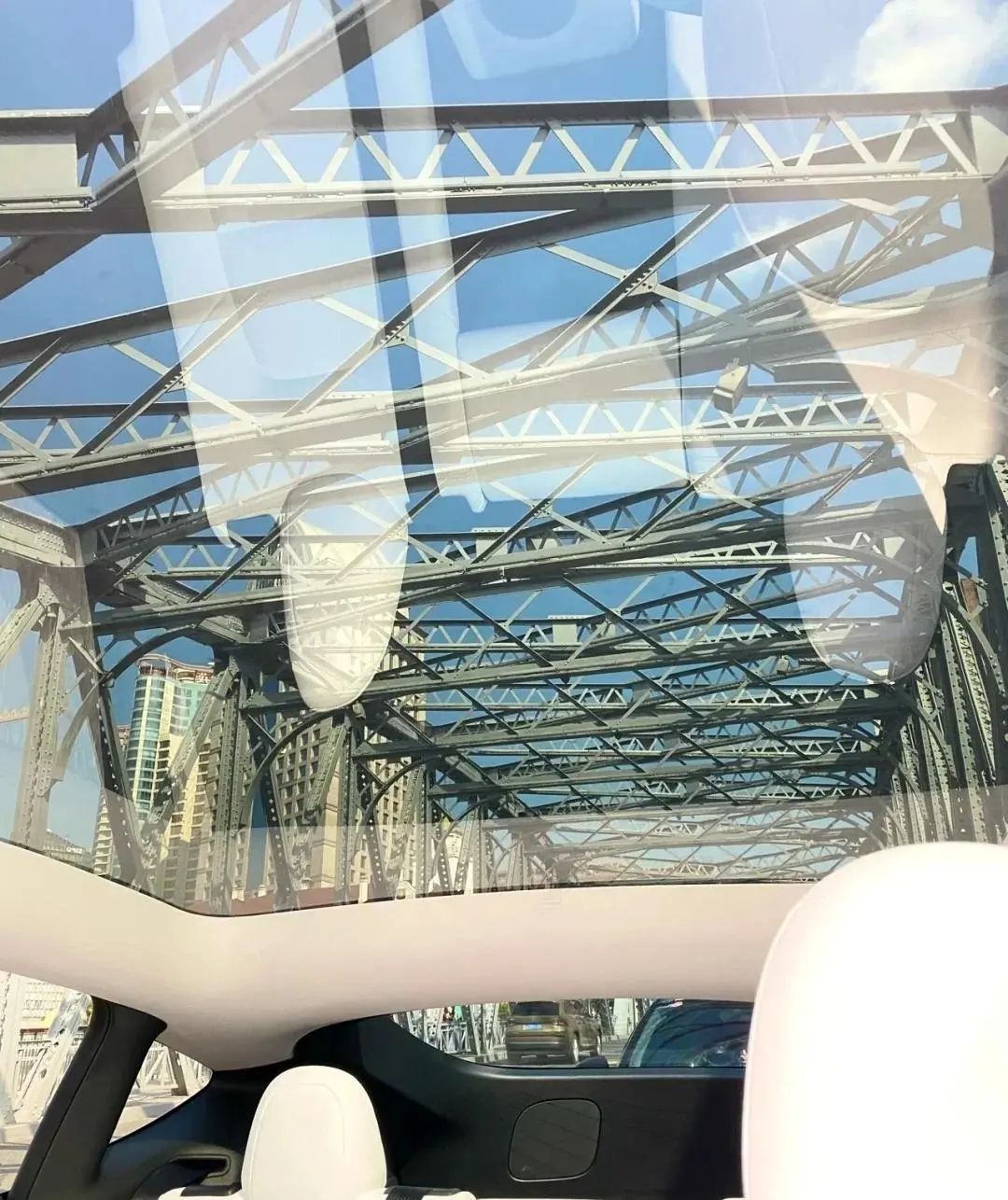
Group 1 - The core viewpoint of the news is the introduction of a new mandatory national standard for automotive door handles, which aims to enhance safety and eliminate the use of hidden door handles in vehicles by 2027 [2][4]. - The new standard requires mechanical release functions for both interior and exterior door handles, ensuring they can be manually operated in extreme situations such as power failure [2][4]. - The standard mandates specific dimensions for hand operation space and mechanical strength requirements, such as exterior handles needing to withstand a force of at least 500 Newtons [2][4]. Group 2 - The hidden door handle design, popularized by Tesla's Model S in 2012, is set to become obsolete due to safety concerns, as it has been found to provide minimal aerodynamic benefits while posing risks in emergency situations [3][4]. - The transition period for compliance with the new standard allows for gradual implementation, with new models needing to meet most requirements by January 1, 2027, and all requirements by January 1, 2028 [4][5]. - Several automotive companies are already adapting their designs to comply with the new regulations, with examples including AITO's M8 and M7 models featuring semi-hidden handles and multiple unlocking mechanisms [5]. Group 3 - The new standard is seen as a return to the "safety first" principle in automotive design, pushing manufacturers to prioritize safety over aesthetic innovations [2][4]. - The emergence of the new standard has sparked discussions about other "anti-human" designs in the automotive industry, such as the elimination of physical buttons and the adoption of half steering wheels, which may also require regulation [6][7]. - The automotive industry is expected to face challenges in redesigning vehicles to meet new safety standards, but the trend towards eliminating unreasonable designs is anticipated to continue [8].

工信部划红线:半幅方向盘再见,无方向盘落地还需过三关
Xin Lang Cai Jing· 2026-02-23 09:20
Core Viewpoint - The new mandatory national standard GB 11557-202X, effective from January 1, 2027, signifies a shift in China's automotive safety regulations, moving from passive measures to proactive rule-making, particularly targeting the elimination of unsafe designs like the half-width steering wheel [2][12]. Group 1: Regulatory Changes - The new standard aligns with international safety norms, reducing the human body module test limit to 11110N and eliminating exemptions for impact tests, addressing previous safety loopholes [4]. - The half-width steering wheel fails to meet the new requirements, lacking the necessary physical structure to pass the mandated 10 head impact test points, thus rendering it non-compliant [4]. Group 2: Design and Practicality Issues - The half-width steering wheel, initially marketed as a feature inspired by F1 racing, is impractical for everyday use, leading to user complaints about its functionality during common driving maneuvers [6]. - The design prioritizes aesthetics over usability, which has become a liability as safety and user experience are increasingly scrutinized [6]. Group 3: Industry Trends and Future Directions - The simultaneous emergence of Tesla's Cybercab, which lacks a steering wheel, highlights two distinct paths in the industry: one focused on gimmicky designs and the other on genuine technological advancements in autonomous driving [8]. - Current regulations still mandate human control interfaces for autonomous vehicles, indicating that while innovation is encouraged, it must adhere to safety principles [10]. Group 4: Industry Implications - The regulatory approach of banning unsafe designs while facilitating advanced technology development sends a clear message: automotive innovation must be grounded in safety compliance [12]. - The phase-out of the half-width steering wheel serves as a correction to the industry's trend of prioritizing aesthetics, emphasizing the need for a solid safety foundation before advancing to more radical innovations like steering-less vehicles [14].

隐藏式门把手能降低油耗?汽车不需要那么多奇葩设计
Guang Zhou Ri Bao· 2025-09-29 10:11
Core Points - The new mandatory national standard for automotive door handles requires each door (excluding the tailgate) to be equipped with a mechanical release function, meaning traditional pull handles must be included alongside electronic options [1] - The criticism of hidden door handles is highlighted, as they can lead to user frustration and safety concerns, especially in adverse weather conditions [1] - The article emphasizes that safety should always be the priority in automotive design, and innovations that compromise safety for aesthetics or marketing gimmicks are not acceptable [2] Industry Insights - The automotive industry is facing scrutiny over design choices that prioritize aesthetics over functionality, such as hidden door handles and touch screens that distract drivers [1][2] - Companies that focus on practical innovations addressing consumer pain points are more likely to gain trust and positive reputation among consumers [2] - The article warns against companies that prioritize flashy marketing over quality and safety, suggesting that such approaches could lead to negative outcomes [2]
40°C成了照妖镜,盘点新能源车“反人类”的六大设计
3 6 Ke· 2025-07-23 11:27
Core Viewpoint - The article highlights the discomfort and practical issues faced by electric vehicle (EV) owners due to innovative designs that prioritize aesthetics and technology over user comfort and safety, particularly in extreme weather conditions [1][3][54]. Group 1: Issues with Panoramic Glass Roofs - The panoramic glass roofs, initially marketed for their spaciousness and aesthetic appeal, have become a source of discomfort, turning vehicles into "sauna rooms" during summer [4][5]. - Many EV models, including those from brands like Zhiji, Zeekr, and NIO, feature panoramic roofs, but owners report excessive heat and discomfort, leading to potential interior damage [9][11]. - The automotive industry’s focus on design has overshadowed the need for comfort, as the technology for heat insulation has not fully addressed the issue of heat retention in extreme temperatures [11][57]. Group 2: Hidden Door Handles - Hidden door handles, while designed to reduce drag and enhance aesthetics, have received significant criticism, with 69% of consumers expressing concerns about their usability and reliability [13][15]. - Issues such as freezing in winter and mechanical failures have led to frustrating experiences for users, including incidents where door handles failed to operate during emergencies [19][20]. - The repair costs for hidden door handles are significantly higher than traditional handles, leading to dissatisfaction among consumers [20]. Group 3: Full Touchscreens - The shift to full touchscreen controls has complicated user interactions, with many drivers finding it less efficient than traditional buttons, particularly for essential functions like air conditioning [22][24]. - Complaints about infotainment systems being overly complex and slow to respond have increased, with drivers reporting delays in critical situations [26][28]. - The reliance on touchscreens can also pose safety risks, as it distracts drivers from the road [28]. Group 4: Half-Width Steering Wheels - The introduction of half-width steering wheels has created operational challenges for drivers, making standard maneuvers more difficult and increasing the risk of losing grip [29][31]. - New drivers have reported difficulties adapting to this design, leading to potential safety hazards during driving [35][39]. Group 5: Electronic Side Mirrors - Electronic side mirrors, while visually appealing, have been criticized for their delayed response times and performance issues in adverse weather conditions [41][43]. - Users have reported that these mirrors can become obscured in rain or snow, compromising visibility and safety [43][46]. Group 6: Single-Pedal Driving Mode - The single-pedal driving mode, designed to simplify driving and enhance efficiency, has led to confusion and safety concerns among drivers accustomed to traditional dual-pedal systems [49][52]. - Drivers have reported instances of mistakenly treating the accelerator as a brake, resulting in near accidents [52]. Group 7: Industry Response and Future Directions - As consumer dissatisfaction grows, some manufacturers are beginning to prioritize user experience over flashy designs, with improvements in heat insulation for panoramic roofs and adjustments to door handle designs [55][57]. - Regulatory changes are also being implemented, such as new standards for hidden door handles and restrictions on single-pedal driving modes, indicating a shift towards enhancing safety and usability in EV designs [57][59].