
城区辅助驾驶

Search documents
地平线生态联盟扩张,抵御Momenta的猛攻
3 6 Ke· 2025-12-17 11:00
Core Viewpoint - Horizon Robotics aims to democratize urban assisted driving technology by making it available for vehicles priced at 100,000 yuan, targeting the mass market [3][8]. Group 1: Market Dynamics - In the first three quarters of this year, vehicles priced above 200,000 yuan accounted for 30% of the market share, while those below 130,000 yuan made up 50%, with the latter lacking urban assisted driving features [3]. - The competition in the intelligent driving sector is consolidating around a few leading companies, with Huawei and Momenta establishing strong positions in the high-end market [4]. - Horizon Robotics is rapidly expanding its market presence by introducing new algorithm service models and collaborating with various partners, including major automotive suppliers [6][10]. Group 2: Technological Developments - Horizon Robotics has transitioned from being solely a chip manufacturer to a full-stack solution provider, emphasizing the integration of hardware and software [6][10]. - The company plans to equip vehicles priced as low as 70,000 yuan with its urban assisted driving solutions next year, targeting a significant portion of the Chinese passenger car market [8][12]. - The introduction of the HSD Together model allows Horizon to collaborate with international partners, facilitating its entry into overseas markets [17][18]. Group 3: Competitive Landscape - The competition between Horizon Robotics and Momenta is intensifying, with both companies vying for market share in the L2+ segment and preparing for a direct confrontation in the lower-priced vehicle market [13][16]. - Momenta is also developing its own chips, which are expected to enhance its competitive edge in the intelligent driving space [14][15]. - The ongoing competition is characterized by a race to achieve higher performance at lower costs, with both companies focusing on production efficiency and ecosystem collaboration [15][19].

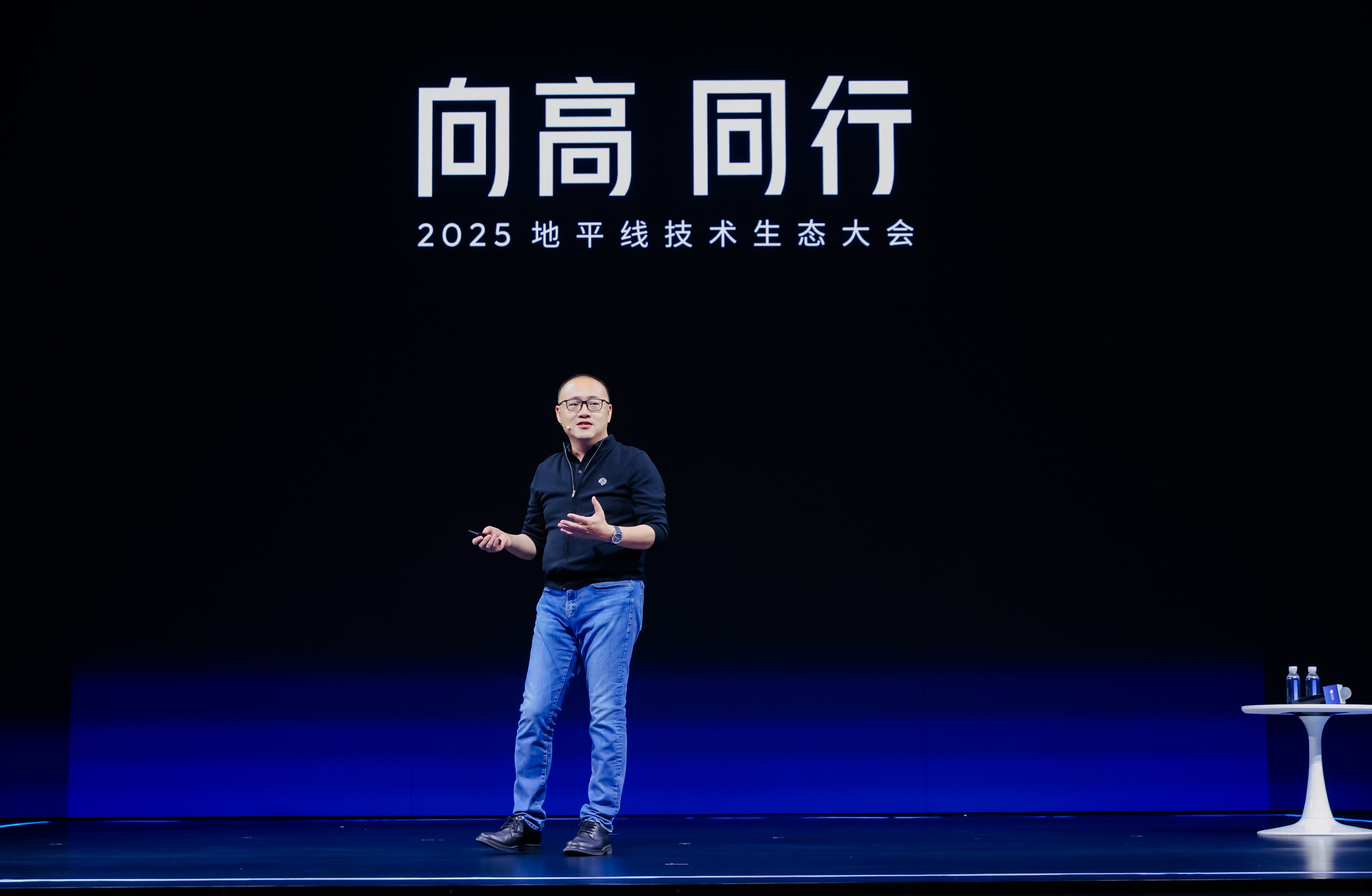
今日新闻丨特斯拉上海工厂第400万辆新车下线!地平线宣布城区辅助驾驶将普惠10万元车型!
电动车公社· 2025-12-08 16:02
Group 1 - Tesla's Shanghai Gigafactory has produced its 4 millionth vehicle, a golden Model Y L, marking a significant milestone in its production history [1][7] - The Shanghai Gigafactory has contributed nearly half of Tesla's global vehicle deliveries, establishing itself as a core pillar of Tesla's global production capacity [5][7] - The time taken to produce the last million vehicles (from 3 million to 4 million) was less than 14 months, indicating a stable ramp-up in production capacity [7] Group 2 - Horizon Robotics announced that its urban assisted driving technology will be available for vehicles priced at 100,000 yuan, expanding accessibility to advanced driving features [8][11] - The HSD product from Horizon Robotics has seen over 12,000 activations within just two weeks of its launch [9][10] - The latest smart driving chip, the fourth-generation Riemann architecture, boasts a tenfold increase in computing power, surpassing Moore's Law [10] - Horizon Robotics aims to achieve mass production of urban assisted driving systems in partnership with ecosystem partners over the next 3-5 years [11][14]


汽车产业链股拉升,菱电电控、精进电动20%涨停,斯菱股份等大涨
Zheng Quan Shi Bao Wang· 2025-04-30 06:14
Core Viewpoint - The automotive industry chain stocks experienced significant gains, driven by the Ministry of Industry and Information Technology's (MIIT) announcement of key points for automotive standardization by 2025, particularly focusing on intelligent connected vehicles [1][2] Group 1: Market Reaction - Automotive stocks surged on April 30, with notable gains including Lidian Electric Control and Jingjin Electric both hitting a 20% limit up, and other companies like Slin Technology and Jin Qilin also seeing substantial increases [1] - The MIIT's announcement has led to a positive market sentiment, with various stocks in the automotive sector responding favorably [1] Group 2: Regulatory Developments - The MIIT's guidelines emphasize the need for enhanced standards for intelligent connected vehicles, specifically in areas such as driver assistance (L2) and automated driving (L3) [1] - Key initiatives include the revision of mandatory national standards for driver assistance systems and the establishment of safety requirements for automated driving systems [1] Group 3: Industry Implications - Citic Securities notes that the regulatory clarity regarding L2 and L3 levels will lead to more standardized expressions and responsibilities among industry players [2] - Companies are expected to focus on improving product maturity and safety, with an emphasis on refining hardware and software architectures [2] - The trend towards enhanced regulation is likely to benefit the automotive intelligentization industry, with investment opportunities identified in leading manufacturers, laser radar suppliers, and testing service providers [2]


