
城市空中交通

Search documents
推动低空经济高质量发展
Xin Lang Cai Jing· 2026-02-05 19:12
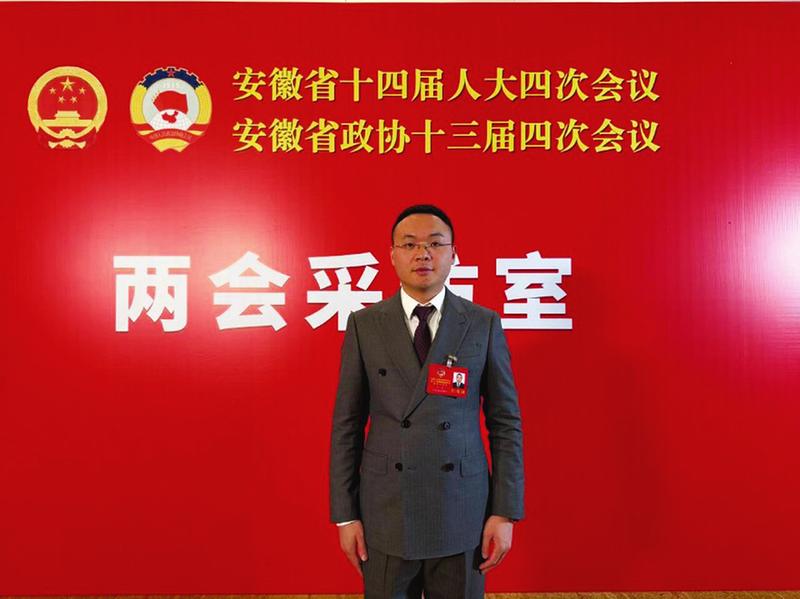
Group 1 - The new member of the Anhui Provincial Political Consultative Conference, Shi Hong, emphasizes the responsibility of promoting the low-altitude economy as a strategic emerging industry cluster in the "14th Five-Year Plan" [3][4] - Anhui Province has established an industrial spatial layout centered around Hefei and Wuhu, supported by multiple cities including Chizhou, Anqing, Liu'an, Huangshan, and Suzhou, focusing on areas such as drone logistics, urban air traffic, and emergency rescue [3] - Shi Hong identifies several constraints on the development of the low-altitude economy, including insufficient understanding of the relationship between low-altitude economy and general aviation, limited available low-altitude airspace, and challenges in the construction of take-off and landing facilities [3][4] Group 2 - Recommendations include formulating development plans for the low-altitude economy, promoting efficient use of airspace resources, and actively seeking national airspace management reform pilot programs [4] - There is a call to accelerate the construction of infrastructure networks, enhance industrial innovation and cluster competitiveness, and focus on breaking through key core technologies to build a leading, cluster-driven, and innovation-driven industrial ecosystem [4]

市人大代表赵敏建议贵阳开展城市空中交通、无人机物流配送等试运行
Sou Hu Cai Jing· 2026-01-21 07:03
"低空经济是引领未来产业变革、培育新质生产力的重要领域,对于拥有独特地理与大数据产业优势的贵阳市而言,抢抓低空经济发展机遇,对于塑造城市 发展新动能、提升综合竞争力具有重要意义。"市人大代表赵敏说。 赵敏指出,当前制约贵阳低空经济高质量发展的主要瓶颈在于体制机制层面。赵敏建议借鉴先进地区经验,以空域管理改革为突破口,以流程优化、权责重 构与数字化治理为核心手段,将分散的试点探索系统集成为可复制、可推广的制度成果与平台能力,着力构建"审批可预期、安全可核查、运营可持续、责 任可追溯"的城市级低空经济治理体系。 一方面建立健全协同管理机制,明确权责与优化流程。成立实体化运作的协调机构。设立常态化的"贵阳市低空经济发展协调领导小组"及办公室,并推动设 立军地民协同的联合办公席位。并制定出台《贵阳市低空经济协同管理工作细则》,清晰界定市发改委(统筹规划)、行业主管部门(如交通局、大数据局、文 旅局等对应场景)、各区(县)政府及园区管委会(落实建设与属地管理)的具体职责、联动机制与议事规则。推行"一站式"审批服务改革:针对企业反映强烈的 审批难题,在市政务服务中心设立"低空经济项目审批专窗"或线上统一入口。制定并公布统 ...

中央经济工作会议部署产业政策:培育新动能,深入整治“内卷”
2 1 Shi Ji Jing Ji Bao Dao· 2025-12-11 14:45
Group 1: Economic Policy Focus - The core focus of the Central Economic Work Conference is to adhere to innovation-driven development and accelerate the cultivation of new growth drivers [1][3] - The shift in policy from "leading new quality productivity development through technological innovation" to "accelerating the cultivation of new growth drivers" reflects a deeper emphasis on implementation pathways and practical results [2][4] - The conference highlights the importance of optimizing the service industry structure through a dedicated action plan, which aligns with the strategy to expand domestic demand [5][6] Group 2: Service Industry Development - The service industry is recognized for its strategic importance in the national economy, with a projected contribution of 56.7% to GDP by 2024, although structural imbalances exist [6][7] - The action plan for enhancing the service industry aims to improve service quality, thereby boosting consumer confidence and creating a virtuous cycle of service upgrades, consumption growth, and industrial expansion [7][8] - The government plans to support private capital in the production service sector, focusing on high-value service industries such as industrial design and quality certification [7][8] Group 3: Artificial Intelligence Governance - The policy regarding "Artificial Intelligence+" has evolved from "initiating actions" to "deepening and expanding" while also emphasizing the need for improved governance [8][9] - The focus on AI reflects its critical role in driving productivity across various industries, necessitating a balance between innovation and risk management [9][10] - The governance framework aims to address challenges such as data misuse and algorithmic bias, ensuring that the development of AI aligns with ethical standards and societal needs [9][10] Group 4: Competition Regulation - The conference reiterates the need for deeper regulation of "involutionary competition," transitioning from a broad initial assessment to targeted governance measures [10][11] - The establishment of a national unified market construction regulation is aimed at eliminating local protectionism and market fragmentation, which are key contributors to involutionary competition [11] - The emphasis on precise governance reflects an understanding of the complexities involved in addressing the root causes of involutionary competition, promoting high-quality development through enhanced competition standards [11]
第15届亚洲物流航运及空运会议在港举行 共探“贸易新局”
Zhong Guo Xin Wen Wang· 2025-11-18 02:53
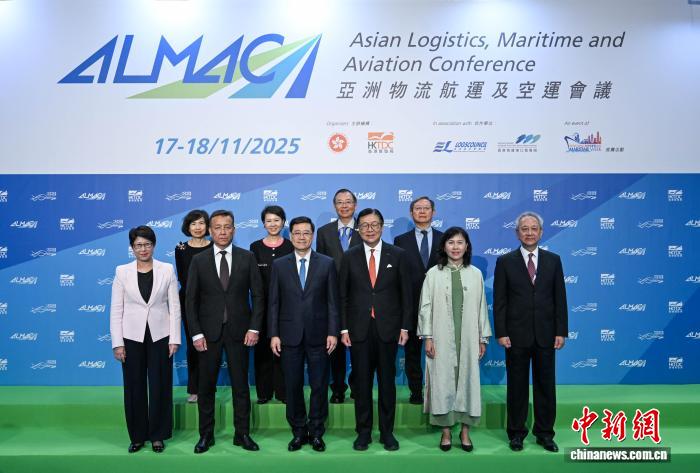
Core Insights - The 15th Asian Logistics and Maritime Conference opened in Hong Kong, focusing on "New Trade Landscape: Creating Growth Together" with over 80 speakers discussing industry trends and opportunities [1][3] Group 1: Government Initiatives - The Hong Kong government has established "partner port" relationships with ports in Guangxi, Dalian, and San Antonio, Chile [3] - Plans to develop a port community system utilizing AI and blockchain for trade digitization were announced [3] - Expansion of the low-altitude economy "regulatory sandbox" pilot project aims to enhance logistics innovation applications [3] - A roadmap for ESG (Environmental, Social, and Governance) in the logistics industry was introduced to promote sustainable development [3] Group 2: Industry Trends - The global trade network and supply chains are undergoing a structural transformation, presenting new opportunities for businesses [3] - Major economic shifts in trade policies, accelerated trade digitization, and increased demand for sustainability are influencing the logistics sector [3] - Hong Kong is positioned as a crucial hub for air and maritime logistics, enhancing its role as a "super connector" and "super value creator" [3] Group 3: Conference Activities - The conference includes a business matching segment to facilitate partnerships between cargo owners and service providers [4] - Exhibitions feature 90 exhibitors showcasing the latest logistics and supply chain solutions across various sectors, including air transport and low-altitude economy [4] - Discussions will cover key topics such as supply chain management, sustainable development, green energy, and innovative technologies [4]
“资本助力·智融低空” 2025低空经济投资与发展大会将于11月深圳举办
2 1 Shi Ji Jing Ji Bao Dao· 2025-11-13 04:19
Group 1 - The "2025 Low Altitude Economy Investment and Development Conference" will be held on November 21, focusing on the Guangdong-Hong Kong-Macao Greater Bay Area and its advantages in innovation resources, industrial chains, and active financial capital [1] - The low altitude economy in China reached a scale of 505.95 billion yuan in 2023, with a growth rate of 33.8%, and is projected to reach 1.5 trillion yuan by 2025 and 3.5 trillion yuan by 2035 [2] - Guangdong is a leading region in low altitude economy development, with over 2,000 low altitude aircraft manufacturing companies and more than 15,000 related enterprises, accounting for over 30% of the national low altitude economy industry chain [2] Group 2 - The conference will feature a roundtable discussion on the challenges and pathways for the integration of low altitude industries and financial capital, focusing on three core issues: the "light asset, high risk" nature of low altitude industries, local government strategies to leverage social capital, and commercialization points for drone logistics and urban air traffic [3] - The event will also include a specialized roadshow for high-growth innovative companies in the low altitude economy, aiming to connect projects with capital efficiently, with participation from around 20 well-known investment institutions [4] - The low altitude economy is recognized as a strategic emerging industry that requires comprehensive financial support and deep collaboration among various market entities to accelerate its commercialization and scaling [4]
上海启动低空经济会客厅 联动长三角打造“天空之城”
Huan Qiu Wang Zi Xun· 2025-07-27 16:07
Core Insights - The 2025 World Artificial Intelligence Conference's Low Altitude Economy Forum was held in Shanghai, highlighting the city's commitment to developing the low altitude economy sector [1][2] - Shanghai is positioning itself as a leader in the low altitude economy, integrating AI and new information technologies to enhance urban logistics, aerial transportation, and emergency rescue services [1] - The establishment of the Shanghai Low Altitude Economy Financial Service Alliance aims to strengthen financial support for the development of the low altitude economy in Shanghai [1] Group 1 - The Shanghai Low Altitude Economy Reception Hall will provide a one-stop service platform for enterprises in the low altitude economy sector, featuring exhibition, communication, and expansion areas [1] - The forum emphasized the importance of AI in driving the future of low altitude economy applications, with a focus on creating a "Sky City" in the Yangtze River Delta region [1][2] - Shanghai Jiao Tong University is accelerating its efforts in the low altitude economy, aiming to contribute to technological innovation, talent development, and policy enhancement [2] Group 2 - The forum was guided by the World Artificial Intelligence Conference Committee and co-hosted by Shanghai Jiao Tong University and various local government bodies [2] - The integration of AI with low altitude economy initiatives is seen as a breakthrough for efficient resource utilization in large cities [1] - Shanghai aims to become a comprehensive demonstration area for the low altitude economy industry, enhancing its core capabilities and expanding application scenarios [1]