无人机物流

Search documents
推动低空经济高质量发展
Xin Lang Cai Jing· 2026-02-05 19:12
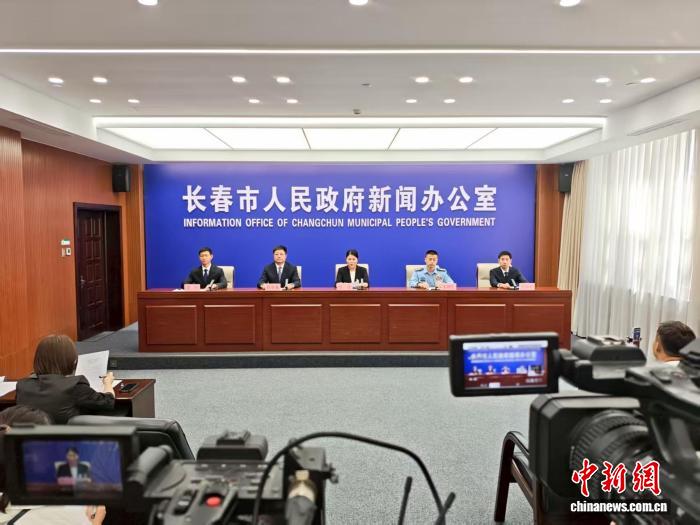
Group 1 - The new member of the Anhui Provincial Political Consultative Conference, Shi Hong, emphasizes the responsibility of promoting the low-altitude economy as a strategic emerging industry cluster in the "14th Five-Year Plan" [3][4] - Anhui Province has established an industrial spatial layout centered around Hefei and Wuhu, supported by multiple cities including Chizhou, Anqing, Liu'an, Huangshan, and Suzhou, focusing on areas such as drone logistics, urban air traffic, and emergency rescue [3] - Shi Hong identifies several constraints on the development of the low-altitude economy, including insufficient understanding of the relationship between low-altitude economy and general aviation, limited available low-altitude airspace, and challenges in the construction of take-off and landing facilities [3][4] Group 2 - Recommendations include formulating development plans for the low-altitude economy, promoting efficient use of airspace resources, and actively seeking national airspace management reform pilot programs [4] - There is a call to accelerate the construction of infrastructure networks, enhance industrial innovation and cluster competitiveness, and focus on breaking through key core technologies to build a leading, cluster-driven, and innovation-driven industrial ecosystem [4]

数十亿大动作频频!快递江湖“换轨”,巨头抢滩新战场
证券时报· 2026-01-15 11:50
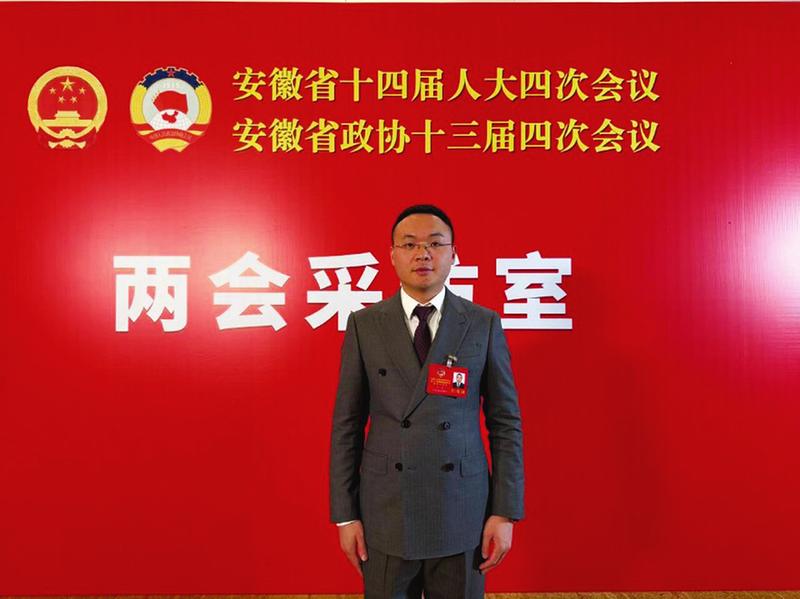
Group 1 - The logistics industry is undergoing a profound capital and industrial restructuring, with major players like SF Express and Jitu Express engaging in mutual shareholding to enhance global collaboration [1][4] - JD Logistics is advancing the privatization of Debon Logistics, marking a significant step in its integration strategy, with a focus on optimizing industry layout and increasing market concentration [3][5] - The logistics sector is shifting from scale competition to value competition, driven by capital collaboration and technological empowerment [1][6] Group 2 - SF Express and Jitu Express's partnership is seen as a strategic move to leverage each other's strengths in international and domestic markets, aiming to enhance their competitive edge in logistics [4] - JD Logistics' privatization of Debon Logistics is part of a broader strategy to resolve industry competition issues and deepen business integration [5][6] - The logistics industry is experiencing a continuous increase in concentration, with the CR8 market share reaching 87.0% as of October 2025, indicating a shift towards technology and supply chain capabilities as core competitive factors [6] Group 3 - The rise of low-altitude logistics is being driven by national policy support and the growing demand for efficient delivery solutions, prompting major logistics companies to invest in this area [7][8] - SF Express has been a pioneer in low-altitude logistics, launching its first drone logistics route and establishing a comprehensive drone logistics network [8][9] - JD Logistics is also actively developing drone logistics, focusing on remote areas and urban low-altitude logistics, enhancing its operational capabilities [9][10]




中央经济工作会议部署产业政策:培育新动能,深入整治“内卷”
2 1 Shi Ji Jing Ji Bao Dao· 2025-12-11 14:45
Group 1: Economic Policy Focus - The core focus of the Central Economic Work Conference is to adhere to innovation-driven development and accelerate the cultivation of new growth drivers [1][3] - The shift in policy from "leading new quality productivity development through technological innovation" to "accelerating the cultivation of new growth drivers" reflects a deeper emphasis on implementation pathways and practical results [2][4] - The conference highlights the importance of optimizing the service industry structure through a dedicated action plan, which aligns with the strategy to expand domestic demand [5][6] Group 2: Service Industry Development - The service industry is recognized for its strategic importance in the national economy, with a projected contribution of 56.7% to GDP by 2024, although structural imbalances exist [6][7] - The action plan for enhancing the service industry aims to improve service quality, thereby boosting consumer confidence and creating a virtuous cycle of service upgrades, consumption growth, and industrial expansion [7][8] - The government plans to support private capital in the production service sector, focusing on high-value service industries such as industrial design and quality certification [7][8] Group 3: Artificial Intelligence Governance - The policy regarding "Artificial Intelligence+" has evolved from "initiating actions" to "deepening and expanding" while also emphasizing the need for improved governance [8][9] - The focus on AI reflects its critical role in driving productivity across various industries, necessitating a balance between innovation and risk management [9][10] - The governance framework aims to address challenges such as data misuse and algorithmic bias, ensuring that the development of AI aligns with ethical standards and societal needs [9][10] Group 4: Competition Regulation - The conference reiterates the need for deeper regulation of "involutionary competition," transitioning from a broad initial assessment to targeted governance measures [10][11] - The establishment of a national unified market construction regulation is aimed at eliminating local protectionism and market fragmentation, which are key contributors to involutionary competition [11] - The emphasis on precise governance reflects an understanding of the complexities involved in addressing the root causes of involutionary competition, promoting high-quality development through enhanced competition standards [11]
卓越指数 • 2025 物流仓储暨基础设施投资发展报告
Sou Hu Cai Jing· 2025-12-03 07:03
Core Insights - The logistics and warehousing sector in China is entering a critical phase of "refined operation and value reconstruction" by 2025, focusing on sustainable development and efficiency rather than mere scale expansion [2] - The market is experiencing "structural differentiation," with varying performance across regions, necessitating a comprehensive evaluation of outstanding enterprises and projects [2] Market Overview: Supply and Demand Balance - The overall vacancy rate for high-standard warehouses increased by 0.5 percentage points to 17.8% in Q2 2025, with average rent slightly declining by 3.6% to 29.7 CNY/m²·month [3] - Some cities are witnessing growth in leasing demand due to traditional e-commerce festivals and cross-border e-commerce expansion, leading to slight rent increases and decreased vacancy rates [3] - Regions with weaker industrial foundations are facing significant downward pressure on rental rates and occupancy [3] Regional Performance - The South China region maintains a low vacancy rate of 10.6% and high rent of 37.7 CNY/m²·month, supported by strong manufacturing and cross-border logistics demand [6] - The Central and Southwest regions show decreasing vacancy rates, with Central China at 11.6% and Southwest at 12.7%, while average rents are 25.4 CNY/m²·month and 21.7 CNY/m²·month, respectively [6] - The North and East China regions face challenges with high vacancy rates of 21.4% and 21.6%, respectively, and declining rents [7] Demand Structure Changes - The logistics market is experiencing a slowdown in demand growth, with rising vacancy rates and a dynamic adjustment phase in supply and demand relationships [8] - By Q3 2025, the non-bonded high-standard warehouse market inventory reached 17.6 million square meters, with the Yangtze River Delta region dominating at 46% [8][10] - The demand structure is shifting, with cross-border e-commerce and traditional platforms maintaining high activity levels, but immediate retail e-commerce showing limited direct demand for high-standard warehouses [10] Future Supply Outlook - An estimated 18 million square meters of new non-bonded high-standard warehouse supply is expected from Q4 2025 to 2026, with significant variations across city clusters [12] - The average effective rent for high-standard warehouses is anticipated to face downward pressure due to new supply, although the decline may narrow as supply-demand relationships adjust [12] Industry Trends - The logistics industry is gradually moving towards high-quality development, with core indices showing a recovery trend despite fluctuations [13][15] - The logistics industry is experiencing a shift from "price wars" to "value wars," supported by various policies aimed at curbing unhealthy competition [17][18] Investment and Financing - The logistics sector is witnessing active investment, with a total of 748 billion CNY raised through 33 financing events from January to October 2025 [37] - The financing structure is evolving from single equity financing to a diversified system including equity, debt, and asset-backed securities (ABS) [38][39] - Significant transactions in the warehousing and logistics asset sector are enhancing resource allocation efficiency and supporting global expansion [41]

“数”读热词:从“飞起来”到“用起来” 低空经济增长态势强劲
Xin Hua Wang· 2025-11-26 08:19
Group 1 - The low-altitude economy is recognized as a strategic emerging industry and has been included in the "14th Five-Year Plan" recommendations [1] - The development of the low-altitude economy in China is showing strong growth, with applications expanding from drone delivery to emergency rescue and sightseeing [1] - The market size of China's low-altitude economy is expected to reach 3.5 trillion yuan by 2035, as reported in the "China Geographic Information Industry Development Report (2025)" [3] Group 2 - A national satellite navigation positioning benchmark network has been established, integrating 3,363 benchmark stations, which will provide high-precision Beidou navigation services for the low-altitude economy [4] - The logistics value of drones in China is projected to exceed 1 trillion yuan by 2035, with an average annual growth rate of around 20% [4] - The 2025 Hunan (International) General Aviation and Low-Altitude Economy Industry Expo opened on November 21, showcasing the industry's advancements [3][5]
低空经济市场规模2030年有望突破2万亿元
Zhong Guo Zheng Quan Bao· 2025-11-23 20:06
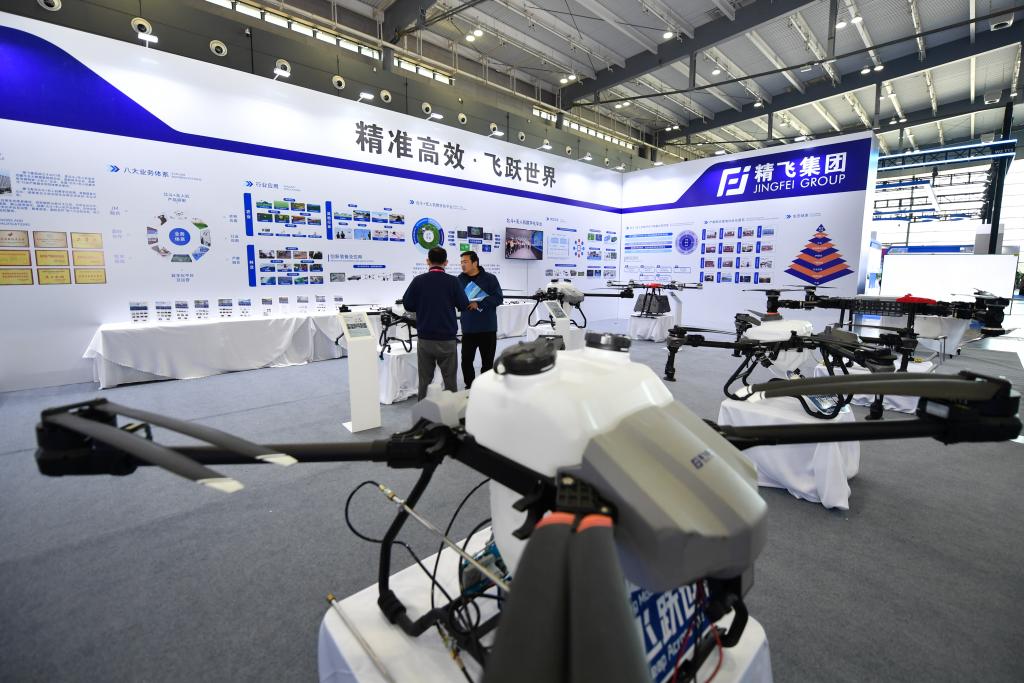
Group 1 - The low-altitude economy in China is expected to reach a market size of 1.5 trillion yuan by 2025 and is projected to exceed 2 trillion yuan by 2030, indicating strong growth momentum in the industry [1] - Currently, there are 969 companies registered in the civil unmanned aerial vehicle product information system in China, with 3,191 types of products and over 4.78 million aircraft [1] - Major cities like Shenzhen, Chengdu, and Nanchang have formed clusters in the low-altitude industry, developing new business models in areas such as drone logistics, manned travel, and low-altitude tourism [1] Group 2 - The global aviation industry is undergoing profound changes, with the integration of new energy and next-generation information technology accelerating opportunities and challenges [2] - There is a call for deepening the agglomeration development of the aviation industry, focusing on key model research to cultivate specialized enterprises and build professional aviation equipment manufacturing bases [2] - Enhancing regional collaboration, improving supply chain capabilities, and advancing digital production levels are essential for building national advanced manufacturing clusters, such as large aircraft [2]
“资本助力·智融低空” 2025低空经济投资与发展大会将于11月深圳举办
2 1 Shi Ji Jing Ji Bao Dao· 2025-11-13 04:19
Group 1 - The "2025 Low Altitude Economy Investment and Development Conference" will be held on November 21, focusing on the Guangdong-Hong Kong-Macao Greater Bay Area and its advantages in innovation resources, industrial chains, and active financial capital [1] - The low altitude economy in China reached a scale of 505.95 billion yuan in 2023, with a growth rate of 33.8%, and is projected to reach 1.5 trillion yuan by 2025 and 3.5 trillion yuan by 2035 [2] - Guangdong is a leading region in low altitude economy development, with over 2,000 low altitude aircraft manufacturing companies and more than 15,000 related enterprises, accounting for over 30% of the national low altitude economy industry chain [2] Group 2 - The conference will feature a roundtable discussion on the challenges and pathways for the integration of low altitude industries and financial capital, focusing on three core issues: the "light asset, high risk" nature of low altitude industries, local government strategies to leverage social capital, and commercialization points for drone logistics and urban air traffic [3] - The event will also include a specialized roadshow for high-growth innovative companies in the low altitude economy, aiming to connect projects with capital efficiently, with participation from around 20 well-known investment institutions [4] - The low altitude economy is recognized as a strategic emerging industry that requires comprehensive financial support and deep collaboration among various market entities to accelerate its commercialization and scaling [4]
中金深度:“十五五”投资蓝图初探
中金点睛· 2025-10-16 23:32
Core Viewpoint - The "14th Five-Year Plan" is entering a critical policy window, with increased market attention on its implications for capital markets and industry development [2][11]. Group 1: Historical Positioning of the "14th Five-Year Plan" - The "14th Five-Year Plan" is a key phase for achieving the 2035 long-term goals, bridging the previous and upcoming plans [3][12]. - It is also crucial for completing the reform tasks set by the 20th Central Committee by 2029, with over 300 important reform measures proposed [3][12]. Group 2: Important Directions for Capital Markets During the "14th Five-Year Plan" - Key areas of focus include digital technology (AI, 6G, quantum technology), space economy (low-altitude economy, commercial aerospace, deep-sea technology), high-end manufacturing (embodied intelligence, aerospace technology, solid-state batteries), domestic consumption (new consumption, quality upgrades), and healthcare (innovative drugs, high-end medical devices) [4][9]. Group 3: Capital Market Performance Characteristics During Previous Five-Year Plans - Historical data shows that A-share indices have generally risen during five-year plans, with the Shanghai Composite Index showing varied performance: -44.0%, +141.9%, +26.0%, -1.9%, and +13.3% across different plans [5]. - The "14th Five-Year Plan" period has seen a steady increase in A-share resilience and risk resistance, with a market capitalization exceeding 100 trillion yuan [5]. Group 4: Market Outlook for the "14th Five-Year Plan" - The "14th Five-Year Plan" is expected to create opportunities in the context of global monetary system restructuring, AI trends, and China's manufacturing advantages [8][9]. - The capital market is anticipated to exhibit a "long-term" and "steady" trend, supported by government emphasis on capital market development and favorable macroeconomic conditions [9]. Group 5: Industry-Specific Insights - **Digital Technology**: The AI industry is expected to accelerate, with significant advancements in AI applications and quantum technology development [18][19]. - **Space Economy**: The commercial aerospace sector, particularly satellite internet, is poised for growth, supported by government policies and technological advancements [19][20]. - **High-End Manufacturing**: The sector is expected to benefit from technological innovations and policy support, with a focus on embodied intelligence and solid-state batteries [21][24]. - **Domestic Consumption**: New consumption trends are emerging, with a shift towards personalized and quality-driven consumption patterns [25][26]. - **Healthcare**: The innovative drug and high-end medical device sectors are projected to grow significantly, driven by supportive policies and market demand [28][29].

智驭苍穹,翼展齐鲁 山东移动全面激活低空经济新动能
Qi Lu Wan Bao· 2025-09-19 06:07
Core Insights - The low-altitude economy is rapidly emerging as a trillion-level industry driven by policy guidance and technological advancements [1] - Shandong Mobile is actively participating in low-altitude planning and infrastructure development, leveraging 5G-A technology to enhance research and applications in the low-altitude economy [1][16] Low-altitude Management and Safety - Shandong Mobile has introduced a "5G-A + Airspace Intelligent Management" service system to address the challenges of managing low-altitude airspace, significantly improving response times from minutes to seconds [1][2] - The deployment of 5G-A base stations in Qingdao supports the regulation of low-altitude activities, enabling precise tracking of drones and enhancing urban management capabilities [2] Low-altitude Logistics - Low-altitude logistics is transforming the logistics industry by offering flexibility and efficiency, significantly reducing transportation times compared to traditional methods [4] - In Linyi, drones are being utilized for package delivery, demonstrating the shift towards intelligent logistics solutions [6] - A successful trial of drone delivery for medical supplies in Jining has shown a 25-minute reduction in delivery time compared to ground transport, enhancing emergency response capabilities [8] Intelligent Inspection and Maintenance - Shandong Mobile is pioneering the use of drones for infrastructure inspection, such as the G516 Victory Yellow River Bridge, achieving a 60% increase in inspection efficiency and a 5% reduction in missed detections [11] - The S309 Tian Gao Line project utilizes AI algorithms for rapid identification of road issues, reducing inspection time from one day to under two hours [13] Smart Agriculture - The low-altitude economy is revolutionizing traditional agricultural practices, improving efficiency and reducing costs through the use of drones for tasks like crop monitoring and pesticide application [15] - A comprehensive monitoring system integrating drones and satellite technology has been developed to enhance agricultural management and disaster response [15][16] Conclusion - Shandong Mobile is leveraging 5G-A technology to activate new dynamics in the low-altitude economy, contributing to high-quality development in Shandong Province [16]
长春打造国际航空博览城 抢占低空经济制高点
Zhong Guo Xin Wen Wang· 2025-09-05 08:10
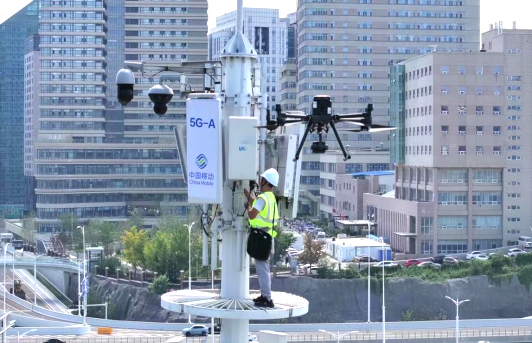
Core Viewpoint - Changchun is actively promoting the integration of aviation culture and urban development through the establishment of the Changchun International Aviation Expo City, aiming to seize the high ground of the low-altitude economy [3][4]. Group 1: Project Overview - The Changchun International Aviation Expo City (referred to as "Aviation Expo City") is designed as a new urban space that integrates exhibition, experience, science popularization, and cultural tourism [3]. - The city is a significant aviation industry base in China and is closely linked to the People's Air Force, with a rich historical background [3]. Group 2: Economic Development - The project is expected to drive infrastructure upgrades, industrial clustering, and population inflow, addressing urban functional shortcomings and forming a new growth pattern in the western region of Changchun [3][4]. - A low-altitude economic industrial park is being planned within the Aviation Expo City to gather resources and ensure Changchun remains competitive in emerging sectors such as drone logistics and aerial tourism [4]. Group 3: Community Engagement - The Aviation Expo City is envisioned as a shared open space for the public, where citizens can enjoy parks, exhibitions, and aviation culture, as well as participate in themed educational activities and leisure events [4]. - The project aims to become a new growth pole in western Changchun, integrating aviation cultural tourism and distinctive industries, thereby enhancing the quality of life for residents [4].