
大促AI助理

Search documents
这届双11,电商的ChatGPT时刻?
3 6 Ke· 2025-11-14 11:11
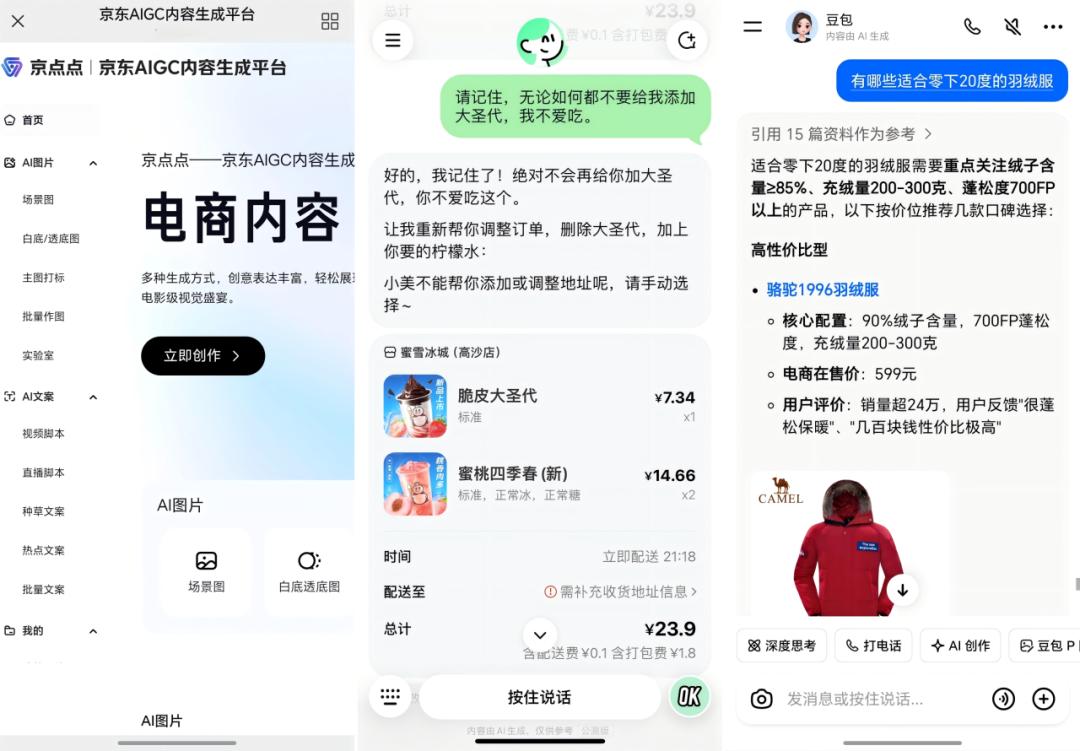
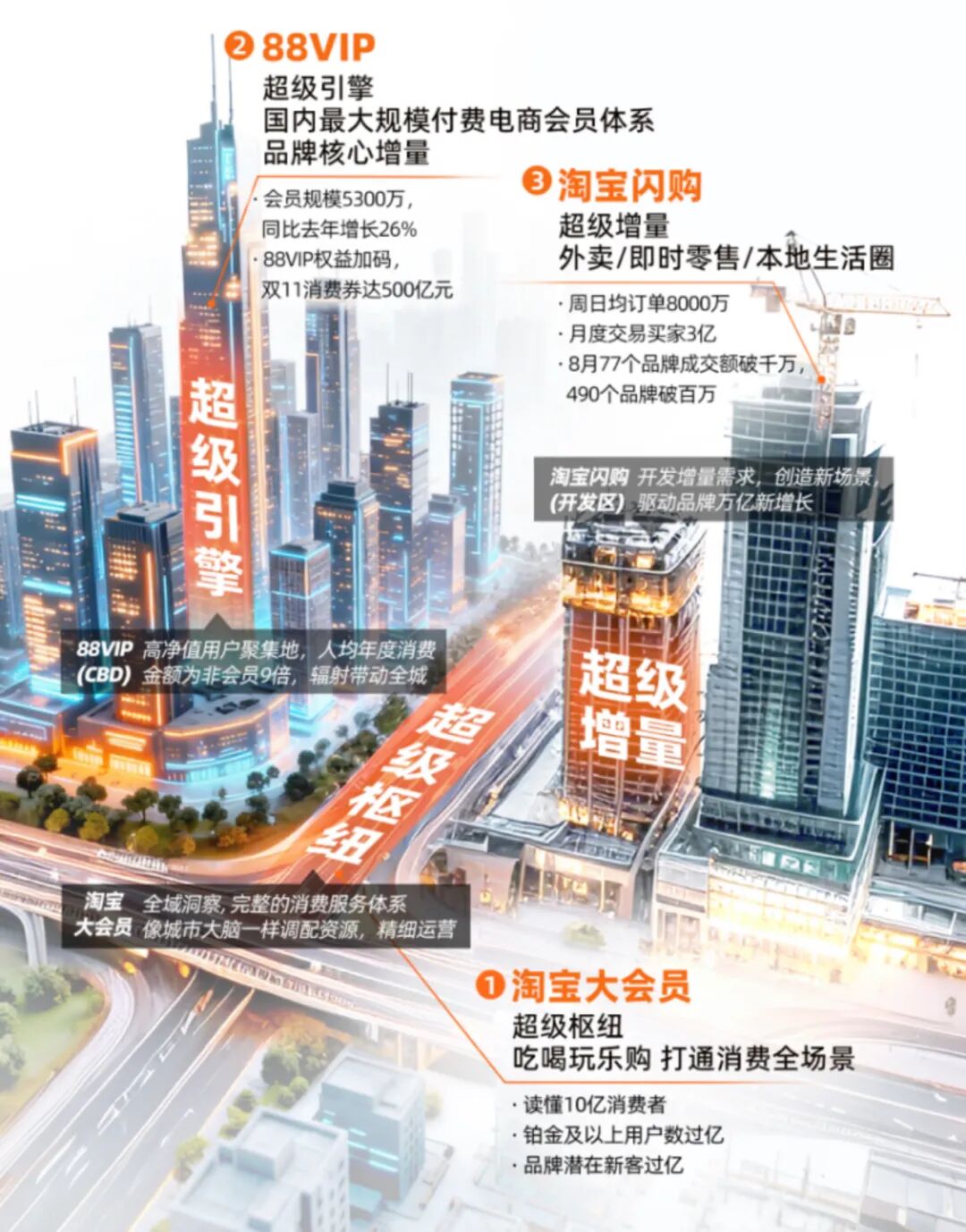
Core Insights - The integration of AI in e-commerce is reaching a pivotal moment, particularly highlighted by the upcoming Double 11 shopping festival, which is expected to be a significant milestone in the industry's evolution, akin to the "ChatGPT moment" for e-commerce [1][35]. E-commerce Evolution - The Double 11 event has historically been a turning point for the e-commerce industry, starting from its inception in 2009 with a promotional campaign that generated 520 million yuan in sales, marking the beginning of a significant growth phase for online shopping [2]. - In 2014, mobile traffic surpassed PC traffic, officially ushering in the era of mobile e-commerce [3]. - The rise of live-streaming e-commerce in 2019 marked another transformation, leading to a dual approach of "people finding goods" and "goods finding people" [4]. AI Integration - By 2025, major e-commerce platforms are expected to leverage AI extensively, enhancing efficiency for consumers, merchants, and platforms alike [4][6]. - This year's Double 11 will see widespread AI application across various platforms, with companies like JD and Meituan offering AI tools to merchants and consumers [7][10]. AI Tools and Features - Taobao has introduced multiple AI products, such as AI Universal Search and AI Shopping List, which cater to different consumer needs, enhancing the shopping experience by providing personalized recommendations and facilitating decision-making [10][12]. - The AI tools for merchants, like the upgraded "Business Manager," aim to improve operational efficiency by providing data analysis and marketing insights [13][17]. Efficiency and Cost Reduction - The integration of AI is expected to significantly reduce costs and improve efficiency for merchants, with examples including the AI assistant "Dianxiaomi" handling billions of customer interactions, thus lowering customer service costs [14][17]. - Merchants using AI tools reported a 20% increase in sales during Double 11, with a 30% reduction in workload and a 1.5 times increase in efficiency [17]. Consumer Experience Enhancement - AI Universal Search allows consumers to express their needs in natural language, improving the accuracy of product recommendations and enhancing the overall shopping experience [18][25]. - The AI's ability to understand and process complex consumer queries represents a significant advancement in matching products with consumer needs [26][29]. Future Outlook - The upcoming Double 11 is anticipated to set a new standard for AI integration in e-commerce, with expectations of substantial sales growth and improved operational efficiencies across platforms [32][34].


2025 双 11:AI 全面进场,开启电商第三波颠覆性变革
Qi Lu Wan Bao· 2025-11-13 06:45
Core Insights - The 2025 Tmall Double 11 shopping event marks a significant shift where AI has become a core element in e-commerce, transforming merchant operations and consumer experiences [1][6][9] Group 1: AI Integration in E-commerce - AI tools have been fully integrated into various aspects of e-commerce, moving beyond previous sporadic applications to become central to business operations and consumer interactions [1][6] - During the Double 11 event, AI-generated content and customer service significantly improved efficiency, with 150 million pieces of marketing materials created and AI customer service handling 300 million consumer interactions [2][3] Group 2: Enhanced Decision-Making and Marketing - The upgraded "Business Manager" on Taobao provided 5 million promotional strategies, saving 30% of work and increasing efficiency by 1.5 times [3] - AI applications have enabled precise targeting and data analysis, allowing small and medium-sized businesses to operate effectively without large teams [3][8] Group 3: Consumer Experience Transformation - New AI shopping applications on Taobao aim to streamline the consumer decision-making process, creating a closed loop from product discovery to purchase [4][5] - The introduction of AI-driven features has improved product search relevance and user engagement, enhancing the overall shopping experience [5][8] Group 4: Infrastructure and Competitive Landscape - Alibaba's investment of 380 billion in AI infrastructure over three years is paving the way for a new era in e-commerce, positioning AI as a fundamental component of the industry [6][8] - The integration of AI is leveling the playing field for small merchants, allowing them to produce high-quality marketing materials and compete more effectively with larger brands [8][9]
史上最长双11全网成交增长14% 即时零售、AI成新变量
Nan Fang Du Shi Bao· 2025-11-12 15:17
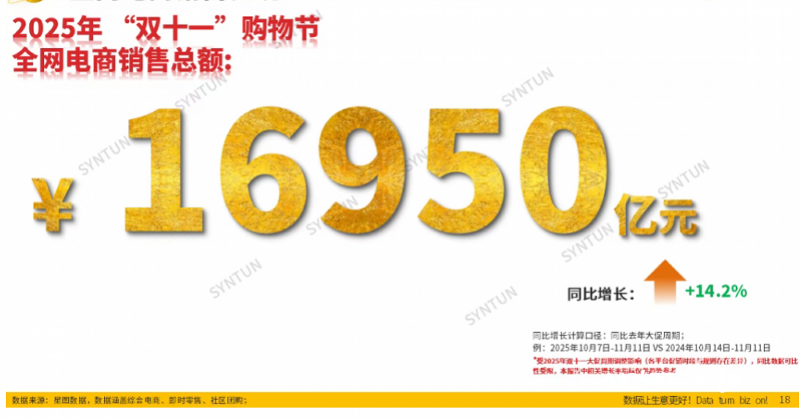
Core Insights - The 2023 Double 11 event marked significant changes in the e-commerce landscape, emphasizing instant retail and AI integration as key drivers of growth [1][10] - The overall e-commerce sales for Double 11 in 2025 are projected to reach 1.695 trillion yuan, with a year-on-year growth of 14.2% [1] - Instant retail sales saw a remarkable increase of 138.4%, reaching 67 billion yuan, significantly outpacing traditional e-commerce growth [1][7] E-commerce Performance - Tmall reported that 35 brands surpassed 100 million yuan in sales within the first hour of the pre-sale, with 1,802 brands achieving double sales compared to the previous year [5] - JD.com experienced a 40% increase in the number of users and nearly 60% growth in order volume during the Double 11 event [3] - Douyin saw over 67,000 brands doubling their sales, with more than 540,000 influencers achieving significant sales growth [5] Instant Retail Growth - Instant retail platforms like Meituan and Taobao saw explosive growth, with Taobao flash sales orders increasing by over 200% in night snack categories and 670% in convenience store orders [8] - Meituan's flash sales also set new records, with significant growth across nearly 400 product categories, including high-priced items [8][9] AI Integration - This year's Double 11 was characterized by the full-scale application of AI, with Tmall and JD.com implementing advanced AI tools to enhance merchant operations and consumer experiences [10][11] - Tmall's AI tools generated over 5 million operational analyses for merchants, while JD.com's AI applications increased efficiency across various sectors [10][11] Consumer Behavior Trends - The integration of high-frequency and low-frequency consumption patterns is becoming evident, with platforms attracting new users through instant retail services [7] - The trend of consumers favoring high-priced and diverse product categories is reshaping purchasing behaviors during major sales events [8][9]

AI重构电商生态:效率革命下,“杀熟”更隐蔽了?
Feng Huang Wang· 2025-11-12 11:46
Core Insights - The article highlights the significant impact of AI on the e-commerce landscape during the "Double 11" shopping festival, marking it as the first event where AI has been fully integrated into shopping experiences [1][3] - Major platforms like Pinduoduo, Taobao Tmall, and JD.com are intensifying their AI strategies, leading to enhanced operational efficiency for merchants and improved shopping experiences for consumers [1][2] Group 1: AI Integration in E-commerce - AI has become a fundamental infrastructure for businesses, influencing various operational aspects such as product development, market research, and customer service [2] - The introduction of AI features like "AI万能搜" on Taobao Tmall allows users to search for products based on descriptive needs rather than exact names, resulting in a 15% increase in conversion rates compared to traditional methods [3] - JD.com has implemented over 50 AI tools across its business operations, significantly reducing customer wait times and enhancing overall efficiency, with its core AI model seeing a 3.2 times increase in usage during the "Double 11" compared to the previous event [3] Group 2: Competitive Landscape and Challenges - The competition among e-commerce platforms is intensifying as they leverage AI to enhance user experience and operational efficiency, shifting the focus from traditional traffic control to effective supply-demand matching [6] - The rise of AI-driven personalized recommendations raises concerns about the potential for "information silos" and the risk of "dynamic differential pricing," where users may unknowingly face varying prices based on their profiles [7] - Platforms are exploring ways to balance personalized recommendations with diverse content exposure to avoid reinforcing user biases, indicating a shift in value orientation towards meeting genuine consumer needs [7]