奶咖

Search documents
湖南三线小城春节消费火爆,商场就餐排队两小时,部分物价堪比一线城市| 新春走基层
Hua Xia Shi Bao· 2026-02-23 23:32
Core Insights - The article highlights the vibrant consumer activity in Changde during the Spring Festival, driven by returning residents and festive spending [2][3][4] Group 1: Consumer Behavior - Changde's retail and dining sectors experienced significant foot traffic, with some restaurants reporting wait times exceeding two hours [3][4] - The local population's return during the holiday season has led to increased demand for dining and shopping, as many street-side restaurants closed for the holiday [3][4] - Coffee shops in Changde opted to remain open during the holiday, responding to high consumer demand, with some owners canceling planned vacations due to overwhelming inquiries [4][5] Group 2: Economic Indicators - The total retail sales of consumer goods in Changde are projected to reach 179.78 billion yuan by 2025, reflecting a year-on-year growth of 4.9% [2] - By 2025, urban residents in Changde are expected to have an average consumption expenditure of 33,638 yuan, while rural residents will average 23,871 yuan, indicating steady growth in consumer spending [2] - The per capita disposable income for urban residents is projected to be 45,683 yuan, and for rural residents, 25,495 yuan by 2025, with both figures showing year-on-year increases of 4.2% and 5.8% respectively [6] Group 3: Price Trends - Prices for certain consumer goods in Changde have risen to levels comparable to first-tier cities like Beijing and Shanghai, particularly in fresh produce and dining [6] - For instance, the price of strawberries reached around 40 yuan per jin, and a typical meal for two at a hotpot restaurant cost approximately 220 yuan, similar to prices in major cities [6] - The overall consumer price trend reflects a growing cost of living, with local residents noting that prices for dining and fresh produce have not significantly decreased during the holiday season [6]


菜市场里开起咖啡店 大爷大妈左手拎菜右手“拿铁”
Xin Lang Cai Jing· 2026-02-01 21:21
Core Insights - A coffee shop has opened in a newly established market in Chaoyang District, attracting a diverse range of customers, including elderly individuals who have developed a taste for coffee [1][2] Group 1: Customer Demographics - Approximately 30% to 40% of the coffee shop's customers are elderly, with some being long-time coffee drinkers and others developing a habit after trying it once [2] - The oldest customer is 85 years old, who particularly enjoys the shop's milk coffee [2] Group 2: Market Positioning - The coffee shop differentiates itself in a competitive coffee industry by leveraging its unique market setting, selling around 200 cups of coffee daily on weekends and holidays [2] - The shop aims to connect more with the market by sourcing ingredients for its products, such as hot red wine, from nearby vendors [2] Group 3: Customer Experience - The coffee shop's environment is described as welcoming, with customers enjoying coffee alongside their grocery shopping, creating a natural and relaxed atmosphere [1][2] - The shop offers a variety of beverages, including coffee, coffee beans, mulled wine, and hot chocolate, catering to different customer preferences [1]
库迪咖啡获评2025年度全球化先锋企业
Di Yi Cai Jing· 2025-12-26 09:38
Core Insights - Kudi Coffee has been recognized as a "Global Pioneer Enterprise" in the "2025 EDGE AWARDS Global Innovation Selection" for its breakthrough achievements in globalization, supply chain strength, and business innovation [1] - The company is transitioning from being a "global participant" to a "global rule contributor," leveraging its operations in 33 countries and over 18,000 stores to integrate China's manufacturing efficiency with global consumer demand [1] Group 1: Global Supply Chain and Production Capacity - Kudi Coffee is constructing a global supply chain base in Anhui, covering over 400,000 square meters, which includes green bean storage, coffee roasting, food ingredients, and packaging materials [1] - The second phase of the roasting project features four Italian Brambati 600 kg intelligent roasting machines, with an annual processing capacity of 75,000 tons of green beans, supporting a peak supply of 10 million cups per day [1] - The upcoming super factory will be the largest and most intelligent comprehensive factory in the global coffee industry, further enhancing Kudi Coffee's manufacturing capabilities [1] Group 2: Product Innovation and Market Adaptation - Kudi Coffee is expanding beyond traditional coffee products by introducing a diverse product matrix including fruit coffee, tea coffee, and milk coffee to meet the varied demands of young consumers [2] - The company emphasizes its brand philosophy that "good coffee comes from good raw materials," establishing global sourcing partnerships with coffee bean-producing regions in Colombia, Rwanda, and Uganda [2] Group 3: Brand Influence and Cultural Integration - Kudi Coffee's globalization strategy includes not just store expansion but also a comprehensive output of brand influence, moving from "product export" to "value export" through top-tier events and IP collaborations [2] - As a global sponsor of the Argentina national football team, Kudi Coffee leverages the sport's influence to reach millions of fans, while also collaborating with popular IPs like "Nezha 2" and "Detective Conan" to integrate Chinese brand concepts into overseas markets [3] - Recent collaborations with fashion designer Hubert Barrère for a Christmas-themed project have garnered recognition in both the global fashion and coffee industries, showcasing Kudi Coffee's innovative marketing strategies [3]
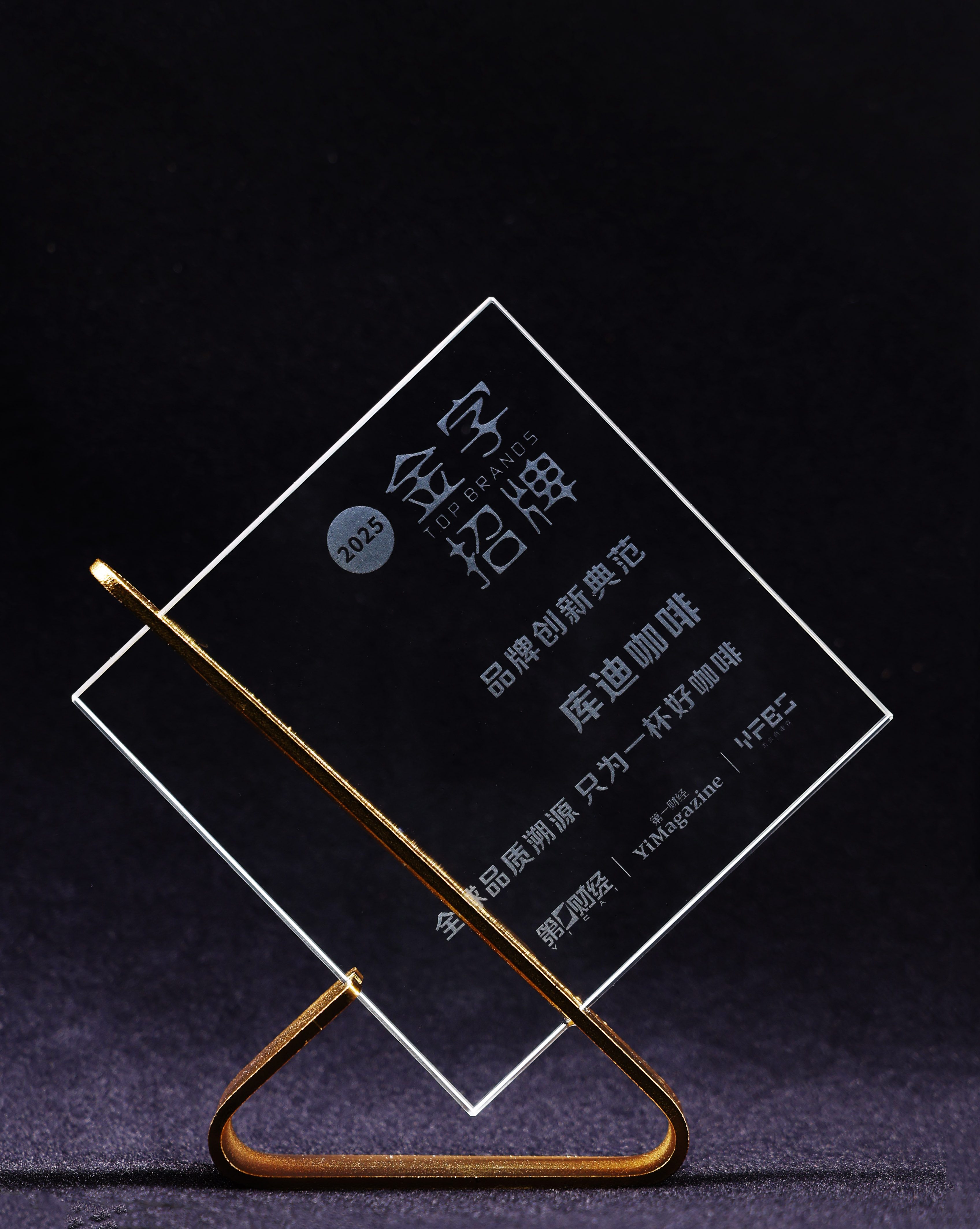
库迪咖啡获评《第一财经》杂志2025年金字招牌品牌创新典范
Di Yi Cai Jing· 2025-10-30 06:31
Core Insights - Kudi Coffee has been recognized as a "Gold Signboard" brand innovation model by "First Financial" magazine for its exceptional product quality, innovative market strategies, and broad market recognition [1][5] Brand Recognition - The "Gold Signboard" list is one of the most credible consumer market opinion surveys in China, selected by consumer votes, and has been held for 17 consecutive years [5] - Kudi Coffee's inclusion in the list demonstrates its brand strength and influence in the coffee market, with over 18,000 global stores across 33 countries and regions, ranking third among global coffee brands [5] Product Strategy - Kudi Coffee aims to make coffee enjoyment easy for users, supported by a large store network and an innovative product system that covers diverse consumption scenarios [5] - The company has introduced various flavored beverages, such as milk coffee, tea coffee, and fruit coffee, appealing to mainstream young consumers and redefining coffee consumption choices [5][6] Supply Chain and Quality - Kudi Coffee emphasizes quality through a comprehensive supply chain, establishing a global supply chain base in Anhui with over 400,000 square meters, including a super factory with a processing capacity of 75,000 tons of green beans annually [6] - The company collaborates with raw material production areas in Yunnan, Shanxi, and Rwanda to ensure high-quality supply, sourcing coffee beans from Ethiopia, Colombia, Brazil, and Yunnan, China [6] Cultural Engagement - Kudi Coffee enhances its brand image by integrating cultural elements and popular IPs, connecting with younger audiences and establishing deeper emotional links with consumers [7] - The brand's influence extends beyond coffee, collaborating with major events like the 2025 WTT China Grand Slam and the 2025 League of Legends World Championship, showcasing its recognition across various sectors [7] Future Outlook - Kudi Coffee plans to deepen its brand influence by leveraging its global supply chain and expanding its store network, aiming to create a "coffee + trendy play" ecosystem that resonates with Generation Z [8]
蜜雪冰城的选择题:幸运咖快一点 出海慢一点
3 6 Ke· 2025-08-29 02:36
Financial Performance - In the first half of 2025, the company achieved a revenue of 14.87 billion yuan, representing a year-on-year growth of 39.3% [1] - The net profit for the same period was 2.72 billion yuan, with a year-on-year increase of 44.1% [1] - The overall gross margin for the first half of 2025 was 31.6%, only a slight decrease of 0.3% compared to the previous year [2] Store Expansion - By mid-2025, the total number of global stores reached 53,014, with an increase of 9,796 stores compared to the same period last year [1] - The majority of new stores were opened in mainland China, with a net increase of 9,668 stores [1] - The growth rate of new stores in mainland China accelerated significantly, with a quarter-on-quarter increase of approximately 16% in H1 2025, compared to only 7% in H2 2024 [1] Market Strategy - The company is focusing on expanding into lower-tier cities, with nearly 60% of new stores located in third-tier cities and below [1] - The competitive landscape in the tea beverage market is intensifying, with major brands increasing their penetration into lower-tier markets [1] - The company aims to tap into approximately 30,000 township markets across the country for future store growth [1] Lucky Coffee Business - Lucky Coffee, a significant business unit, has signed over 7,000 stores as of July 2025, with a target of 10,000 stores by the end of 2025, indicating a growth rate of 150% [3] - The expansion focus has shifted towards first- and second-tier cities, with a validated profitable single-store model in first-tier cities [3] - The company leverages its scale advantage in coffee bean procurement, allowing Lucky Coffee to offer competitive pricing [4] International Operations - The number of overseas stores for the company reached 4,733 in H1 2025, showing a slight increase from 4,606 in the same period last year, but a decrease from 4,895 in H2 2024 [7] - The slowdown in overseas store growth is attributed to optimization efforts in Indonesia and Vietnam, leading to a reduction in store numbers but improved operational efficiency [7] - The company plans to enhance its global operations by training overseas staff in China and establishing a global business support center [8]
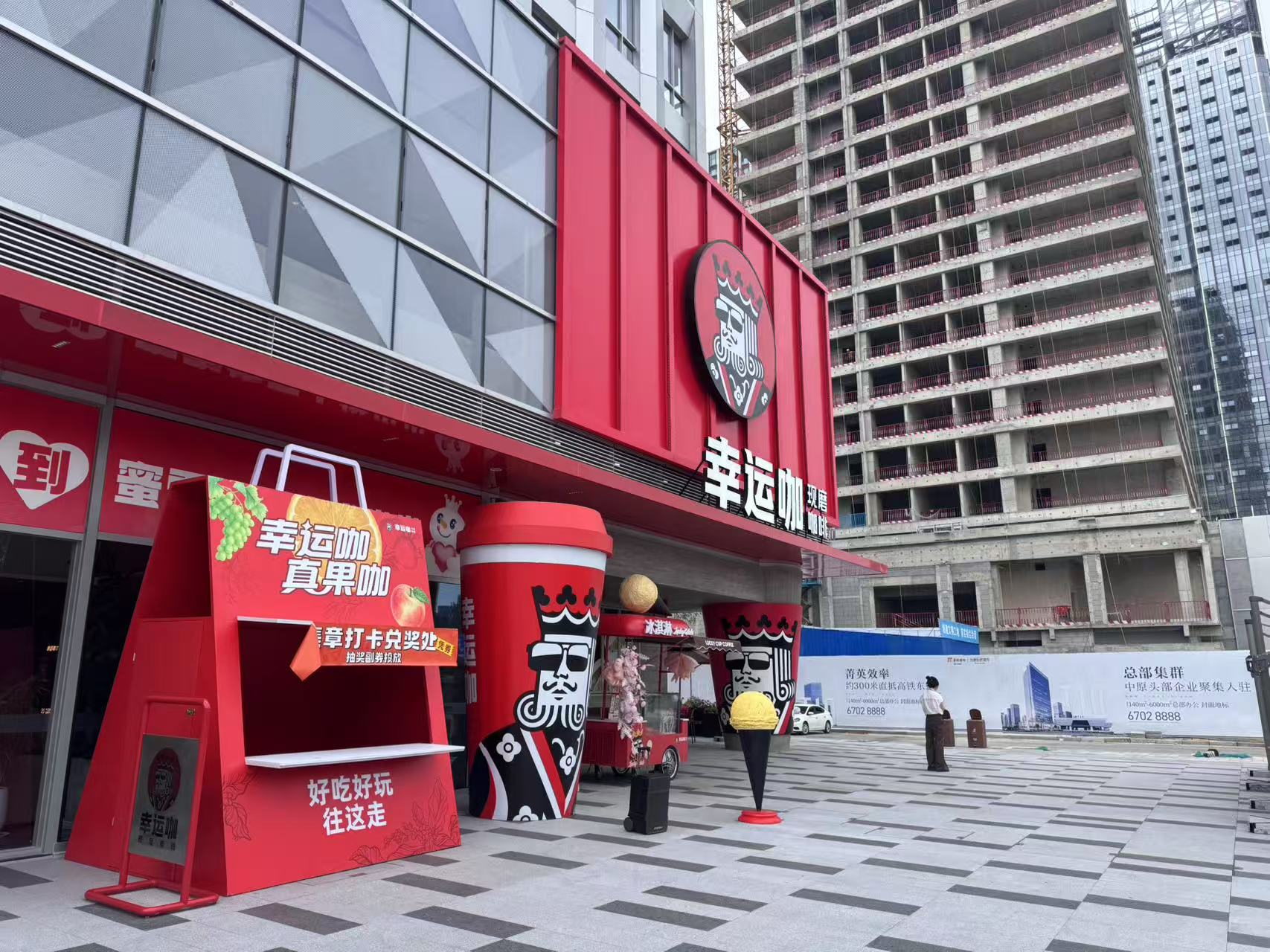
当对手都在做下沉,蜜雪冰城旗下“幸运咖”反向打入一线城市
Di Yi Cai Jing· 2025-07-26 08:03
Group 1 - The Chinese freshly brewed coffee market is experiencing rapid growth, providing significant opportunities for brands like Luckin Coffee [4] - Luckin Coffee is focusing on expanding into first and second-tier cities, aiming for a target of 10,000 stores by early 2025, with nearly 7,000 stores currently covering over 300 cities [1][3] - The brand's product pricing ranges from 6 to 8 yuan, and it has achieved profitability in first-tier cities while continuously refining its store model [1][3] Group 2 - Luckin Coffee has made substantial investments in core raw materials, directly sourcing Arabica coffee beans from regions like Brazil, Ethiopia, and Indonesia [3] - The company benefits from a strong supply chain, allowing for cost control and stable supply, particularly after signing a 4 billion yuan procurement agreement with Brazil [3] - The pricing strategy of Luckin Coffee is seen as a "thin profit, high sales" model, which may face challenges when applied to the more complex competitive landscape of first and second-tier cities [3]

我在云南建高端「咖啡庄园」,被人调侃躺着收钱
36氪· 2025-05-06 12:59
Core Viewpoint - The article highlights the growth and potential of the coffee industry in Pu'er, Yunnan, emphasizing the shift towards high-quality coffee production and tourism integration, driven by a new generation of coffee farmers known as the "third generation" [5][19][36]. Group 1: Coffee Market Dynamics - The coffee market in Pu'er is experiencing significant growth, with the price of C-type coffee futures in the US rising from 247 cents per pound in April 2024 to 340 cents per pound in April 2025, an increase of over 37% [7]. - Local coffee farmers are seeing substantial profits, with one farmer reporting a net profit of over 500,000 yuan from 100 acres of coffee land in the past year [5]. Group 2: Tourism and Coffee Experience - Coffee estates in Pu'er are evolving into integrated tourism destinations, offering experiences such as "coffee + homestay" and "coffee + culture," attracting a growing number of visitors [8][9]. - The Wild Duck Valley Coffee Estate has seen over 60,000 visitors annually, with a focus on high-end family tourism [11]. Group 3: The Role of the "Third Generation" - The "third generation" of coffee farmers, who have inherited land from their parents, are innovating by creating coffee parks and enhancing the coffee experience for tourists [8][15]. - Young farmers like Yang Hongjian and Mei Zi are investing heavily in upgrading their estates, with Mei Zi's estate planning to charge 1,200 yuan per night for accommodations [11][26]. Group 4: Historical Context and Development - The coffee industry in Pu'er has roots dating back to 1988 when Nestlé began collaborating with local farmers, leading to the establishment of a coffee cultivation and processing center in 2016 [17][26]. - As of now, Pu'er has 680,000 acres of coffee plantations and 252 coffee shops, positioning it as a significant center for coffee processing in China [19]. Group 5: Demographic Shifts and Cultural Impact - There is a notable trend of young people returning to rural areas, with a report indicating that rural returnees exceeded urban migrants for the first time in 2023 [36]. - The coffee culture is becoming more accessible to local residents, with many now enjoying coffee rather than just cultivating it [27].