
好奇号火星车

Search documents
中国有望成为首个将火星样本带回地球的国家
财联社· 2026-01-12 12:42
Core Viewpoint - NASA's Mars Sample Return mission has been canceled due to significant budget cuts, while China's Mars sample return plan is set to be implemented by 2031, potentially making China the first country to bring back Martian samples [1][2]. Group 1: NASA's Mars Sample Return Mission - The Mars Sample Return (MSR) mission was expected to answer critical questions about Mars' ancient habitability but has been hindered by budget cuts from the U.S. Congress [1]. - The estimated cost of the MSR mission rose to $11 billion but was later adjusted to approximately $7 billion, although uncertainties remain due to the unprecedented nature of the mission [1]. - NASA's Curiosity and Perseverance rovers have provided compelling evidence of Mars' past conditions that may have supported life, but further exploration requires bringing Martian rock samples back to Earth for advanced analysis [1]. Group 2: Funding and Political Factors - NASA is under immense pressure from budget cuts, which are linked to increased military spending demands from the Trump administration, raising military budgets to $1.5 trillion, a 50% increase [2]. - Political tensions between the U.S. and European nations have jeopardized NASA's collaboration with the European Space Agency (ESA) on the MSR mission, with the likelihood of future cooperation appearing slim [2]. - The cancellation of the MSR mission is a significant setback for American researchers who have invested considerable effort into the project [2]. Group 3: China's Mars Sample Return Plan - China has established a Mars sample return plan that is less complex than the U.S.-European collaboration, focusing on rapid collection and return of samples [2]. - The potential success of China's Mars sample return mission could position it as the first nation to successfully bring back samples from Mars [2].

美航天局继续尝试联络失联的火星探测器
Xin Hua She· 2025-12-16 06:31
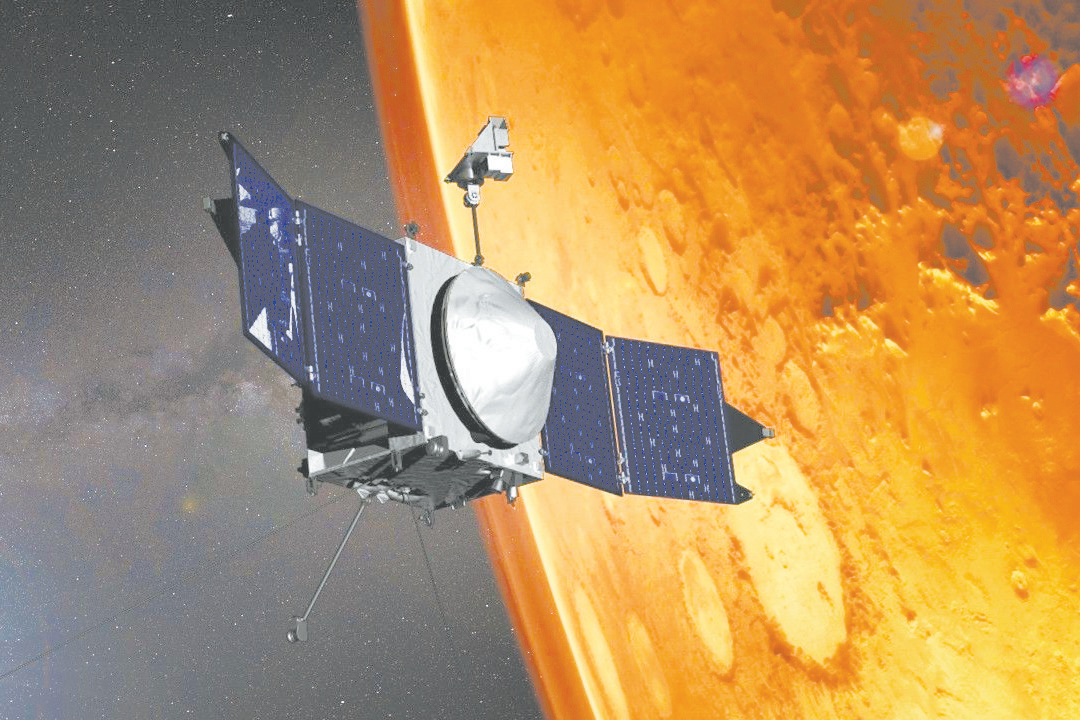
Core Viewpoint - The Mars Atmosphere and Volatile Evolution (MAVEN) spacecraft has lost contact with its ground team since December 4, and NASA is currently attempting to re-establish communication with the spacecraft [1] Group 1: Communication Issues - Since December 4, no telemetry data has been received from the MAVEN spacecraft, indicating a significant communication failure [1] - A brief segment of telemetry data from December 6 was recovered, revealing an unexpected rotation of the spacecraft after it passed behind Mars [1] - Further analysis suggests that the spacecraft's orbit may have changed, prompting the mission team to continue tracking data to determine the cause of the signal loss [1] Group 2: Impact on Other Missions - NASA is working to mitigate the impact of MAVEN's anomaly on the operational Mars rovers, Perseverance and Curiosity, which rely on four Mars spacecraft for communication relay [1] - Of the four Mars spacecraft, three are still operational and maintaining normal communication functions [1] Group 3: Mission Background - MAVEN was launched in September 2014 and has been operational in Mars orbit for over 10 years [1] - The primary objective of MAVEN is to study the upper atmosphere of Mars, its ionosphere, and the interaction with solar wind, contributing to the understanding of atmospheric escape processes [1]
NASA火星探测器“失联”,暴露超期服役隐患
Huan Qiu Shi Bao· 2025-12-14 22:36
Core Viewpoint - NASA's MAVEN spacecraft has lost contact with Earth after over 10 years in Mars orbit, raising concerns about the impact on Mars atmospheric research and the overall Mars exploration program [1][3][4] Group 1: MAVEN's Mission and Importance - MAVEN was launched in November 2013 and entered Mars orbit in September 2014, with the mission focused on studying Mars' upper atmosphere, ionosphere, and interactions with solar wind [3] - The spacecraft plays a crucial role as a communication relay for other Mars rovers, including the Perseverance and Curiosity rovers [4] Group 2: Current Status and Investigation - MAVEN lost contact with Earth on December 6, with telemetry data indicating all systems were functioning normally until it passed behind Mars [3] - NASA is currently investigating the loss of contact and working on potential solutions [3] Group 3: Implications of MAVEN's Loss - The loss of MAVEN could significantly impact ongoing research into Mars' atmosphere and climate evolution, as well as the communication capabilities for other Mars missions [4][5] - MAVEN's previous issues, including a three-month safe mode in 2022 due to an inertial measurement unit failure, highlight the systemic risks within NASA's Mars exploration program [4] Group 4: Future Considerations - NASA has been exploring next-generation orbital vehicles for Mars communication, but many plans have not materialized, with a proposed Mars Communication Orbiter project being canceled in the past [4] - The urgency for a commercial relay architecture is emphasized due to the aging fleet of Mars orbiters, which poses risks for future missions [5]
解开“火星生命之谜”还得多久?
Ke Ji Ri Bao· 2025-10-23 09:15
Core Insights - NASA's Perseverance rover has made significant discoveries that suggest the possibility of ancient microbial life on Mars, particularly in the Jezero Crater [1][2] - The findings include unique rock samples that may contain evidence of biological activity dating back 3.5 billion years [1][3] Group 1: Discovery Details - The Perseverance rover identified a rock layer called "Bright Angel" in the Nerretwa Canyon, which may have formed in a water-rich environment [2][3] - The rover found green spots, referred to as "poppy seeds," containing a phosphorus-rich mineral called blue iron ore [2][3] - The "Chiawa Falls" rock sample contains small circular structures known as "leopard spots," which are composed of iron minerals that could indicate past microbial activity [2][3] Group 2: Scientific Interpretation - Researchers are cautious in labeling these findings as definitive signs of life, preferring the term "potential biosignatures" [3][4] - The study emphasizes the need for multiple lines of evidence to confirm any signs of life, as non-biological processes could produce similar mineral formations [4][5] - The current evidence is considered indirect, and further analysis is required to establish a direct link to ancient life [3][5] Group 3: Future Exploration - Returning Martian samples to Earth is deemed crucial for validating the findings and conducting more advanced analyses [5][6] - Various countries, including China, are advancing their Mars exploration missions, with plans for sample return missions to further investigate potential life signs [6][7] - The European Space Agency's Rosalind Franklin rover is also set to join the Mars exploration efforts, highlighting the global interest in uncovering the mysteries of Martian life [7]
过去25年改变世界的25项发明
3 6 Ke· 2025-10-12 02:56
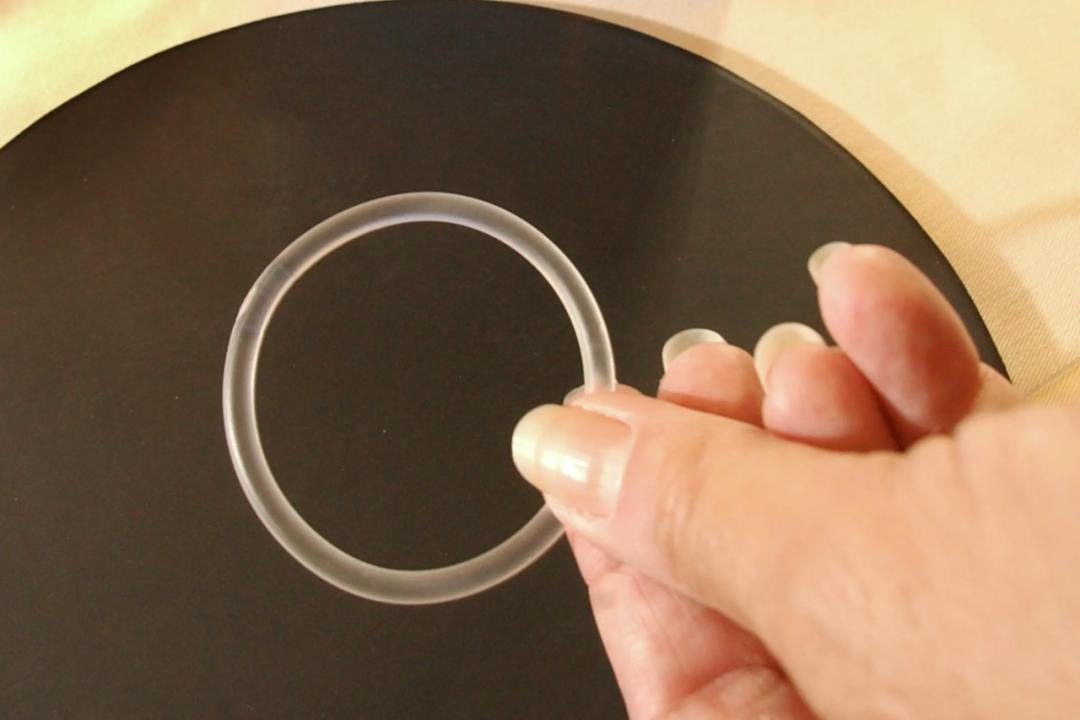
Core Insights - The article highlights the significance of innovative inventions over the past 25 years, showcasing 25 iconic inventions that have transformed various aspects of human life across multiple fields such as healthcare, digital technology, lifestyle, and exploration [1] Group 1: Healthcare Innovations - NuvaRing, introduced in 2001, expanded contraceptive options for women, with approximately 2 million prescriptions written annually in the U.S. despite past legal challenges [2] - LifeStraw, launched in 2005, is a low-cost ($3) water filtration device that prevents waterborne diseases, benefiting disaster victims and outdoor enthusiasts alike [4] - 23andMe, a personal genetic testing service from 2008, allows individuals to assess their susceptibility to over 90 traits and diseases for $399, having served over 15 million customers [6] - mRNA vaccines, developed during the COVID-19 pandemic, achieved FDA approval in December 2020, breaking previous vaccine development records [8] - Semaglutide, a drug originally for type 2 diabetes, has gained popularity as a weight loss treatment, with about 12% of Americans having tried it [10] - A groundbreaking surgery in 2024 enabled paralyzed patients to regain sensory perception through a brain-implanted microchip [12] Group 2: Digital Innovations - iRobot Roomba, introduced in 2002, revolutionized home cleaning with over 50 million units sold, making vacuuming less burdensome [14] - YouTube, launched in 2005, has grown to host over 20 million daily video uploads, becoming a platform for authentic content [15] - The iPhone, released in 2007, has sold over 3 billion units globally, marking a significant shift in personal technology [17] - Google Street View, initiated in 2007, now covers 12 million miles across 110 countries, allowing virtual exploration of cities [19] - IBM Watson, a supercomputer that gained fame in 2011, performs 800 trillion calculations per second, showcasing early advancements in AI [22] - GPT-4, released in 2023, demonstrated significant improvements in AI capabilities, surpassing 90% of law exam takers [24] Group 3: Lifestyle Innovations - Philips LED bulbs, introduced in 2009, significantly reduced energy consumption, lasting 25,000 hours and winning a $10 million award from the U.S. Department of Energy [26] - Montreal's Bixi bike-sharing system, launched in 2008, became a model for urban bike-sharing initiatives worldwide [28] - Kickstarter, established in 2010, has facilitated over $9 billion in funding for more than 286,000 projects [30] - Tesla Model S, released in 2012, showcased electric vehicles as a desirable option, with a range of 265 miles per charge [32] - Nintendo Switch, launched in 2017, has sold over 153 million units, offering versatile gaming experiences [34] - Fenty Beauty, introduced in 2017, revolutionized the cosmetics industry with 40 foundation shades, promoting inclusivity [36] Group 4: Exploration Tools - The Large Hadron Collider, operational since 2008, seeks answers to fundamental questions about the universe, including the existence of the Higgs boson [39] - The Svalbard Global Seed Vault, established in 2008, stores backup seeds from 6,000 plant species to safeguard against agricultural disasters [41] - NASA's Curiosity rover, active on Mars from 2011, has provided evidence of the planet's potential habitability [44] - The James Webb Space Telescope, launched in 2022, offers unprecedented views of the universe, costing $10 billion and taking over 20 years to complete [46] Group 5: Creative and Entertainment Innovations - Dyson's bladeless fan, introduced in 2009, provides a stylish and efficient cooling solution [48] - The Cronut, a fusion pastry created in 2013, sparked a trend in innovative food combinations [50] - Sphere, a $2.3 billion entertainment venue in Las Vegas, features the world's largest LED screen and is projected to become a top-grossing venue [52] Group 6: Innovation Trends - The article notes that innovation is not evenly distributed, with significant breakthroughs occurring during crisis periods, such as the 2008 financial crisis and the COVID-19 pandemic [54] - The cyclical nature of innovation reflects the "S-curve" of technological development, where periods of slow growth are followed by rapid advancements [54] Group 7: Conclusion - The 25 highlighted inventions illustrate the breadth and depth of human innovation, addressing real human needs and pushing civilization forward [55]
美国新一批宇航员亮相
Bei Jing Shang Bao· 2025-09-24 16:24
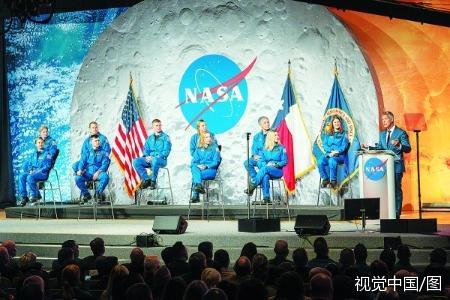
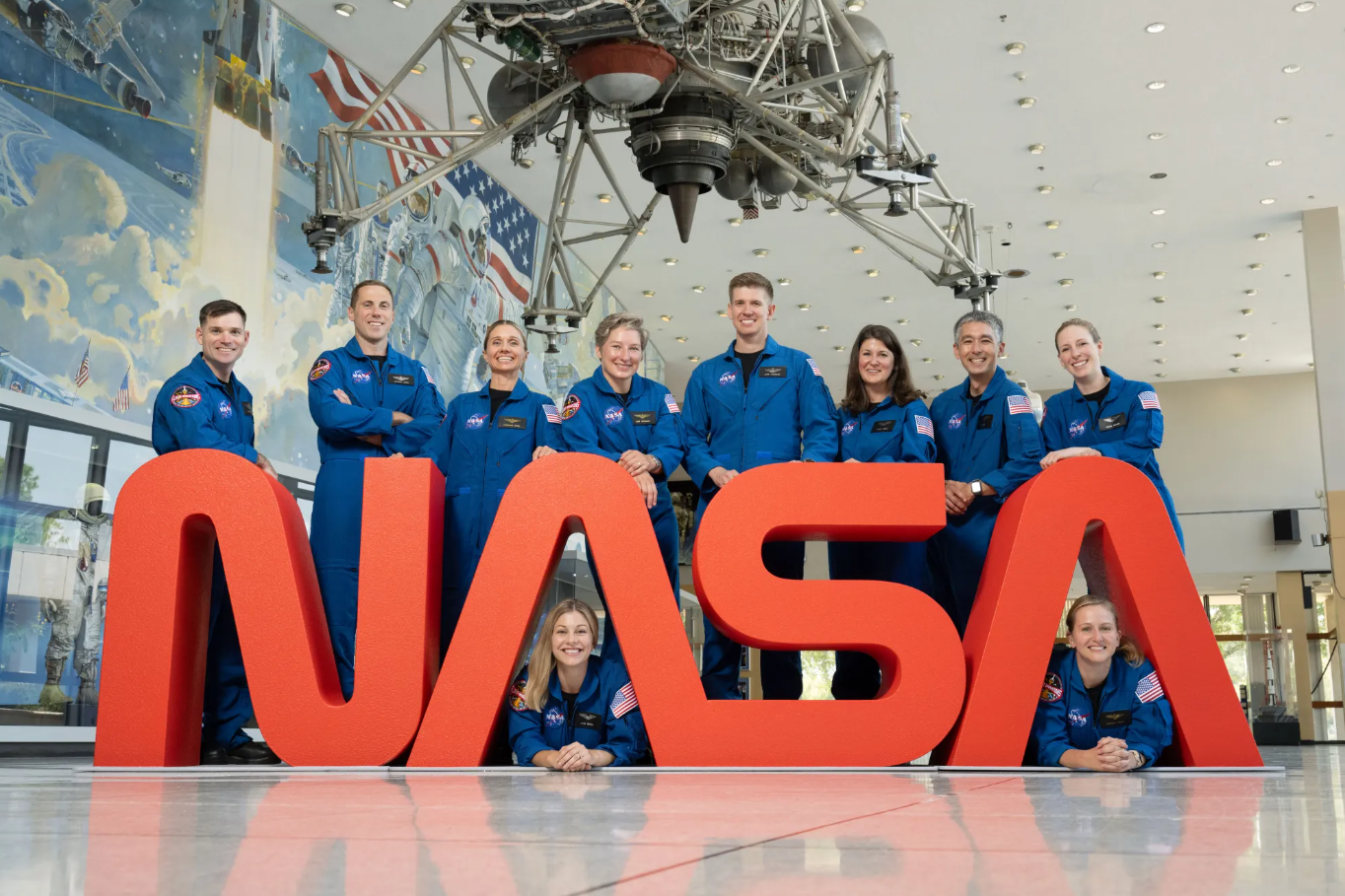
Core Points - NASA has introduced a new selection of 10 astronauts from over 8,000 applicants, marking the first time the number of women selected (6) exceeds that of men (4) [1][2] - The new astronauts may potentially be among the first Americans to land on Mars, requiring two years of training to qualify for missions [2] - Since 1959, this is the 24th group of astronauts selected by NASA, with the previous selection occurring in 2021 [2] Group 1 - A total of 370 individuals have passed NASA's astronaut selection process to date, including 41 active astronauts [3] - The selection process is described as rigorous, with officials noting that the chosen candidates are rare [4] - The new group includes a geologist involved in the Curiosity Mars rover project, an engineer from SpaceX, and several military pilots [4] Group 2 - Adam Fuhrman, a newly selected astronaut, received the call about his selection during rush hour and had to pull over to confirm the news [4] - Anna Menon, another selected astronaut, is an engineer from SpaceX and was the first person to go to space before being selected by NASA [4] - Menon's husband, Anil, was part of the previous astronaut selection and has experience in space projects as a doctor [4]
8000多人中选出10人 美国新一批宇航员亮相
Yang Shi Xin Wen· 2025-09-23 07:10
Core Points - NASA introduced a new selection of 10 astronauts from over 8,000 applicants, marking the first time the number of women selected (6) exceeds that of men (4) [2] - This selection could potentially lead to these astronauts being among the first Americans to land on Mars [2] - The new astronauts will undergo two years of training before they can qualify for missions [2] Group 1 - The new astronaut selection is the 24th since 1959, with the previous selection occurring in 2021 [2] - A total of 370 individuals have passed NASA's astronaut selection process to date, including 41 active astronauts [2] - The selection process is described as rigorous, with officials noting that selected candidates are rare [2] Group 2 - The new astronauts include a geologist who participated in NASA's Curiosity Mars rover project, an engineer from SpaceX, and several military pilots [2] - Adam Fuhrman, an Air Force major, received the call about his selection during rush hour and had to pull over to confirm the news [2] - Anna Menon, a SpaceX engineer, became the first person to go to space before being selected as a NASA astronaut, having flown on the Crew Dragon spacecraft [2] - Menon's husband, Anil, was part of the previous astronaut selection and has experience in space projects as a doctor [2]
【微特稿】8000多人中选出10人 美国新一批宇航员亮相
Xin Hua She· 2025-09-23 06:17
Core Points - NASA has selected a new group of 10 astronauts from over 8,000 applicants, marking the first time the number of women selected (6) exceeds that of men (4) [1] - This selection is part of NASA's ongoing efforts to prepare for future missions, including potential manned missions to Mars [1] - The new astronauts will undergo two years of training before they can qualify for missions, continuing a rigorous selection process that has seen only 370 individuals selected since 1959 [1] Group 1 - The new astronaut group includes individuals with diverse backgrounds, such as geologists, engineers from SpaceX, and military pilots [1] - Anna Menon, one of the selected astronauts, previously flew to space as part of SpaceX's commercial crew program, making her the first person to go to space before being selected by NASA [2] - The selection process is described as highly competitive, with officials noting that the chosen candidates are exceptionally qualified [1]