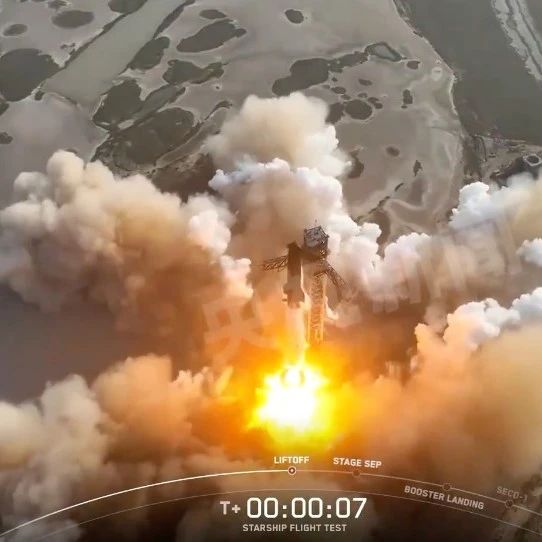
火星探索

Search documents
马斯克宣布重大调整
Guan Cha Zhe Wang· 2026-02-09 13:51
Core Viewpoint - SpaceX has shifted its focus from Mars exploration to prioritizing the construction of a self-sustaining city on the Moon, aligning with U.S. space policy under President Trump, which emphasizes lunar missions over Mars [1][4]. Group 1: Strategic Shift - Elon Musk announced on February 8 that SpaceX will pause its long-standing Mars mission plans to prioritize lunar settlement, aiming to achieve this within 10 years, while Mars colonization is projected to take over 20 years [2][3]. - Musk stated that SpaceX's mission remains to extend consciousness and life to the stars, but the Moon offers a faster path for human settlement compared to Mars [2][4]. Group 2: Timeline and Competition - SpaceX plans to initiate work on Mars city in approximately 5 to 7 years, but the immediate focus is on lunar projects due to their quicker implementation [2][3]. - The U.S. is in a competitive race with China for manned lunar landings by 2030, with the last human visit to the Moon occurring in 1972 [2][3]. Group 3: Alignment with U.S. Policy - Musk's comments reflect a broader alignment with U.S. government space policy, particularly the Artemis program, which aims for a manned lunar landing by 2028, with SpaceX as a key contractor [4][6]. - The Artemis 3 mission is scheduled for mid-2027 to achieve a manned return to the Moon, although this timeline has faced multiple delays [6][7].

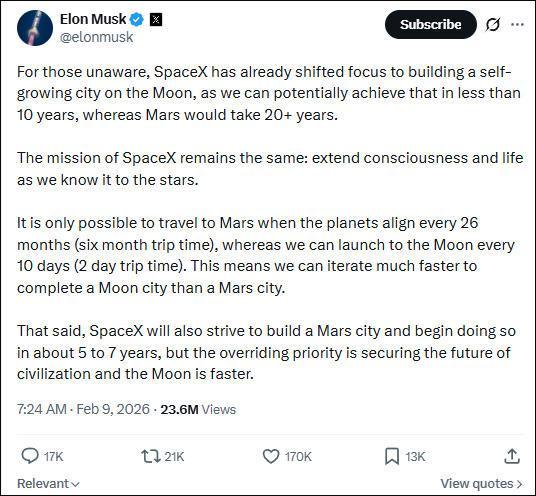
马斯克:SpaceX已将重心转移至在月球建造城市,10年内有望实现,前往火星需要20年以上
Sou Hu Cai Jing· 2026-02-09 00:44
Group 1 - The core focus of SpaceX has shifted towards building a self-sustaining city on the Moon, with a target to achieve this within 10 years, while Mars exploration is projected to take over 20 years [1][3] - SpaceX plans to prioritize lunar missions, with a target for an unmanned lunar landing in March 2027, as it has postponed its previously scheduled Mars mission [5][6] - The company is actively hiring engineers in Austin and Seattle to develop AI satellites and space data centers, indicating a strategic expansion in technology [5] Group 2 - SpaceX has received significant funding from NASA to develop a modified Starship spacecraft for lunar missions, which is a key component of NASA's Artemis program aimed at returning astronauts to the Moon [6] - The merger with Elon Musk's startup xAI has resulted in a combined company valuation of $1.25 trillion, further enhancing SpaceX's financial position [5] - SpaceX is considering an initial public offering (IPO) that could potentially launch as early as this summer [5]

SpaceX-从-变革-中崛起的-星际先行者
2026-02-05 02:21
Summary of SpaceX Conference Call Company Overview - **Company**: SpaceX - **Industry**: Commercial Space Industry Key Points and Arguments Starlink Program - The Starlink program is expected to generate revenues of $22-24 billion by 2026, significantly impacting the global communication market, especially among maritime vessels and B2B clients, demonstrating high customer retention [1][2][3] - SpaceX currently has 9,513 satellites in orbit, while China has only 1,467, indicating a dominant market position [2] Launch Cost Reduction - SpaceX has reduced launch costs to less than one-tenth of traditional rockets through the Falcon series, with Falcon 9's launch cost estimated at $1,000 to $2,000 per kilogram [1][5] - In 2025, SpaceX plans to complete 167 launches, accounting for the majority of U.S. launches [5][14] Starship Rocket Innovations - The Starship rocket is the only fully reusable two-stage rocket globally, utilizing low-cost stainless steel and optimized Raptor engines, reducing engine costs to below $500,000 [1][9][10] - The use of stainless steel allows for multiple reuses and stability in extreme temperatures, further lowering transportation costs [9] Future Goals and Market Position - Elon Musk aims to make space the most cost-effective data center within five years, addressing power and cooling challenges faced by terrestrial data centers [1][15] - SpaceX plans to dominate global orbital payloads, projecting to carry over 98% by 2027 [11] Challenges in Space Computing - Space computing centers face significant technical challenges, including heat dissipation, deployment costs, and rapid hardware iteration [19][20] - The operational cost of space data centers could be as low as 5% of terrestrial centers over ten years, presenting a compelling economic advantage [18] Lunar and Mars Exploration - NASA and SpaceX have detailed plans for lunar and Mars exploration, with NASA focusing on asset claims in space and Musk planning unmanned Mars tests by 2026 [22] - The potential value of lunar resources, such as Helium-3 and rare earth materials, is significant, with SpaceX controlling the only transport route to these resources [23] Technical and Operational Bottlenecks - Key challenges for space computing include high deployment costs, maintenance difficulties, rapid hardware obsolescence, and low data interaction rates with Earth [20][21] - The need for high-frequency orbital resupply and energy logistics is critical for successful Mars missions [24] Additional Important Insights - SpaceX's competitive advantage over domestic commercial space companies is highlighted by its mature business model, including its own satellites and rockets, and significantly lower launch costs [14] - The strategic implications of lunar resource development and Mars exploration could reshape global political dynamics, giving the U.S. a strategic edge [22][23]
中国航天追梦不停步 持续刷新人类对宇宙的认知边界
Yang Shi Wang· 2026-01-07 20:26
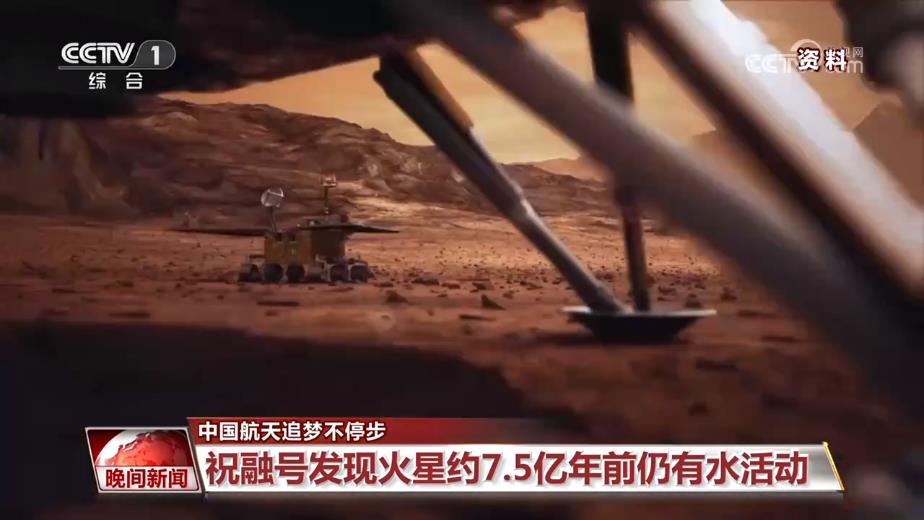
Core Insights - The past year has been significant for China's space industry, with continuous advancements in understanding the universe [1] Group 1: Mars Exploration - The Zhurong rover has discovered that significant water activity existed on Mars approximately 750 million years ago, extending the history of water on Mars by several hundred million years and providing new evidence for understanding Mars' climate evolution, geological processes, and potential habitability [3] Group 2: Space Station Developments - By 2025, the Chinese space station will have added 31 new scientific and application projects, with approximately 867.5 kilograms of scientific materials sent to space and 83.92 kilograms of scientific samples returned, resulting in over 150 terabytes of data collected [5][6] Group 3: Space Life Sciences - The first mouse space experiment on the Chinese space station has been successfully conducted, revealing behavioral changes in mice due to the microgravity environment, including initial stress and adaptation over time [7][9]
美国计划在月面部署两项科学仪器
Xin Hua She· 2025-12-05 08:33
Core Viewpoint - NASA has selected two scientific instruments for deployment by astronauts during the Artemis 4 mission, aimed at enhancing human understanding of the lunar environment and providing technical and scientific support for future lunar and Mars exploration [1] Group 1: Instrument Details - The first instrument, named "DUSTER," is a dust and plasma environment detector that will focus on studying lunar dust, which poses significant challenges for long-term lunar activities due to its strong adhesion and abrasiveness [1] - DUSTER consists of a set of instruments mounted on a small autonomous rover, designed to measure the lunar dust and plasma environment around the landing site, assessing their impact on astronaut activities and the landing and takeoff processes of landers [1] - The second instrument, "SPSS," is a lunar polar seismometer that will be used to detect the internal structure of the Moon, record the frequency of meteorite impacts, and monitor the seismic environment on the lunar surface in real-time to evaluate risks for astronauts [1] Group 2: Mission Timeline and Future Plans - Astronauts will also utilize an active seismic source device called "the impactor" to generate seismic energy for experiments aimed at probing the shallow structure near the landing site [1] - NASA has confirmed that these two scientific instruments have been selected for further development and are planned for use in the Artemis 4 mission, although the final payload arrangement is yet to be determined [1] - The Artemis 4 mission is a crewed lunar landing mission scheduled to take place no earlier than September 2028 [1]
【微特稿】8000多人中选出10人 美国新一批宇航员亮相
Xin Hua She· 2025-09-23 06:17
Core Points - NASA has selected a new group of 10 astronauts from over 8,000 applicants, marking the first time the number of women selected (6) exceeds that of men (4) [1] - This selection is part of NASA's ongoing efforts to prepare for future missions, including potential manned missions to Mars [1] - The new astronauts will undergo two years of training before they can qualify for missions, continuing a rigorous selection process that has seen only 370 individuals selected since 1959 [1] Group 1 - The new astronaut group includes individuals with diverse backgrounds, such as geologists, engineers from SpaceX, and military pilots [1] - Anna Menon, one of the selected astronauts, previously flew to space as part of SpaceX's commercial crew program, making her the first person to go to space before being selected by NASA [2] - The selection process is described as highly competitive, with officials noting that the chosen candidates are exceptionally qualified [1]
为什么说人类去火星【有去无回】?火星“骗”了人类400年!
李永乐老师· 2025-09-11 09:15
Overview of Mars - The report discusses the discovery process of Mars [1] - It also covers the parameters of Mars [1] Martian Features - The report highlights the Olympus Mons (奥林帕斯山) [1] - It also highlights the Valles Marineris (水手谷) [1] Space Exploration - The report mentions the possibility of life on Mars [1] - It also mentions the possibility of humans going to Mars, referencing the Mars One project (火星一号计划) [1] - The report touches upon the challenges of a one-way trip to Mars for humans [1] - It also mentions the Tsiolkovsky rocket equation (齐奥尔科夫斯基火箭方程) [1]

发射前30分钟叫停,SpaceX“星舰”第十次试飞再度延期
Jin Shi Shu Ju· 2025-08-25 09:46
Group 1 - SpaceX canceled the tenth launch attempt of the "Starship" due to technical issues at the launch site in Texas, which was highly anticipated to achieve several key development milestones [1][2] - The "Starship" system, including the 70.7-meter "Super Heavy" booster and the 52-meter upper rocket, was prepared for launch but faced a ground system failure approximately 30 minutes before ignition [1][2] - The company plans to attempt the launch again as early as August 25, following a series of setbacks this year, including two early flight test failures and a significant explosion during ground testing in June [2][3] Group 2 - The "Starship" project is crucial for SpaceX's future launch operations and is key to Elon Musk's ambitions for Mars exploration, despite facing multiple challenges this year [2] - The latest version of "Starship" features enhanced thrust, potentially more durable heat shields, and stronger flaps to ensure stability and safety during atmospheric re-entry [2] - The planned launch included a soft water landing experiment for the "Super Heavy" booster in the Gulf of Mexico and a test of the new heat shield and flaps during re-entry over the Indian Ocean [3]
互动实验、展品体验、趣味科普……走进科技馆 让暑假充满浓浓“科技味儿”
Yang Shi Wang· 2025-07-21 02:47
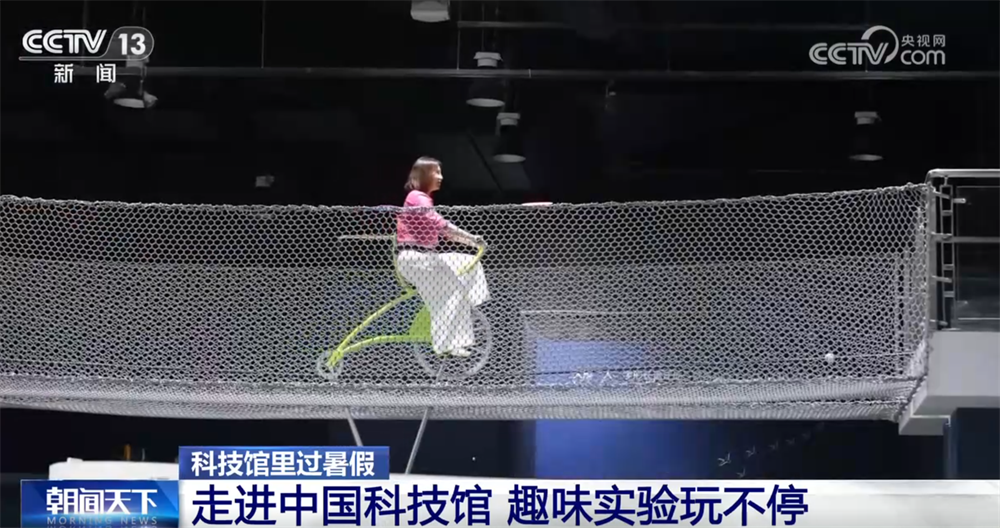
Group 1 - The article highlights the popularity of science museums among children during the summer, emphasizing the educational and entertaining aspects of these venues [1] - Various interactive activities and exhibits are designed to engage children in scientific exploration, such as the "small paper, big science" classroom that demonstrates folding techniques used in solar sails [3][8] - The China Science and Technology Museum has increased its exhibition activities during the summer, hosting over 360 educational events daily, including hands-on experiences with movable type printing and robotics [7] Group 2 - Science museums across the country are featuring cutting-edge technology themes, such as space exploration and robotics, which attract many children to participate in unique educational activities [8] - The "Let's Go Build on Mars!" exhibition in Wuhan showcases Mars' geology and development prospects through immersive design and interactive games [8][11] - In Mianyang, the Robot Innovation Museum captivates students with performances by dancing robots and AI interactive humanoid robots, enhancing their understanding of robotics and technology [13]
爆炸、失控!“星舰”第九次试飞,马斯克:较上次试飞取得重大进步
证券时报· 2025-05-28 04:49
Core Viewpoint - SpaceX's ninth test flight of the "Starship" rocket was unsuccessful, with the first stage booster exploding and the second stage spacecraft losing control, although some progress was noted compared to previous flights [2][4][5]. Group 1: Test Flight Details - The "Super Heavy" booster experienced an explosion shortly after launch, while the "Starship" spacecraft successfully entered space but failed to deploy its side hatch to release a simulated satellite [4]. - A fuel tank system leak caused the loss of control over the "Starship," leading to its expected uncontrolled descent into the Indian Ocean [4][5]. - The Federal Aviation Administration confirmed the failure of the test flight but noted that there were no injuries or damage to public property [5]. Group 2: Progress and Future Plans - Elon Musk stated that the "Starship" successfully completed its main engine shutdown procedure and made significant progress compared to the last flight, with no major heat shield tile loss during ascent [5]. - SpaceX plans to accelerate the pace of future test flights, aiming for launches every 3 to 4 weeks [5]. - The "Starship" rocket, approximately 120 meters long and 9 meters in diameter, is designed for reusability and aims to transport humans and cargo to Earth orbit, the Moon, and Mars [5]. Group 3: Mars Mission Timeline - Musk has frequently adjusted the timeline for the "Starship" Mars missions, previously stating that the first uncrewed mission could occur within five years and the first crewed mission within seven years [6]. - Musk indicated that the "Starship" could carry Tesla's humanoid robot "Optimus" to Mars by the end of 2026, with the earliest crewed mission potentially in 2029, though 2031 is more likely [5][6].