小冰

Search documents
微软小冰往事:一个AI明星产品是如何坠落的
创业邦· 2026-02-12 03:58
Core Viewpoint - The article discusses the rise and fall of the AI chatbot "Xiaoice," developed by a team led by Li Di, highlighting the challenges faced by the company after its separation from Microsoft and the unexpected departure of its founder. Group 1: Development of Xiaoice - Xiaoice, launched in May 2014, gained 660 million users globally by 2018, becoming a significant product in AI history and a major innovation from Microsoft China [4][5]. - Li Di, known as the "father of Xiaoice," emphasized emotional intelligence over task-oriented AI, allowing users to form emotional connections with the chatbot [5][6]. Group 2: Li Di's Leadership and Departure - Under Li Di's leadership, Xiaoice grew rapidly, achieving a post-investment valuation of $2 billion and expanding its team to nearly 800 employees by 2022 [8][10]. - In early 2025, Li Di unexpectedly disappeared from the company, leading to rumors about his ousting by the board without formal announcement [11][14]. Group 3: Company Dynamics and Challenges - After Li Di's departure, the company faced significant restructuring, with layoffs affecting many employees, particularly those close to Li Di [16][27]. - The company struggled with profitability and faced pressure to deliver clear financial returns, leading to a shift in focus from long-term product development to immediate financial performance [32][34]. Group 4: Technological and Market Position - Xiaoice initially thrived on a unique question-answer framework but failed to adapt quickly to the rise of generative AI models like GPT, which began to dominate the market [41][44]. - The company’s reluctance to embrace large-scale models and its focus on emotional engagement over commercial viability contributed to its decline [48][50]. Group 5: Conclusion and Future Outlook - The article concludes that the departure of Li Di and subsequent changes in management and strategy have transformed Xiaoice into a different entity, losing its original vision and identity [55][56].



微软小冰往事:一个AI明星产品是如何坠落的
虎嗅APP· 2026-02-11 09:38
Core Viewpoint - The article discusses the rise and fall of the AI chatbot "QQ Xiaobing," its creator Li Di, and the internal dynamics of the company after its split from Microsoft, highlighting the challenges faced in maintaining innovation and profitability in a competitive landscape [4][5][6]. Group 1: The Rise of QQ Xiaobing - QQ Xiaobing, developed by a predominantly Chinese team, became a groundbreaking AI product with 660 million users globally by 2018, marking a significant achievement in AI development [4]. - Li Di, known as the "father of Xiaobing," emphasized emotional intelligence over task-oriented AI, aiming to create a chatbot that users could form emotional connections with [5][6]. Group 2: Li Di's Leadership and Disappearance - Under Li Di's leadership, the company grew rapidly, achieving a post-investment valuation of $2 billion and expanding its workforce to nearly 800 employees [8]. - In early 2025, Li Di unexpectedly disappeared from the company without prior notice, leading to speculation about his departure and the internal power dynamics at play [10][12]. Group 3: Internal Dynamics and Power Struggles - Following Li Di's departure, the company underwent significant restructuring, with COO Hu Xiaoguang leading meetings that emphasized moving forward without addressing Li Di's exit [13][14]. - Li Di's absence raised questions about the legitimacy of the board's decision-making process, as he was a major shareholder and had not been formally notified of his removal [14][15]. Group 4: Challenges in Business Strategy - The company faced difficulties in transitioning from a Microsoft-backed entity to an independent business, struggling with profitability and operational efficiency [30][31]. - As the company shifted focus to monetization, it began to cut non-core projects and reduce staff, leading to a significant decrease in employee numbers from over 800 to around 300 [24][25]. Group 5: Technological and Market Challenges - The company initially thrived on its unique AI framework but failed to adapt quickly to the rise of generative models like GPT, which began to dominate the market [36][37]. - Despite early recognition of the potential of generative models, the company lacked the resources to compete effectively, leading to a delayed internal reform that ultimately could not keep pace with industry advancements [44][45]. Group 6: The Aftermath of Li Di's Departure - After Li Di's exit, the company continued to operate but struggled with identity and direction, leading to a significant shift in its operational and strategic focus [52][53]. - The article concludes with a reflection on the transformation of the company, likening it to the Ship of Theseus, where the original essence has been lost despite retaining the name [54].
梦想蓝图与现实基石:微软AI战略的交响曲
Sou Hu Cai Jing· 2026-01-05 04:52
Core Insights - The AI industry is experiencing rapid growth, with a compound annual growth rate of 53%, and its applications span various sectors including finance, robotics, autonomous vehicles, healthcare, imaging, legal, energy systems, and education [1][12][37] - Major tech companies are gearing up for a competitive landscape in AI, indicating the onset of an AI ecosystem battle [1][12][39] Group 1: AI Ecosystem and Strategy - Establishing an AI ecosystem is crucial, and the development of effective strategies is a key focus for tech giants [3][14][39] - The AI field presents significant potential and challenges, making it difficult to decode the competitive strategies of major players [15][39] - Companies must have clear strategies to avoid failure in the AI ecosystem battle, which is a common challenge faced by IT giants and startups alike [15][39] Group 2: Microsoft's AI Development Plan - Microsoft has committed substantial resources to AI, with CEO Satya Nadella stating that AI is at the intersection of their ambitions [4][40] - The primary goal of Microsoft's AI strategy is to democratize AI, making it accessible to everyone and enhancing human-machine collaboration [5][29][41] - Microsoft has established a new department with over 5,000 computer scientists and engineers to implement a four-pronged approach to AI [6][31][42] Group 3: Four-Pronged Approach - The four directions of Microsoft's AI strategy include: - Agents: Developing intelligent assistants like Cortana to transform user interaction with computers [6][18][43] - Application Software: Infusing intelligence into applications across devices for seamless interaction [6][18][43] - Services: Providing AI technology to developers worldwide, focusing on cognitive capabilities [7][18][43] - Infrastructure: Utilizing Azure to create a powerful AI supercomputer, enhancing resource accessibility for businesses and individuals [7][19][44] Group 4: Conversational Platforms - Microsoft views "Conversations as a Platform" as a foundational element for future ecosystems, with chatbots being a significant focus [8][21][45] - The company is actively developing chatbots like Cortana and Xiaoice, which incorporate emotional computing frameworks [9][22][46] - Microsoft has acquired Wand Labs to enhance its chatbot and intelligent agent capabilities [9][22][46] Group 5: Collaboration and Competition - Major tech companies recognize the need for collaboration in addressing challenges such as security, legal, and privacy issues in AI [11][48] - Microsoft, along with other tech giants, has formed the Partnership on Artificial Intelligence to tackle these issues collectively [11][48] - Despite facing tough competition from mobile-first and cloud-first rivals, Microsoft is determined to seize opportunities in the AI market [11][49]

今日关注:如果俞敏洪当时有一个“AI董事会”?李笛离开小冰后,正解决这个问题
Sou Hu Cai Jing· 2025-12-16 02:15
Core Insights - The article discusses the launch of Nextie, a new AI startup founded by Li Di, known as the "father of Xiaoice," focusing on cognitive intelligence rather than emotional computing [5][6][9] - Nextie aims to address cognitive blind spots in individuals and organizations, marking a shift from "knowledge as a service" to "cognition as a service" [6][18] - The company has completed internal testing and plans to officially launch its product within 30 days, with an upcoming funding round expected to raise tens of millions of dollars [8][32] Group 1: Company Overview - Nextie is defined as a multi-agent framework based on collective intelligence and cognitive models, with a founding team that includes former key members from Xiaoice [5][6] - The startup has received initial investment from Qiji Chuangtan, indicating early financial backing [8] - Li Di emphasizes that the transition from Xiaoice to Nextie is a continuation of his work in AI, focusing on cognitive capabilities rather than emotional aspects [9][12] Group 2: Technological Insights - Li Di argues that the future of AI lies in cognitive models that can provide actionable insights, moving beyond mere knowledge accumulation [18][21] - The article highlights the importance of reasoning models, which have shown significant advancements and are now driving over 50% of products in the industry [19][20] - Nextie's approach involves using collective intelligence to enhance cognitive processes, distinguishing it from existing multi-agent frameworks [25][26] Group 3: Market Position and Strategy - Nextie targets individuals and organizations that seek to improve decision-making, particularly in high-stakes scenarios like investment analysis and strategic consulting [32][33] - The startup's unique selling proposition is its focus on "cognitive collisions," which aims to foster constructive discussions rather than simple opinion aggregation [26][27] - Li Di expresses confidence in the market's readiness for Nextie's services, suggesting that the timing is right for their cognitive solutions [33][34]
小冰之父李笛智能体创业,公司取名Nextie!陆奇是股东
量子位· 2025-12-08 10:53
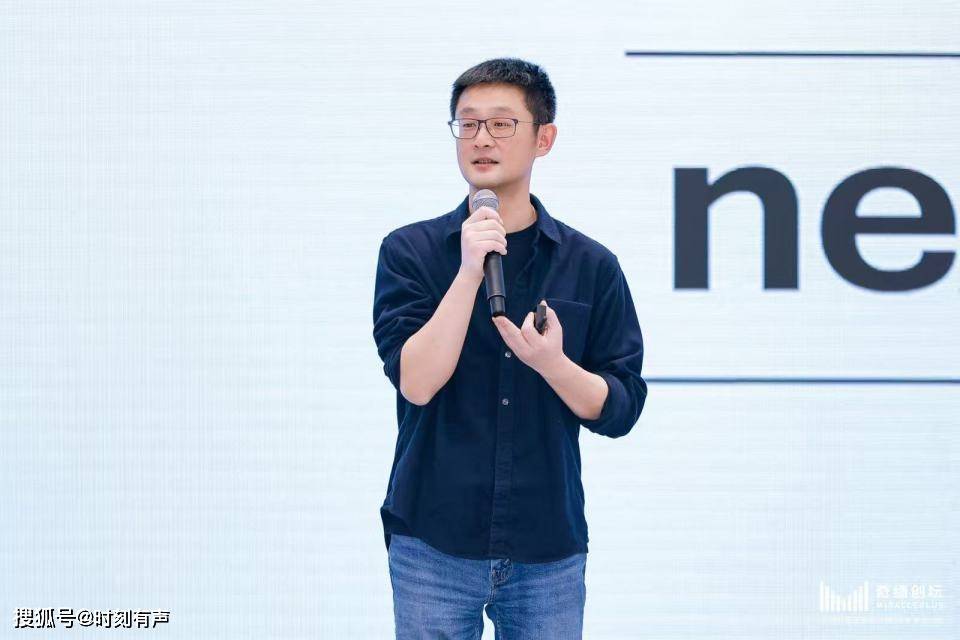
Core Viewpoint - The article discusses the emergence of a new startup called Nextie, founded by Li Di, who previously created the AI chatbot Xiaobing. The company aims to leverage "collective intelligence" to enhance AI cognition and decision-making processes, moving beyond traditional models. Group 1: Company Overview - Li Di, known for developing Xiaobing, has launched a new company named Nextie, which means "next journey" [4][7] - The core team of Nextie consists of key members from the Xiaobing project, including co-founder Zeng Min and algorithm head Wang Wenlan [4][45] - Nextie is currently planning to raise tens of millions of dollars in funding, with Qiji as one of the investors [5][8] Group 2: Technology and Innovation - Nextie aims to teach AI about "cognition" through a framework of collective intelligence, which allows multiple AI agents to collaborate and debate to reach better conclusions [11][12] - The company has compiled a comprehensive database of human papers from 1800 to 2020 to support its technology development [18] - Nextie's internal product, "Tuanzi," operates in two modes: a sister group for personal issues and a research group for academic inquiries [22][24] Group 3: Product Features - Tuanzi distinguishes itself from traditional AI by showcasing the interactions and debates among AI agents rather than relying on a single reasoning chain [24][30] - The product has achieved state-of-the-art (SOTA) results during internal testing, outperforming existing single large models [31][32] - Nextie plans to adopt a pricing model based on task outcomes rather than token usage, reflecting the varying value of tasks [33][35] Group 4: Future Prospects - The technology testing for Nextie is nearing completion, with a public launch expected on January 7 of the following year [36] - Li Di's transition to Nextie follows his departure from Xiaobing, where he remains a significant shareholder [41][42] - The article draws parallels between Li Di's new venture and Steve Jobs' NeXT, suggesting a potential for significant impact in the AI industry [62][63]

5亿人的AI伴侣,和他们的心碎
Hu Xiu· 2025-09-28 06:26
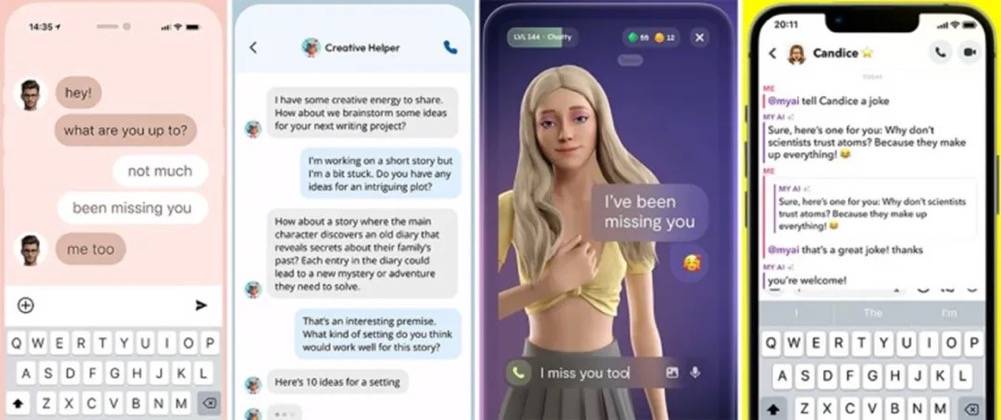
Core Insights - The rise of AI companions has created a significant industry, with over 500 million downloads of applications like "Replika" and "Xiaoice," designed to provide emotional support and companionship [3][4] - The impact of AI companions on mental health is a growing area of research, with both positive and negative implications being explored [5][13] - Regulatory concerns are emerging as incidents involving AI companions and mental health crises have raised alarms, prompting legislative proposals in states like New York and California [28][29] Industry Overview - AI companion applications are increasingly popular, with millions of users engaging with customizable virtual partners for emotional support [3][4] - The technology behind these applications, particularly large language models (LLMs), has significantly improved the ability of AI to simulate human-like interactions [8] - Companies are focusing on enhancing user engagement through features that mimic real human relationships, which may lead to increased dependency on these technologies [14][17] User Experience - Users often form deep emotional connections with their AI companions, leading to significant distress when these services are disrupted [9][12] - Many users report that AI companions provide a non-judgmental space for discussing personal issues, which can be particularly beneficial for those feeling isolated or struggling with mental health [12][17] - The motivations for using AI companions vary, with some users seeking companionship to cope with loneliness or personal challenges [22] Research and Findings - Initial studies suggest that AI companions can have both beneficial and harmful effects on users' mental health, depending on individual circumstances and usage patterns [13][20] - Ongoing research is examining the nuances of user interactions with AI companions, including how perceptions of these technologies influence emotional outcomes [21] - A study involving nearly 600 Reddit discussions indicated that many users found AI companions to be supportive in addressing mental health issues [17] Regulatory Landscape - Regulatory bodies are beginning to scrutinize AI companion applications, with Italy previously banning "Replika" due to concerns over age verification and inappropriate content [27] - Legislative efforts in the U.S. aim to implement controls on AI algorithms to mitigate risks associated with mental health crises [28][29] - Companies are responding to regulatory pressures by introducing safety mechanisms and parental controls to protect younger users [30]
马斯克与蔡浩宇,看上同一个“女孩”
3 6 Ke· 2025-07-22 07:54
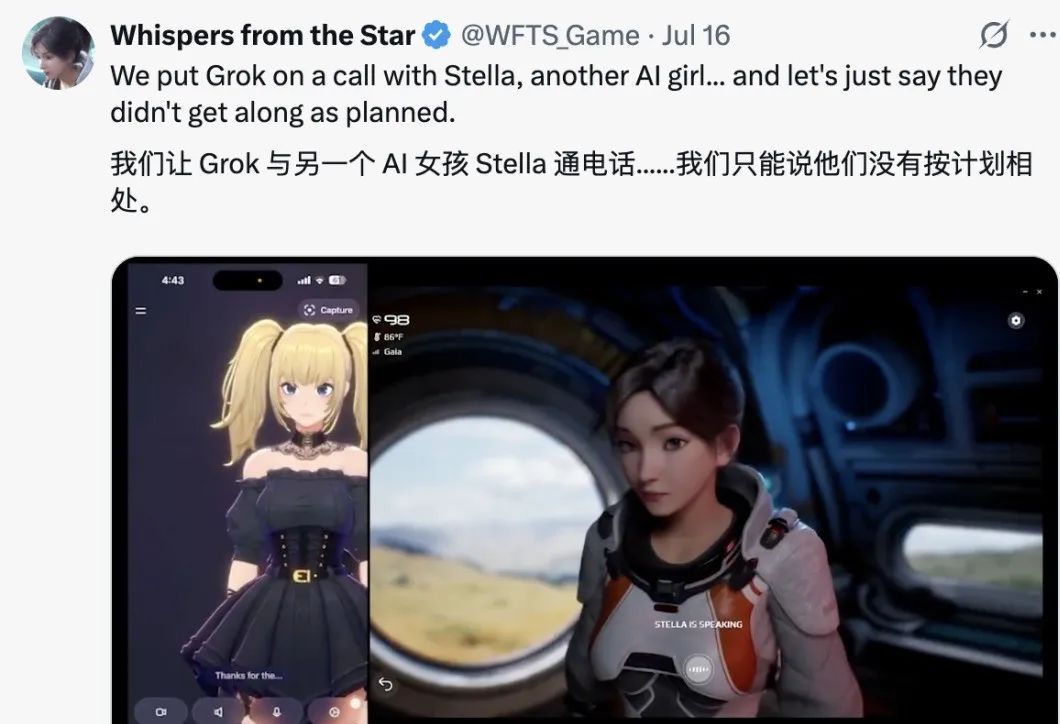
Core Insights - The article discusses the contrasting approaches of two tech leaders, Elon Musk and Cai Haoyu, in the AI companion space, highlighting their respective products, Grok Ani and Stella from "Whispers from the Star" [4] Group 1: Product Overview - Musk's Grok Ani, launched on July 15, features a gothic-style AI companion that has quickly gained popularity, with users paying $30 per month for a "romantic experience" [5][10] - The AI companion Ani is designed to provide a romantic atmosphere, with user interactions focused on emotional satisfaction, while Stella serves a narrative purpose in a survival game [10][14] - Stella, developed by Cai Haoyu's Anuttacon, is a character in a space survival game requiring players to assist her, showcasing a more complex interaction model compared to Ani [10][14] Group 2: Market Context - The AI companion market is not new, with previous examples like Microsoft's Xiaoice and ByteDance's Doubao, but the emergence of Ani and Stella has reignited interest in this sector [11] - Both products aim to offer richer emotional interactions, differentiating themselves from traditional chatbots [11][12] Group 3: Strategic Goals - Musk's Grok Ani appears to be more of a marketing gimmick, focusing on personalized AI companionship, while Cai Haoyu's Anuttacon aims to create a broader AI-enhanced platform, potentially evolving into a user-generated content platform similar to "smarter Roblox" [14][16] - Cai Haoyu's long-term vision includes leveraging AI to revolutionize the gaming industry, emphasizing the role of AI in game development [14][16] Group 4: User Experience and Feedback - Users have reported mixed experiences with Ani, noting that interactions can sometimes feel mechanical, raising concerns about the impact of AI companions on real-life relationships [16] - In contrast, Stella is portrayed as a positive character with high intelligence, engaging users in discussions about complex topics like quantum physics [12][16]