山葡萄

Search documents
新思想引领新征程丨巩固拓展脱贫攻坚成果 扎实推进乡村全面振兴
Yang Guang Wang· 2026-01-19 07:25
Group 1 - The core message emphasizes the importance of consolidating and expanding poverty alleviation achievements while effectively connecting them with rural revitalization efforts, ensuring no gaps in work or policies [1][2] - Various regions are enhancing monitoring and support mechanisms to prevent poverty recurrence, with a focus on precise assistance policies [1][2] - The tourism industry in Jinzhai County has significantly benefited from the winter sports economy, leading to increased local income and business growth [1] Group 2 - The transition period from 2021 to 2025 aims to solidify poverty alleviation results and prevent large-scale poverty recurrence, with a comprehensive safety net established to support over 7 million monitored individuals [2][3] - Agricultural sectors in various regions are thriving, with specific crops like apples and strawberries becoming key income sources for farmers, contributing to improved livelihoods [3] - Infrastructure and public service levels in poverty-stricken areas have been enhanced, with successful examples of community development and resource utilization [3][4]
山葡萄种植的多元转变
Xin Lang Cai Jing· 2025-12-24 17:47
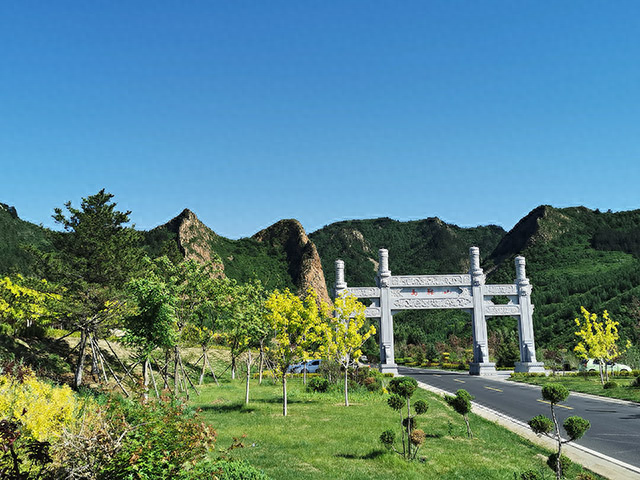
Core Viewpoint - The development of the Ma'anshan Village is characterized by a transition from a single industry model focused on mountain grape cultivation to a more integrated model that combines culture, tourism, agriculture, and commerce, leading to significant economic growth and ecological restoration [2][9]. Group 1: Agricultural Development - Mountain grape cultivation is a key industry in Ma'anshan Village, with a current scale of 3,500 acres, generating an annual income of 2,000 yuan per acre [2]. - The village has established two wine production companies, Mengye and Menghong, creating a complete supply chain from planting to sales [2][5]. - The local cooperative model has enabled farmers to benefit from higher market prices, with guaranteed purchases from contracted growers [5]. Group 2: Ecological Restoration - The village has achieved a forest coverage rate of 90.2% through extensive ecological restoration efforts, including reforestation of 3,000 acres and artificial afforestation of 1,000 acres [2]. - Ma'anshan Village has been recognized as a "National Forest Village" due to its successful ecological initiatives [2]. Group 3: Tourism and Economic Growth - In 2024, Ma'anshan Village received 430,000 tourists, generating a total income of 220 million yuan [8]. - The village has developed 12 farmhouses, each generating an annual income of approximately 300,000 yuan, and has transformed 16 houses into a street of guesthouses [8]. - The establishment of over 30 local product sales stations has facilitated the sale of more than 7,000 tons of agricultural products annually, with individual household incomes reaching 100,000 to 150,000 yuan [8]. Group 4: Community and Infrastructure Development - The village has improved its infrastructure by constructing 59.5 kilometers of roads to connect scenic spots, farmhouses, and guesthouses, enhancing accessibility for tourists [8]. - The local population of 562 has seen over 130 individuals actively engaged in the agricultural and tourism sectors, benefiting from the integrated development model [5].

产业有活力,发展增动力——中国减贫脱贫启示录③
Ren Min Ri Bao· 2025-12-08 02:57
Group 1 - The core idea emphasizes the importance of industrial development in poverty alleviation, showcasing how modern agricultural practices can significantly increase income for farmers [1][2][5] - The transformation of traditional apple orchards in Yan'an, Shaanxi, illustrates the shift from low-efficiency farming to high-value production, with a reported increase in annual output value from 140,000 yuan to 320,000 yuan [1] - The article highlights the successful cultivation of local specialties across various regions, which has led to the establishment of 2 to 3 leading industries in each of the 832 poverty-stricken counties by the end of 2024 [2] Group 2 - The establishment of effective interest linkage mechanisms is crucial for ensuring that local communities share in the benefits of industrial development, as seen in the case of the grape industry in Inner Mongolia [3] - The integration of government support and market forces is essential for enhancing the quality and efficiency of rural industries, exemplified by the development of the river snail rice noodle industry in Guangxi [4] - The article underscores the importance of continuous improvement and strengthening of rural characteristic industries to ensure sustainable poverty alleviation and broader pathways to common prosperity [5]
产业有活力,发展增动力(人民时评)
Ren Min Ri Bao· 2025-12-07 22:02
Group 1 - The core idea emphasizes the importance of industrial development as a fundamental strategy for poverty alleviation, moving away from reliance on aid to a focus on sustainable economic growth [2][4] - The transformation of traditional agriculture into modern practices is highlighted, with specific examples such as the upgrade of apple orchards in Yan'an, which increased annual output value from 140,000 yuan to 320,000 yuan [1] - The establishment of effective market mechanisms and proactive government roles is crucial for enhancing productivity and vitality in rural industries, as seen in the development of the snail rice noodle industry in Guangxi [4] Group 2 - The development of local specialties into pillar industries is essential for stimulating endogenous growth, with examples from various regions in China showcasing successful agricultural products [2][3] - The creation of benefit-sharing mechanisms, such as the "company + cooperative + base + farmer" model in Inner Mongolia, allows farmers to participate in and benefit from the value chain [3] - Continuous efforts to strengthen rural characteristic industries are necessary to ensure sustainable poverty alleviation and pave the way for common prosperity [5]
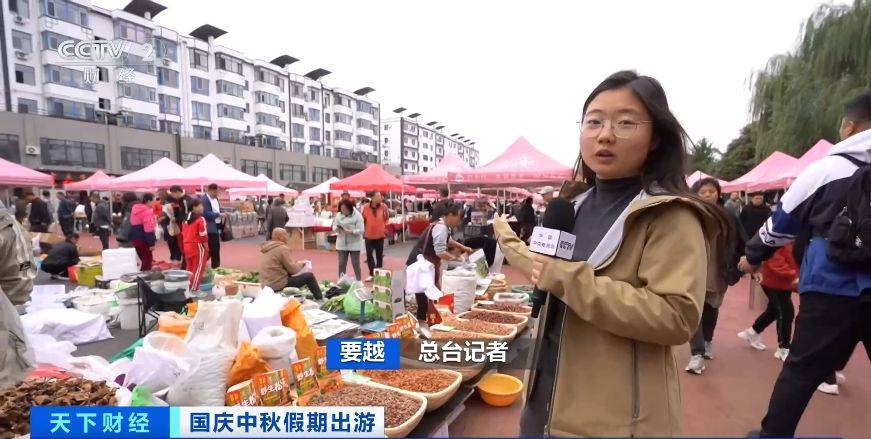
凌晨3点开市,超1000人摆摊!吉林集安早市火出圈→
Sou Hu Cai Jing· 2025-10-02 13:11
Core Insights - The early market in Jilin Ji'an has transformed from a local grocery market to a popular tourist destination, attracting 3.5 million visitors last year, making it a must-visit spot in Ji'an [1][4]. Group 1: Market Characteristics - The early market covers an area of 12,000 square meters and is divided into three sections: local specialties, food, and self-produced goods, featuring a variety of products including Ji'an white peaches and Korean ethnic delicacies like rice cakes and pickles [3]. - The market operates from 3 AM to 9:30 AM, with a significant increase in visitors during holidays, with numbers nearly tripling compared to regular days [8]. Group 2: Economic Impact - The early market supports over 1,000 vendors directly, contributing to local employment and economic activity [8]. - The market's offerings include fresh local products and unique Korean specialties, enhancing the overall tourist experience in Ji'an, as visitors can enjoy breakfast at the market before exploring local attractions [6].
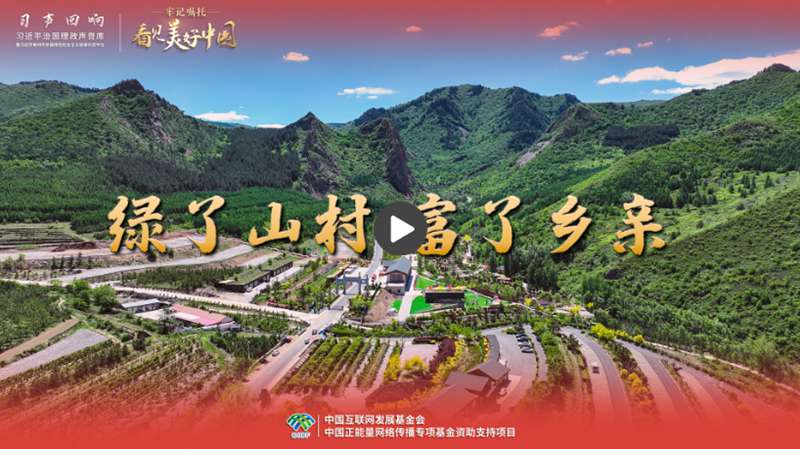
【牢记嘱托·看见美好中国】绿了山村 富了乡亲
Yang Guang Wang· 2025-08-07 12:02
Core Insights - The article highlights the transformation of Ma'anshan Village in Inner Mongolia through the development of the mountain grape industry and tourism, leading to increased income for local residents [4][5][8]. Industry Development - The establishment of a mountain grape cooperative and partnerships with wine enterprises have created a "planting + purchasing + processing" industrial chain, enhancing the sales channels for local grapes [5][6]. - Investment of 350 million yuan in a resort hotel aims to boost local tourism, integrating wedding, conference, and outdoor activities [5][6]. Economic Impact - Over half of the villagers are now engaged in mountain grape cultivation, with an average yield of about 3,000 jin (1,500 kg) per mu (0.067 hectares), generating approximately 6,000 yuan (around 850 USD) per mu [5][6]. - The average disposable income of villagers is expected to double by 2024 compared to 2019, indicating significant economic growth [8]. Employment Opportunities - The village has also developed a forest economy, with a 100-acre experimental base for cultivating mushrooms and other economic crops, providing additional employment for residents [6][8]. Tourism Growth - Local tourism has flourished, with villagers selling homemade products and crafts, contributing to the overall economic uplift and enhancing the community's quality of life [8][9].