
川剧表演

Search documents
近郊游升温 沉浸体验吸睛
Xin Lang Cai Jing· 2026-02-21 20:16
Group 1 - The core viewpoint of the articles highlights the significant increase in tourist activity in Sichuan during the Spring Festival, with A-level scenic spots receiving 4,975.64 million visitors and generating ticket revenue of 41,460.28 million yuan over the first seven days of the holiday [1][2] - The peak tourist attractions included Jiuzhaigou and Jianmen Pass, which reached maximum capacity, while Wuhou Shrine and Kuanzhai Alley ranked among the top three in visitor numbers [1] - Various immersive experiences and cultural events, such as 3D light shows and drone performances, attracted many visitors, enhancing the appeal of local tourism [1][2] Group 2 - Traditional customs and winter sports gained popularity, with events like "Seeking Horses for Blessings" and various non-heritage experiences contributing to the festive atmosphere [2] - Cultural venues such as the Sanxingdui Museum and Chengdu Museum maintained high visitor numbers, showcasing exhibitions that attracted significant crowds [2] - Ice and snow activities at venues like Dazhou and Wenchuan became popular choices for family and leisure travel, indicating a trend towards diverse recreational options [2]
36项四川非遗登上央视春晚宜宾分会场!你知道四川非遗的璀璨多姿吗?
Xin Lang Cai Jing· 2026-02-16 15:13
Core Viewpoint - Sichuan's rich intangible cultural heritage (ICH) is showcased through various traditional arts and crafts, with 9 items recognized by UNESCO as part of the "human intangible cultural heritage" list, reflecting the province's deep-rooted cultural significance and ongoing efforts in preservation and development [1][2][5]. Group 1: Recognition and Representation - Sichuan boasts 153 national-level ICH representative projects and an equal number of representative inheritors, with 9 items included in the UNESCO list, such as Tibetan opera and Sichuan shadow puppetry [1][2]. - The recognized ICH items include traditional crafts like Shu brocade and bamboo weaving, as well as performing arts and cultural practices like the Spring Festival and Qiang New Year [2][4]. Group 2: Preservation and Development Efforts - Over 20 years, Sichuan has established a comprehensive four-level catalog system for ICH, creating national and provincial cultural ecological protection experimental zones and various ICH workshops and museums [5]. - Initiatives like "ICH + poverty alleviation" and "ICH + tourism" have been implemented to promote the development of ICH while ensuring its protection [5]. Group 3: Economic Impact and Modern Integration - The economic impact of ICH is evident, with local cooperatives, such as those in embroidery and bamboo weaving, significantly increasing their revenues and providing stable incomes for local women [5]. - The integration of ICH into modern life is further enhanced by collaborations with fashion brands and the use of digital platforms for promotion, exemplified by creators like Li Ziqi [9].

千年古城焕新出彩,何以城厢?
Si Chuan Ri Bao· 2025-10-14 00:19
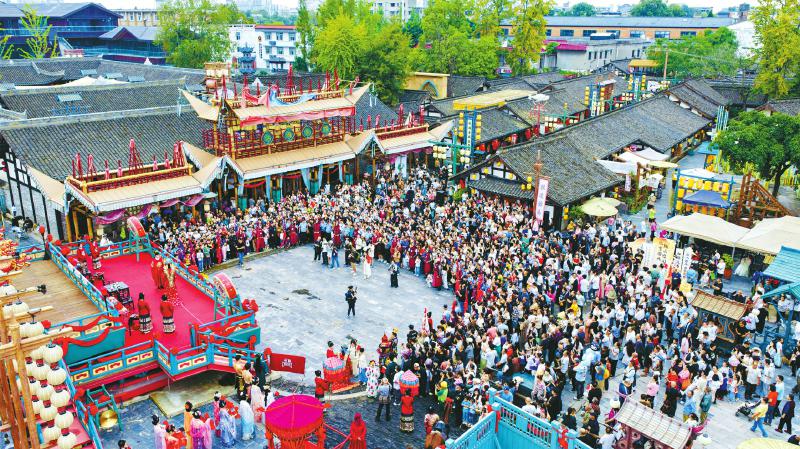
Core Viewpoint - The revitalization of Chengxiang Ancient City during the recent National Day and Mid-Autumn Festival has significantly boosted its cultural tourism market, with over 901,000 visitors recorded during the holiday period, accounting for more than 60% of the total visitors in the Qingbaijiang District [3][4]. Group 1: Cultural Heritage and Tourism Development - Chengxiang Ancient City has unveiled nearly 10 new attractions, including the Han Dynasty "Xindu City" Ruins Park, enhancing its historical significance and tourist appeal [3][4]. - The Han Dynasty "Xindu City" Ruins Park, which opened on October 1, reveals a well-preserved ancient city wall structure dating back over 2,000 years, marking a significant archaeological discovery [4]. - The Sichuan Provincial Committee emphasizes the importance of cultural heritage protection and tourism development, aiming to establish a comprehensive protection mechanism for Chengxiang Ancient City [5]. Group 2: Community Engagement and Public Services - The revitalization efforts include transforming the old West Street Granary into a community hub, providing free services and enhancing local residents' quality of life [7][8]. - Local residents are actively involved in the management and operation of the ancient city, with initiatives to create over 100 public welfare jobs prioritized for them [8]. - The ongoing development of public service facilities aims to improve education, healthcare, and cultural services, making the ancient city more attractive for residents and visitors alike [8]. Group 3: Economic Growth and Business Opportunities - The integration of cultural tourism with various industries is being promoted, creating new economic growth points through events and activities that attract visitors [10][11]. - Local businesses have reported significant increases in sales during the holiday period, with some establishments achieving sales up to three times their usual volume [11]. - The Qingbaijiang District plans to develop new cultural tourism routes that connect key historical and modern sites, enhancing the overall visitor experience and economic potential [11].
内蒙古鄂尔多斯:多彩文旅活动 美好假日生活
Nei Meng Gu Ri Bao· 2025-10-06 06:06
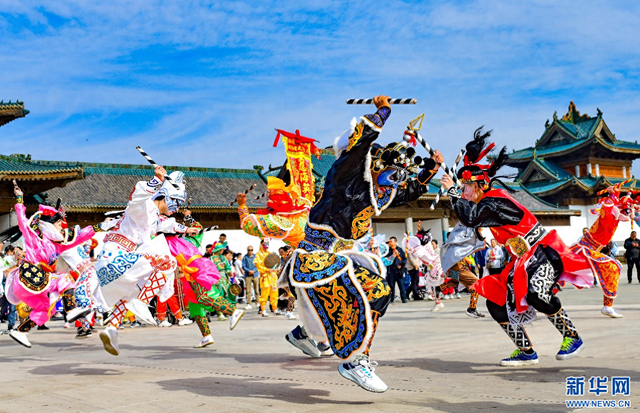
Core Viewpoint - The Erdos Cultural Industry Park in Yijinhuoluqi, Inner Mongolia, actively promotes holiday-themed tourism during the National Day and Mid-Autumn Festival, featuring a series of cultural and entertainment activities to attract visitors [1]. Group 1: Activities and Events - The park hosts the "Northern Frontier Tribute: National Trend Chapter" theme cultural tourism event, which includes intangible cultural heritage exhibitions, flower car parades, immersive performances, flash dance shows, food tasting, and traditional costume showcases [1]. - Various performances are conducted, including the immersive drama "Fengming Jiuqu" and the Chaozhou Yingge dance, which was included in the national intangible cultural heritage list in 2006 [3][11]. - Visitors can experience traditional activities such as riding in a洋车 (a type of traditional cart) and enjoy a fashion show featuring traditional Chinese attire [5][7]. Group 2: Visitor Engagement - The series of activities and events are designed to attract a large number of tourists for leisure and vacation purposes, enhancing the cultural tourism appeal of the region [1]. - The park's initiatives aim to promote local culture and heritage, thereby increasing visitor engagement and participation in traditional arts [3][11].

父亲的戏剧人生
Ren Min Ri Bao· 2025-06-22 22:10
Core Viewpoint - The article reflects on the legacy and influence of Shen Fucun, a prominent figure in Peking opera, highlighting his artistic journey, challenges, and contributions to the art form [1][2][4]. Group 1: Artistic Journey - Shen Fucun began his career in Peking opera during a time when the art form was declining, yet he managed to excel by learning from various schools and integrating different artistic elements [2][3]. - His career was marked by significant challenges, including a forced transition to different roles due to historical circumstances, yet he returned to prominence in the 1970s [2][4]. Group 2: Artistic Philosophy - Shen Fucun emphasized the importance of blending traditional and modern elements in Peking opera, aiming to attract a broader audience while maintaining the essence of the art [3][4]. - He focused on character development and emotional engagement, ensuring that performances resonated with audiences [4][6]. Group 3: Legacy and Influence - Shen Fucun's dedication to Peking opera has left a lasting impact, with his methods and philosophies influencing the next generation of performers [5][6]. - The article underscores the responsibility of continuing his legacy and the importance of preserving the art form while innovating to meet contemporary tastes [5][6].