微信输入法

Search documents
输入法“变笨”了吗?
经济观察报· 2026-01-11 07:29
Core Viewpoint - The article discusses the challenges faced by input method applications in the era of AI, highlighting user frustrations with accuracy and excessive advertisements, despite significant investments from major tech companies in enhancing these tools [2][4][14]. Group 1: User Experience Issues - Users are increasingly dissatisfied with input methods, reporting issues such as inaccurate word predictions and excessive advertisements, which detract from the overall user experience [2][4]. - A specific case is mentioned where a long-time user of Sogou Input Method uninstalled the app due to frequent incorrect suggestions, indicating a decline in basic functionality despite advanced AI features [4]. - Complaints about the voice recognition capabilities of input methods have also surfaced, with users noting that corrections often take longer than typing the text directly [4]. Group 2: AI Integration and Competition - Major input method providers, including Sogou, Baidu, and iFlytek, are engaged in a competitive race to integrate advanced AI capabilities into their products, aiming to enhance user experience and functionality [2][8][9]. - The input method market is characterized by a concentrated structure, with leading companies holding a combined market share of 84.4% as of July 2025, indicating a competitive landscape [8]. - Input methods are evolving from simple typing tools to becoming the primary interface for AI interactions, with companies aiming to position their products as essential gateways to AI capabilities [9][10]. Group 3: Commercialization and Privacy Concerns - Input methods face challenges in monetization, struggling with a "high traffic, low value" dilemma, which complicates their ability to generate revenue despite having a large user base [15][16]. - Privacy concerns are paramount, as input methods have been criticized for collecting unnecessary personal information, leading to regulatory scrutiny and the need for companies to adapt their data collection practices [16]. - Companies are implementing features that allow users to choose between different modes of data collection, balancing functionality with privacy protection [16]. Group 4: Future Directions - The future of input methods is seen as a shift towards becoming intelligent agents that can understand user intent and context, moving beyond basic text input to more complex interactions [12]. - Companies are exploring multi-modal input methods that incorporate voice, text, and images, which require sophisticated algorithms and technology to manage effectively [17].




输入法“变笨”了吗?
Jing Ji Guan Cha Wang· 2026-01-11 03:41
Core Insights - The article discusses the challenges faced by input method applications, particularly focusing on Sogou Input Method, as it approaches its 20th anniversary in 2026. Despite advancements in AI capabilities, user experience has deteriorated, leading to complaints about inefficiency and inaccuracies in word prediction and voice recognition [2][3][5]. User Experience Issues - Users express frustration over the declining accuracy of input methods, with complaints about incorrect word suggestions and excessive advertisements disrupting their experience [3][5][6]. - A long-time user of Sogou Input Method reported issues with common character suggestions, indicating a failure to learn user habits despite repeated corrections [4][5]. AI Integration and Competition - Major input method companies, including Tencent's Sogou, Baidu, and iFlytek, are engaged in a competitive race to integrate advanced AI features into their products, aiming to enhance user experience and functionality [3][9][10]. - The input method market is characterized by a concentrated structure, with leading companies holding a combined market share of 84.4% as of July 2025, indicating a fierce competition for user engagement and AI capabilities [9]. Future Development Goals - Sogou Input Method aims to evolve into a "super entrance" for AI, allowing users to interact with AI agents through the input method, which is seen as a key direction for future development [10][11]. - Baidu Input Method also seeks to position itself as a reliable smart entry point for user expression, leveraging AI to enhance communication and collaboration [11][12]. Commercialization Challenges - Input methods face a "high traffic, low value" monetization dilemma, struggling to effectively convert user engagement into revenue [16][17]. - Privacy concerns have led to increased scrutiny and regulatory challenges, prompting companies to adapt their data collection practices to ensure user safety and compliance [18][19]. Technological Limitations - Despite advancements in AI algorithms, challenges remain in accurately understanding user intent, particularly in word prediction, due to the variability in user language habits and the quality of training data [13][19]. - The complexity of multi-modal interactions, where users input data through various means, requires sophisticated algorithms and technology to ensure seamless processing [19].
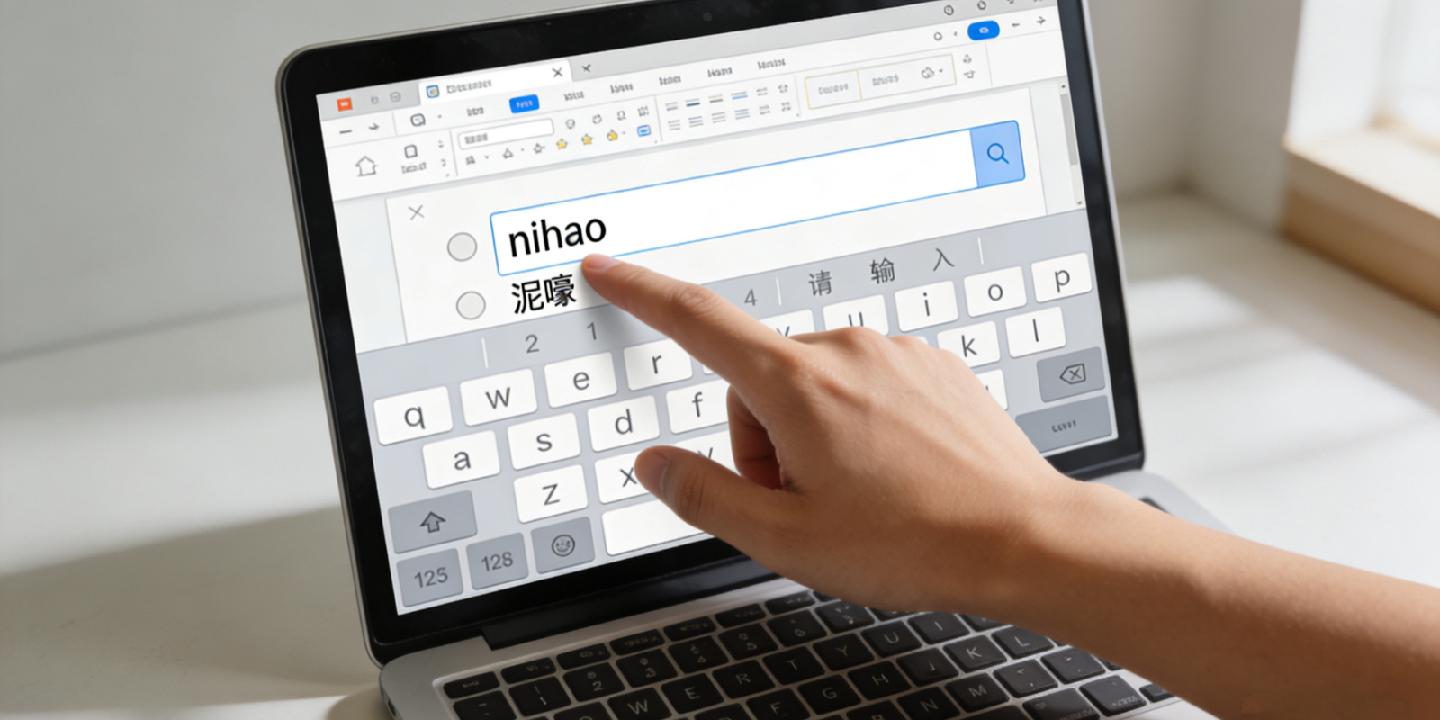
20年过去了,大厂们又开始卷输入法了
创业邦· 2026-01-07 03:22
Core Viewpoint - The article discusses the recent emergence of input methods as a strategic entry point for major tech companies, highlighting the competitive landscape and the potential for monetization through AI integration and user data collection [5][9][26]. Group 1: Input Method Market Dynamics - ByteDance's Doubao input method has launched, featuring a simple interface and strong voice recognition capabilities, which sets it apart from competitors [5][6]. - Major tech companies, including WeChat and Baidu, are re-entering the input method market, indicating a renewed interest in this seemingly basic tool that serves as a critical flow entry point for apps [9][11]. - Input methods are described as "bug-level" entities in the app ecosystem, acting as intermediaries that capture user needs before they reach other applications [11][12]. Group 2: Strategic Importance of Input Methods - Historically, input methods have been used to drive traffic and capture user data, with examples from the PC era where Sogou's search candidate feature redirected users to its own search engine [12][15]. - In the AI era, the potential of input methods has expanded, allowing for real-time translations and information retrieval without switching apps, enhancing their value as a traffic conduit [15][20]. - The competitive landscape is intensifying, with companies like Baidu and Sogou integrating AI features into their input methods to enhance user experience and maintain relevance [17][19]. Group 3: Monetization Strategies - Companies are exploring various monetization avenues, including advertising within AI responses, similar to past search engine practices [20][22]. - Input methods can serve as hooks to draw users into proprietary ecosystems, facilitating deeper engagement with the company's services [23]. - User data collected through input methods can be utilized for product optimization and training AI models, representing a hidden value stream for companies [24][25]. Group 4: Future Outlook - The article suggests that the current trend of tech giants revisiting input methods reflects a broader strategy to leverage AI across foundational services, indicating a cyclical nature in tech development [26][28]. - The high ROI associated with input methods makes them an attractive business opportunity for large companies, reinforcing their strategic importance in the digital landscape [26].

AI 语音输入法,正在偷偷挤走「键盘」
3 6 Ke· 2025-12-22 09:03
Core Insights - The article discusses the evolution of input methods, particularly the shift from traditional keyboard typing to voice input, highlighting the advantages of using AI-driven applications for voice-to-text conversion [3][5][18]. Group 1: Voice Input Technology - The emergence of AI applications has significantly improved voice-to-text functionality, making it more efficient and user-friendly compared to traditional input methods [5][18]. - Typeless is identified as a leading voice input tool that excels in understanding user intent and providing formatted outputs, thus enhancing the overall user experience [9][11][14]. Group 2: User Experience and Efficiency - Users report a marked increase in efficiency when using voice input, as it allows for more natural communication without the constraints of typing [23][26]. - The ability of Typeless to adapt its output based on the context of the application being used is a notable feature, allowing for a more tailored interaction [16][18]. Group 3: Market Dynamics and Concerns - There are concerns regarding the potential for larger companies to develop similar or superior voice input technologies, which could threaten the existence of third-party tools like Typeless [20][21]. - The competitive landscape is further complicated by the presence of free local models that may offer sufficient functionality, raising questions about the long-term value proposition of paid services like Typeless [21][19]. Group 4: Future of Input Methods - The article posits that the traditional keyboard may become less relevant as voice input technologies continue to evolve and gain acceptance, potentially leading to a paradigm shift in how users interact with devices [23][26]. - The integration of voice input capabilities at the operating system level could redefine user interactions, making voice the primary mode of communication with technology [29].

豆包“输入”微信里
3 6 Ke· 2025-12-01 09:30
Core Insights - Doubao has launched a new product, Doubao Input Method, aiming to disrupt the traditional input method market dominated by WeChat and other established players [1][5] - The input method market has seen limited innovation until the introduction of WeChat Input Method in 2022, which quickly gained popularity due to WeChat's vast user base [1][3] - Doubao Input Method leverages advanced voice recognition technology as its main selling point, differentiating itself from competitors by focusing on user experience and AI capabilities [3][7] Product Features - Doubao Input Method emphasizes voice input, retaining only Pinyin input while removing traditional features like handwriting and skin management to highlight its AI strengths [8][12] - The application is designed to be user-friendly, with a layout similar to WeChat Input Method, making it easier for users to switch [6] - It utilizes the Seed - ASR2.0 model for voice recognition, which can understand context, recognize specialized terms, and filter out background noise effectively [7][8] Competitive Landscape - Doubao has a monthly active user base of 170 million, but still lags behind WeChat's 1.4 billion users, creating a long-term challenge for Doubao in the AI application space [3][5] - Tencent is actively enhancing WeChat's capabilities, including the integration of AI features, which poses a potential threat to Doubao's growth [4][14] - Doubao's strategy involves positioning itself as a tool within WeChat, aiming to attract new users by addressing WeChat's weaknesses [4][5] Market Dynamics - Doubao's approach is characterized by agility and rapid iteration, allowing it to respond quickly to market demands and user feedback, unlike WeChat, which must consider the broader implications of changes due to its large user base [21][20] - The competition between Doubao and WeChat highlights a fundamental difference in their operational philosophies: Doubao seeks to innovate aggressively, while WeChat prioritizes stability and gradual improvements [21][20]
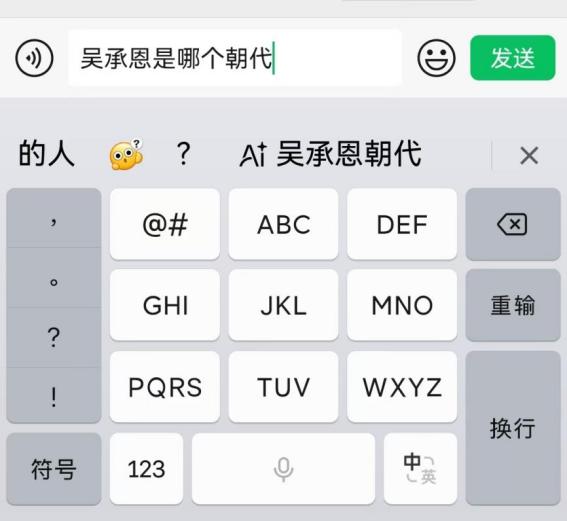
AI 语音输入法爆火:豆包输入法全面上线,Typeless 日榜第一,Wispr 融资 8100 万美金
Founder Park· 2025-11-27 12:33
Core Insights - The recent surge in large models has unexpectedly revitalized the input method sector, previously considered a basic infrastructure, making it attractive by the second half of 2025 [1]. Group 1: Market Developments - In the past two months, there has been a significant increase in news density regarding voice input technologies, with major developments from both domestic and international players [2]. - Domestic advancements include ByteDance's Doubao input method officially launching after internal testing, and WeChat input method continuously iterating on AI-assisted features [2]. - Internationally, Wispr announced a $25 million Series A funding round, bringing its total funding to $81 million, while Typeless gained attention on Product Hunt [2]. Group 2: Competitive Landscape - The voice input market can be categorized into three main camps: 1. Desktop SaaS players like Wispr and Typeless, focusing on productivity for core office users. 2. Mobile giants like Doubao and WeChat, leveraging vast ecosystem traffic for social interactions. 3. Low-cost indie developers represented by Whisper Keyboard and Lightning Say, focusing on localized or independent development [4]. Group 3: Product Performance - A subjective testing scenario revealed Typeless as the best desktop input method and Doubao as the best mobile input method, with specific strengths in handling complex language and context [6]. - Typeless achieved a processing time of 3.05 seconds, effectively removing filler words and correcting formats, while Doubao excelled with a 2.05-second response time, accurately interpreting context [6][13]. - WeChat input method, with a rapid 1.08 seconds response time, remains dominant in casual communication despite some limitations in professional formatting [13]. Group 4: User Experience Insights - The user experience of third-party voice input methods on iOS is often hindered by permission issues, requiring app switches for voice input [8]. - Doubao's voice model demonstrates superior performance in speed and accuracy, particularly in Chinese, although it faces challenges on iOS due to Apple's privacy restrictions [8][42]. - Typeless offers the best output quality for desktop users, providing high accuracy and innovative interaction features, while Lightning Say, despite its speed, struggles with professional terminology [8][60]. Group 5: Technological Evolution - The voice input sector is experiencing a paradigm shift from traditional automatic speech recognition (ASR) to models that understand and reconstruct language, enhancing user interaction [63]. - This evolution allows for greater tolerance of user errors, enabling a more natural and intuitive communication interface, transforming input methods into tools for thought rather than mere transcription [64][65].

豆包突然要做输入法,能在红海突出重围吗
3 6 Ke· 2025-10-10 12:07
Core Insights - The article discusses the emergence of Doubao Input Method by ByteDance, which aims to capitalize on the controversy surrounding Sogou Input Method and focuses on voice input technology [1][5][11] - The integration of AI with input methods has been a trend among major Chinese internet companies, with various upgrades and features introduced to enhance user experience [3][5] - The primary challenge for AI input methods lies in their interaction logic, which often limits the amount of information presented, making it less effective compared to AI assistants [5][9] Industry Trends - Major companies like Baidu and Tencent have previously launched AI-enhanced input methods, transforming them into AI creative tools and adding features like AI Q&A [3][5] - The focus on input methods is partly due to their ability to bridge text and image generation capabilities, facilitating user adaptation to AI-generated content [3][5] Target Market - Doubao Input Method specifically targets the elderly demographic, who often struggle with digital technology, thus addressing the digital divide [5][8][11] - The article highlights the need for user-friendly features, such as larger fonts and simplified interfaces, to cater to older users [8] Competitive Advantage - Doubao's voice recognition model, Seed-ASR, boasts a significant reduction in error rates compared to competitors, enhancing its appeal to the elderly [9][11] - The ability to accurately interpret user intent, even with recognition errors, positions Doubao Input Method as a strong contender in the market [11]

2025年中国第三方输入法行业洞察报告-MobTech研究院
Sou Hu Cai Jing· 2025-09-20 08:52
Industry Overview - The Chinese third-party input method industry is entering a new growth cycle in 2025, driven by large model technology, which is transforming the industry in terms of scale, technology, products, competition, and user demand [1][8] - The overall industry scale is shifting into a growth phase, with generative AI products showing significant advancements in the first half of 2025, as 346 generative AI services have been registered in China [1][12] - The AI industry in China is projected to exceed 700 billion yuan in 2024, maintaining a growth rate of over 20% for several consecutive years [1][12] Technological Advancements - Key technological breakthroughs include lightweight deployment and multi-modal integration, which enable collaborative architecture and plugin expansion, driving product paradigm upgrades [1][13] - The input method is evolving from a passive tool to an active intelligent hub, addressing pain points in social creation and cross-language communication [1][14] Competitive Landscape - The market exhibits a "Matthew Effect," with Sogou, iFlytek, Baidu, and WeChat input methods capturing 84.4% of the market share [1][16] - In terms of new user growth, iFlytek leads with the highest increase and growth rate, while Sogou and Baidu also show significant monthly new user increments [1][19] User Insights - The primary user demographic consists of young adults, particularly those aged 18-24, with students being the largest audience segment [2][23] - Over half of the users are aware of AI-driven input methods, with the highest satisfaction reported for information search functions [2][26] Future Outlook - The industry is expected to upgrade the input experience under the influence of "hot topics + large models," leading to a trend of "broad empowerment" [2] - The input method may evolve into an intention-driven command center, continuously transitioning towards becoming an intelligent service hub [2]

新版微信输入法体验:张小龙站台的产品,承载着微信AI的野心?
3 6 Ke· 2025-08-13 05:27
Core Viewpoint - The article discusses the evolution and features of WeChat Input Method, emphasizing its integration of AI and user-friendly functionalities, which aim to enhance user experience while protecting user data privacy. Group 1: WeChat Input Method Features - WeChat Input Method has adopted a layout similar to the iOS native keyboard but includes additional functionality such as a dedicated period key and the ability to input numbers and symbols more easily [4][8][10] - The input method retains and extends features from the iOS keyboard, such as customizable pinyin display and enhanced cursor control, allowing users to move the cursor more efficiently [12][14] - It includes a multi-functional delete key that improves deletion efficiency, allowing users to delete entire sections of text or restore deleted content easily [15][16] Group 2: AI Integration and User Experience - The integration of AI in WeChat Input Method allows for features like AI search and intelligent recommendations, enhancing the overall user experience within the WeChat ecosystem [34][37] - The AI search function provides users with organized content and the ability to generate images directly from the input method, streamlining the search process [37][40] - WeChat Input Method supports cross-device clipboard functionality, enabling users to copy and paste content across different devices, which strengthens user reliance on the WeChat ecosystem [25][27] Group 3: Data Privacy and Strategic Importance - WeChat Input Method serves as a protective measure for user data, preventing third-party input methods from accessing sensitive user information [30][32] - The development of WeChat Input Method aligns with Tencent's strategy to maintain user privacy and control over personal data, as highlighted by the company's focus on user feedback regarding data security [33][34] - The input method is positioned as a key tool for user interaction with devices, facilitating communication and information transfer while ensuring data remains within the WeChat ecosystem [34][41]
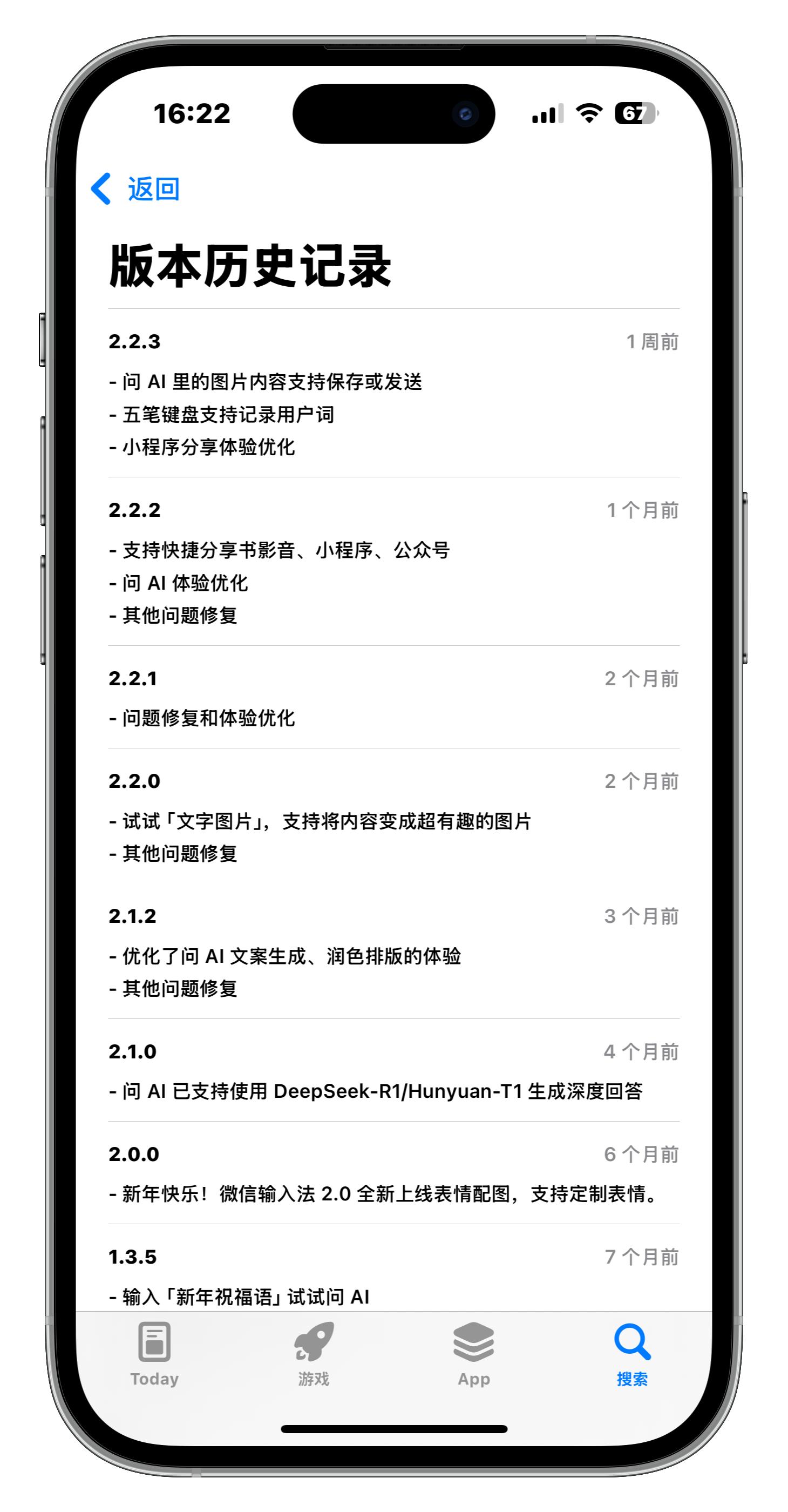
微信新功能上线!
券商中国· 2025-08-10 23:30
Core Viewpoint - WeChat has introduced new features that allow users to convert text comments into images and enhance text formatting, making sharing and saving content more visually appealing and user-friendly [1][5]. Group 1: New Features - Users can now convert comments from the video account into images with a simple long press, allowing for easy sharing of favorite comments [2]. - The "text image" feature in WeChat input method enables users to automatically generate various styles of images from text, eliminating the need for external editing software [5]. - Users can save entire articles as images for easy access later, enhancing the way content is shared and stored [8]. Group 2: User Engagement - The new features aim to improve user engagement by allowing users to share visually appealing content rather than plain text, which may get overlooked [8]. - The ability to share comments as images can help retain the context and source of the information, making it more meaningful for recipients [8].