微软服务

Search documents
关税砍30%+进口暴增5倍!美国商品洪流正冲垮印度制造最后防线?
Sou Hu Cai Jing· 2026-02-14 03:43
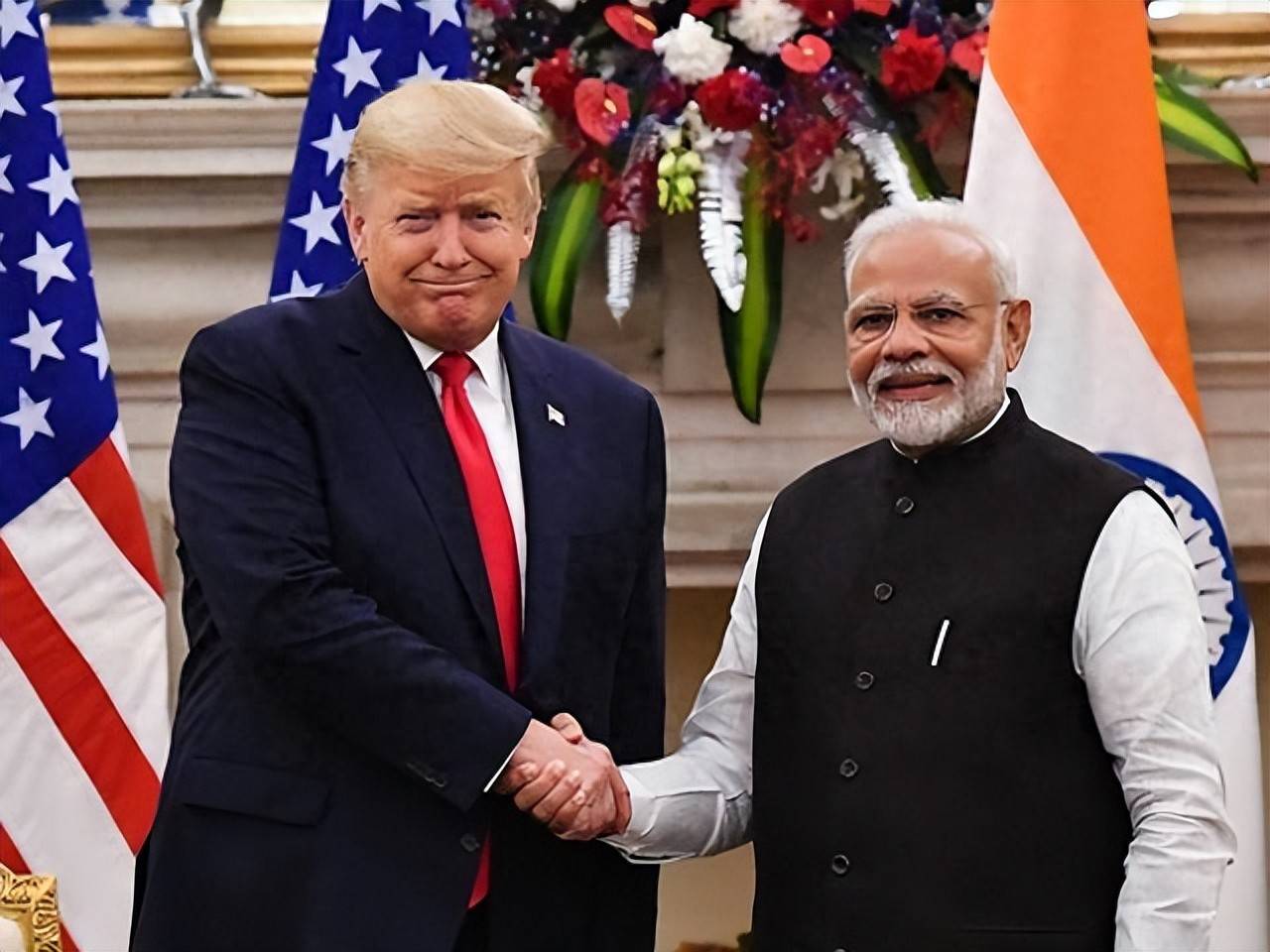
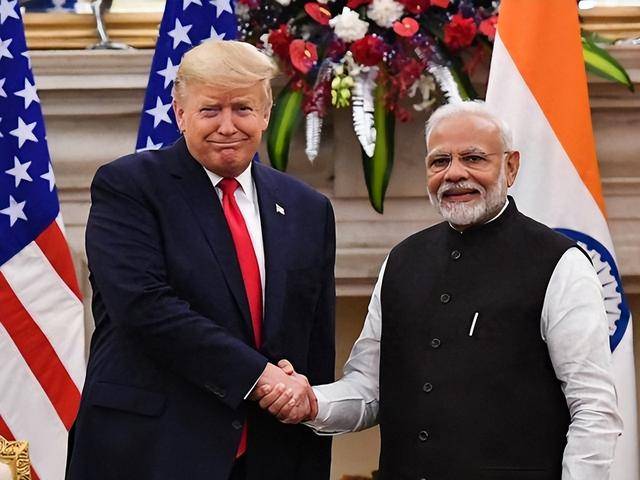
最近特朗普与莫迪达成的那份贸易协议,看似是美印两国达成了某种握手言和,但仔细分析,印度似乎在这次协议中做出了不少让步,特别是莫迪,几乎被 特朗普逼迫着停购俄罗斯石油,并且在协议中承诺对美国进口商品的购买量增加了五倍。这种交易看似微不足道,但实际影响深远,值得我们深思。印度一 向自诩为世界药房,如今却不得不大幅增加美国商品进口,难免让人担心,这样的举措会不会导致印度本国工业遭遇冲击?而且,印度如何平衡美俄关系, 也变得愈加复杂。 协议的核心是关税双向减免,乍一听,似乎公平公正,双方都得到了好处。然而,细究之下,印度的承诺显然要大得多。根据协议,印 度必须在六个月内将美国的农产品和科技产品的关税下调30%到50%,而且非关税壁垒也要在一年内全部取消。与此同时,美国则立即取消了对印度加征的 25%的惩罚性关税,并将对等关税降至18%。表面上看起来是互惠互利,但印度显然是通过扩大进口来换取这一切。这种交易方式,怎么看都像是印度在割 肉给美国。特朗普在社交媒体上高调宣布美国大获全胜,然而莫迪却只是轻描淡写地表示感谢美国降税,却对其他承诺闭口不谈。这种态度的温差,似乎已 经透露出了某些问题的端倪。 说实话,印度在这次协议 ...

特朗普官宣大获全胜!莫迪只敢谢降税:美印协议暴露印度割肉内幕
Sou Hu Cai Jing· 2026-02-12 14:38
Group 1 - The trade agreement between the US and India appears to favor the US, with India making significant concessions, including halting oil purchases from Russia and increasing imports from the US fivefold [1][3][6] - The core of the agreement involves mutual tariff reductions, but India is required to lower tariffs on US agricultural and technology products by 30% to 50% within six months, while the US has reduced its punitive tariffs on India [3][5] - India is expected to purchase a total of $500 billion worth of US goods, focusing on energy, technology, agriculture, and coal, which raises concerns about the impact on local industries and farmers [6][8][9] Group 2 - The agreement's requirement for India to stop buying Russian oil and instead purchase from the US and Venezuela could lead to increased costs and inflation for Indian consumers, as well as a potential loss of strategic partnerships with Russia [6][9] - The trade deal may undermine India's "Make in India" initiative, as the influx of US goods could severely impact local manufacturing and agriculture, particularly small and medium enterprises [5][8] - Strategically, the agreement forces India to choose sides between the US and Russia, complicating its historical stance of non-alignment and potentially isolating it in international relations [9]
中国取得意外收获,美国各州独立自主,绕开特朗普和中国打交道
Sou Hu Cai Jing· 2025-11-10 12:14
Core Viewpoint - The article discusses the internal divisions within the U.S. as states like California and Washington take independent actions to strengthen ties with China, contrasting with the federal government's confrontational stance under Trump [1][3][10]. Group 1: Federal vs. State Policies - Trump's tariff policies, intended to pressure China, have inadvertently harmed U.S. states reliant on trade, creating confusion and instability [3][5]. - States are increasingly taking matters into their own hands, with officials openly criticizing federal policies and seeking direct engagement with China [10][12]. - The disconnect between federal and state approaches has led to a "self-rescue" movement among states, as they prioritize economic stability over federal directives [10][18]. Group 2: Economic Implications - Trump's tariffs are projected to result in a loss of 2 million jobs in the U.S., with families facing an average annual cost increase of $5,000 [5][21]. - Despite the challenges posed by tariffs, states like California still see significant trade with China, with exports to China accounting for 20% of California's total exports [20][29]. - Local businesses are finding ways to circumvent tariffs, indicating a resilience and adaptability in state-level economies [27][29]. Group 3: The Emergence of a "Second Track" - The article highlights the emergence of a dual-track U.S.-China relationship, where federal policies are characterized by uncertainty while state-level interactions are driven by mutual economic interests [18][20]. - This "second track" serves as a stabilizing force in U.S.-China relations, providing a buffer against the volatility of federal policies [21][23]. - The growing cooperation at the state level is seen as a response to the unpredictability of federal actions, with states offering a more reliable partnership for China [25][31]. Group 4: Future Outlook - The article suggests that the true winners in this scenario are those who can provide certainty and predictability, as these qualities become increasingly valuable in international relations [25][32]. - As states continue to forge their own paths, the potential for a more stable and interconnected U.S.-China relationship emerges, despite federal tensions [29][31]. - The ongoing internal divisions within the U.S. may lead to a "de facto decoupling," where states operate independently of federal policies, creating new opportunities for collaboration with China [31][32].