谷歌服务

Search documents
雷军:未来每周或仅需工作3天,每天工作2个小时;林俊旸发文告别千问;飞驰人生3票房突破40亿;OpenClaw回应爆火丨邦早报
创业邦· 2026-03-08 01:11
Group 1 - OpenClaw has gained significant popularity in China, with nearly a thousand developers and AI enthusiasts participating in its cloud installation at Tencent's headquarters, indicating a new level of adoption in the market [3] - The film "Flying Life 3" has surpassed 4 billion yuan in box office revenue, positioning it among the top 10 in Chinese film history [3] Group 2 - Sushi restaurant Sushi Lang is addressing consumer reports of finding parasitic eggs in tuna, emphasizing its commitment to food safety and compliance with national standards [8] - Longhua Automobile's chairman Wei Jianjun apologized for a design controversy involving a promotional poster, pledging to take full legal and financial responsibility [8][9] Group 3 - Xiaomi's CEO Lei Jun predicts that in the AI era, work hours may reduce significantly, suggesting a future where individuals might only need to work three days a week for two hours each day, enhancing overall quality of life [10] - 360 Group's founder Zhou Hongyi believes that the rapid development of AI will create new job opportunities, particularly for liberal arts graduates who can address ethical and societal issues arising from technological advancements [10] Group 4 - Google has proposed a new compensation package for CEO Sundar Pichai, potentially worth $692 million over three years, making him one of the highest-paid CEOs globally [10] - Meituan and Lenovo have launched OpenClaw remote deployment services, reflecting a significant increase in related search volume by over 300% [10] Group 5 - DJI has made progress in addressing security vulnerabilities in its robotic vacuum, rewarding a researcher with $30,000 for discovering a significant issue affecting around 7,000 devices [12] - NetEase is reportedly halting funding for the studio led by Naoki Yoshida, with employees informed of this decision [12] Group 6 - Huang Renxun, CEO of NVIDIA, predicts that all software will become "agentic," transitioning from traditional licensing models to a system where companies rent out intelligent agents to perform tasks [12] - Tesla is set to build its largest supercharging station to date in California, featuring over 400 V4 charging stations, significantly expanding its charging infrastructure [13] Group 7 - The Ministry of Culture and Tourism of China forecasts that inbound tourist numbers will exceed 150 million by 2025, with a projected growth rate of over 17% [21] - A national representative has suggested measures to combat fraudulent online shopping practices targeting the elderly, highlighting the need for improved consumer protection in the aging population [21]


关税砍30%+进口暴增5倍!美国商品洪流正冲垮印度制造最后防线?
Sou Hu Cai Jing· 2026-02-14 03:43
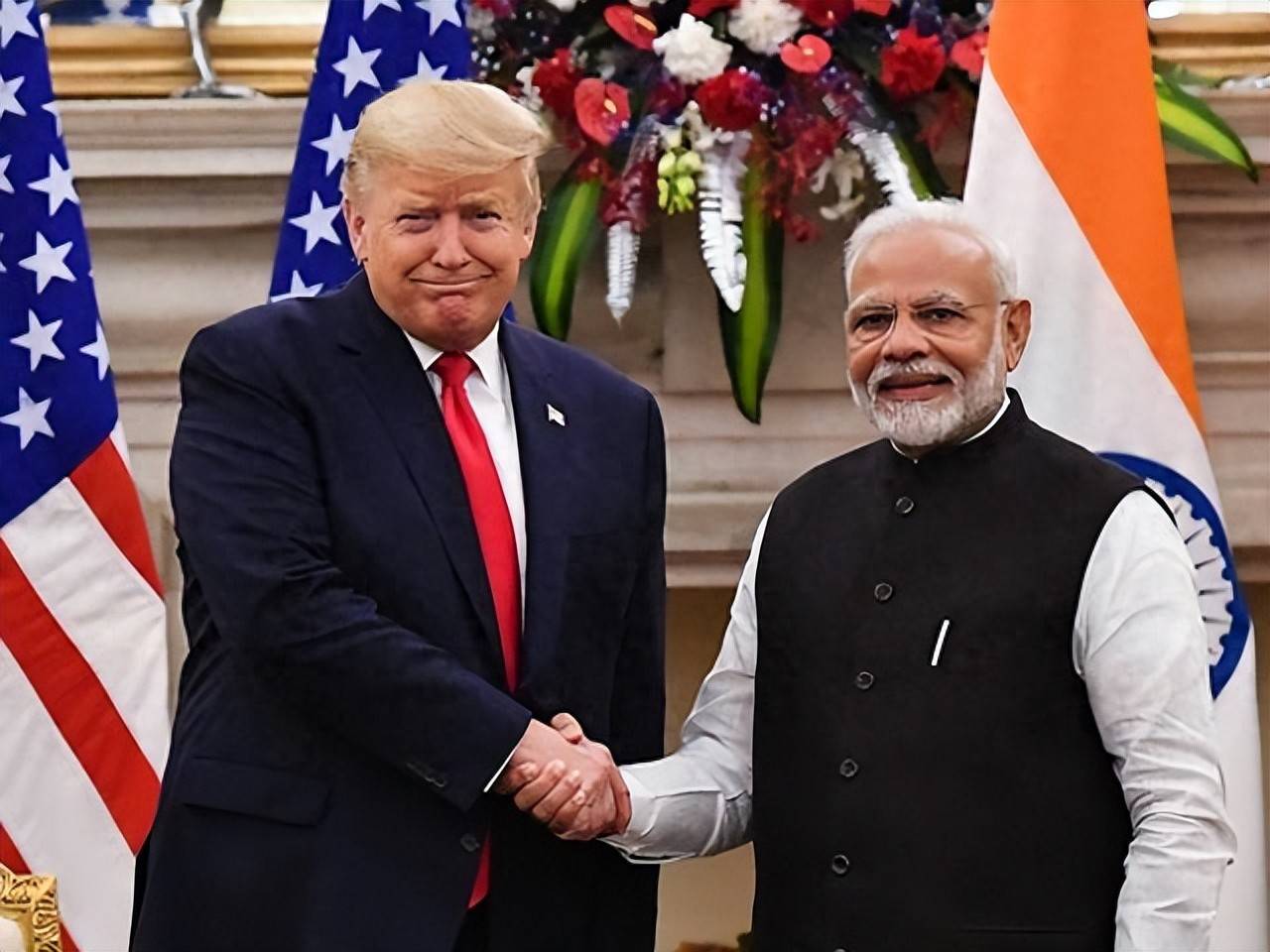
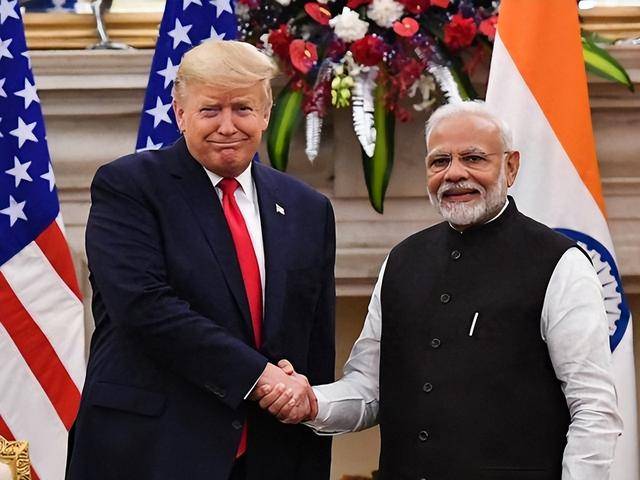
Group 1 - The core point of the trade agreement between Trump and Modi indicates that India has made significant concessions, particularly in halting oil purchases from Russia and committing to increase imports from the U.S. by five times [1][3] - The agreement includes a mutual reduction of tariffs, with India required to lower tariffs on U.S. agricultural and technology products by 30% to 50% within six months, while the U.S. will reduce its punitive tariffs on India from 25% to 18% [1][3] - India's commitment to purchase $250 billion worth of oil and liquefied natural gas from the U.S. and Venezuela over the next five years raises concerns about the impact on domestic industries and inflation [3][5] Group 2 - The agreement mandates India to increase its total purchases from the U.S. to $500 billion, focusing on energy, technology, agriculture, and coal, with specific figures such as $1,500 billion in technology services and over $600 billion in agricultural products [5][7] - The strategic implications of the agreement suggest that India is caught in a dilemma, losing its non-aligned stance and facing potential backlash from Russia, which has been a key partner in energy and military cooperation [7] - The trade deal may lead to significant pressure on India's domestic industries, particularly small and medium enterprises, as the influx of U.S. goods could disrupt local markets and agricultural sectors [7]
特朗普官宣大获全胜!莫迪只敢谢降税:美印协议暴露印度割肉内幕
Sou Hu Cai Jing· 2026-02-12 14:38
Group 1 - The trade agreement between the US and India appears to favor the US, with India making significant concessions, including halting oil purchases from Russia and increasing imports from the US fivefold [1][3][6] - The core of the agreement involves mutual tariff reductions, but India is required to lower tariffs on US agricultural and technology products by 30% to 50% within six months, while the US has reduced its punitive tariffs on India [3][5] - India is expected to purchase a total of $500 billion worth of US goods, focusing on energy, technology, agriculture, and coal, which raises concerns about the impact on local industries and farmers [6][8][9] Group 2 - The agreement's requirement for India to stop buying Russian oil and instead purchase from the US and Venezuela could lead to increased costs and inflation for Indian consumers, as well as a potential loss of strategic partnerships with Russia [6][9] - The trade deal may undermine India's "Make in India" initiative, as the influx of US goods could severely impact local manufacturing and agriculture, particularly small and medium enterprises [5][8] - Strategically, the agreement forces India to choose sides between the US and Russia, complicating its historical stance of non-alignment and potentially isolating it in international relations [9]
2026年资本开支指引翻倍 谷歌A(GOOGL.US)盘前跌超4%
Zhi Tong Cai Jing· 2026-02-05 14:03
Group 1 - Google's Q4 revenue exceeded expectations, growing 18% to $113.8 billion, surpassing the anticipated $111.5 billion, driven by accelerated growth in Google Services and the increasing importance of Google Cloud [1] - Q4 net profit reached $34.46 billion, a nearly 30% increase year-over-year, with operating profit growing 16% to $35.9 billion and maintaining a stable operating margin of 32% [1] - Earnings per share were $2.82, exceeding the expected $2.63 [1] Group 2 - The company announced an ambitious capital expenditure plan for 2026, projecting spending between $175 billion and $185 billion, significantly higher than the expected $119.5 billion [1] - A substantial portion of the capital expenditure will be allocated to enhancing Google DeepMind's AI computing capabilities and meeting "huge cloud customer demand" [1] - Additional funds will be directed towards strategic investments in the company's "other investments" segment and improving returns for advertisers [1]

Alphabet Q4营收1138.28亿超预期 Gemini月活破7.5亿 2026资本支出上看1850亿远超市场预估
Jin Rong Jie· 2026-02-04 23:58
Core Insights - Alphabet's Q4 2025 revenue reached $113.828 billion, a year-over-year increase of 18%, surpassing market expectations of $111.4 billion [1] Group 1: Financial Performance - Google Services segment revenue was $95.86 billion, reflecting a 14% year-over-year growth [1] - Google Cloud business showed significant performance with revenue of $17.66 billion, a substantial increase of 48% year-over-year, exceeding market forecasts [1] Group 2: User Growth - The user base for AI model Gemini expanded significantly, with monthly active users surpassing 750 million in Q4, up from 650 million in the previous quarter [1] Group 3: Capital Expenditure Guidance - Alphabet disclosed a capital expenditure guidance for 2026, estimating annual spending between $175 billion and $185 billion, nearly double the total capital expenditure for 2025, which was previously expected to be $119.5 billion [1] - The capital will primarily be allocated for AI infrastructure development, including data center expansion and dedicated AI chip research and deployment [1]
美国收紧签证政策 Alphabet计划将印度业务的规模大幅扩张
Di Yi Cai Jing· 2026-02-03 23:12
Core Viewpoint - Alphabet (GOOG.O) is planning a significant expansion of its operations in India, potentially leasing millions of square feet of new office space in Bangalore [1] Group 1: Expansion Plans - Alphabet has leased an office building in Elmbik City and secured purchase rights for two additional buildings, part of a development project totaling 2.4 million square feet [1] - The first building is expected to open to employees in the coming months, while the construction of the remaining two buildings will be completed next year [1] Group 2: Workforce Impact - If Alphabet utilizes the entire office space, the campus could accommodate up to 20,000 new employees, potentially doubling the company's workforce in India [1] - Currently, Alphabet employs approximately 14,000 people in India, compared to a global workforce of around 190,000 [1]
中企全球遍地开花,在华美企超7万家、投下1.2万亿,为啥在美国只剩边缘席位?
Sou Hu Cai Jing· 2025-11-24 20:41
Core Insights - The article highlights the stark contrast between the number of American companies operating in China, exceeding 70,000 with investments over $1.2 trillion, and the relatively small presence of Chinese companies in the U.S., totaling around 5,000 [3][22]. Group 1: American Companies in China - Since the early days of China's reform and opening up, American companies have been attracted to the Chinese market due to its vast consumer base and demand for international brands [5][11]. - The number of American enterprises in China has surged from a few dozen to nearly 80,000 over 30 years, encompassing various sectors including retail, technology, finance, and manufacturing [15]. - Despite global investment fluctuations, many American companies continue to report stable profits in China, indicating a reluctance to withdraw from a lucrative market [17]. Group 2: Chinese Companies in the U.S. - Chinese companies view the U.S. market primarily as a "financial springboard," seeking to leverage the large capital pool of over $40 trillion and the potential for enhanced global recognition through U.S. listings [18][19]. - However, the number of Chinese firms in the U.S. is significantly lower due to stringent regulatory hurdles and compliance standards, making entry challenging [20][22]. - High-profile cases like Huawei and TikTok illustrate the difficulties faced by Chinese companies in the U.S. market, with increasing restrictions and scrutiny impacting their operations [20][22]. Group 3: Market Dynamics - The article emphasizes the differing approaches to foreign investment between the U.S. and China, with the U.S. imposing more barriers while China remains open to foreign capital, particularly in high-end manufacturing and services [26][32]. - Chinese companies are diversifying their global presence by investing in emerging markets such as Southeast Asia, the Middle East, Africa, and Latin America, rather than relying solely on the U.S. market [24]. - The successful integration of American companies in China has led to the development of robust supply chains and local partnerships, benefiting both foreign and domestic firms [28].
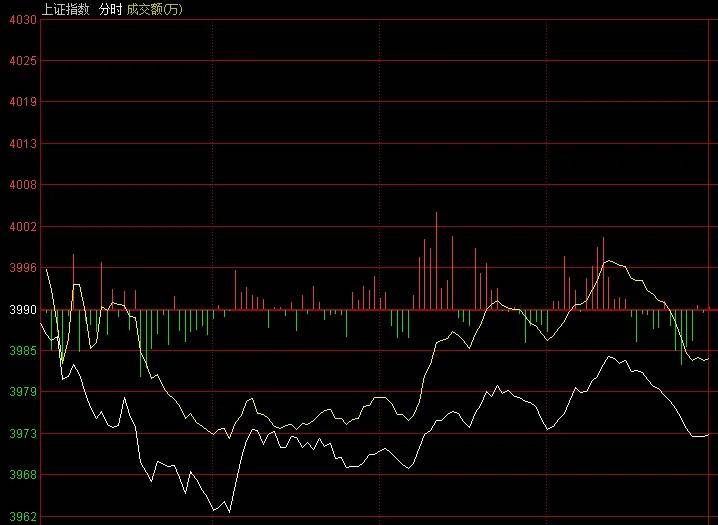
300ETF和银行股齐杀跌,试看五周均线(3973点)能否支撑
Sou Hu Cai Jing· 2025-11-17 09:07
Group 1: US Stock Market Performance - The three major US stock indices closed mixed, with the Dow Jones down 0.65%, the S&P 500 down 0.05%, and the Nasdaq up 0.13% [1] - Technology stocks showed varied performance, with Oracle rising over 2%, Microsoft and Nvidia up over 1%, while Netflix fell over 3%, and Intel and Amazon down over 1% [1] - The Nasdaq Golden Dragon China Index, which tracks Chinese stocks listed in the US, fell by 1.61% [1] Group 2: Chinese Regulatory Developments - The China Securities Regulatory Commission (CSRC) emphasized the importance of the 14th Five-Year Plan period for strengthening the financial system and enhancing market resilience [2] - CSRC Chairman Wu Qing highlighted the need for a more inclusive and attractive regulatory framework, aiming for higher quality and value in listed companies [2] Group 3: AI Technology Developments - Huawei is set to release breakthrough AI technology on November 21, which aims to improve the utilization efficiency of computing resources from the industry average of 30%-40% to 70% [3] - The technology will enable unified resource management across various computing hardware, enhancing support for AI training and inference [3] Group 4: Alibaba's AI Initiatives - Alibaba has launched the "Qianwen" project, entering the AI to C market, with the public beta of the Qianwen app now available [5] - The app is based on the Qwen3 model and aims to compete with ChatGPT by integrating various life scenarios such as maps, food delivery, and shopping [5] - The AI application sector is experiencing strong performance, with several stocks hitting the daily limit up [5] Group 5: Market Dynamics and Trends - The People's Bank of China conducted a net injection of 163.1 billion yuan through reverse repos, maintaining the operation rate at 1.40% [6] - The financing balance in the two stock exchanges decreased by 134 billion yuan, indicating a contraction in market liquidity [6] - The market is currently experiencing fluctuations around the 4000-point level, with key support levels identified at the five-week moving average of 3973 points [7][8]
巴菲特“谢幕”前夜,伯克希尔新舵手建仓谷歌
Huan Qiu Wang· 2025-11-15 03:32
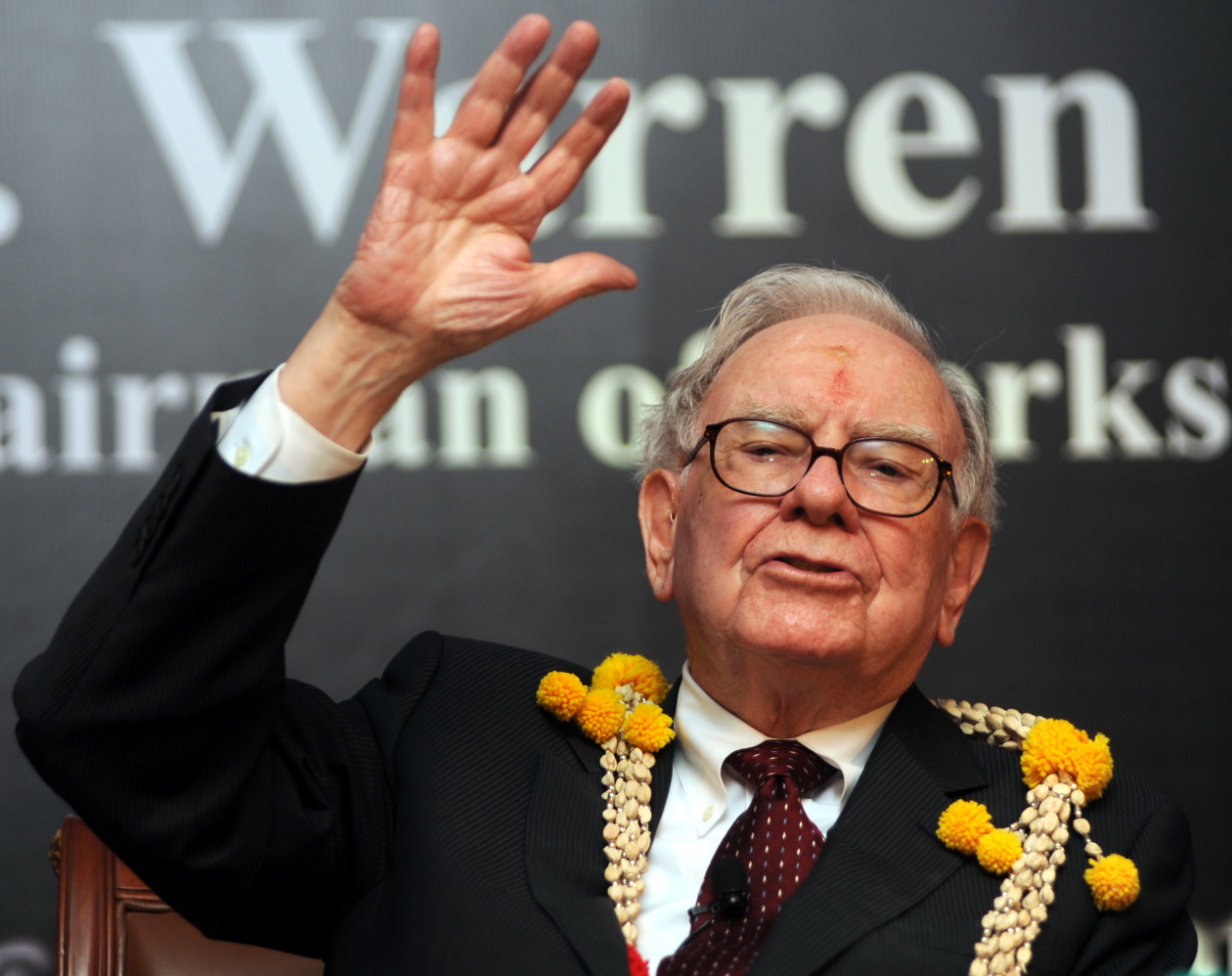
Core Insights - Berkshire Hathaway, under Warren Buffett's leadership, has made a significant shift by initiating a position in Google-A, purchasing nearly 17.85 million shares valued at approximately $4.3 billion in Q3, marking a departure from its historically cautious stance on tech stocks [1][3] - The investment in Google is seen as a strong indication of the evolving investment strategy under the new leadership of Greg Abel, who is set to take over as CEO [1][3] Investment Strategy - Historically, Berkshire's portfolio has been characterized by investments in consumer goods, financials, and industrials with stable cash flows and understandable business models, reflecting Buffett's investment philosophy [3] - The recent Q3 report shows a rebalancing strategy, with a reduction of about 41.79 million shares of Apple, decreasing its holdings by approximately 15%, indicating a move to lock in profits and optimize the investment portfolio [3][4] - Other reductions included stakes in American Bank and Verizon, contributing to a net selling position in Q3, with the total portfolio value increasing from $257.5 billion at the end of Q2 to $267.3 billion at the end of Q3, primarily due to market performance rather than new purchases [3][4] Strategic Balance - The Q3 holdings reflect a strategic balance during the leadership transition, with increased investments in traditional sectors like insurance and construction while also venturing into tech with Google, showcasing adaptability to changing market conditions [4] - Buffett expressed strong confidence in Abel's capabilities, stating he exceeded expectations and was the best choice to manage the company's assets, which supports a smooth transition and continuity in future strategies [4] - The initiation of a position in Google signals a potential shift towards a more open approach to technology investments while maintaining the core principles of value investing [4]

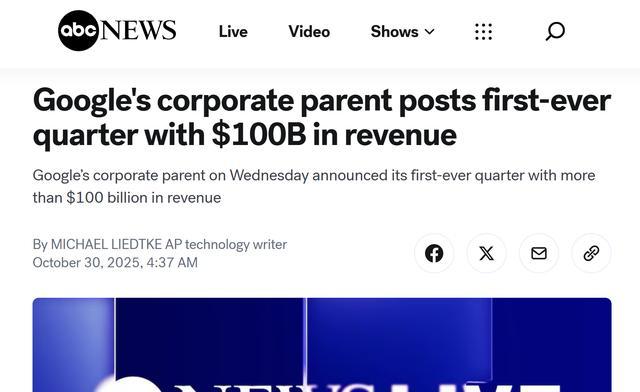
谷歌母公司Alphabet三季度营收首破千亿美元
Huan Qiu Wang Zi Xun· 2025-10-30 07:03
Core Insights - Alphabet's Q3 2025 revenue surpassed $100 billion for the first time, reaching $102.35 billion, a 16% year-over-year increase from $88.27 billion [1][4] - The company's net profit for Q3 was $34.98 billion, a significant 33% increase from $26.30 billion in the same quarter last year [1][4] Revenue Breakdown - Google Cloud revenue for Q3 was $15.16 billion, exceeding analyst expectations of $14.75 billion, contributing significantly to overall growth [4][5] - Google Services revenue reached $87.05 billion, surpassing the expected $84.67 billion, providing stable support for the company's operations [4] - Google Search and other revenues amounted to $56.57 billion, exceeding the forecast of $54.99 billion, reinforcing the competitiveness of the core search business [4] - YouTube ad revenue was $10.26 billion, above the anticipated $10.03 billion, indicating a robust advertising ecosystem [4] - Overall advertising revenue for Alphabet was $74.18 billion, higher than the expected $72.46 billion, maintaining strong vitality as the core profit source [4] Future Capital Expenditure - Alphabet plans to increase its capital expenditure for the year to between $91 billion and $93 billion, significantly above the market estimate of $84.04 billion [4] - The additional capital expenditure will primarily focus on infrastructure development, particularly data centers, to support the company's growing AI product offerings [4]