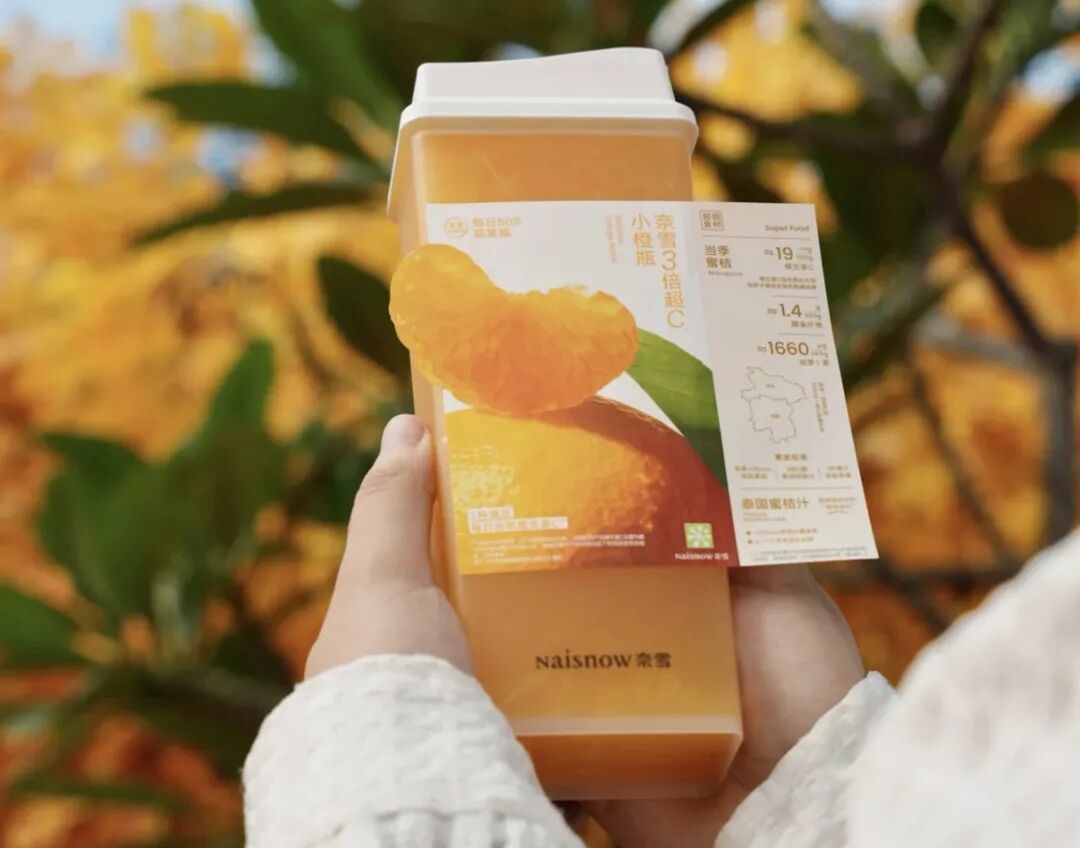
手剥粒粒大橘

Search documents
行业演变与爆品趋势解码:2026茶咖新风向
益普索· 2026-04-01 09:35
Investment Rating - The report indicates a positive investment outlook for the beverage industry, particularly in the tea and coffee segments, highlighting strong growth potential and market expansion opportunities [8][30][66]. Core Insights - The ready-to-drink beverage market in China is experiencing robust growth, driven by increased consumer demand for high-quality products and innovative offerings [8][30]. - The tea market is projected to reach a scale of 302 billion yuan by 2025, with a compound annual growth rate (CAGR) of 8.4% from 2022 to 2025 [9][30]. - The coffee market is expected to grow to 198.7 billion yuan by 2025, with a CAGR of 10.7% during the same period [9][66]. - There is a significant shift in consumer behavior, with ready-to-drink beverages transitioning from social symbols to everyday consumption items, leading to increased purchase frequency [9][30]. - The report emphasizes the importance of health trends, with consumers increasingly favoring low-sugar, low-fat, and natural ingredients, prompting brands to upgrade their raw materials [9][30]. Summary by Sections 1. Overview of Ready-to-Drink Beverage Market - The ready-to-drink beverage market is expanding, characterized by a strong supply-demand dynamic, with increased store networks and product innovations enhancing consumer experiences [8]. - By 2025, the number of new chain tea and coffee stores is expected to reach 38,000 and 33,000 respectively, indicating a recovery trend in the market [9]. 2. Tea Market Trends - The tea industry is entering a new phase of high-quality development, with a market size nearing 302 billion yuan and a 6.5% year-on-year growth expected in 2025 [30][32]. - The number of chain tea stores is projected to grow, but the industry is also witnessing a significant increase in store closures, indicating a market consolidation [35][36]. 3. Coffee Market Trends - The coffee market is rapidly expanding, with 33,000 new stores expected to open in 2025, representing a 2.06 times increase compared to 2024 [66]. - The penetration of coffee in lower-tier cities is increasing, with the proportion of stores in these areas rising from 37% in 2023 to 43% in 2025 [68]. 4. Consumer Preferences and Trends - Health and innovation are driving consumer preferences, with a notable shift towards products that emphasize health benefits and unique flavors [23][24]. - The report highlights the growing popularity of local ingredients and innovative product offerings, such as salty milk tea and fruit-based beverages, which are gaining traction among consumers [50][53]. 5. Brand Strategies and Market Dynamics - Leading brands are focusing on overseas expansion, with over 15,000 overseas stores and a strategic shift towards local supply chains and cultural adaptation [10][12]. - The report notes a significant concentration of market share among top brands, with a growing disparity between leading and smaller brands, leading to a "Matthew Effect" in the industry [20][22].



古茗20260312
2026-03-13 04:46
Summary of Conference Call Records Company Overview - The company discussed is Gu Ming, a beverage company focusing on tea products and market expansion strategies in China, particularly in the northern regions. Key Points Industry and Company Insights - Gu Ming's R&D team consists of 120 members, significantly larger than the industry average of 20 to 50 members, ensuring high consistency between lab formulations and mass production flavors [1] - The supply chain strategy prioritizes quality over speed, with self-built factories customizing tea bases and sourcing fruits based on optimal ripeness [1] - The company has introduced a new store design, the sixth generation store, featuring a warm wooden color scheme and larger storefronts to enhance its brand presence in lower-tier markets [1] Market Strategy and Adjustments - In the northern market, Gu Ming has launched warm fruit teas and adjusted the default sweetness level to 5-7 points to cater to local preferences, effectively addressing winter sales challenges [1][4] - The payback period for franchisees in the northern market is approximately 2 years, with annual revenues per store ranging from 200,000 to 300,000 yuan, supported by low rent and labor costs [1][5] Competitive Landscape - Despite facing competition from local brands like A Shui Da Bei Cha, Gu Ming is expected to gradually penetrate the northern market within 2-3 years due to its product strength [1][5] - Research indicates that concerns about consumer differences between northern and southern markets may be overstated, as there is a consistent demand for fresh, high-quality beverages [5][6] Customer Retention and Brand Strength - Gu Ming maintains a quarterly repurchase rate of over 50% and a monthly repurchase rate of over 30%, outperforming competitors by 5 to 10 percentage points [2] - The high repurchase rate is attributed to strict quality control and a rapid product launch strategy that stimulates consumer interest [2] Brand Upgrades and Marketing - The company has actively upgraded its brand image, including the introduction of new store designs and a new spokesperson for marketing campaigns, which positively impacts brand recognition and consumer engagement [3] Long-term Growth Potential - Gu Ming's strategy of gradually expanding into northern markets through a "rural encircling urban" approach is expected to enhance market share over time [5][6] - The company plans to leverage increased repurchase rates and brand upgrades to establish a stronger presence in provinces adjacent to the south, such as Henan and Anhui [6]
冲刺春节档!古茗、奈雪、1点点都在推这个年味水果
东京烘焙职业人· 2026-01-15 08:33
Core Viewpoint - The article highlights the rising trend of orange beverages in the beverage industry, particularly as brands launch new products around the New Year, capitalizing on seasonal demand and emotional connections associated with oranges [5][21][22]. Group 1: Product Launches and Sales Performance - Numerous brands, including 1点点, 古茗, and 奈雪, have introduced new orange-flavored drinks, such as "橘子奶青" and "手剥粒粒大橘," which have quickly gained popularity among consumers [5][10][12][13]. - A specialized orange beverage store in Shanghai achieved monthly sales exceeding 40,000 cups, generating nearly 1 million yuan in revenue within just 30 days of opening [6][18]. - The "3倍超C小橙瓶" from 奈雪, featuring Thai honey tangerine juice, has been particularly well-received, with consumers praising its balanced flavor [10]. Group 2: Emotional and Cultural Significance - The association of oranges with good fortune, as the word "橘" sounds like "吉," has led brands to incorporate this theme into their marketing, using names like "大橘大利" and "开年大橘" [22][23]. - Oranges are a common fruit during winter and New Year celebrations, evoking nostalgic memories for many consumers, which enhances the emotional appeal of orange beverages [25]. Group 3: Unique Characteristics of Orange Beverages - The "natural burst" quality of orange juice, which provides a fresh and satisfying experience, differentiates it from other citrus fruits like oranges, making it more appealing to consumers [27][29]. - Brands are innovating by combining orange flavors with dairy products, overcoming traditional challenges associated with citrus and dairy pairings, thus enhancing the flavor profile of orange beverages [34][36]. Group 4: Market Position and Challenges - Despite the surge in new orange beverage launches, they have not demonstrated the same market dominance as apple-based drinks, which tend to have longer-lasting popularity [38][41]. - The seasonal nature of oranges limits their market potential, as demand may decline after the New Year, contrasting with the year-round appeal of apple beverages [41][42]. - The strong flavor profile of orange drinks may lead to consumer fatigue, making them less suitable for daily consumption compared to the more universally accepted apple drinks [44][45]. Group 5: Strategic Recommendations - Positioning orange beverages as limited-time offerings during the festive season may be more effective, allowing brands to maximize emotional engagement and fresh fruit value during this period [48].


冲刺春节档,古茗、奈雪、1点点都在推这个年味水果
3 6 Ke· 2026-01-09 01:23
Core Insights - The rise of orange beverages is notable as various brands launch new products, indicating a growing trend in the market [1][3][19] - The emotional value associated with oranges, particularly during the New Year season, enhances consumer appeal and brand marketing strategies [8][10] - Despite the current popularity, oranges may struggle to achieve the same market dominance as apples due to seasonal limitations and flavor intensity [21][24][25] Product Launches - Brands like Nayuki, 1点点, and 古茗 have introduced new orange drinks, such as "超C小橙瓶" and "手剥粒粒大橘," which emphasize fresh fruit and high vitamin C content [1][3][5] - A specialized orange beverage store in Shanghai achieved sales of 91.3 million yuan within 30 days, selling over 40,000 cups [5][12] - The trend includes innovative combinations, such as 茉酸奶's "春见粑粑柑系列," which merges fresh fruit with organic yogurt [5][16] Consumer Preferences - The unique "natural burst" characteristic of oranges provides a satisfying experience for consumers, differentiating them from other citrus fruits like oranges [12][14] - The strong flavor profile of orange beverages can lead to consumer fatigue, making them less suitable for daily consumption compared to apple drinks [22][23] - The emotional connection to oranges, especially during festive seasons, enhances their marketability and consumer engagement [10][21] Market Dynamics - The current surge in orange beverage popularity is largely driven by seasonal demand, with new product launches concentrated from November to February [21][25] - Unlike apples, which have achieved year-round popularity, oranges are likely to see a decline in demand post-New Year as other seasonal fruits become available [19][21] - Brands are encouraged to position orange drinks as limited-time offerings for the festive season to maximize their market impact [26]