抄手

Search documents
爸爸妈妈的小吃摊 烟火气中撑起希望
Xin Lang Cai Jing· 2025-12-25 17:24
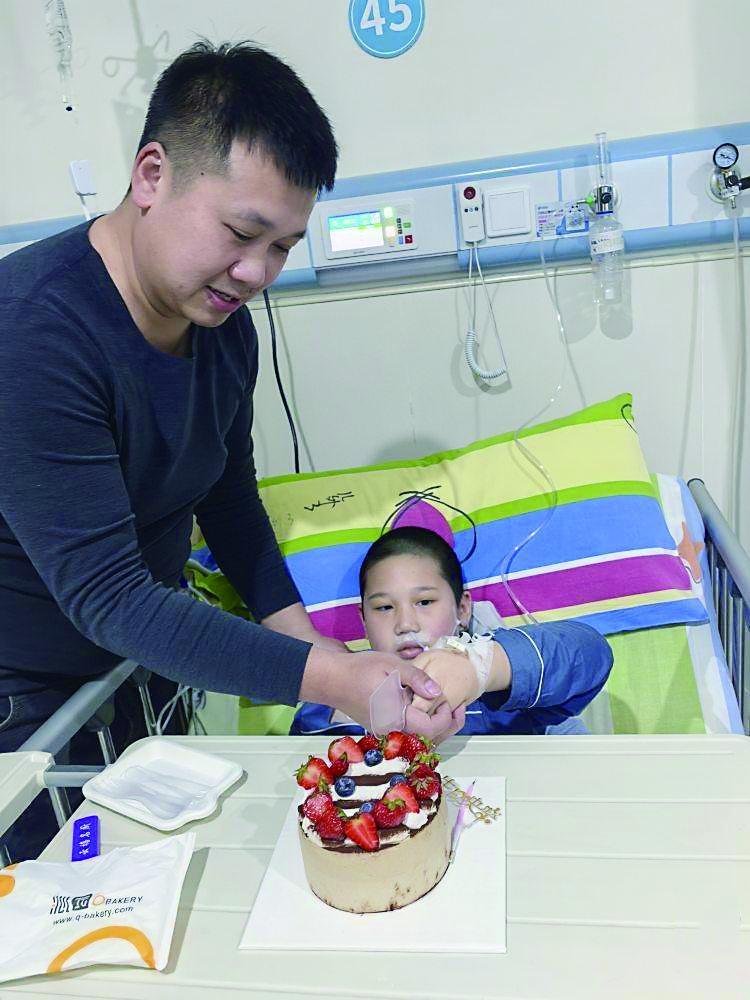
Core Viewpoint - The article highlights the struggles of a single father, Pan Qiqiang, who operates a food stall to fund his son's cancer treatment while also caring for his ailing mother, showcasing resilience and community support in the face of adversity [6][19]. Group 1: Personal Struggles - Pan Qiqiang changed his social media name to "Junhong Dad" to motivate himself while live-streaming dance performances to raise funds for his son Junhong's medical expenses after the boy was diagnosed with neuroblastoma [7][8]. - The family faced multiple health crises, with Junhong's diagnosis coinciding with his grandmother's severe liver failure, forcing them to relocate and live in a cramped space near the hospital [9][10]. - Despite facing criticism during his live streams, Pan continued to perform, driven by the need to support his son [10][11]. Group 2: Business Operations - To generate income, Pan repurposed a tricycle into a food stall, selling dumplings and other snacks, emphasizing the importance of quality ingredients for his customers, many of whom are families visiting the hospital [12][13]. - The food stall operates daily, with Pan managing the preparation and cooking while also engaging in live streaming to maintain visibility and support [12][13]. - The stall has seen varying success, with daily sales peaking at over 500 yuan, which is still insufficient compared to the monthly medical expenses exceeding 300,000 yuan [13]. Group 3: Community and Support - Pan's food stall has become a symbol of hope, attracting support from the community, including other parents facing similar challenges, fostering a network of mutual assistance [16][18]. - Other parents, like "Hongyi Dad" and "Kexin Mom," have also started their food stalls, creating a supportive environment where they share resources and provide free meals to those in need [16][18]. - The article emphasizes the collective resilience of these parents, who find strength in each other while striving to provide for their children [19].

4元一碗面 扫码就能吃
Xin Lang Cai Jing· 2025-12-23 20:11
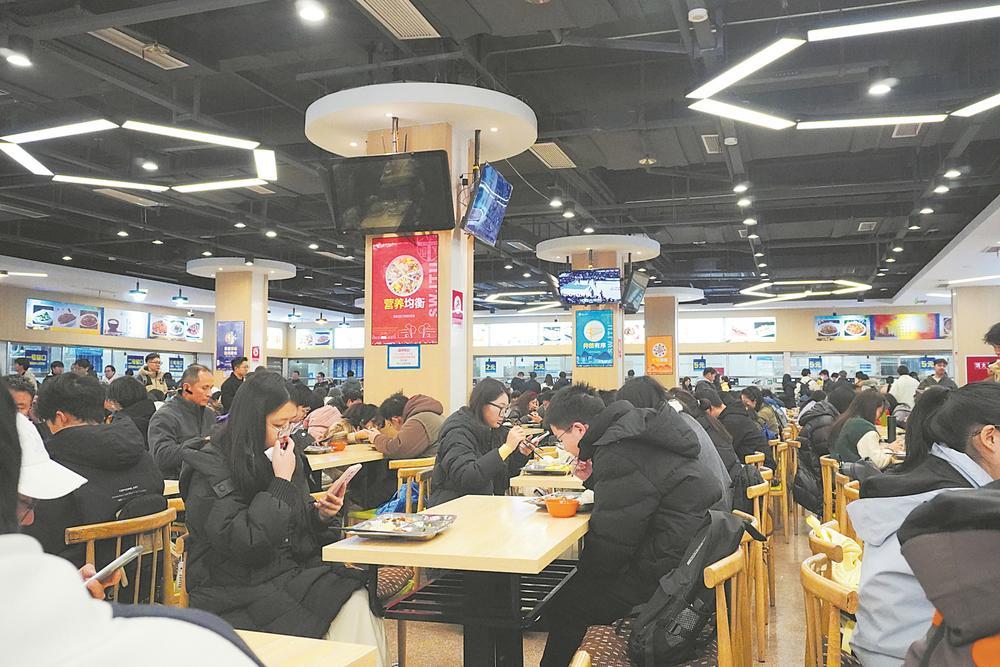
Core Insights - Several universities in Chengdu have opened their canteens to the public, attracting significant attention and creating a unique dining experience for both students and local residents [3]. Group 1: Pricing and Menu Offerings - At Southwest Jiaotong University, a variety of noodle dishes are priced at 4 yuan, with other items like dumplings and wontons costing only 0.4 yuan each [3][4]. - A complete meal with a combination of dishes can be enjoyed for under 10 yuan, while specialty dishes are priced around 10 to 12 yuan [3][6]. - The canteen offers free sour plum soup and vegetable soup, enhancing the overall dining experience [3]. Group 2: Payment Convenience - The canteen supports mobile payment options such as Alipay and WeChat, eliminating the need for a campus card and making it easier for non-students to dine [5]. - This seamless payment experience has been positively received by patrons, including families with children [5]. Group 3: Dining Environment and Community Impact - The canteen is noted for its cleanliness and variety, providing a wide range of food options that cater to different tastes and age groups [6]. - The environment is described as suitable for elderly patrons, with many families choosing to dine there regularly [6][7]. - The canteen has become a community hub, with a diverse mix of diners, including families and local workers, enjoying their meals together [4][7].
广州小店港股上市,遇见小面,如何用一碗面敲开国际资本大门?
Sou Hu Cai Jing· 2025-12-09 09:58
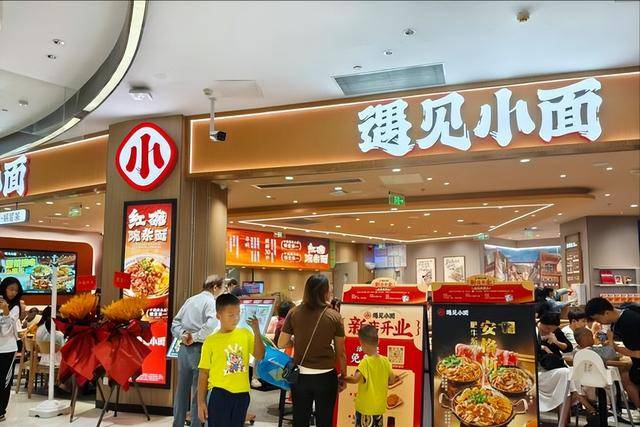
Core Viewpoint - Guangzhou Yujian Xiaomian Restaurant Co., Ltd. has officially listed on the Hong Kong Stock Exchange, becoming the first noodle restaurant to go public, marking a significant milestone for the Chinese dining industry [2][15]. Company Overview - The company issued 97.36 million H-shares at an offering price of HKD 7.04, raising a total of HKD 685 million [4]. - The public offering was oversubscribed by 426 times, with over 60,000 valid applications, indicating strong interest from both local and international investors [4][6]. - Notable cornerstone investors include Hillhouse Capital and Haidilao, which collectively invested USD 22 million, accounting for 25% of the total fundraising [4][6]. Business Performance - Yujian Xiaomian has expanded rapidly from 133 stores in 2022 to 465 stores across 22 cities [8]. - The company’s revenue increased from HKD 418 million to HKD 1.154 billion over three years, nearly doubling [10]. - Adjusted net profit for the first half of the year reached HKD 52.175 million, a 131% increase year-on-year, showcasing strong growth in the restaurant sector [10]. Expansion Strategy - The company plans to open 520 to 610 new stores between 2026 and 2028, focusing on lower-tier cities and international markets [12]. - Investment in the upstream supply chain is crucial, as food costs represent a significant portion of expenses, allowing the company to control quality and costs [12][14]. Industry Context - The listing of Yujian Xiaomian is part of a broader trend in the Hong Kong market, where several Chinese food brands have gone public, indicating a growing interest in the sector [6][15]. - The company’s approach of combining regional flavors with standardized operations serves as a model for other local dining brands aiming for expansion [14][15]. - The successful listing is seen as a milestone for the standardization and capitalization of Chinese fast food, potentially paving the way for more regional brands to enter the market [18][20].
风味不停歇!我校参加”八大学院美食嘉年华”活动
Sou Hu Cai Jing· 2025-10-08 00:50
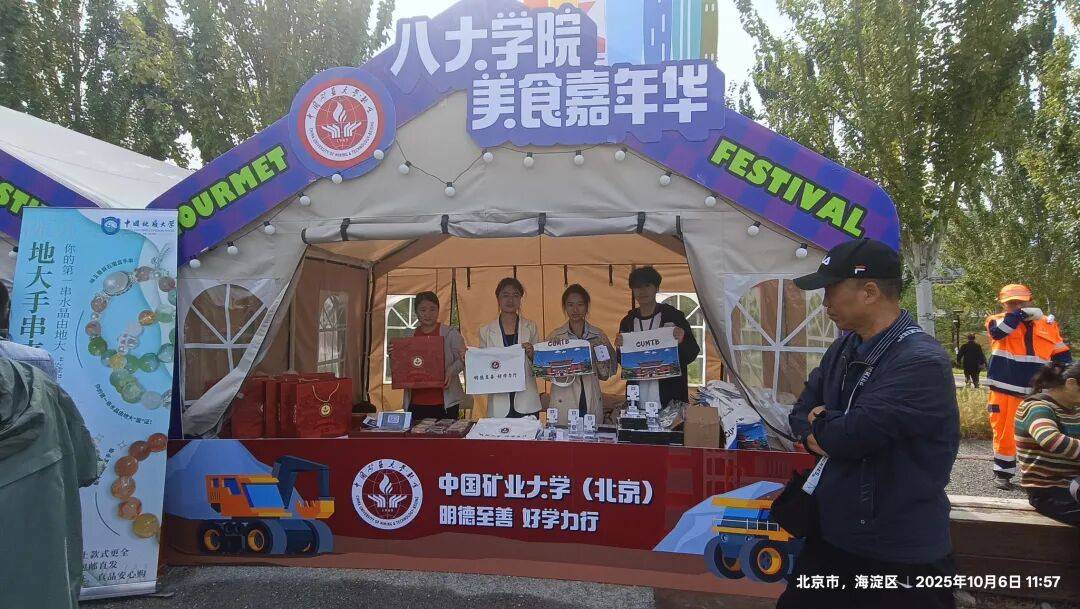
Group 1 - The event "Eight Universities Food Carnival" was organized by the Xueyuan Road and Huayuan Road streets, showcasing culinary offerings from eight renowned universities in Beijing [3][8]. - The catering service center from the university participated with 20 chefs, preparing over 17 classic and innovative dishes, including popular items like egg waffles and grilled squid [3][10]. - The event provided a unique opportunity for citizens to experience the signature dishes of the universities, with a total of 8 food stalls and 1 cultural mooncake stall set up [3][8]. Group 2 - The food carnival highlighted the rich culinary culture of the eight universities, which were established during the 1952 national higher education adjustment [8]. - The event ran daily from 11 AM to 8 PM, allowing citizens to enjoy a variety of hidden menu items from university cafeterias [8][10]. - The grilled squid from China University of Mining and Technology (Beijing) was particularly popular, being referred to as the "best-seller" of the university's night market [10].