炒饭

Search documents
小学生观察日志记录晴雨云变化,春节扬州老街年味浓
Xin Lang Cai Jing· 2026-02-06 23:02
Group 1 - The article describes the vibrant atmosphere of the old street during the Chinese New Year, highlighting the decorations and festive spirit [2] - Various traditional foods and snacks are available, including handmade maltose, which attracts children and families [2] - Performances such as dragon and lion dances are central to the celebrations, showcasing cultural traditions and entertaining the crowd [2] Group 2 - The old street is adorned with red lanterns and spring couplets, creating a welcoming environment for visitors [2] - The article emphasizes the diversity of food options available, including local specialties like Yangzhou lion's head and saltwater duck [2] - The experience of enjoying tea while observing the lively crowd adds to the overall enjoyment of the festive atmosphere [2]
“长江里”,新年见
Xin Hua Ri Bao· 2026-02-03 21:50
Core Viewpoint - The transformation of Kaisha Island reflects the growth of local tourism and food businesses, driven by significant infrastructure projects and an influx of visitors, but also highlights the need for improved facilities and services to support this growth [1][2][4]. Group 1: Local Business Development - The "Mago Fried Rice" stall has become popular, selling 40 to 50 portions daily at prices ranging from 8 to 12 yuan, benefiting from the increasing number of tourists due to new cultural and tourism projects [2]. - The establishment of the Hengli Industrial Park over a decade ago has led to a surge in local food stalls, creating a vibrant food scene that caters to both workers and tourists [1]. Group 2: Challenges Faced - Local vendors face challenges such as adverse weather conditions affecting their operations and the need for a fixed location to ensure stability and comfort [3]. - Tourists have expressed dissatisfaction with the lack of proper infrastructure, including muddy roads and inadequate service facilities, which detracts from their experience [3]. Group 3: Future Developments - Plans are underway to revamp the food street, named "In the Yangtze," with a target opening by May, featuring improved infrastructure, modernized vendor setups, and enhanced hygiene standards [4]. - Additional developments include a kite camping site and recreational areas to further attract visitors and enhance the overall appeal of the island [4].
爸爸妈妈的小吃摊 烟火气中撑起希望
Xin Lang Cai Jing· 2025-12-25 17:24
Core Viewpoint - The article highlights the struggles of a single father, Pan Qiqiang, who operates a food stall to fund his son's cancer treatment while also caring for his ailing mother, showcasing resilience and community support in the face of adversity [6][19]. Group 1: Personal Struggles - Pan Qiqiang changed his social media name to "Junhong Dad" to motivate himself while live-streaming dance performances to raise funds for his son Junhong's medical expenses after the boy was diagnosed with neuroblastoma [7][8]. - The family faced multiple health crises, with Junhong's diagnosis coinciding with his grandmother's severe liver failure, forcing them to relocate and live in a cramped space near the hospital [9][10]. - Despite facing criticism during his live streams, Pan continued to perform, driven by the need to support his son [10][11]. Group 2: Business Operations - To generate income, Pan repurposed a tricycle into a food stall, selling dumplings and other snacks, emphasizing the importance of quality ingredients for his customers, many of whom are families visiting the hospital [12][13]. - The food stall operates daily, with Pan managing the preparation and cooking while also engaging in live streaming to maintain visibility and support [12][13]. - The stall has seen varying success, with daily sales peaking at over 500 yuan, which is still insufficient compared to the monthly medical expenses exceeding 300,000 yuan [13]. Group 3: Community and Support - Pan's food stall has become a symbol of hope, attracting support from the community, including other parents facing similar challenges, fostering a network of mutual assistance [16][18]. - Other parents, like "Hongyi Dad" and "Kexin Mom," have also started their food stalls, creating a supportive environment where they share resources and provide free meals to those in need [16][18]. - The article emphasizes the collective resilience of these parents, who find strength in each other while striving to provide for their children [19].


套餐8.9元起,卤味巨头们集体“卖饭”了
投中网· 2025-12-03 09:30
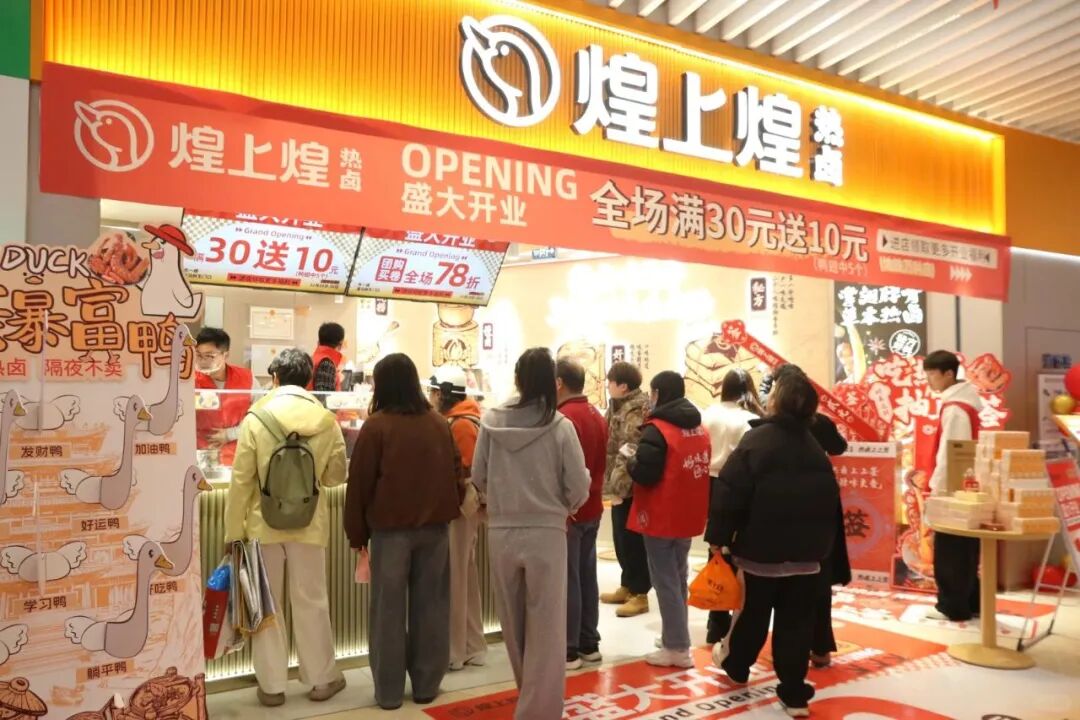
Core Viewpoint - The article discusses the transformation of the Chinese snack food industry, particularly the trend of traditional snack brands, such as Huo Shang Huo and others, shifting towards a fast-food model to adapt to changing consumer preferences and market conditions [4][11]. Group 1: Industry Trends - Huo Shang Huo has opened a new hot marinated food store in Nanchang, which deviates from the traditional takeout model by offering a dine-in experience with tables and chairs [6][7]. - Major brands like Zhou Hei Ya and Jue Wei are expanding their product lines to include staple foods like rice and noodles, aiming to enter the highly competitive fast-food market [4][11]. - The overall growth of the marinated food sector is slowing, with a projected market size of 157.3 billion yuan in 2024, reflecting a decrease in growth rate from 4.8% in 2023 to 3.7% [13]. Group 2: Company Strategies - Huo Shang Huo's new hot marinated food store features a simplified product line with over 30 SKUs, compared to more than 50 in traditional stores, and offers value-driven meal combinations [7][8]. - The company has seen a decline in store numbers from 4,627 in 2020 to 2,898 in the first half of this year, with total revenue for the first three quarters of this year at 1.379 billion yuan, down 5.08% year-on-year [12]. - Other brands are also innovating; for instance, Jue Wei has launched a new store concept that includes a variety of food options and lower-priced items, while Zhou Hei Ya has introduced a sub-brand focusing on fast-casual dining [14][15].



套餐8.9元起,卤味巨头们集体“卖饭”
3 6 Ke· 2025-12-02 12:13
Core Viewpoint - The trend of "fast food" transformation among various braised food brands is emerging, with companies like Huang Shang Huang, Zhou Hei Ya, and Jue Wei Foods expanding their product lines to include staple foods and adopting a fast-casual dining model to adapt to the competitive market [1][7]. Group 1: Company Developments - Huang Shang Huang has opened a new hot braised food store in Nanchang, featuring a simplified design and a menu that includes hot braised dishes, rice, noodles, and drinks, aiming to attract customers with a dine-in experience [2][3]. - The new hot braised store offers over 30 SKUs, which is a reduction from the 50+ SKUs available at traditional Huang Shang Huang outlets, focusing on value through combo meals priced between 30-40 yuan per person [3][6]. - The company has previously tested the hot braised food market with its "Boiling Braised" project launched in April 2020, but significant investment in this area was lacking until recent developments [6]. Group 2: Industry Trends - The overall performance of the braised food sector is declining, with Huang Shang Huang's store count dropping from 4,627 in 2020 to 2,898 in the first half of this year, and a revenue decrease of 5.08% year-on-year to 1.379 billion yuan in the first three quarters [7]. - The braised food market is projected to grow at a slower rate, with a market size of 157.3 billion yuan in 2024, reflecting a decline in growth rate from 4.8% in 2023 to 3.7% [7]. - Competitors are also adapting by launching new store formats and product lines, such as Jue Wei Foods' "Jue Wei Fresh Braised" store and "Jue Wei Plus" outlets, which offer a wider variety of food items at lower price points [7][8].
从流动饭摊到固定档口 他们这样守护“猛火炒饭”的烟火气
Yang Shi Xin Wen· 2025-11-23 08:31
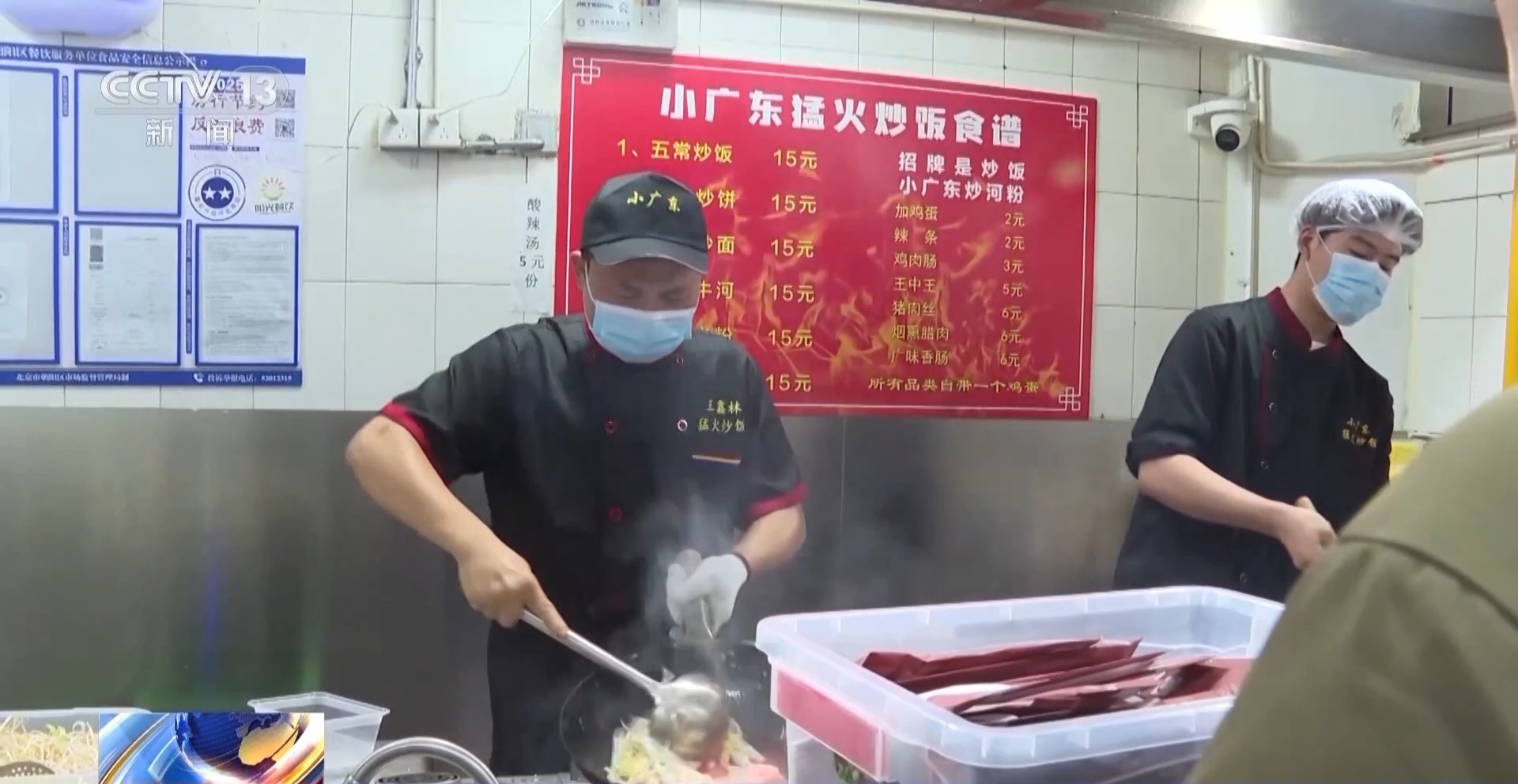
Core Insights - The mobile food stall "Mighty Fire Fried Rice" has transitioned to a fixed location in Beijing's Chaoyang District, maintaining its popularity among customers despite the change [1][37] - The owner, Wang Xinlin, emphasizes the importance of quality and customer satisfaction, implementing a two-portion limit per person to manage demand [8][6] Group 1: Business Transition - The stall has moved from a mobile operation to a permanent storefront, which is small but still attracts long queues of customers [1][3] - The new shop operates from 5 PM to 2 AM, often exceeding these hours due to high customer demand [4][6] - The owner has faced challenges in maintaining the same quality of fried rice as before, citing issues with cooking conditions in the new location [33][37] Group 2: Customer Experience - Customers are willing to wait in long lines for the fried rice, with reports of queues extending up to 60 meters [1][4] - The cooking process is highlighted for its speed and quality, with fried rice being prepared in under two minutes [13][9] - The shop has attracted a diverse customer base, including visitors from various cities across China [6][17] Group 3: Quality Control - The owner insists on using high-quality ingredients and proper cooking techniques to ensure the fried rice remains flavorful [11][14] - There have been adjustments made to the cooking equipment to replicate the original taste of the fried rice [35][33] - The collaboration with a local restaurant has allowed the owner to focus on cooking while the restaurant handles supply and logistics [29][27] Group 4: Community Support - Local authorities have played a role in helping the owner transition to a legal business operation, providing assistance with permits and licenses [25][23] - The partnership with the restaurant has resulted in mutual benefits, increasing customer traffic and revenue for both parties [37][25]
吃饭挑选餐馆前需要关注的四大核心参考维度
Xin Lang Cai Jing· 2025-09-29 09:16
Core Viewpoint - The article emphasizes the importance of selecting restaurants based on safety, quality, and transparency, highlighting common issues such as misleading promotions and hidden charges that can lead to customer disappointment [1]. Group 1: Official Regulatory Channels - Official channels serve as a "touchstone" for assessing restaurant compliance, helping to eliminate safety hazards from the source [2] - The "National Enterprise Credit Information Publicity System" allows users to verify two key pieces of information: the restaurant's operating qualifications and its credit status, including any administrative penalties for food safety violations [2] - Local market supervision accounts may publish "red and black lists" of restaurants, aiding consumers in making informed choices based on hygiene and compliance records [2] Group 2: Reputation Evaluation Channels - Reputation evaluations act as a "barometer" for restaurant quality, with platforms like Black Cat Complaints providing risk warnings and complaint tags to identify potential issues [3] - Specific complaints can reveal critical insights, such as hidden charges or food quality concerns, guiding consumers to avoid problematic establishments [3] - The complaint resolution rate on these platforms reflects a restaurant's responsiveness to issues, indicating how disputes may be handled [3] Group 3: Menu and Dish Channels - The menu serves as a "business card" for restaurants, and understanding its details can help match consumer preferences and budgets [5] - Restaurants focusing on specific cuisines are more likely to deliver authentic flavors, while clear ingredient sourcing can indicate higher quality [5] - Dish evaluations on platforms can highlight must-try items and those to avoid, enhancing the dining experience [5] Group 4: Pricing and Package Channels - Properly checking prices and package rules can help consumers avoid spending traps and achieve optimal value [7] - Consumers should be aware of hidden costs like service fees and confirm any restrictions on promotional packages to prevent disappointment [7] - Verifying the bill before payment is crucial to ensure accuracy and that discounts are applied correctly [7]
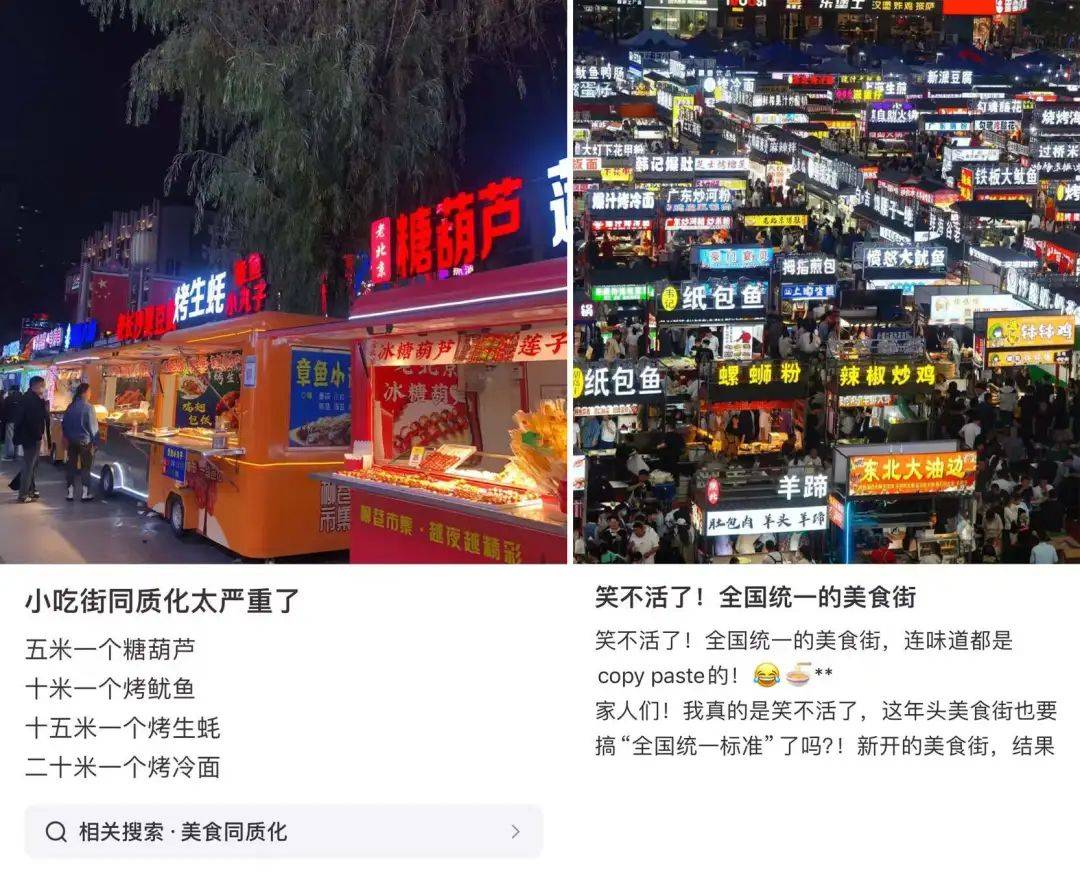
夜市摆摊:站着进场,跪着出来
Hu Xiu· 2025-05-12 02:14
Group 1 - The core viewpoint is that the night market in Zibo has undergone a significant transformation, evolving from a traditional food market into a vibrant commercial complex that attracts large crowds [2][3][4] - The new commercial complex "Zhe You Ju Er" features a blend of traditional and modern aesthetics, maintaining high popularity despite the changes [3][5] - The revitalization of Zibo's night market reflects a broader trend across various cities in China, where night markets and street vendors are being embraced to enhance urban life and economic activity [6][11] Group 2 - The booming night market scene is attributed to multiple factors, including supportive government policies that encourage the development of night markets and street vendors as indicators of urban livability [13][14] - The rise of night markets provides opportunities for ordinary individuals to start low-barrier entrepreneurial ventures, especially in the context of rising unemployment among youth [16][18] - Consumers are drawn to night markets for their authentic atmosphere, social interaction, and the appeal of casual dining experiences [19][20] Group 3 - Despite the apparent success of the street vendor economy, many entrepreneurs face challenges, including product homogenization and intense competition leading to price wars [23][26] - Issues such as food safety concerns and the emergence of overpriced vendors are causing consumer dissatisfaction, which could dampen the enthusiasm for night markets [28][30] - The entrepreneurial landscape is complicated by the presence of misleading "get-rich-quick" schemes that lure inexperienced individuals into the market without proper guidance [32][34] Group 4 - While starting a street vending business is relatively easy, success requires careful planning, product differentiation, and a strong understanding of market dynamics [40][42] - The night market environment is not merely a casual venture; it demands hard work and resilience from vendors who must navigate various operational challenges [41][43] - Ultimately, the street vending scene serves as both an entrepreneurial platform and a reflection of market realities, emphasizing the importance of sustainable practices and customer loyalty [43]