护肤彩妆

Search documents
月销百万,复购30%!这家新零售把“小众”玩明白了
Sou Hu Cai Jing· 2026-01-06 11:09
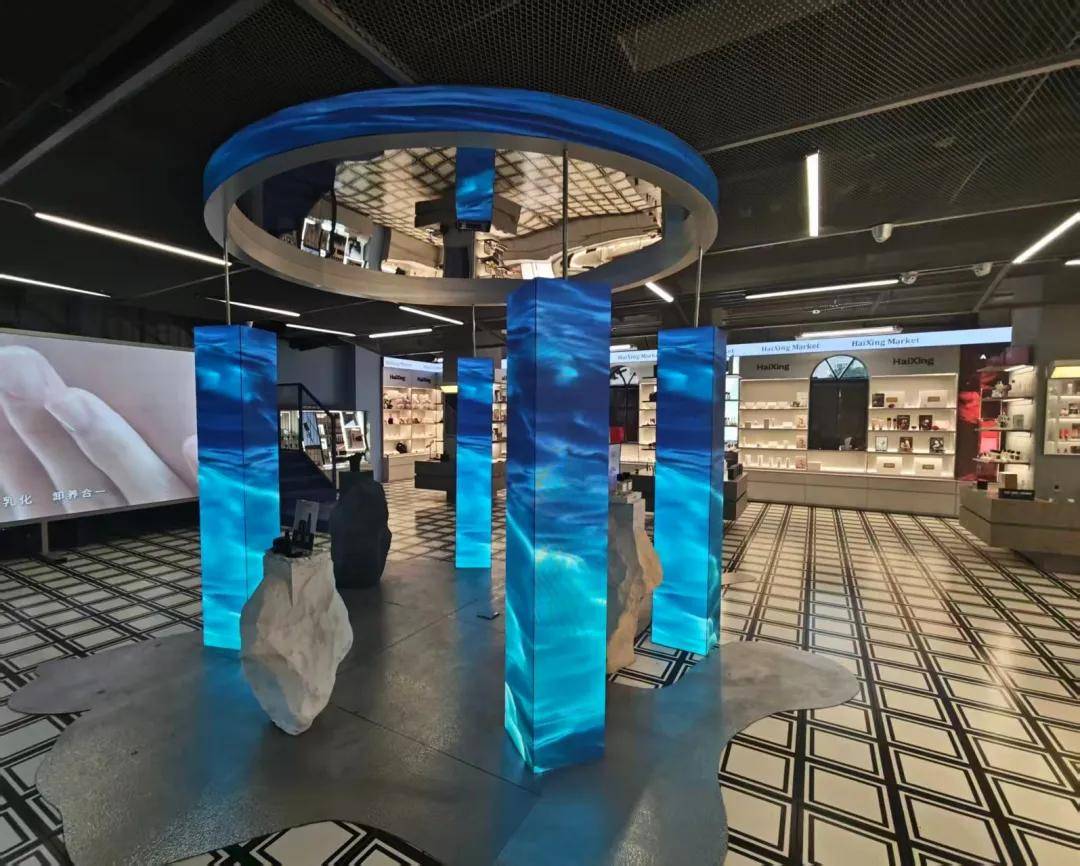
Core Insights - HaiXing Market is emerging as a new retail model in China, defined as a "pioneering aesthetic inspiration space" and likened to a "shoppable Xiaohongshu" [1] - The company aims to fill significant gaps in mainstream retail channels by focusing on niche brands that face high entry barriers in traditional department stores and beauty collection stores [3] Business Model - HaiXing Market was strategically founded in 2024 to create an innovative channel dedicated to selecting, nurturing, and commercializing niche brands [3] - The average monthly sales per store can reach 1 million yuan, with a customer unit price between 400-1000 yuan and a gross margin of 50%-55% [3] - The company has accumulated over 4,000 members within a year, with a repurchase rate of 30%, indicating strong customer loyalty [3] Market Opportunity - The Chinese fragrance market is experiencing rapid growth, with a projected market size of 27.852 billion yuan in 2024 and a compound annual growth rate of 18.9% over the past five years [6] - The shift in consumer behavior from "ostentatious consumption" to "self-care consumption" positions fragrance as a key area for future growth [6] Unique Selling Proposition - HaiXing Market is evolving from a fragrance collection store to a comprehensive "pioneering aesthetic department store," utilizing a unique "442" model that allocates 40% to fragrance, 40% to skincare and makeup, and 20% to boutique items [7] - The company positions itself as a "co-builder" of an ecosystem rather than a traditional retailer, offering customized services for commercial projects [8] Competitive Advantage - HaiXing Market has established a "triple identity" barrier as a brand partner, e-commerce operator, and commercial real estate owner, which differentiates it from typical collection stores [8][10] - The company provides a full range of services from cross-border introduction to brand image shaping, allowing for multiple revenue streams beyond traditional retail margins [10] Strategic Partnerships - A strategic cooperation agreement with JD Global Purchase aims to introduce 50 pioneering overseas brands by the end of 2025 and support 100 new brands to achieve sales of 100 million yuan within three years [12] - The partnership leverages HaiXing Market's international brand network and JD's extensive supply chain capabilities to enhance cross-border consumption [12] Store Experience - Each store is designed to reflect the historical and cultural context of its location, creating unique "check-in landmarks" that avoid the aesthetic fatigue common in chain stores [13] - The retail space is redefined as an experience and content hub, emphasizing a relaxed shopping atmosphere where customers can freely engage with products [18] Operational Strategy - HaiXing Market adapts its brand mix and product planning based on the location and customer demographics of each store, ensuring relevance and appeal [19] - The company has successfully expanded its footprint in major cities like Shanghai, Hangzhou, and Beijing, with plans for international expansion into markets like Seoul and Vietnam [19]

上海市中心这一免税店让出境购物"从从容容"
Xin Lang Cai Jing· 2025-12-27 12:30
Group 1 - Shanghai is accelerating the construction of an international consumption center city, with the recent upgrade and reopening of the duty-free shop in the Nanjing West Road business district as a key initiative [1] - The new duty-free shop offers a wide range of products, including skincare, cosmetics, perfumes, alcohol, and luxury bags, with promotional activities such as discounts as low as 10% and gifts for customers [1] - The shopping process at the duty-free shop has been streamlined, allowing consumers to purchase items by presenting their passport and outbound travel proof within 60 days, with pickup at the port of exit [1] Group 2 - The Jing'an District has developed the largest and highest-quality tax refund business district in Shanghai, with over 800 tax refund merchants, including more than 100 "buy and refund" merchants [2] - The introduction of the "buy and refund" service has significantly increased foot traffic from international tourists, who find the shopping experience in Shanghai appealing due to the variety of products and convenient tax refund process [2] - Jing'an District is exploring a bonded display and trading model for high-end consumer goods in the core urban area, with a bonded display platform having hosted over ten international brand launches since its inception [2]
“双11”都那样了,为什么我们还需要“双12”?
Xin Lang Cai Jing· 2025-12-12 03:50
Core Insights - The significance of the "Double 12" shopping festival is being redefined as it faces challenges in consumer engagement and competition with "Double 11" [1][3] - E-commerce platforms are adopting a more subdued approach to "Double 12," focusing on gradual promotions rather than aggressive marketing [3][5] - Content platforms like Douyin and Kuaishou are integrating "Double 12" into a broader "Year-End Carnival," shifting the focus from a single promotional event to a longer engagement period [5][9] E-commerce Platforms' Strategies - Major platforms such as Taobao and JD.com have started "Double 12" quietly, without extensive advertising, creating a low-pressure shopping environment [3][4] - Pinduoduo continues to emphasize its competitive pricing strategy rather than focusing on specific promotional events, maintaining a consistent value proposition [3][4] - The approach of content platforms contrasts sharply, as they aim to create a continuous shopping atmosphere rather than a singular event, thereby reducing the urgency associated with traditional sales [5][9] Consumer Behavior and Market Trends - Consumers are exhibiting a shift from impulsive buying to more deliberate purchasing decisions, seeking tailored solutions rather than responding to promotional pressure [1][3] - The "Double 12" festival is seen as a necessary anchor in the year-end shopping cycle, catering to ongoing consumer needs that arise after "Double 11" [10][14] - The festival serves as a critical period for merchants to clear inventory and meet year-end sales targets, highlighting its practical importance in the retail calendar [10][14] Future of "Double 12" - The festival's role is evolving from a peak sales event to a stabilizing force in the e-commerce landscape, ensuring continuous engagement and managing consumer expectations [14] - As promotional events become more commonplace, "Double 12" is positioned as a key transitional point in the annual sales cycle, helping to maintain platform activity and brand visibility [14] - The overall market is experiencing a slowdown in growth, making the steady presence of "Double 12" more relevant as a reliable sales milestone [14]

到东门购物可以办理离境退税了 东门商圈首个“即买即退”集中退付点启用
Sou Hu Cai Jing· 2025-06-18 01:26
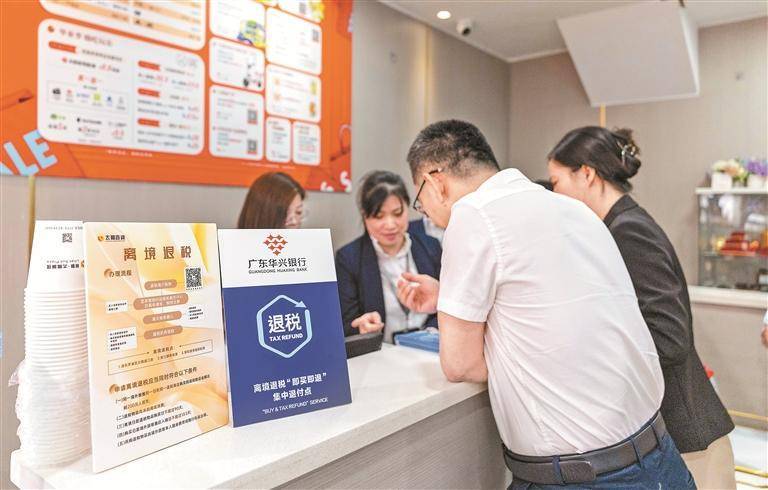
Group 1 - The first "immediate buy and refund" tax refund point for outbound tourists has been officially launched at Dongmen Suning Department Store, enhancing the shopping experience for international travelers [1][3] - The new tax refund service allows travelers to process refunds on-site after shopping, significantly reducing the time required for refund procedures to just a few minutes [1] - Currently, there are 66 merchants in Dongmen Suning Department Store participating in the immediate tax refund program, covering luxury watches, fashion apparel, and skincare products [1] Group 2 - The Luo Hu District is leveraging its advantageous position as a commercial and consumption hub to develop a robust outbound tax refund shopping network [2] - The district is enhancing traveler services by introducing multiple shuttle bus routes and plans for autonomous bus lines to improve access to major shopping areas [2] - Digital upgrades are being implemented to enrich electronic refund channels, aiming to provide a better shopping experience for travelers [2]
2025年下沉市场消费业态与商业机会深度剖析
Sou Hu Cai Jing· 2025-05-27 15:56
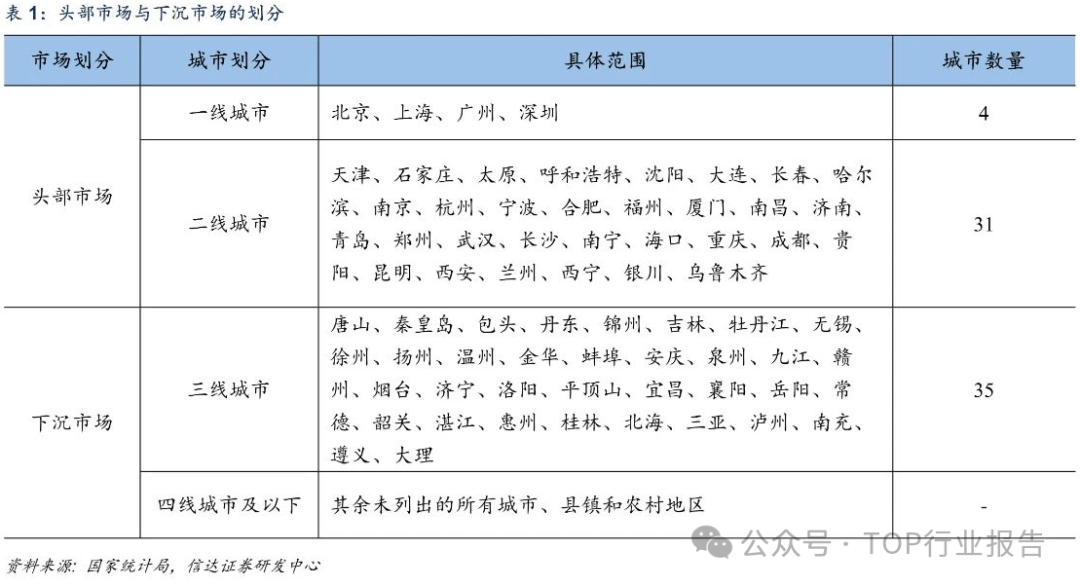
Market Overview and Core Characteristics - The sinking market includes third-tier cities, towns, and rural areas, with a population exceeding 900 million, accounting for over 65% of the national population. By 2025, the GDP of the sinking market is expected to reach 109.9 trillion yuan, with retail sales of social consumer goods likely to exceed 35 trillion yuan. The sinking market contributes approximately 48% to national consumption, with more than two-thirds of future consumption growth expected to come from this market [1][2][4]. Core Drivers - Income levels in the sinking market have been rising, with the median disposable income of urban residents projected to reach 49,000 yuan in 2024, a 48% increase from 2017. This increase allows residents to spend more on upgraded and quality consumption [4]. - The improvement of logistics and supply chain systems has significantly lowered consumption thresholds in the sinking market. By 2025, the online retail scale in this market is expected to reach 8.1 trillion yuan, providing consumers with more diverse and convenient shopping channels [6]. - Consumer attitudes are shifting from basic material needs to a focus on quality and variety. There is a steady increase in the consumption of durable goods, such as smart home appliances, and various service sectors, including dining and entertainment [6]. Core Consumption Formats and Growth Areas - Service consumption is accelerating, with coffee brands like Starbucks and Luckin Coffee seeing membership growth rates in the sinking market surpassing those in first-tier cities. Fast food and snack brands are successfully capturing market share through differentiated strategies [7]. - The tourism and leisure sectors are evolving, with "reverse tourism" gaining traction in the sinking market, leading to increased interest in lesser-known attractions and rural tourism projects [9]. - The demand for education and life services is robust, with community commercial chains expanding to meet daily service needs, enhancing residents' quality of life [9]. Emerging Formats and Channel Innovations - Digital integration is becoming a key trend, with companies like Huitongda Network achieving online and offline synergy, enhancing consumer shopping experiences [13]. - Community convenience formats are proliferating, driven by policies promoting a "15-minute living circle," which meets residents' immediate consumption needs [14]. - Reverse innovation is evident as high-end brands adapt to the sinking market, while local brands expand into higher-tier cities after establishing a strong presence [14]. Business Opportunities and Strategic Directions - High-cost performance chain brands in the food and beverage sector have significant growth potential, with standardized operations allowing for rapid expansion in the sinking market [15]. - Durable goods companies can optimize supply chains to lower costs and offer competitive pricing, stimulating demand in the sinking market [16]. - The county-level commercial real estate market presents substantial opportunities, with the potential to develop integrated commercial complexes that enhance local economic vitality [16]. Differentiated Competitive Strategies - Local adaptation is crucial, with companies needing to understand local consumption habits and cultural characteristics to avoid simply replicating urban business models [17]. - Supply chain optimization is essential for reducing operational costs, particularly in logistics, to meet the price-sensitive demands of the sinking market [17]. - Consumer finance solutions can empower the large consumer base in the sinking market, facilitating access to high-value goods and services [17]. Policy and Capital Dividends - Government policies are supporting rural revitalization and county commercial system development, enhancing infrastructure and encouraging investment in the sinking market [18]. - Increasing capital interest in the sinking market is evident, with sectors like consumer finance and digital services attracting significant investment [20]. Challenges and Recommendations - The sinking market faces challenges such as insufficient supply quality and heightened competition between traditional and emerging retail formats [21]. - Companies should leverage local resources to develop unique industries, enhancing brand value and driving consumer engagement [22]. - Digital transformation is vital for retail competitiveness, utilizing technology to optimize operations and improve consumer experiences [22]. Summary - By 2025, the sinking market is expected to exhibit a favorable development trend characterized by consumption upgrades and structural opportunities. Key growth points include service consumption, durable goods upgrades, digital integration, and policy support. Companies must focus on local demand, optimize supply chains, and leverage policy and capital advantages to succeed in this emerging market [24].