
摄像头模块

Search documents
“潮汕女首富”胞弟冲刺IPO,“立讯系”又添一员猛将
Xin Lang Cai Jing· 2025-12-19 13:07
Core Viewpoint - The "Lixun System" is expanding its family business with two IPOs, led by Lixun Precision and its brother company Lijing Innovation, marking a significant moment in the capital market [1][2]. Group 1: Company Overview - Lijing Innovation specializes in precision optical solutions, providing camera modules and display modules for various consumer electronics, with a notable presence in the global market [3]. - The company has seen substantial revenue growth, with revenue increasing from 12.75 billion in 2022 to 27.91 billion in 2024, and a 54.3% year-on-year increase in the first half of 2025 [3][4]. - The net profit also grew significantly, from 689 million in 2022 to 1.05 billion in 2024, with a 101.5% increase in the first half of 2025 [3]. Group 2: Revenue Composition - The consumer electronics segment is the primary revenue driver, contributing 88.2% of total revenue in the first half of 2025, amounting to 12.51 billion [3]. - Other business segments, including automotive electronics and emerging fields, contributed 3.76 billion, 7.27 billion, and 5.78 billion respectively, accounting for 2.6%, 5.1%, and 4.1% of total revenue [4]. Group 3: Client Concentration - Lijing Innovation has a high client concentration, with revenue from the top five clients increasing from 11.6 billion in 2022 to 24.8 billion in 2024, representing 88.7% of total revenue [5]. - The largest single client, referred to as "Client A," is believed to be Apple, with revenue from this client rising from 7.4 billion in 2022 to 17.2 billion in 2024, making up 61.6% of total revenue [5][6]. Group 4: Financial Health - The company’s total liabilities increased from approximately 2.7 billion to 5.95 billion from 2022 to the first half of 2025, while cash reserves stood at 4.16 billion [6]. - The IPO aims to raise funds for R&D, optimizing manufacturing platforms, and repaying existing bank loans [6]. Group 5: Acquisition Strategy - Lijing Innovation's growth strategy heavily relies on acquisitions, mirroring the path of its sibling company Lixun Precision, which has made significant acquisitions to expand its market presence [7][8]. - The company has made several key acquisitions, including a 3.6 billion acquisition of a camera module division and a 21.96 billion acquisition of a front camera supplier for Apple [8]. Group 6: Leadership and Governance - The leadership of Lijing Innovation is closely tied to the Wang family, with Wang Laichun serving as chairman and her brother Wang Laixi as the founder and executive director [11][12]. - The executive team is composed of individuals with extensive experience in the Lixun system, ensuring a strong strategic alignment [13][14].

“潮汕女首富”胞弟携立景创新冲刺IPO,“立讯系”又添一员猛将!
Sou Hu Cai Jing· 2025-12-19 12:30
Group 1 - The core narrative revolves around the expansion of the "Lixun system" with two IPOs, one for Luxshare Precision and another for its sibling company, Lijing Innovation, marking a significant move in the Hong Kong IPO market [2][3] - Key figures in this expansion are Wang Laichun, the leader of Luxshare Precision, and her brother Wang Laixi, the founder of Lijing Innovation, both of whom have extensive experience in the industry [2][4] Group 2 - Lijing Innovation, a precision optical solutions provider, has seen its revenue grow from 12.75 billion yuan in 2022 to 27.91 billion yuan in 2024, with a 54.3% year-on-year increase in the first half of 2025 [4][6] - The company's net profit also increased significantly, from 689 million yuan in 2022 to 1.052 billion yuan in 2024, with a 101.5% year-on-year rise in the first half of 2025 [6] Group 3 - The majority of Lijing Innovation's revenue comes from consumer electronics, particularly camera modules, which accounted for 88.2% of total revenue in the first half of 2025 [6][8] - The company has a high customer concentration, with its top five clients contributing 89% of revenue in the first half of 2025, and a significant portion of sales attributed to a major client, identified as Apple [8][10] Group 4 - Lijing Innovation's IPO aims to raise funds for R&D in precision optical products, optimization of smart manufacturing platforms, and repayment of existing bank loans, among other uses [10][12] - The company has a history of strategic acquisitions, mirroring the expansion strategy of Luxshare Precision, which has also engaged in numerous acquisitions to enhance its market position [14][16] Group 5 - The leadership of Lijing Innovation is heavily influenced by the "Lixun system," with a management team composed of individuals with over ten years of experience in Luxshare Precision [17][22] - The Wang family, which controls both companies, has established a broad industrial network that includes various suppliers and partners within the Apple supply chain [20][24]

“扶弟魔”王来春,给胞弟“组装”一个立讯精密
Xin Lang Cai Jing· 2025-12-17 09:48
Core Viewpoint - Lijing Innovation Technology Co., Ltd. has submitted its listing application on the Hong Kong Stock Exchange, aiming to replicate the success of Luxshare Precision through strategic acquisitions and expansion into various optical module markets [2][4]. Group 1: Company Overview - Lijing Innovation is a provider of precision optical solutions targeting high-end optical modules and system integration markets in consumer electronics, automotive electronics, smart office applications, and emerging fields like smart robotics and XR smart terminals [2]. - The company has quickly established itself as a leader in several segments of the consumer electronics camera module market, ranking second globally and first among Chinese manufacturers [2][10]. Group 2: Business Expansion and Acquisitions - The company has pursued a strategy of aggressive acquisitions, including a notable $360 million acquisition of the camera module division from Lite-On Technology, marking its entry into the camera module industry [5][6]. - Lijing Innovation has also expanded its business into office applications by acquiring Lite-On's smart office business for approximately 1 billion yuan and 80% of Konica Minolta's optical instruments in Shanghai for about 173 million yuan [8][10]. Group 3: Financial Performance - Revenue for Lijing Innovation is projected to grow from 12.75 billion yuan in 2022 to 27.91 billion yuan in 2024, with a significant contribution from the acquisition of Highgreat Electronics, which accounted for 58.6% to 68.9% of total revenue during this period [10][11]. - The company has experienced a substantial increase in net profit from Highgreat Electronics, which contributed between 55% to 90.4% of Lijing Innovation's net profit from 2022 to 2025 [11][13]. Group 4: Financial Challenges - Lijing Innovation faces increasing financial pressure due to rising debt levels, with total liabilities growing from approximately 2.7 billion yuan in 2022 to 5.95 billion yuan in the first half of 2025, primarily from bank loans and lease liabilities [19][22]. - The company's interest expenses have also risen, from 130 million yuan in 2022 to 252 million yuan in 2024, indicating a growing financial burden [23][19]. Group 5: Market Dependency - A significant portion of Lijing Innovation's revenue is derived from its largest customer, Apple, with revenue from Apple accounting for 57.9% to 67.6% of total income from 2022 to 2025 [13][16]. - The company has shown a reliance on Apple for both revenue and supply chain dynamics, which poses risks given the volatility of orders from this major client [16][13].

关税壁垒消除 三星电子重启墨西哥摄像头工厂投资
Sou Hu Cai Jing· 2025-12-02 08:46
Group 1 - Samsung Electronics is resuming plans to build a camera module factory in Mexico, which had been previously paused due to policy uncertainties [1][3] - The investment was initially halted due to changes in U.S. tariff policies and trade agreement negotiations, but the recent exemption of a 25% tariff on automotive parts under the USMCA has removed a significant barrier [5] - The demand for camera modules in the North American market is increasing, prompting Samsung to reassess its investment in Mexico [5] Group 2 - Samsung established a legal entity in Mexico in November 2023 to advance its localization efforts for the camera module factory aimed at the automotive sector [3] - The company is currently supplying camera modules to Tesla, and expanding this partnership is part of the strategy to create a more stable supply chain through the new factory [5] - Additionally, Samsung plans to supply camera modules for humanoid robots and has received related business orders, which are in the process of being finalized [6]
存储芯片巨头突发涨价,全系上调10%
2 1 Shi Ji Jing Ji Bao Dao· 2025-09-14 13:43
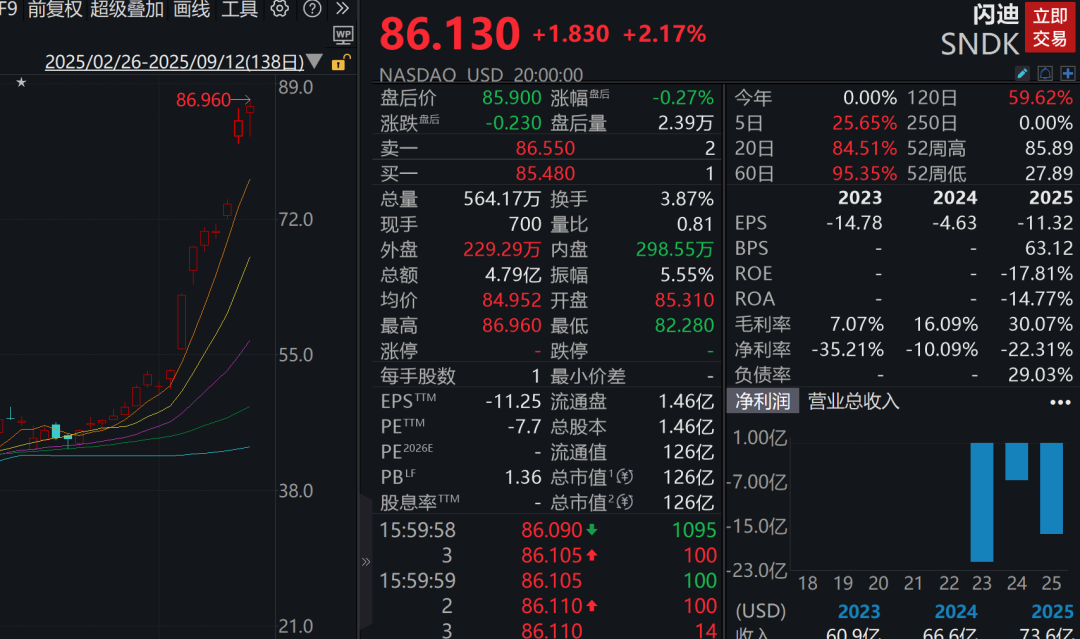
Core Insights - The upstream supply chain for the smartphone industry is experiencing price increases, with SanDisk announcing a price hike of over 10% for all products, potentially signaling a new round of price increases across the board [1] - The domestic smartphone market has shown a "rise and then fall" trend, with high-end market support becoming more pronounced, as evidenced by a 4% year-on-year decline in smartphone shipments in Q2 2025 [2] - The "national subsidy" program has had a stimulating effect on high-end smartphone sales, but its impact is expected to diminish in the second half of the year, leading to increased competition among manufacturers [2][10] Supply Chain Dynamics - Major storage manufacturers have announced production halts for DDR4 products, leading to a price inversion with DDR5, although some manufacturers are reconsidering complete halts due to ongoing supply-demand imbalances [1] - The DRAM price index has increased by approximately 72% in less than six months, with DDR4 and LPDDR4X prices starting to rise in Q2 and expected to continue through the end of the year [5] - Micron's exit from the mobile NAND market is anticipated to result in a slight increase in NAND prices in Q4 [6] Company Performance - Sunny Optical reported a revenue of 19.652 billion yuan in the first half of the year, a 4.2% increase year-on-year, despite a 21% decline in smartphone camera module shipments [3] - Q Technology achieved a revenue of approximately 8.832 billion yuan, a 15.1% year-on-year increase, driven by a 47.9% growth in sales of camera modules for non-mobile applications [3] - The average selling price of camera modules increased by about 27.2%, contributing to revenue growth for Q Technology [3] Market Trends - The high-end smartphone segment, priced above $600, saw a year-on-year shipment increase of approximately 9.2% in the first half of the year, indicating strong resilience [4] - The overall global smartphone shipment is projected to reach 1.22 billion units in 2023, reflecting a slight year-on-year increase of 0.1% [4] - The competitive landscape is shifting, with manufacturers focusing on differentiation and high-quality products to stimulate consumer demand for upgrades [4][10] Strategic Responses - Companies are adapting to rising supply chain costs by increasing inventory and diversifying suppliers for mid-range memory components [9] - Realme plans to enhance its product offerings and marketing strategies, focusing on differentiation to attract younger consumers [10] - The company aims to open 400 new service and experience stores, bringing the total to 900 by the end of the year [10]
供应链波动、旗舰机箭在弦上,手机厂商角逐下半年
2 1 Shi Ji Jing Ji Bao Dao· 2025-09-11 10:00
Group 1: Market Trends - The upstream supply chain is experiencing price increases, with SanDisk announcing a price hike of over 10% for all products, potentially signaling a new round of price increases across the industry [1] - The domestic smartphone market showed a "first rise then fall" trend in the first half of the year, with a 4% year-on-year decline in smartphone shipments in Q2 2025, ending six consecutive quarters of growth [2] - The high-end smartphone market is showing resilience, with shipments of devices priced over $600 increasing by approximately 9.2% year-on-year in the first half of the year [4] Group 2: Supply Chain Dynamics - Major storage manufacturers have announced production halts for DDR4 products, leading to a price inversion with DDR5, although some manufacturers are reconsidering complete halts due to ongoing demand [1][5] - DRAM prices have surged by about 72% in less than six months, with DDR4 and LPDDR4X prices starting to rise in Q2 and expected to continue through the end of the year [5] - The exit of Micron from the mobile NAND market is anticipated to cause a slight increase in NAND prices in Q4 [6] Group 3: Company Performance - Sunny Optical reported a revenue of 19.652 billion yuan in the first half of the year, a 4.2% increase year-on-year, despite a 21% decline in smartphone camera module shipments [3] - Qiu Tai Technology achieved a revenue of approximately 8.832 billion yuan, a 15.1% year-on-year increase, driven by growth in non-mobile sectors and an increase in average selling prices of camera modules [3] - The company plans to focus on high-end camera modules and expand into automotive and IoT sectors, which has positively impacted their gross margin [3] Group 4: Competitive Strategies - Companies are focusing on product differentiation and high-quality offerings to stimulate consumer demand in a competitive market [2][7] - Realme is planning to enhance its product offerings and marketing strategies, including the introduction of flagship models and the expansion of service outlets [7] - The competitive landscape is intensifying as major brands, including Apple, have launched new flagship products, prompting domestic manufacturers to prepare for aggressive market strategies [7]
大行评级|中银国际:上调丘钛科技目标价至16.4港元 维持“买入”评级
Ge Long Hui· 2025-08-12 07:28
Core Viewpoint - The report from Zhongyin International indicates that Qiu Tai Technology benefits from the trend of optical image stabilization (OIS) and periscope lens specifications upgrades in Android smartphones, along with a close collaboration with Goodix Technology to enhance market share in ultrasonic fingerprint modules. The company's performance in the first half of the year was strong, with a gross margin reaching a new high of 7.4% since the second half of 2021, and a net profit of 308 million yuan, representing a year-on-year growth of 168%, in line with previous profit warnings [1] Group 1 - Qiu Tai Technology's non-smartphone business, including IoT and automotive modules, has become a key growth engine, contributing 23.9% to the total revenue of camera modules in the first half of the year [1] - The company is expected to continue securing more design orders from leading original equipment manufacturers (OEMs) in sectors such as automotive, drones, XR, lidar, and robotics due to its ongoing investment in components, modules, and complete machines [1] Group 2 - Zhongyin International maintains a "buy" rating for Qiu Tai Technology and raises the target price from 11.6 HKD to 16.4 HKD [1]