
料理包

Search documents
预制菜为什么能占据我们的生活?
第一财经· 2025-12-15 09:10
Core Viewpoint - The article discusses the rise of pre-prepared meals and cooking kits, highlighting their convenience and the changing consumer preferences towards quick and easy meal solutions, while also addressing the potential downsides of this trend in the food industry [3][6][16]. Group 1: Convenience and Consumer Behavior - Pre-prepared meals have made cooking more convenient, allowing consumers to save time and effort in meal preparation, which aligns with the modern lifestyle that demands efficiency [5][6]. - The shift towards pre-prepared meals is driven by a growing number of consumers who prefer to spend less time on food preparation, leading to an increase in the availability and variety of these products [6][8]. - The perception of pre-prepared meals as a cost-effective and time-saving option has made them increasingly popular among consumers, especially in urban areas where time is a premium [8][10]. Group 2: Restaurant Industry Dynamics - Restaurants are adopting pre-prepared meals to reduce costs associated with labor and ingredients, as well as to increase profit margins by streamlining operations [6][7]. - The rising costs of rent, labor, and delivery fees are pushing restaurants to rely more on pre-prepared options, which can be produced with less overhead compared to traditional cooking methods [7][8]. - The standardization of menu items across different restaurants due to the use of pre-prepared ingredients has led to a homogenization of dining experiences, making it difficult for consumers to find unique flavors [11][12]. Group 3: Impact on Food Quality and Experience - The reliance on pre-prepared meals can lead to a decline in food quality and a lack of differentiation between dishes, resulting in a less satisfying dining experience for consumers [11][12]. - The convenience of pre-prepared meals may come at the cost of the traditional cooking experience, where the joy of preparing and sharing meals is diminished [13][14]. - As consumers increasingly prioritize convenience, the emotional connection to food and the social aspects of dining may be negatively impacted, leading to a more transactional relationship with meals [14][15].

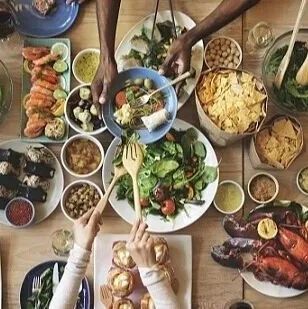
预制菜为什么能占据我们的生活?
Di Yi Cai Jing· 2025-12-15 07:07
Core Viewpoint - The article discusses the shift in consumer behavior towards pre-prepared meals and takeout, highlighting the increasing reliance on convenience over traditional cooking methods due to rising costs and time constraints in modern life [12]. Group 1: Consumer Behavior - Consumers initially embraced pre-prepared meals for their convenience and cost-effectiveness compared to cooking from scratch, but this perception has changed as the quality of restaurant food has become homogenized [2][4]. - The rise of social media and food delivery platforms has altered how consumers choose restaurants, leading to a preference for familiar options that offer consistent quality, further driving the demand for pre-prepared meals [8][9]. Group 2: Restaurant Industry Dynamics - Restaurants face significant operational costs, including high rent and labor expenses, which incentivizes them to adopt pre-prepared meals to reduce food costs and labor requirements [5][6]. - The trend towards pre-prepared meals allows restaurants to maintain profitability while meeting consumer demand for quick and reliable dining options, as traditional cooking methods become less feasible [4][6]. Group 3: Economic Factors - The increasing cost of living and the need for efficiency in meal preparation have led consumers to rely more on takeout and pre-prepared meals, marking a significant shift in dining habits [12]. - The article suggests that as the costs associated with cooking at home continue to rise, the trend towards pre-prepared meals will likely intensify, reflecting broader economic pressures [12].

都说“预制菜”不好,为什么年轻人们还要“抢”着吃
Hu Xiu· 2025-09-22 13:48
Group 1 - The article discusses the growing trend of pre-prepared meals among urban workers, highlighting their reliance on convenience due to busy lifestyles [6][26][44] - Young people are increasingly turning to pre-prepared meals, convenience store ready-to-eat options, and meal delivery services as solutions to their dining needs [7][27][45] - The pre-prepared meal market in China is projected to exceed 500 billion by 2025, with significant growth in ready-to-eat meal sales at convenience stores [26][38] Group 2 - The article emphasizes the dichotomy between the desire for home-cooked meals and the convenience of pre-prepared options, illustrating how young people navigate this balance [12][62] - There is a notable increase in the sales of kitchen appliances like air fryers and electric stoves, indicating a continued interest in cooking despite the reliance on pre-prepared meals [56][58] - Shared kitchens and community dining spaces are emerging as popular trends, allowing urban dwellers to reconnect with the act of cooking and dining together [49][60]
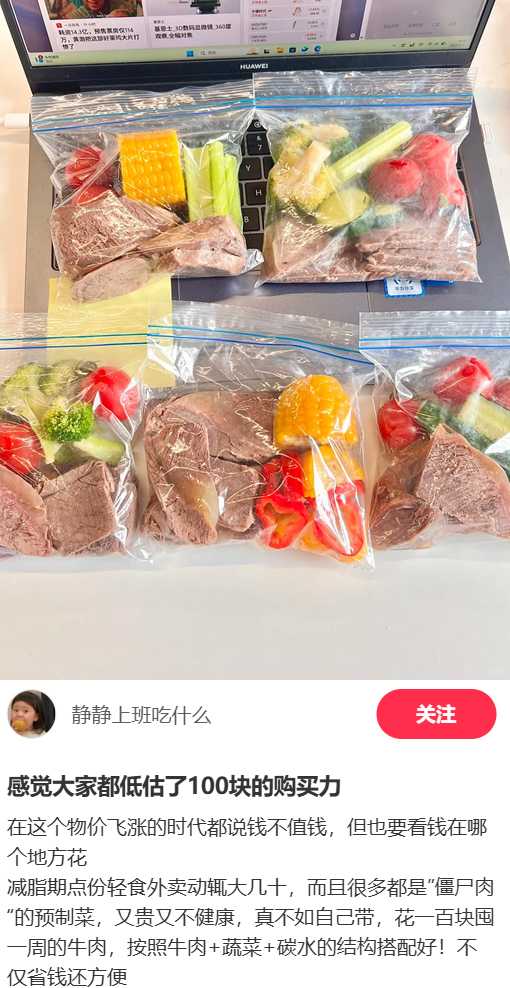
为什么你看不上预制菜,却又干不掉它?
Hu Xiu· 2025-09-17 07:22
Core Viewpoint - The article discusses the persistent popularity of pre-prepared meals despite widespread criticism, comparing the disappointment of receiving a pre-packaged meal to the experience of attending a concert with lip-syncing performers [1] Group 1 - The article highlights the contrast between consumer expectations for freshly cooked meals and the reality of receiving pre-packaged options in restaurants [1] - It questions why pre-prepared meals continue to thrive in the market despite negative perceptions from consumers [1]
第一天几万步逛Bakery China!我们看到了啥?点进来带你一起沉浸式逛展!
东京烘焙职业人· 2025-05-19 09:01
Core Insights - The article highlights the trends and innovations showcased at the 2025 China Bakery New Product Launch Week, indicating that these trends will likely shape the industry in 2026 [2][3]. Group 1: Event Overview - The 2025 China Bakery New Product Launch Week took place from May 19 to May 22, 2025, at the Shanghai Hongqiao National Exhibition Center [5][93]. - The event featured numerous exhibitors presenting new products, including pre-mixed powders and innovative frozen desserts, emphasizing aesthetics and emotional value [11][24]. Group 2: Product Trends - There is a noticeable increase in the variety of frozen desserts, with a focus on appealing designs and flavors that resonate with younger consumers [24]. - The introduction of new product combinations, such as puff pastry and cake, reflects a trend towards creative culinary fusions [19]. - Traditional products like mooncakes are being reimagined with new flavors and concepts, including medicinal ingredients and Western-style fillings [49]. Group 3: Market Dynamics - The event showcased a growing interest in light meals and meal kits, indicating a shift in consumer preferences towards healthier and more convenient options [55][58]. - The presence of renowned chefs and industry leaders at the event highlights the importance of expertise and innovation in driving market trends [62]. Group 4: Future Outlook - The article suggests that the trends observed at the event will influence the baking industry significantly in the coming years, particularly in product development and consumer engagement strategies [2][3].
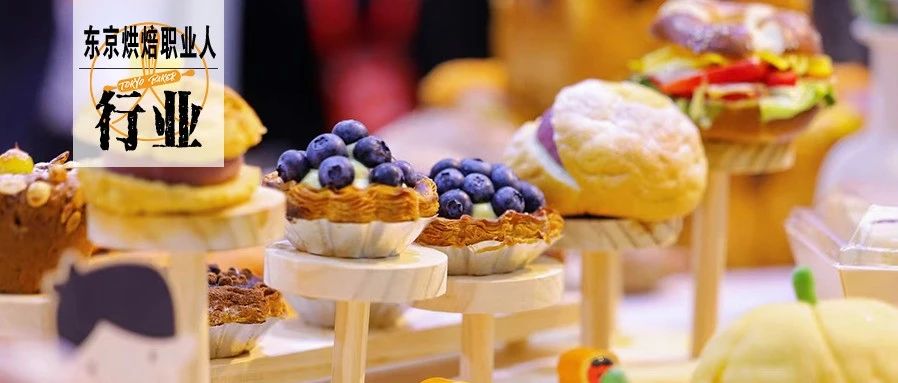
商场怎么全是预制菜
投资界· 2024-12-14 07:36
以下文章来源于网易数读 ,作者网易数读 网易数读 . 网易旗下栏目,用数据说话。 占领食堂。 作者 | 库洛洛 来源 | 网易数读 (ID:datablog163) 预制菜,当代互联网"定时炸弹",隔段时间大家就要因为它的话题吵开了锅。 前有"预制菜进校园"的消息让家长慌了神,担心预制菜会毁了下一代孩子的健康,更有 甚者直接称预制菜就是"人类饲料"。 但其实在校园之外,如今的大街小巷早已被预制菜"攻占"。 无论你是在家点外卖,还是出门聚个餐,上到几百元的猪肚鸡火锅,下到几块钱的小碗 菜套餐,可能都是店家拿料理包加热的。有些更"高科技"的预制菜还能通过加入锅气香 精来伪装有锅气,可以说是防不胜防。 预制菜为什么就那么惹人嫌?吃预制菜真的是我们的宿命吗? 难吃是预制菜的"原罪" 所谓预制菜,其实涵盖的范围相当之广,根据烹饪程度的不同,可以分为即配食品、即 烹食品、即热食品、即食食品这四种 [1]。 广义上来说,在中国人的饭桌上,预制菜早就存在。从家里囤着的方便面、八宝粥,到 外出吃到的快餐汉堡、牛油火锅调料,都可以算得上是预制菜的一种。 而如今,大家常吵的预制菜一般是层出不穷的中餐料理包。不管你点的是宫保鸡丁、鱼 ...