
二手回收

Search documents
二手回收行业乱象频发,亟需规范与监管
Jing Ji Guan Cha Wang· 2026-02-25 05:48
Core Viewpoint - The second-hand recycling industry in China is facing significant issues, including fraud, data security concerns, and lack of regulatory standards, leading to consumer exploitation and health risks [1][2][3][4][5] Group 1: Mobile Phone Recycling - The mobile phone recycling market is projected to reach a scale of "hundreds of billions" by 2025, with an annual growth rate of approximately 20% [1] - Platforms often lure consumers with offers of "20% higher than competitors," but then significantly reduce the price post-evaluation, with markdowns of 30%-40% based on vague reasons [1] - Complaints against major platforms like "Aihui" and "Zhuanzhuan" are rampant, with "Aihui" receiving nearly 24,000 complaints regarding malicious price reductions [4] Group 2: Clothing Recycling - The second-hand clothing recycling sector is plagued by issues such as the sale of uncleaned and unsanitized garments disguised as "brand surplus" [2] - There is a lack of unified hygiene standards and traceability mechanisms, leading to health risks for consumers [2] - Some businesses exploit charitable intentions by collecting clothes under the guise of "charity recycling" and then reselling them at inflated prices [2] Group 3: Luxury Goods Recycling - The luxury goods recycling market has seen severe issues, including unauthorized transactions where minors sell high-value items without proper identity verification [2] - Some luxury items are being sold for less than 10% of their original price, raising concerns about the legitimacy of transactions [2] Group 4: Gold and Diamond Recycling - Gold recycling often involves inflated initial quotes followed by deductions for weight and purity, resulting in consumers receiving far less than expected [3] - The diamond recycling market is affected by international price fluctuations, with significant declines in recovery prices [3] Group 5: Regulatory and Consumer Awareness - The second-hand circulation industry in China reached a transaction volume of over 1.3 trillion yuan in 2023, with expectations to exceed 3 trillion yuan by 2025, yet it remains in its early development stages [4] - There is an urgent need for standardized regulations and consumer protection laws to address the rampant issues in the recycling industry [5] - Consumers are advised to choose reputable platforms and retain evidence during transactions to safeguard their interests [5]
高估低收、虚构欺诈、诱导未成年人……二手网络平台交易“套路”多
Jing Ji Guan Cha Wang· 2026-02-25 05:35
Core Insights - The second-hand recycling industry is facing significant issues, including fraud, lack of standards, and data security risks, as highlighted by recent media reports [1][2][3] Group 1: Industry Issues - The second-hand mobile phone recycling sector is plagued by "hidden rules," where platforms attract users with high price offers but later reduce the price by 30%-40% using vague reasons like minor scratches [2][6] - In the second-hand clothing recycling market, unsanitized clothes are falsely marketed as "brand surplus" or "unique samples," posing health risks to consumers [1][3] - The second-hand luxury goods market has seen cases where minors sell high-value items without proper identity verification, leading to significant financial losses [3][4] Group 2: Consumer Complaints - Consumer complaints regarding mobile phone recycling platforms are on the rise, with platforms like "Aihui" receiving nearly 24,000 complaints related to malicious price reductions [6][7] - The "Zhuanzhuan" platform has accumulated around 120,000 complaints, with many consumers reporting quality issues with second-hand products and price manipulation during the recycling process [7][8] - The lack of transparency in the evaluation process of second-hand products makes it difficult for consumers to verify the authenticity of the assessments, leading to disputes [8][9] Group 3: Recommendations for Improvement - Experts suggest that the industry needs to establish unified standards and regulations to enhance oversight and protect consumer rights [1][9] - The implementation of technology, such as blockchain, is recommended to improve transaction transparency and establish a product traceability system [9] - Consumers are encouraged to choose reputable platforms and retain evidence during transactions to safeguard their interests [9]
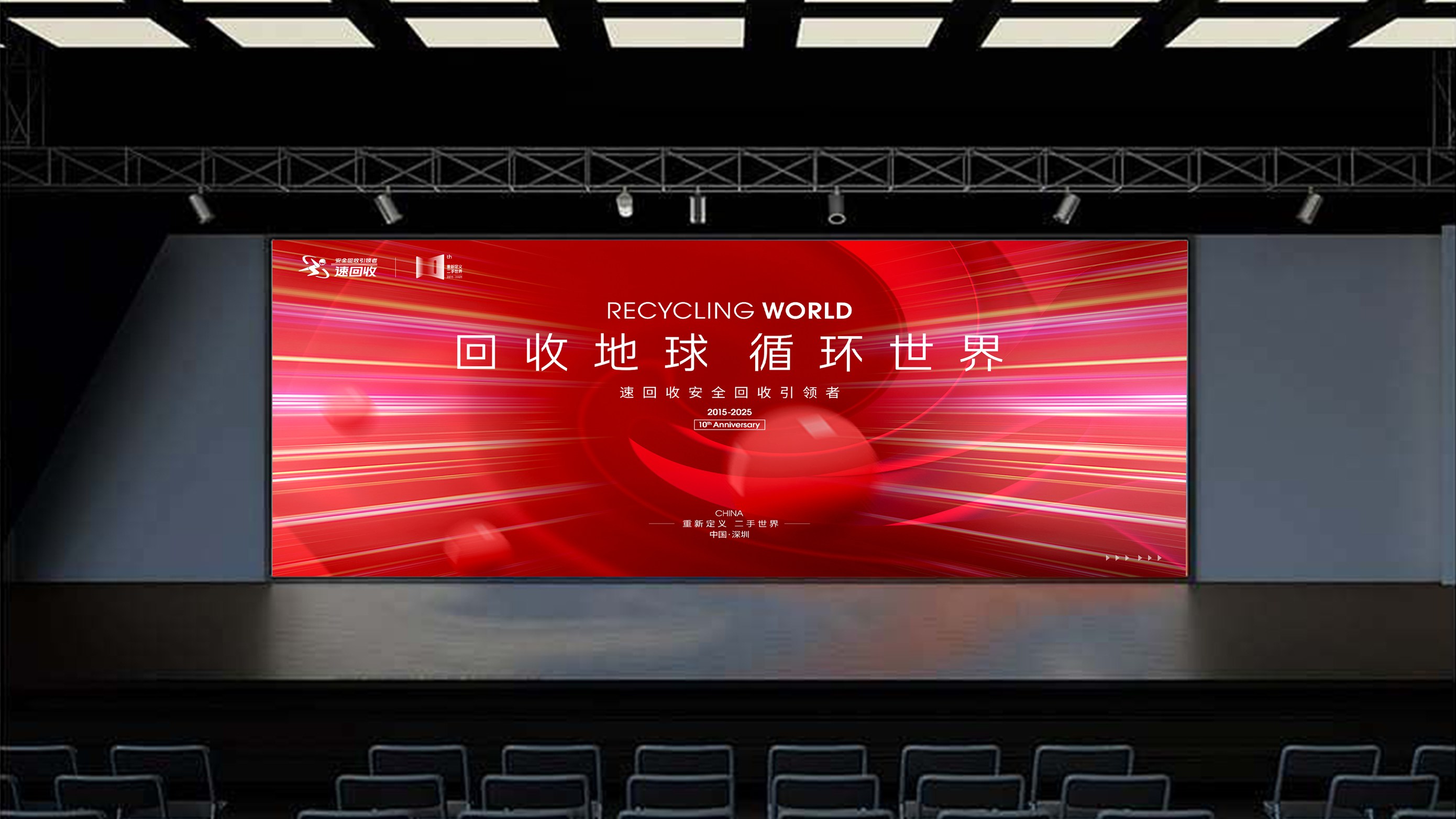
扎根循环经济十年,速回收在重新定义二手世界
3 6 Ke· 2026-01-22 09:27
Core Insights - The Chinese second-hand market has undergone a significant upgrade in perception over the past decade, evolving from a choice for price-sensitive consumers to a new consumption model [1] - The arrival of the smart era has shortened the iteration cycle of electronic products, leading to a substantial expansion of the second-hand market, with a projected market size of 987.5 billion yuan by 2026, maintaining a 26.1% annual growth rate [1] - Despite market growth, the industry remains immature, with issues like pricing transparency and privacy security being overlooked, resulting in a fragile trust foundation [1] Market Dynamics - The second-hand consumer electronics market in China reached 309.5 billion yuan in 2021, with a compound annual growth rate of 31.4% from 2016 to 2021 [1] - The market is expected to grow to 987.5 billion yuan by 2026, indicating a robust future for second-hand transactions [1] Company Strategy - Suhuishou has chosen a slower, more deliberate approach by focusing on building trust through face-to-face interactions and embedding data security and quality inspection processes into the recovery workflow [2] - The company has recycled over 1 million devices and served over 10 million users by October 2025, with an annual transaction volume of 200,000 orders [3] Service Model - Suhuishou's ten-year upgrade reflects a strategic shift from merely being a service platform to becoming a promoter of circular economy rules, emphasizing the importance of trust and responsibility in high-value, high-risk recovery areas [5][6] - The company has established a comprehensive service standard that includes identity verification, on-site fulfillment, device testing, data clearance, and after-sales feedback, ensuring a reliable recovery process [6][14] Data Security - Data security is prioritized in Suhuishou's service model, with a focus on thorough data clearance beyond the standard factory reset, addressing privacy concerns effectively [7][8] - The company employs a dual-clearance and full-process certification system to ensure data security, transforming trust into a clear contractual obligation for users [8] Efficiency and Technology - Suhuishou has redefined efficiency through a system supported by algorithms for real-time scheduling and AI-assisted valuation, making its service speed a competitive barrier [9][11] - The company has introduced quantifiable service commitments, such as "5 seconds for payment" and "48 hours to send data clearance certificates," significantly enhancing user experience [9][11] Industry Positioning - Suhuishou is not just a participant in the second-hand market but is actively involved in shaping industry standards and practices, collaborating with major players like Alipay and telecom operators [14] - The company is expanding its recovery capabilities beyond consumer electronics to include new energy vehicles and waste steel, aiming to create a comprehensive resource recovery system [24] Environmental Impact - Suhuishou has reduced carbon emissions by 20,000 tons over ten years, with an annual reduction of approximately 2 million kilograms, equivalent to adding 80,000 square meters of urban green space [28][26] - The company is also working to lower the psychological barriers for public participation in green actions, such as partnering with Ant Forest to reward users for recycling [30] Future Outlook - As it celebrates its tenth anniversary, Suhuishou is poised to redefine the second-hand market and establish itself as a technology-driven circular economy platform, aiming for global expansion starting from Hong Kong [32] - The company seeks to validate the scalability and standardization of its recovery model in international markets, promoting the "Chinese experience" in circular economy practices [32]

氪星晚报|现代汽车美国公司因安全隐患召回逾5万辆汽车;京东:七鲜小厨在北京已开出30家门店;日本最大核电站将于明年1月20日重启
3 6 Ke· 2025-12-24 11:17
Group 1 - OPPO is in deep cooperation with Alipay and plans to announce another strategic partnership in January [1] - OPPO's ColorOS product development director denied rumors of rejecting collaboration with ByteDance regarding "Doubao AI phone," emphasizing an open attitude towards partnerships [1] Group 2 - JD's restaurant platform, Seven Fresh Kitchen, has opened 30 stores in Beijing within four months, achieving coverage in major urban areas within the Fifth Ring Road [2] Group 3 - Thunderbolt eSports Hotel has signed over 200 locations nationwide, doubling its scale in six months, with high occupancy rates and a young customer demographic [3] Group 4 - Hyundai Motor Company is recalling over 51,000 vehicles in the U.S. due to safety hazards, including issues with trailer lights and potential short circuits [4] Group 5 - "Yisoo Innovation," a tech company focused on desktop laser processing equipment, has completed a Pre-A round financing of 100 million yuan to enhance core technology and expand product lines [5] Group 6 - Alibaba upgraded its voice model family Qwen3-TTS, introducing new models for voice design and cloning, which can generate human-like voices and enhance applications in various fields [6] Group 7 - Tencent Music launched its AI music creation tool "VEMUS" for public testing, offering a comprehensive platform for music creation with low barriers to entry [7] Group 8 - SoundAI released its multi-modal AI fashion headphones on Kickstarter, designed as a "personal perception tool" integrating sound and vision [8] Group 9 - The National Development and Reform Commission and the Ministry of Commerce released the "Encouragement Directory for Foreign Investment Industries (2025 Edition)," increasing the number of entries to 1,679 [9] - The central bank and eight departments are exploring cross-border digital currency payment trials with Singapore [9] Group 10 - Beijing has adjusted housing purchase policies for non-local residents, reducing the required duration of social insurance or income tax payments for home purchases [10] Group 11 - The State Administration for Market Regulation is implementing stricter regulations for live e-commerce, including the establishment of a supervisory framework [11] Group 12 - Japan's Tokyo Electric Power Company plans to restart the Kashiwazaki-Kariwa nuclear power plant on January 20, marking the first restart of a nuclear reactor since the Fukushima disaster [12][13]
万物新生执行总裁王永良:二手经济蓬勃发展,绿色生活有望成大众日常丨请回答2025
Sou Hu Cai Jing· 2025-12-23 09:52
Core Insights - The second-hand market is entering a development opportunity period driven by both policy and market factors, with increasing public recognition of resource reuse and strong market demand [1] - Digital technology is accelerating industry transformation, enabling a robust online-offline integration model and improving trust in non-standard product transactions [1] - The concept of a circular economy is seen as a key path to solving resource and environmental issues, with second-hand consumption becoming a green lifestyle choice for more users [3][5] Industry Trends - The second-hand industry is experiencing significant growth, supported by government policies such as the "old-for-new" exchange program, marking a golden development period [3][4] - There is a continuous increase in the penetration rate of second-hand product recycling, indicating a shift in consumer attitudes towards sustainable consumption [4] - The industry is expanding its recovery categories beyond electronics to include bags, watches, gold, and fashion items, catering to diverse consumer needs [4] Company Developments - The company has optimized its quality inspection processes for second-hand devices through technological iterations, enhancing efficiency and expanding the range of recoverable items [3] - The company has been recognized as an industry benchmark, receiving the "Earthshot Prize," highlighting its innovative practices in the second-hand product recycling sector [4] - The company aims to support a green lifestyle by improving service quality and user experience, encouraging more users to participate in sustainable consumption [6]


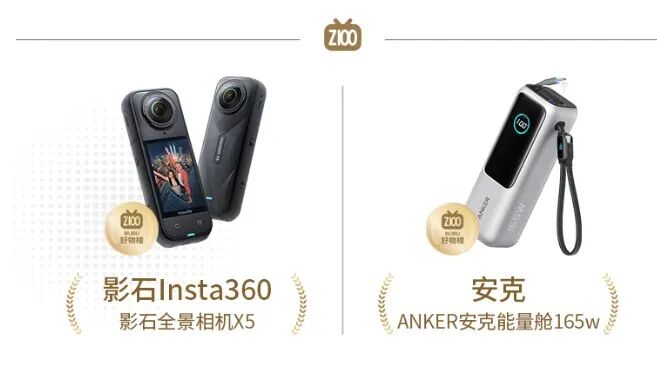
影石们找到了“活人感”
3 6 Ke· 2025-12-22 12:02
Core Insights - The article discusses the competitive landscape of the panoramic camera market, highlighting how the company YingShi maintains a dominant position despite strong competitors like DJI, with a global market share of approximately 81.7% as of the end of 2024 [1] - YingShi's revenue exceeded 6.6 billion yuan in the first three quarters of the year, surpassing its total revenue from the previous year [1] - The company effectively targets Generation Z consumers, leveraging innovative marketing strategies to engage with this demographic [1][3] Group 1: Market Position and Financial Performance - YingShi holds a significant market share of 81.7% in the global panoramic camera market as of the end of 2024 [1] - The company's revenue for the first three quarters of the year has already surpassed 6.6 billion yuan, exceeding its total revenue for the previous year [1] Group 2: Marketing Strategy and Brand Engagement - YingShi employs a unique brand marketing strategy characterized by a "human touch," which resonates well with younger audiences [3] - The company's Bilibili account has gained over 630,000 followers and accumulated more than 340 million video views, showcasing its effective engagement with users [3] - YingShi's marketing approach includes creating imaginative content and collaborating with popular creators to enhance brand visibility and relatability [5][7] Group 3: User-Centric Content Creation - The company invests heavily in user-generated content (PUGC) and collaborates with various creators to produce engaging videos that showcase innovative uses of its products [5] - Many of YingShi's video concepts originate from user feedback, enhancing the brand's connection with its audience and reinforcing its "human touch" [7] - The brand's strategy emphasizes creating high-quality content that subtly promotes its products without overtly pushing sales [7] Group 4: Broader Industry Trends - The concept of "human touch" in marketing is gaining traction among various brands, with examples like Duolingo successfully personifying its brand through a relatable mascot [4] - Other brands, such as Zhuangzhuang, are also exploring similar strategies by creating engaging personas to connect with consumers [10][12] - The shift towards more relatable and authentic brand representations reflects changing consumer preferences, particularly among younger generations [12][14]
万物新生发力布局全球回收业务
BambooWorks· 2025-12-02 05:24
Core Insights - The company reported a 27% revenue growth in Q3 and announced a strategic roadmap for the next two to three years, focusing on export business as a new priority [1][2] - Benefiting from improvements in retail operations, the company achieved a record high profit during the quarter, with a significant increase in gross margin [1] Revenue and Profitability - The company has been engaged in the resale services of second-hand electronics for 14 years and has recently expanded into luxury goods and fine wines, establishing itself as a key player in the circular economy [2] - The company recorded its fifth consecutive quarter of net profit, reaching a historical high, indicating improved operational efficiency driven by scale effects and experience accumulation [4] - The gross margin for product sales, which accounts for 92% of total revenue, increased from 11.7% in the same period last year to 13.4% [4] International Expansion Strategy - The company plans to prioritize international expansion, focusing on exporting Chinese products, which is expected to become a new growth engine [4][5] - The founder revealed that the monthly export volume of domestically produced devices has surpassed 10,000 units, with Hong Kong emerging as a key hub for global distribution of recycled goods [4][5] Strategic Development Framework - The international expansion is part of a three-phase development strategy to be implemented over the next two to three years, alongside strengthening core capabilities and establishing the "Aihuishou" brand as a leading circular brand in China [5][6] - The company aims to enhance operational capabilities through improved service delivery and technology investments, while also extending the brand ecosystem [6] Store Expansion and Operations - The company appears to be slowing its aggressive store expansion pace, adding approximately 100 new stores in Q3, a reduction of nearly half compared to the previous quarter [7] - Future store openings will be balanced with the expansion of the service team to ensure optimal configuration of physical outlets and operational efficiency [8] Diverse Product Offerings - The company has seen rapid growth in its multi-category business, which includes second-hand bags, gold, and fine wines, with transaction volume increasing by 95% year-on-year [8] - Despite the growth, this multi-category business contributed approximately 53 million yuan (7.46 million USD) in service revenue, accounting for 12.5% of total service revenue [8] Financial Performance - The total revenue for Q3 increased by 27.1% to 5.15 billion yuan, with product sales rising by 28.7% to 4.73 billion yuan [9] - The adjusted operating profit surged by 34.9% to a record 140 million yuan, while GAAP net profit skyrocketed by 407% to a historical high of 90.8 million yuan [9]
大数据观察·实体店里探消费丨线上品牌发力线下开店
Ren Min Ri Bao· 2025-09-18 01:27
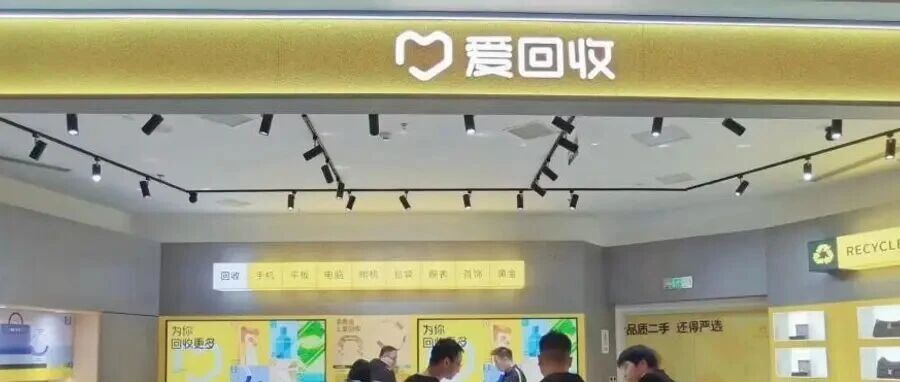
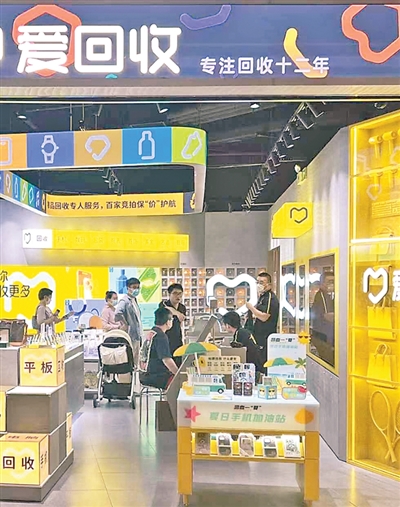
Group 1: Offline Expansion of Online Brands - Many online brands are increasingly opening physical stores to enhance consumer experience and meet demand [1][4] - JD MALL has opened 24 large experience centers across various cities, attracting significant foot traffic, with over 100,000 visitors in the first two days of the Beijing store [2][4] - The physical stores aim to provide a comprehensive shopping experience with immersive environments and high-quality service [4][5] Group 2: Consumer Engagement and Experience - JD MALL's stores feature 30 themed experience zones, allowing customers to interact with products directly, which enhances purchase confidence [5] - The second-hand electronics platform, Aihuishou, has over 2,000 stores nationwide, promoting transparency in transactions and improving user trust through face-to-face interactions [6][7] - Apparel brands like Jiao Nai are leveraging offline stores to enhance customer engagement and brand loyalty, emphasizing the importance of tactile experiences in consumer decision-making [8][9] Group 3: Market Trends and Consumer Behavior - The trend of online-to-offline (O2O) integration is becoming essential for brands to maintain competitiveness and foster customer relationships [8][9] - Aihuishou reported a 137% year-on-year increase in trade-in orders, indicating a growing acceptance of the circular economy among consumers [7] - The shift towards physical stores is seen as a strategy to create a more personalized shopping experience, which is crucial for brand differentiation in a competitive market [9]

线上品牌发力线下开店(大数据观察·实体店里探消费)
Ren Min Ri Bao· 2025-09-17 22:22
Core Insights - Many online brands are expanding into offline retail by opening physical stores to enhance consumer experience and meet demand [4][5][8] - JD MALL has opened 24 large experience centers across various cities, providing immersive shopping experiences and addressing consumer pain points [5][6] - Aihuishou, a second-hand electronics recycling company, has over 2000 stores nationwide, focusing on transparency and face-to-face transactions to build consumer trust [6][7] - Apparel brands like Bianai are leveraging offline stores to strengthen brand image and enhance customer engagement, with a focus on experiential shopping [8][9] Group 1: JD MALL - JD MALL has launched 24 large experience centers in cities like Beijing and Shenzhen, attracting significant foot traffic, with over 100,000 visitors in the first two days of the Beijing store opening [5] - The experience centers feature diverse themes, including gaming and beauty, aiming to create a technology showcase and customer service hub [5][6] - The initiative is part of JD's strategy to address consumer needs and enhance the shopping experience through physical presence [5][6] Group 2: Aihuishou - Aihuishou has expanded its offline presence to 2092 stores across 291 cities, focusing on transparent transactions for second-hand electronics [6][7] - The company reported a 137% year-on-year increase in trade-in orders, indicating growing consumer participation in the second-hand market [7] - Aihuishou's offline strategy includes a comprehensive recycling process, enhancing customer trust and experience [6][7] Group 3: Apparel Brands - Bianai has opened over 60 stores in key cities, emphasizing the importance of physical presence for customer trust and product experience [8] - The brand's strategy includes using online data to select store locations and enhance community engagement [8] - Other fashion brands, like ANNAKIKI, are also establishing flagship stores to create immersive shopping experiences and maintain customer connections [8][9]
丰富场景 优化体验 提升信任度 线上品牌发力线下开店(大数据观察·实体店里探消费)
Ren Min Ri Bao· 2025-09-17 21:55
Group 1 - Many online brands are expanding into offline retail by opening physical stores to enhance consumer experience and meet demand [1][5] - JD MALL has opened 24 large experience centers across various cities, offering diverse scenarios to stimulate consumer demand, with over 100,000 visitors in the first two days at the Beijing store [2] - Aihuishou has over 2,000 stores nationwide, focusing on transparent transactions for second-hand electronics, which enhances consumer trust and reduces information asymmetry [3][4] Group 2 - The second-hand electronics market is seeing significant growth, with Aihuishou's trade-in orders increasing by 137% year-on-year in the first half of the year [4] - Apparel brands like Jiao Nai are opening physical stores to enhance consumer engagement and brand image, with over 60 stores established in key cities [5][6] - Smaller brands are also focusing on the experiential value of physical stores, offering unique experiences to attract consumers and create emotional connections [6]