暗黑破坏神4

Search documents
出任总裁,拥抱网易:她带着跌落王座的巨头杀回来了
3 6 Ke· 2026-02-12 12:23
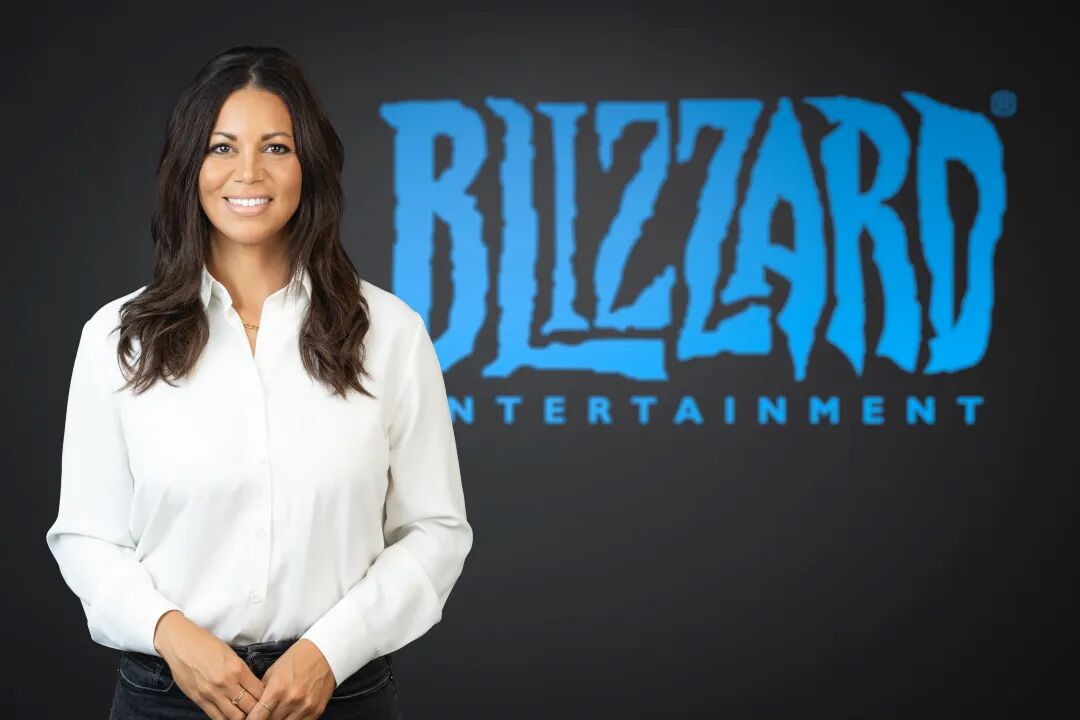
Core Insights - Blizzard Entertainment is poised for a significant year in 2026, with major releases such as the new expansion for Diablo IV and the "Shadowlands" update for World of Warcraft, alongside the 10th anniversary of Overwatch and the return of BlizzCon [1][3] Group 1: Company Strategy and Leadership - Johanna Faries, who took over leadership in 2024, has focused on stabilizing the company's strategic layout and product release schedule, aiming for at least 1 to 2 major releases each year [3][4] - Under Faries' leadership, Blizzard has reestablished its partnership with NetEase, emphasizing regular communication and collaboration to enhance operations in the Chinese market [4][6] - Faries has introduced a long-term planning strategy within the company, aiming to set clear and tangible goals for teams to align their efforts [4][19] Group 2: Market and Player Engagement - The company has successfully reintroduced its games to the Chinese market, receiving positive feedback from players who are excited about the return of Blizzard's IPs [5][6] - Blizzard aims to ensure a consistent and engaging experience for players, focusing on timely content updates and innovative gameplay [7][15] - Faries highlighted the importance of community engagement and the need to create experiences that resonate with players, leveraging the company's rich IP portfolio [9][11] Group 3: Future Outlook and Innovations - Blizzard is exploring opportunities beyond gaming, such as leveraging its IPs in film and television to deepen fan engagement and expand its audience [27][28] - The company is committed to technological innovation, particularly in AI, to enhance creativity and streamline production processes [30][32] - Faries emphasized the importance of maintaining a clear direction and agile response to industry changes, ensuring that Blizzard remains a leader in the gaming sector [19][20]


游戏行业的品牌战略:如何让产品从爆款进化为文化符号
3 6 Ke· 2025-12-03 03:33
Core Insights - The gaming industry is experiencing explosive content growth by 2025, making brand recognition a crucial factor for success beyond mere innovation [1][5] - Strong brand strategies create immersive experiences and emotional connections, transforming individual games into cultural phenomena with long-term commercial value [1][10] - Game naming and logo design are essential starting points for brand development, serving as the first touchpoints for players and conveying the game's world and tone [1][12][26] Brand Consistency - Maintaining brand consistency is key for successful game brands, ensuring that every aspect from pre-launch to post-launch aligns with the core game universe [2][29] - A strong brand strategy not only focuses on emotional engagement but also integrates gameplay mechanics, art style, narrative techniques, and character design to create a lasting appeal [9][35] Long-term Brand Operations - The core of long-term brand operations revolves around continuously delivering value centered on player experience and emotional recognition [3][35] - Top-tier game brands extend beyond the games themselves, creating cross-dimensional ecosystems through esports, film, and merchandise, becoming cultural symbols in daily life [4][38] Naming and Logo Design - A compelling game name is not just a label but an invitation that ignites player curiosity and defines the future of the IP [12][21] - Effective naming should consider three core dimensions: alignment with the game world, uniqueness, and the ability to spark curiosity [13][17][19] - A powerful logo serves as the first visual symbol of the brand, accurately conveying the game's world and tone [26][28] Marketing and Community Engagement - Pre-launch marketing should strategically build anticipation, deepening emotional investment from players even before the game is released [30] - Post-launch, brands must shift focus to long-term operations, fostering emotional connections and maintaining engagement through community interaction and social media [32][36] Cultural Integration - Successful game brands integrate into culture and daily life, expanding their reach through esports, film adaptations, and merchandise, thus enhancing emotional ties with players [41][42] - The most successful brands evolve beyond gaming, becoming cultural symbols that reshape the entertainment landscape and continuously attract user engagement [42]
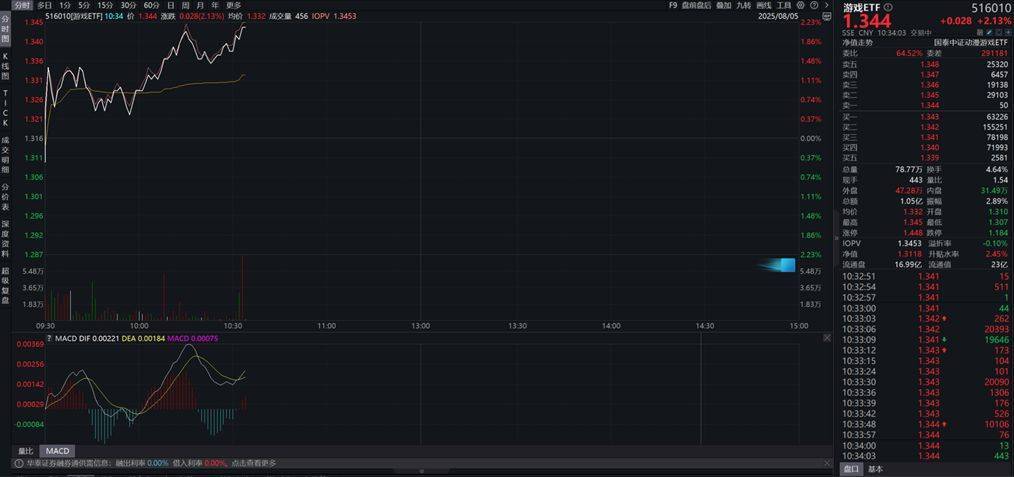
2025H1中国游戏收入、用户数均创新高,游戏ETF盘中强势领涨超2%
Sou Hu Cai Jing· 2025-08-05 03:01
Core Insights - The domestic gaming market in China achieved a record sales revenue of 168 billion yuan in the first half of 2025, marking a year-on-year growth of 14.08% [3] - The number of gaming users reached 679 million, also a historical high, with a year-on-year increase of 0.72% [3] Group 1: Market Performance - The gaming sector is experiencing strong growth, driven by the successful launch of new games and the steady performance of established titles [3] - The rise in e-sports and mini-program games is contributing significantly to market expansion [3] - The overall improvement in industry sentiment and accelerated technological advancements are providing robust support for the gaming sector [3] Group 2: Regulatory Environment - The National Press and Publication Administration continues to issue gaming licenses, with 134 licenses granted in July 2025, including 127 domestic and 7 imported games [4] - A total of 884 domestic gaming licenses were issued from January to July 2025, reflecting a year-on-year increase of 20.60% compared to the same period in 2024 [4] - The regular issuance of gaming licenses indicates ongoing regulatory support for the gaming industry [5] Group 3: Investment Opportunities - The current market conditions and the positive outlook for the gaming sector present attractive investment opportunities, particularly in gaming ETFs [5]