兔儿爷

Search documents
新春走基层丨烟火升腾处 古都气象新——春节假期北京文旅市场热力十足
Xin Hua She· 2026-02-23 08:59
Core Insights - The Beijing cultural and tourism market experienced a significant surge during the Spring Festival, blending traditional customs with modern trends, creating a vibrant atmosphere for both locals and tourists [1] Group 1: Cultural and Tourism Activities - The Longfu Temple area saw a notable increase in foot traffic, with visitor numbers reaching two to three times the usual levels during the holiday [3] - Popular items included traditional snacks like "honey three knives," "cream-flavored fried dough," and "flower-shaped dates," which became the top-selling products of the festival [3] - The "Rabbit God" figurines attracted many young visitors, highlighting the intersection of cultural heritage and contemporary interests [3] Group 2: Technological Integration - The Dadu Spring Festival Fair featured advanced technology, including performances by intelligent robots and a "cyber lion dance," showcasing a modern twist on traditional celebrations [5] - Events like the "潮朝阳·潮庙会" incorporated various popular cultural IPs and innovative experiences, enhancing the festive atmosphere with a futuristic touch [5] Group 3: International Tourism - Beijing's cultural and tourism bureau introduced five must-visit lists and ten premium travel routes for inbound tourists, emphasizing experiences related to intangible cultural heritage and traditional festivities [6] - The city aims to attract 5.48 million inbound tourists by 2025, with a projected tourism expenditure of 50.56 billion yuan, indicating a dual growth in visitor numbers and spending [6] - The year 2026 is identified as a pivotal year for Beijing to establish itself as a global tourism destination, focusing on product quality, international service, and diverse promotion strategies [6]

全国好物齐聚京城邀市民游客感受热闹年味
Xin Lang Cai Jing· 2026-02-22 13:47
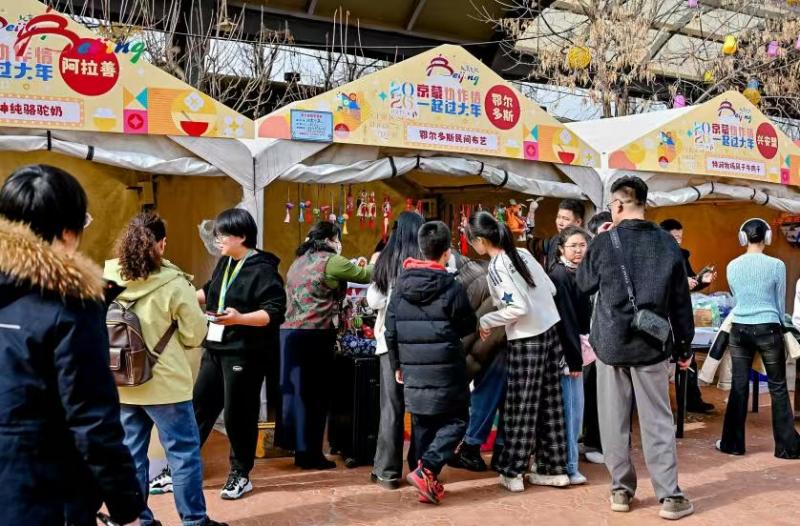
Group 1 - The core event "Horse Year Spring Festival in Beijing" showcases a blend of cultural and tourism products, offering an immersive shopping experience for visitors [1][3] - Various regional cultural products are featured, including pearl jewelry from Beihai, themed toys from Inner Mongolia, and traditional ethnic costumes, attracting significant tourist interest [1] - The "Beijing Gifts" exhibition highlights unique cultural items, such as the "Madundun" series that combines Olympic heritage with traditional art, and other creative products that reflect Beijing's cultural essence [3] Group 2 - Beijing hotels are popular among both domestic and international tourists, offering a variety of gourmet foods that enhance the festive atmosphere [3] - The event will conclude on February 23, marking the end of the "Horse Year Spring Festival in Beijing" activities [3]
藏在庙会里的老北京年味儿|故乡里的中国
Jing Ji Guan Cha Wang· 2026-02-20 14:42
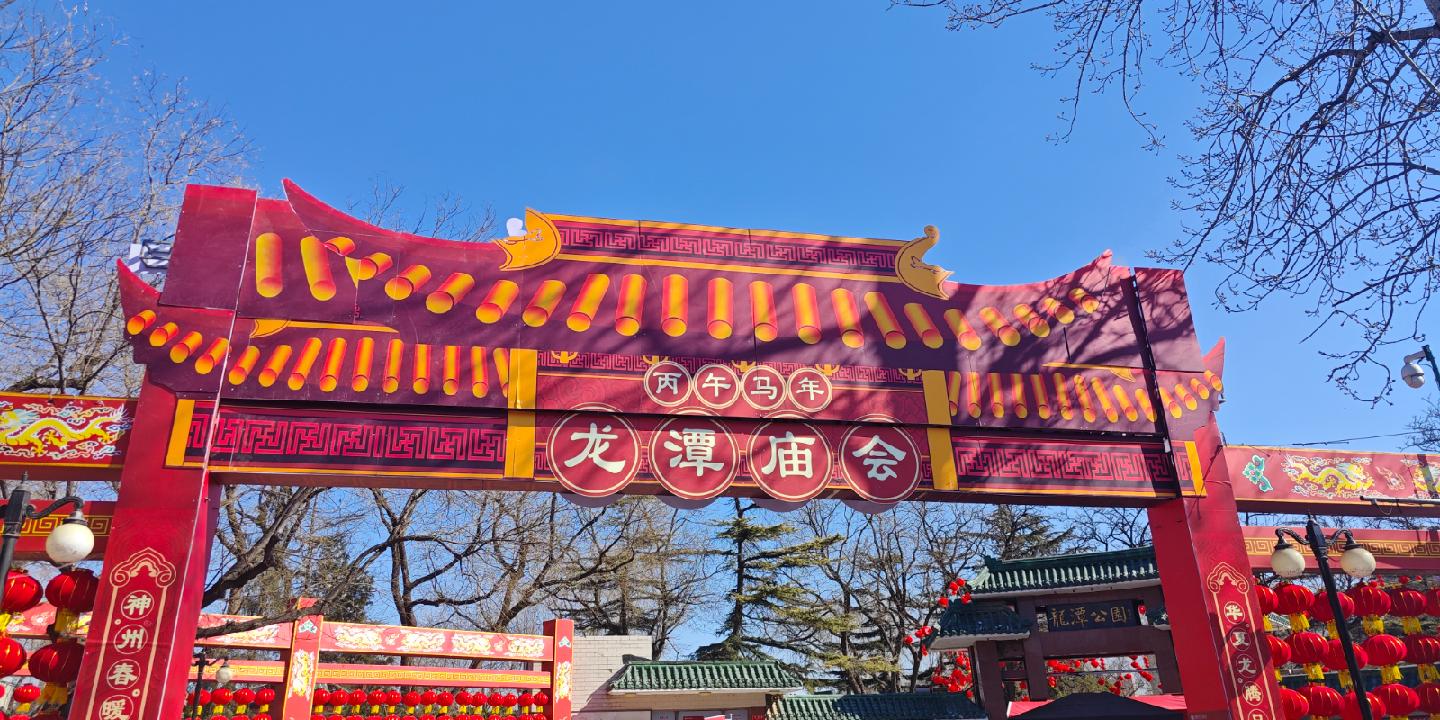
Group 1 - The article highlights the experience of celebrating the Spring Festival in Beijing, focusing on the traditional Longtan Temple Fair as a way to immerse in local culture [2][23] - Longtan Temple Fair features various traditional crafts and activities, including paper flipping flowers, sugar figurines, and unique local items like the "毛猴" (hair monkey) and "兔儿爷" (rabbit lord) [6][19] - The paper flipping flower, known for its historical significance dating back to the Kangxi era, showcases a simple yet versatile design that can create numerous patterns through different techniques [6][12] Group 2 - The "毛猴" is a traditional craft made from medicinal materials, representing a unique aspect of Beijing's cultural heritage, with its creation story linked to a humorous anecdote from the Qing Dynasty [12][13] - The "兔儿爷" originated as a Mid-Autumn Festival offering and evolved into a children's toy, featuring various designs that reflect local folklore and craftsmanship [19][23] - The article emphasizes the importance of intangible cultural heritage at the Longtan Temple Fair, which evokes childhood memories for locals and provides visitors with a deeper understanding of Beijing's cultural richness [23]
视频丨超30家老字号亮相 隆福寺新春市集火热开启
Yang Shi Xin Wen Ke Hu Duan· 2026-02-18 02:31
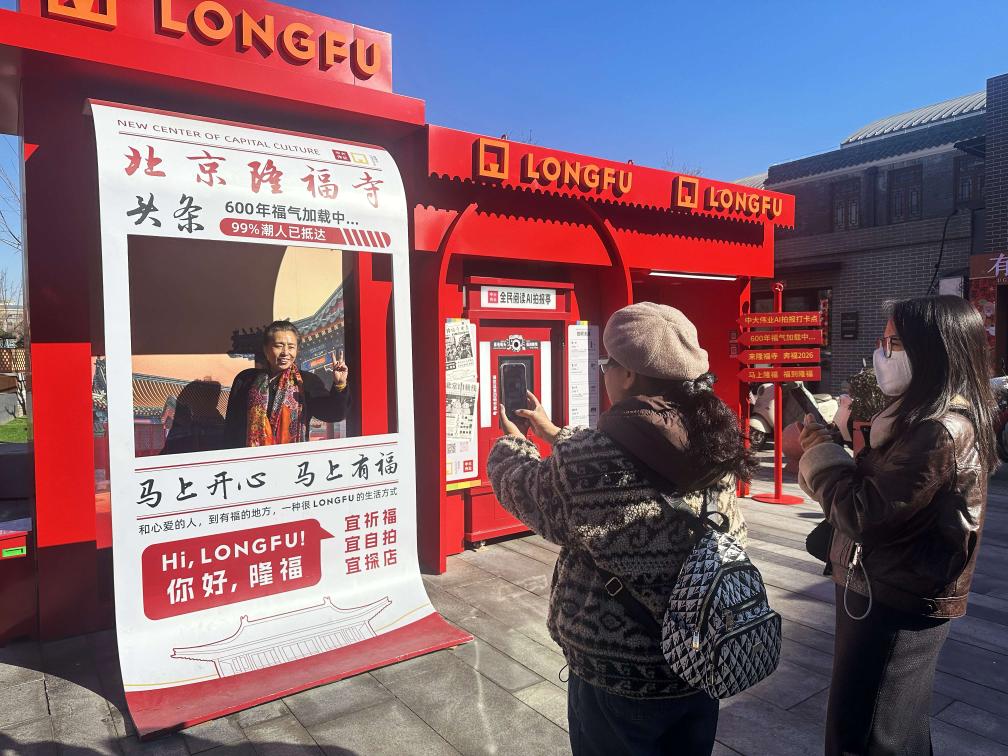
Group 1 - The 2026 Longfu Temple New Year Market opens with the theme "Unstoppable, Prosperity Gathering," featuring 53 stalls and 57 brands, injecting strong consumer vitality into the Year of the Horse [2] - Over 30 time-honored brands are showcased at the market, highlighting the trust built over years, which continues to attract consumers [3] - Popular food items include the "Big Fruit Bread" and "Vitamin Bread," with a history of over 100 years and 60 years respectively, selling over 1,000 sets daily [3] Group 2 - The market emphasizes innovation in traditional crafts, integrating them with modern aesthetics to appeal to younger generations [4] - The "Rabbit Lord" has gained popularity during the New Year, showcasing the blend of traditional elements with contemporary design [4] - Traditional decorations like the rainbow-colored "Fan Flower" are being revived, attracting interest from children and becoming part of the New Year festivities [4]
总书记问孩子:“作业多不多”,还给兔儿爷插了福字旗
Xin Lang Cai Jing· 2026-02-13 09:02
Group 1 - Xi Jinping visited the historic Longfu Temple area to celebrate the Lunar New Year with the public, engaging in traditional market activities and showcasing cultural heritage [1][4] - The event featured traditional crafts and products, including the "Rabbit Master" figurines and various cultural creative items, highlighting the importance of preserving intangible cultural heritage [1] - Xi Jinping interacted warmly with citizens, expressing interest in traditional crafts and local delicacies, which reflects a connection between leadership and community [2][4] Group 2 - The visit included purchasing local foods and cultural products, emphasizing the significance of local cuisine and traditions in the context of the New Year celebrations [2][1] - The atmosphere was lively, with citizens sharing personal stories and experiences, showcasing a sense of community and cultural pride [2][4] - Xi Jinping extended heartfelt New Year wishes to the public, reinforcing the government's commitment to the well-being of its citizens [4]
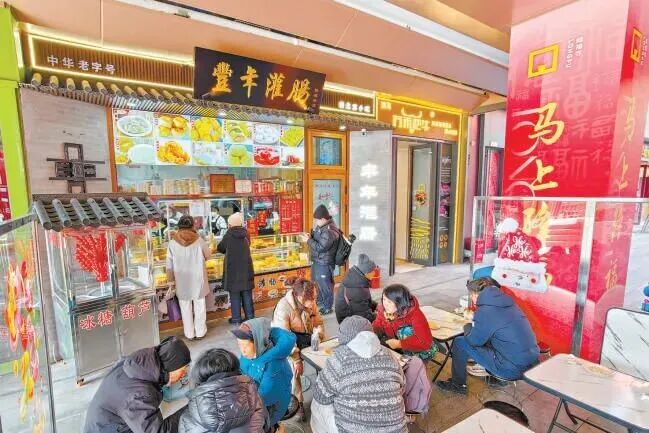
隆福寺里探年味(新春走基层)
Ren Min Ri Bao· 2026-02-13 00:34
Group 1 - The article highlights the revival of traditional food and cultural practices in Beijing, particularly during the Lunar New Year celebrations, showcasing the popularity of local delicacies like pastries and sausages [1][2] - The Beijing Daoxiangcun pastry shop and Fengnian sausage shop are experiencing increased sales, with the latter reportedly selling up to 300 kilograms daily as demand rises during the festive season [1] - The New Spring Market at Longfu Temple features numerous traditional brands and cultural products, attracting a younger audience through innovative designs that blend traditional craftsmanship with modern trends [2][4] Group 2 - The market includes various cultural performances and activities, emphasizing the "Fu" (blessing) culture, aiming to create a joyful atmosphere for visitors [5] - The Longfu Temple area has undergone significant renovations to enhance public spaces while preserving historical architecture, contributing to its status as a cultural landmark in Beijing [5]
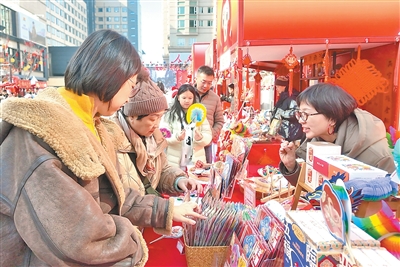
“总书记同我们一块儿买糕点、话家常”
Xin Lang Cai Jing· 2026-02-12 23:43
Group 1 - Xi Jinping visited the historic Longfu Temple area, engaging with the public and celebrating the New Year, highlighting the cultural significance of traditional Beijing snacks and crafts [2][3] - The event showcased various traditional and modern cultural products, including the "Rabbit Master" figurines and other creative items, emphasizing the importance of heritage and innovation in local craftsmanship [2] - The interaction between Xi Jinping and local artisans, such as the "Rabbit Master" craftsman, underscored the government's support for cultural preservation and the promotion of local traditions [2] Group 2 - The visit included personal interactions with families, where Xi Jinping expressed interest in children's education and local delicacies, reflecting a connection with the community [3][4] - The atmosphere of the market was lively, with Xi Jinping participating in local customs and sharing New Year blessings, which reinforced the cultural identity and festive spirit of the region [4]
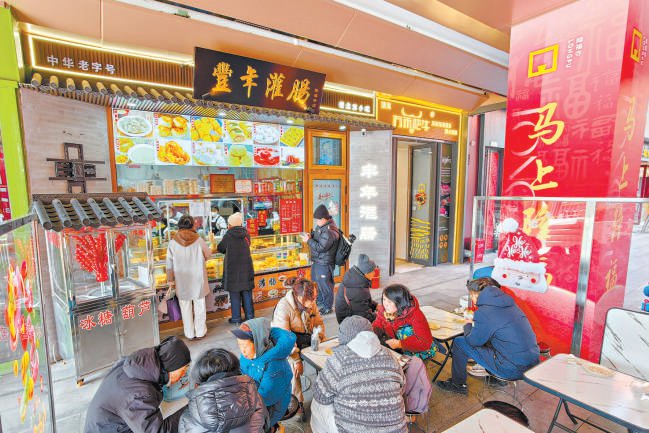
(新春见闻)升腾六百年烟火气 北京隆福寺“潮”聚京韵年味
Xin Lang Cai Jing· 2026-02-12 14:22
Core Viewpoint - The article highlights the revival of traditional culture and commerce in Beijing's Longfu Temple area through the New Year market, showcasing a blend of heritage and modern consumer trends. Group 1: Market Overview - The Longfu Temple New Year market, which began in 2024, is now in its third year and features over 30 time-honored brands presenting various Spring Festival products [3][4] - The market aims to cater to diverse consumer needs, including shopping, experiences, and entertainment, with a focus on "Fu culture" and a "joyful new Chinese style" in its decorations [3][4] Group 2: Cultural and Commercial Integration - The Longfu Temple area, established in 1452, is undergoing urban renewal to preserve its historical architecture while introducing modern elements like performances and technology [3][4] - Traditional brands are innovating by creating new products that appeal to younger consumers, such as a milk tea infused with traditional Beijing flavors [6][8] Group 3: Consumer Engagement - The market features interactive experiences, such as cultural and experiential products from traditional brands, enhancing consumer engagement and interest [6][8] - The transformation of traditional symbols, like the Rabbit Er Ye, into more appealing designs for younger audiences reflects a shift in consumer preferences [8]
兔儿爷、木版年画、扬州绒花 “长城脚下见非遗”活动启幕
Xin Jing Bao· 2025-09-24 02:46
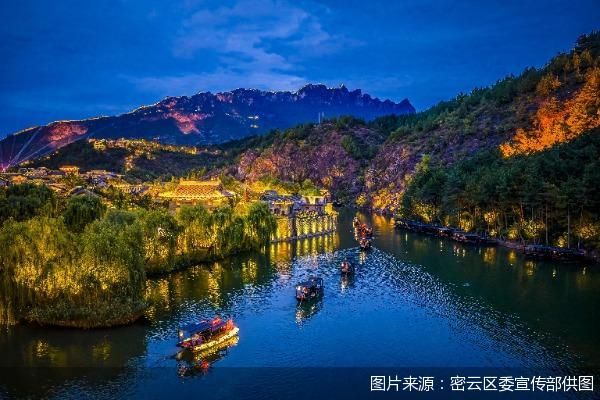
Core Points - The "Intangible Cultural Heritage Under the Great Wall" event was launched at Gubei Water Town, showcasing over fifty intangible cultural heritage skills [1][2] - The event featured live demonstrations by inheritors of various traditional crafts, including rabbit figurines, Luban pillows, and Yangjiabu woodblock New Year paintings [1] - A highlight of the evening was a drone show with 400 drones performing various cultural displays against the backdrop of the Simatai Great Wall [1] Group 1 - The event was co-hosted by the China Intangible Cultural Heritage Protection Association, Beijing Municipal Bureau of Culture and Tourism, and the People's Government of Miyun District [1] - Gubei Water Town transformed into an "interactive intangible cultural heritage exhibition park" during the event [1] - Performances included traditional music and dance, such as the Shaanxi Yangge and Yang-style Tai Chi, enhancing the cultural experience for visitors [1] Group 2 - The event also included over a hundred decentralized performance nodes and concentrated exhibitions, featuring intangible cultural heritage inheritors from 16 provinces, municipalities, and autonomous regions across China [2] - Various forms of engagement were offered, including performances, teaching sessions, and sales, integrating intangible cultural heritage into the scenic area [2]
北京密云“长城脚下见非遗”主题活动开启
Bei Jing Shang Bao· 2025-09-23 12:26
Core Points - The "Intangible Cultural Heritage in Vacation Areas" event titled "Seeing Intangible Heritage at the Foot of the Great Wall" officially launched on September 23, 2025, at Gubei Water Town, focusing on immersive cultural experiences for visitors [1][3] - The event features over fifty intangible cultural heritage skills showcased by inheritors, including traditional crafts like sugar figurines, Shu embroidery, and cloisonné, highlighting the craftsmanship and artistic value of these traditions [3] - During the Mid-Autumn and National Day holidays, Gubei Water Town will host various performances and activities, such as "Dream Back to Gubei" and music concerts, enhancing the autumn travel experience for tourists [3]