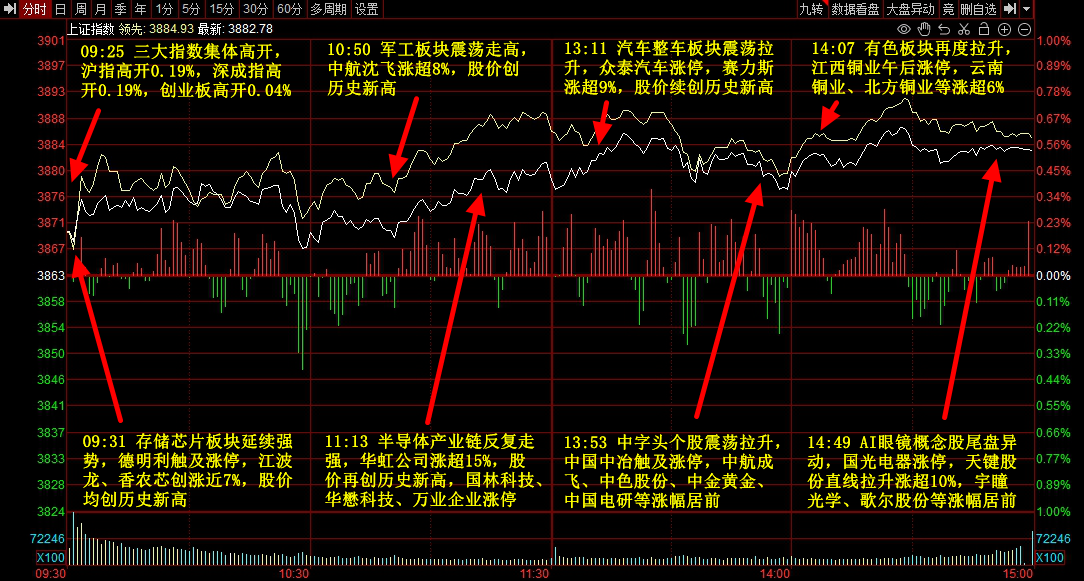
柔性电池

Search documents
三安光电20260205
2026-02-10 03:24
Summary of Sanan Optoelectronics Conference Call Company Overview - Sanan Optoelectronics focuses on the research and production of compound semiconductor epitaxial chips and has expanded into materials. The main business segments are UED (compound semiconductors) and integrated circuits [2][3]. Key Business Insights - **UED Business**: The target for high-end products in the UED segment has been raised to 60%, currently at about 20%. High-end products have a gross margin approximately 30 percentage points higher than low-end products. Prices for low-end products will see a slight increase starting January 1, 2026, reflecting cost pressures [2][3]. - **Integrated Circuits**: This segment includes RF front-end (GaAs, GaN), optical technology, and power batteries. Both GaN and GaAs RF segments are currently profitable, while filters are expected to reach breakeven or profitability by 2026 [2][3]. - **GaAs Solar Cells**: The GaAs division aims for a conversion efficiency of 34.5% by 2025, with projected revenue of approximately 170 million yuan, accounting for about 10% of the division's revenue. The focus is on rigid three-junction epitaxial chips and expanding flexible solar cell orders [2][5]. Flexible Solar Wing Development - The flexible solar wing weighs only a quarter of the rigid version and has higher conversion efficiency. Since the second half of 2024, there has been significant interest from domestic and international clients, indicating a potential increase in order share [2][6]. - Current production scale for flexible batteries is 1%-2% of total capacity, with a yield of 93%-95%, lower than the 97%-98% yield of rigid batteries. However, as production increases, costs are expected to drop to half or even a third of rigid battery costs [2][7]. Market Demand and Future Projections - The international market for GaAs solar cells is expected to surpass the domestic market by 2025, with demand projected to grow 3 to 5 times by Q3 2026 and potentially reach 8 times the current level by 2027 [2][9]. - If all 124 MOCVD machines are dedicated to solar cell production, conservative revenue estimates exceed 1 billion yuan, with a potential upper limit of 9 billion yuan and a gross margin exceeding 30% [2][13]. Competitive Landscape - The company has a significant market share in the LED sector, which constitutes 90% of its overall business. The technology used in LED production is applicable to flexible solar cells, enhancing production efficiency [2][8]. - Flexible solar cells are expected to gain a larger market share as production scales up, with the company confident in its competitive advantages in technology and production processes [2][28]. R&D and Future Directions - Sanan Optoelectronics invests over 10% of its revenue annually in R&D, aiming to create a comprehensive range of compound semiconductor products. Despite previous challenges in matching investment with output, the company is focused on improving revenue and returns for investors [2][33][34]. Conclusion - Sanan Optoelectronics is positioned for growth in the compound semiconductor and solar cell markets, with strategic plans to enhance product offerings and expand market share through technological advancements and increased production capacity.

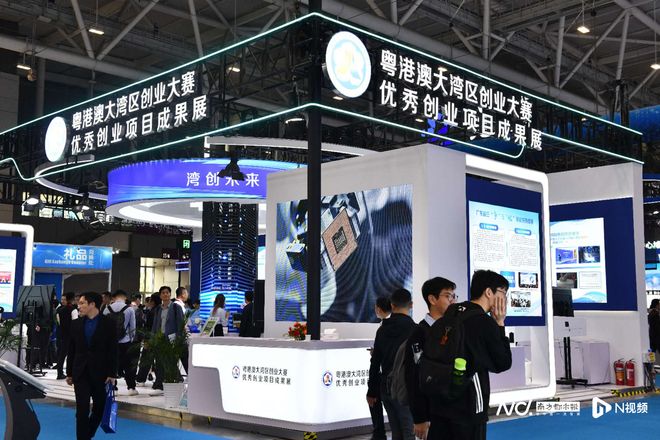
粤港澳大湾区创业大赛优秀创业项目成果展亮相深圳高交会
Nan Fang Du Shi Bao· 2025-11-14 11:04
Core Insights - The Guangdong-Hong Kong-Macao Greater Bay Area Entrepreneurship Competition showcased outstanding entrepreneurial projects at the 27th China International High-tech Achievements Fair, highlighting innovation and support policies in the region [1][5] Group 1: Event Overview - The exhibition runs from November 14 to 16 and features award-winning projects from the first Greater Bay Area Entrepreneurship Competition, including 10 projects across various cutting-edge fields such as AI, integrated circuits, and biomanufacturing [1][3] - The event is organized by the Guangdong Provincial Human Resources and Social Security Department and aims to present the achievements of the competition and the effectiveness of entrepreneurial support policies [1][5] Group 2: Featured Projects - Notable projects include the "PD-1 Enhanced Nucleic Acid Vaccine Technology Platform" from Hong Kong, which is in clinical trials and aims to treat infectious diseases and cancers [3] - The "Lingkong K3" high-altitude curtain wall cleaning robot from Guangzhou integrates multiple advanced technologies and has received EU CE certification, recognized as a leading domestic innovation [3][5] Group 3: Support Policies and Ecosystem - The exhibition highlights Guangdong's entrepreneurial support policies, including subsidies, incubation, financing support, and training, with dedicated personnel available for face-to-face consultations [5][6] - The event also showcases the achievements of the Hong Kong-Macao youth innovation and entrepreneurship bases, which have incubated over 6,500 projects and created nearly 8,000 job opportunities for youth from Hong Kong and Macao [6] Group 4: Impact and Opportunities - The integration of the competition's project exhibition into the high-tech fair aims to leverage the event's influence to provide a broader platform for entrepreneurs to showcase their innovations and connect with resources [6] - Participants expressed gratitude for the opportunities provided by the Guangdong Human Resources Department, emphasizing the value of networking and resource access at the fair [6]


香港理工大学郑子剑:期望风投伙伴为“硬科技”落地赋能
2 1 Shi Ji Jing Ji Bao Dao· 2025-11-10 13:36
Core Viewpoint - The article emphasizes the importance of transforming "hard technology" projects from laboratory research into marketable products, particularly in the context of the Guangdong-Hong Kong-Macao Greater Bay Area's rapid innovation and technology development [1]. Group 1: Hard Technology Development - "Hard technology" startups are often led by university professors and researchers who possess advanced technology but generally lack market experience and operational capabilities [1][2]. - Ideal venture capital firms should assist these teams in building commercially viable organizations and connecting with industry chains and government resources to create a dual-driven model of "technology + market" [1][8]. Group 2: Government Support and Initiatives - The Hong Kong government has established various initiatives to support the commercialization of research outcomes, including the "Industry-Academia-Research 1+" program, which can provide up to HKD 100 million in funding for university startups [4][5]. - The government has also set up platforms like the Hong Kong Science Park to incubate startups and provide smaller-scale funding for projects [4][5]. Group 3: Research Achievements and Market Impact - Recent research achievements include flexible battery projects aimed at enhancing the flexibility of lithium batteries for wearable technology and robotics, and a composite fluid project that could make batteries lighter and more efficient, potentially increasing vehicle range and device usage time [3][4]. - Successful implementation of these projects could significantly impact various industries reliant on battery technology, leading to reduced electricity costs and battery prices for consumers [3]. Group 4: Talent and Resource Integration - There is a need for diverse talent to facilitate the commercialization of research, including not only researchers but also operational personnel who can navigate market dynamics [6]. - Hong Kong's universities have advantages in attracting research talent, but there is a shortage of operational talent in hard technology, which could be addressed by leveraging the engineering talent pool from mainland China [6]. Group 5: Venture Capital and Startup Support - Venture capital partners should not only provide funding but also support in talent acquisition and industry resource integration to help hard technology startups overcome challenges in commercialization [8]. - The article suggests that Hong Kong's venture capital ecosystem is still developing compared to mainland cities like Shenzhen and Beijing, indicating a need for enhanced collaboration and policy development to better support hard technology projects [8].
晚报 | 10月9日主题前瞻
Xuan Gu Bao· 2025-10-08 14:28
Gold Market - The price of gold futures on the New York Commodity Exchange broke the $4000 per ounce mark for the first time on October 6, with spot gold also surpassing this threshold on October 8. China's gold reserves reached 74.06 million ounces by the end of September, marking an increase of 40,000 ounces and the 11th consecutive month of growth [1][5]. Nuclear Fusion - The BEST project in Hefei, Anhui, achieved a significant breakthrough with the successful installation of the Dewar base, marking a new phase in the construction of the compact fusion energy experimental device. The project has a total investment of 8.5 billion yuan and is expected to complete construction and demonstrate fusion power generation by 2027 [1][2]. Computing Power - OpenAI announced a strategic partnership with AMD to deploy 6 gigawatts of AMD GPU computing power, which is expected to generate hundreds of billions in revenue for AMD. This collaboration will accelerate OpenAI's AI infrastructure development [1][3][6]. Flexible Batteries - Researchers at the Chinese Academy of Sciences developed a new type of flexible battery material that can withstand 20,000 bending cycles while maintaining high ionic conductivity. This innovation is expected to drive the commercialization of flexible batteries, with the market projected to reach 36.978 billion yuan by 2032, growing at a compound annual growth rate of over 20% [1][3]. AI Video Technology - OpenAI launched the Sora2 AI video model and the Sora app, which quickly topped the App Store's free chart in the U.S. Sora2 features significant improvements in physical motion accuracy and character performance, marking a transformative moment in AI-generated video content [1][4].