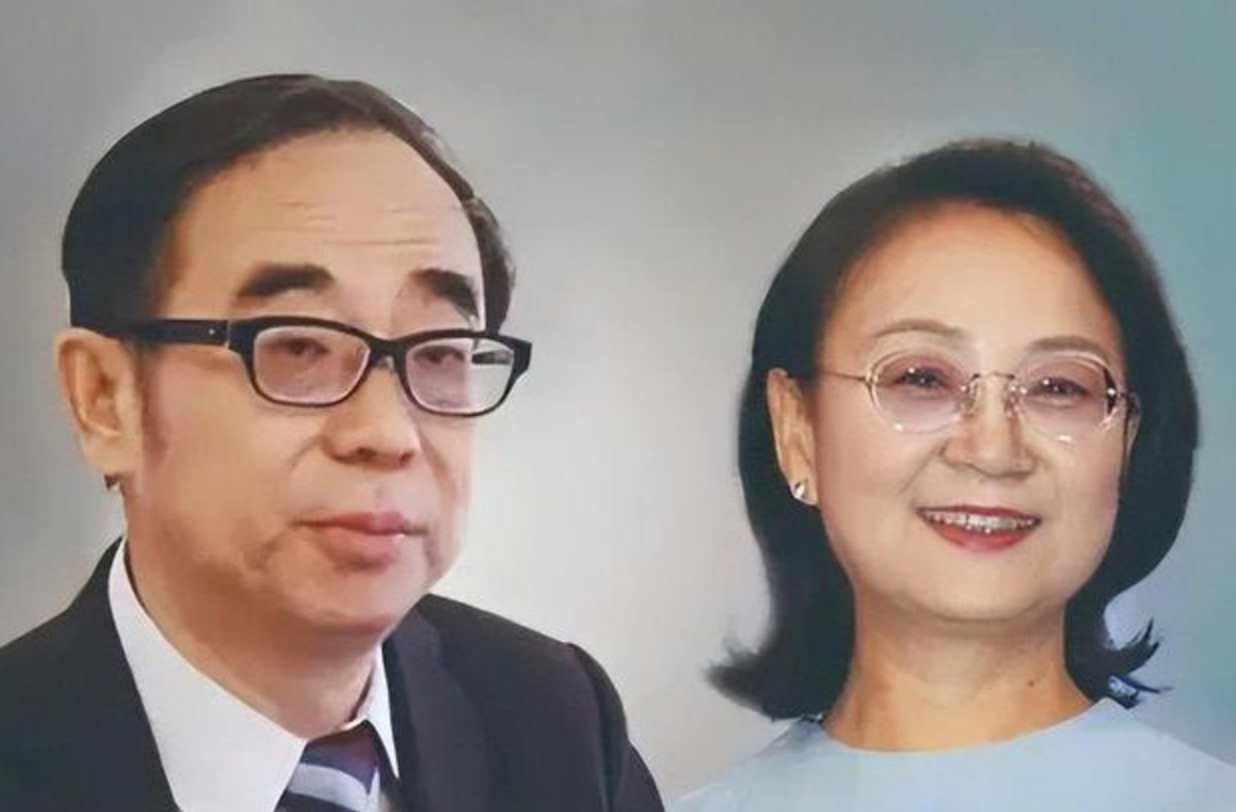
格列卫

Search documents
“一盒救命药为什么能卖4万块,因为花了50年才研发出来”
Guan Cha Zhe Wang· 2026-02-09 10:04
Core Viewpoint - The traditional indirect financing model is misaligned with the needs of technological innovation, which requires long-term investment and acceptance of uncertainty [1][2]. Group 1: Misalignment Issues - The first misalignment is between the pursuit of "certainty" and "uncertainty." Technological innovation involves exploring unknown paths, while traditional financing focuses on known paths and predictable outcomes [2]. - The second misalignment is between short-term and long-term perspectives. Banks typically offer short-term loans, whereas technological innovation requires a long-term commitment, often taking years to develop [2][3]. - The third misalignment is between large and small funding amounts. Banks prefer to lend larger sums to established businesses with stable cash flows, while early-stage tech companies often need smaller amounts for experimentation and gradual growth [3].
中国创新药,10亿赌注的「药神」游戏
3 6 Ke· 2025-11-08 01:23
Core Insights - The emergence of dual-target weight loss drugs has created significant market dynamics, with contrasting experiences for Chinese and foreign pharmaceutical companies [2] - Eli Lilly's weight loss drug, tirzepatide, generated $16.4 billion in sales last year due to its dual action on GLP-1 and GIP hormones, effectively suppressing appetite and controlling blood sugar [2] - Chinese company Hansoh Pharmaceutical's HS-20094, also a dual-target drug, was licensed to Regeneron for an upfront payment of only $80 million, highlighting the disparity in financial returns between Chinese and Western firms [4][6] Industry Dynamics - The pharmaceutical industry operates under a "three tens" rule: 10 years of development, $1 billion investment, and a 10% success rate, though actual conditions are more complex [7] - Innovative drugs are categorized into two types: First-in-class, which are groundbreaking, and Fast Follow, which modify existing drugs without infringing patents [9][11] - First-in-class drugs tend to have higher profit potential, while Fast Follow drugs have a higher success rate and quicker market access [11][13] Market Trends - Chinese pharmaceutical companies are increasingly recognized for their innovative capabilities, with their first-in-class drugs accounting for 24% of the global pipeline, second only to the U.S. [13] - The trend of multinational companies seeking to acquire Chinese innovations is driven by the expiration of patents on their main drugs and the high costs of internal R&D [15] - China’s advantages include faster clinical trial patient recruitment and the ability to develop competitive drugs in high-tech fields [16][18] Talent and Infrastructure - The rise of the pharmaceutical outsourcing industry (CXO) has created a large pool of skilled professionals familiar with international standards [20] - The return of Chinese scientists from abroad has brought advanced technology and a global perspective, enhancing the competitive edge of local firms [22][24] Challenges and Strategies - Chinese innovative drug companies often start by developing generics to build cash flow before investing in original research [25][30] - The licensing-out model allows Chinese firms to secure upfront payments for drugs in development, which can fund further R&D [32] - Despite successes, many companies face challenges such as product shortages and financial difficulties, emphasizing the risks inherent in drug development [34]


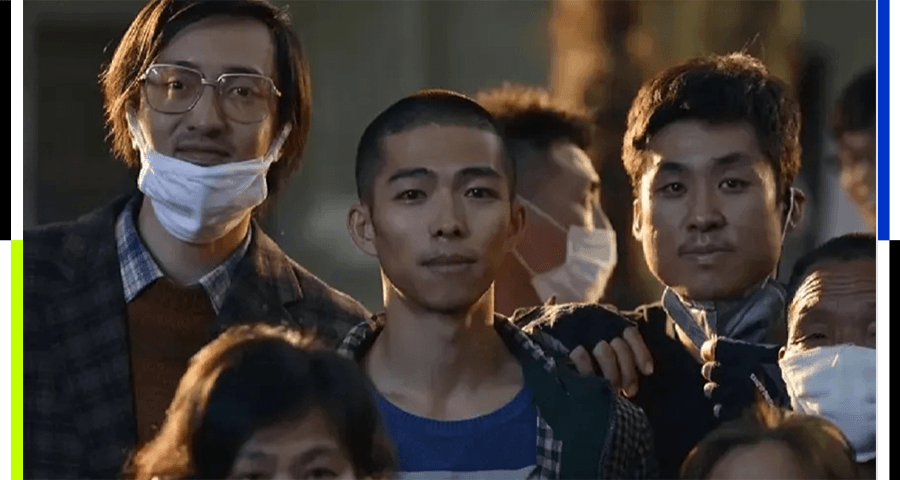
钟慧娟的首富路:一手握鲜花,一手拿罚单
凤凰网财经· 2025-10-31 12:34
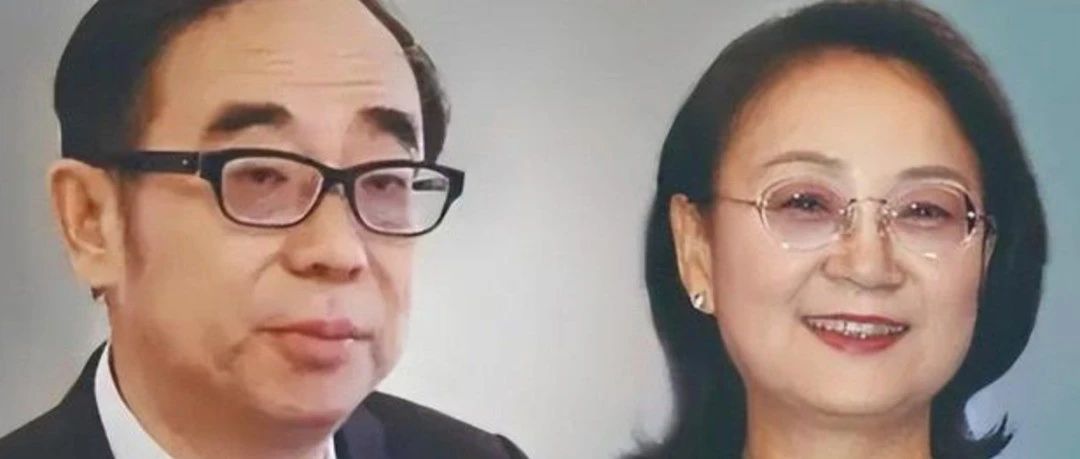
Core Viewpoint - The article highlights the rise of Zhong Huijuan, the chairwoman of Hansoh Pharmaceutical, who has become China's richest woman with a wealth of 141 billion yuan, surpassing previous titleholder Zong Fuli of Wahaha Group. This wealth surge is attributed to the significant increase in Hansoh Pharmaceutical's market value, which has more than doubled within the year, reflecting the company's strategic shift towards innovative drugs and the overall boom in the innovative pharmaceutical sector [1][2][5]. Group 1: Wealth and Company Growth - Zhong Huijuan's wealth has increased by over 60 billion yuan this year, driven by Hansoh Pharmaceutical's market capitalization rising from approximately 90 billion HKD to over 200 billion HKD, marking a year-to-date increase of over 100% [2][12]. - The salary structure within the company shows that in 2024, Zhong Huijuan's salary is 11.93 million yuan, while her daughter Sun Yuan, an executive director, earns 19.04 million yuan, significantly higher than her husband Sun Piaoyang, who earns only 1.65 million yuan [6][7]. Group 2: Strategic Shift to Innovative Drugs - Hansoh Pharmaceutical has transitioned from a focus on generic drugs to innovative drugs, with the number of innovative drugs increasing from 1 in 2019 to 7 in 2022, and innovative drug revenue surpassing generic drug revenue for the first time, reaching 50.6% [12]. - The company has also engaged in strategic overseas licensing agreements, with a notable deal involving a targeted antibody-drug conjugate (ADC) that includes an upfront payment of 80 million USD and potential milestone payments totaling 1.45 billion USD [12]. Group 3: Compliance and Regulatory Challenges - Despite its success, Hansoh Pharmaceutical has faced scrutiny over compliance issues, including a significant fine of 25.54 million yuan for improper competition practices related to "kickback sales" [22][23]. - The company's sales and distribution expenses have consistently exceeded 3 billion yuan annually for seven years, raising concerns about its marketing practices and business model [19][20]. - Historical allegations of bribery and improper conduct have also surfaced, with past incidents involving the company's sales managers engaging in corrupt practices to secure business advantages [24].
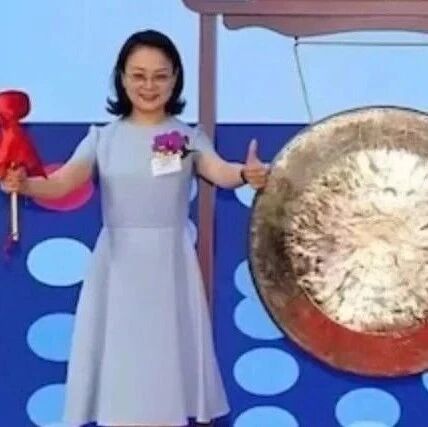
暴跌23%后又大涨近5%!创新药布局机遇来了?业内大咖最新研判
Zhong Guo Ji Jin Bao· 2025-10-31 07:31
Core Insights - The Hang Seng Innovative Drug Index experienced a maximum increase of 141.24% from January 1 to early September 2025, followed by a decline of 22.63% until October 30, 2025, before rebounding with a rise of 4.09% on October 31, 2025 [1][4]. Industry Overview - The scale of BD transactions for Chinese pharmaceutical companies has exceeded $100 billion this year, with Chinese innovative drugs accounting for 46% of global pharmaceutical licensing transactions, making China the largest source of such transactions globally [4]. - The future expansion into the U.S. market is expected to become increasingly challenging and costly due to regulatory changes [6][9]. Regulatory Environment - The U.S. government is implementing stricter regulations on drugs from China, including higher fees for FDA reviews and discouraging reliance on clinical trial data from Chinese patients [7]. - The FDA is enhancing its oversight, with an increase in the frequency of inspections from 522 in FY2022 to 972 in FY2024, indicating a shift towards a more rigorous compliance environment [8]. Market Dynamics - The average price of innovative drugs in China is significantly lower than in the U.S., with large molecule drugs priced at about 1/15 and small molecule drugs at 1/5 to 1/10 of U.S. prices, which is a major barrier to the domestic market's growth [15]. - The Chinese government is aware of these pricing issues and is making adjustments, including the introduction of commercial insurance and confidential price negotiations, which may lead to a gradual increase in drug prices towards U.S. levels over the next 3 to 5 years [15]. Future Outlook - By 2035, China is expected to develop significant core technologies in drug creation, potentially leading to the emergence of several top global pharmaceutical companies [16]. - The current trend indicates that China will likely see the emergence of at least one pharmaceutical company that surpasses major Japanese firms like Takeda and Daiichi Sankyo within the next 5 to 10 years [18]. Investment Trends - The surge in innovative drug interest this year is primarily driven by the increase in BD transactions, which reflects the high value placed on Chinese innovative drugs by multinational companies [19]. - Future investment strategies will focus on identifying products with BD potential earlier in the development process, as the market is expected to respond proactively to these opportunities [19].


暴跌23%后又大涨近5%!创新药布局机遇来了?业内大咖最新研判
中国基金报· 2025-10-31 07:25
Core Viewpoint - China is expected to transition from a "big pharmaceutical country" to a "strong pharmaceutical country" as the domestic innovative drug market grows and evolves [5][18]. Group 1: Market Trends and Performance - The Hang Seng Innovative Drug Index saw a maximum increase of 141.24% from January 1 to early September 2025, followed by a decline of 22.63% until October 30 [2]. - As of October 31, the index rebounded with a maximum increase of 4.84% [2]. - The scale of business development (BD) transactions for Chinese pharmaceutical companies has exceeded $100 billion this year, with China's innovative drugs accounting for 46% of global pharmaceutical licensing transactions, making it the largest source of licensing transactions globally [5][22]. Group 2: Challenges in the U.S. Market - The difficulty and cost of expanding into the U.S. market are expected to increase, influenced by stricter regulations from the U.S. FDA [8][10]. - The U.S. government is implementing measures to limit drug imports from China, including more rigorous reviews and higher regulatory fees [8][9]. - The FDA's new guidelines emphasize overall survival in cancer drug approvals, potentially increasing costs by 1 to 2 times [8]. Group 3: Evolution of Outbound Strategies - Chinese pharmaceutical companies are evolving their outbound strategies from out-licensing to more collaborative models like NewCo and Co-Co [12][13]. - The Co-Co model involves deep collaboration with multinational corporations (MNCs) for joint development and commercialization, allowing for shared decision-making and risk [12][13]. - Different products may require tailored outbound strategies, with companies like Heng Rui Pharma adopting a two-step internationalization strategy [14]. Group 4: Domestic Market Potential - The Chinese innovative drug market is currently underperforming compared to its potential, with a market share significantly lower than that of the U.S., Europe, and Japan [16][17]. - The average price of innovative drugs in China is substantially lower than in the U.S., which is a key factor hindering market growth [17]. - Recent policy adjustments, including the introduction of commercial insurance and price negotiations, are expected to gradually align domestic drug prices with international standards over the next 3 to 5 years [18]. Group 5: Future Outlook - By 2035, China is projected to develop a number of leading pharmaceutical companies and become a global center for new drug creation [20]. - The emergence of top global pharmaceutical companies from China is anticipated, with the potential for significant breakthroughs in innovative drug development [20][21]. - The current surge in innovative drugs is driven by fundamental changes in the market, particularly in BD transactions, and the recognition of the value of Chinese innovative drugs by multinational companies [22].

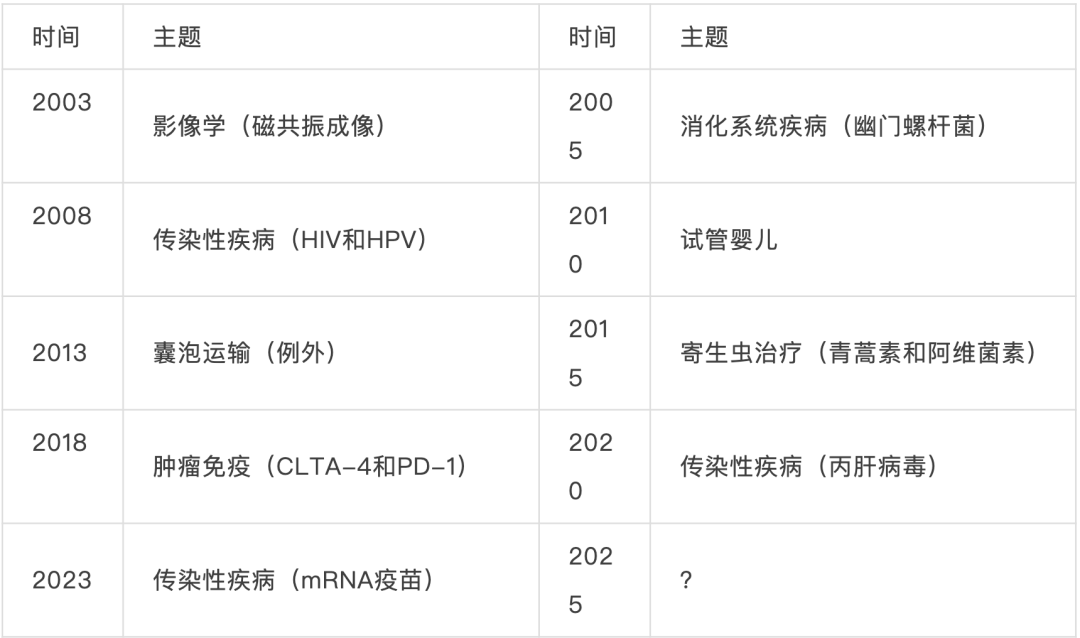
谁将问鼎2025年诺贝尔生理学或医学奖?
Hu Xiu· 2025-10-02 01:49
Core Viewpoint - The article discusses the potential winners of the Nobel Prize in Physiology or Medicine, focusing on the significance of scientific discoveries and their applications in the medical field, particularly highlighting the discovery of GLP-1 as a strong candidate for the award in 2025 [1][3]. Group 1: Historical Context and Trends - The Nobel Prize in Physiology or Medicine has historically awarded discoveries that are significant in both scientific and practical applications, with a distribution ratio of approximately 3:2 between physiology and medicine since 2001 [1][2]. - The awarding pattern shows a tendency to recognize impactful medical discoveries every few years, with the last notable award in the metabolic research area occurring 40 years ago [6][7]. Group 2: GLP-1 Discovery - The discovery of GLP-1 is considered a major breakthrough in metabolic regulation, with an 85% probability of winning the Nobel Prize due to its significant scientific and practical implications [3][4]. - GLP-1-based drugs, such as semaglutide and tirzepatide, are projected to rank among the top ten global drug sales in 2024, showcasing their widespread application and importance in treating obesity [4][5]. - The recognition of GLP-1's importance has grown in recent years, and it has been a contender for major scientific awards, indicating its readiness for Nobel recognition [6][7]. Group 3: Potential Awardees - Key contributors to the discovery of GLP-1 include Jens Juul Holst and Joel Habener, both with a 100% probability of winning due to their foundational work in identifying and characterizing GLP-1 [8][10]. - Svetlana Mojsov, another significant contributor, has a 75% probability of winning, while Daniel Joshua Drucker and Lotte Knudsen have lower probabilities of 20% and 5%, respectively, due to their roles being more focused on later developments rather than the initial discovery [12][15][17]. Group 4: Other Potential Projects - Other projects, such as the development of fMRI and PET technologies, have a lower probability of winning (15%) due to their perceived lack of groundbreaking discovery elements compared to GLP-1 [19][21]. - Additional medical achievements, including Herceptin and Gleevec, are noted for their clinical significance but are considered less competitive against GLP-1 [22][23]. - Basic research achievements in physiology are deemed unlikely to win, with a probability of less than 1% due to the vast number of contributions in this area [24].
20万家药店撑起3000亿帝国,“中国药王”要登陆港股了
商业洞察· 2025-05-15 09:48
Core Viewpoint - The article discusses the upcoming IPO of Heng Rui Pharmaceutical on the Hong Kong Stock Exchange, highlighting its significance in the context of the Chinese pharmaceutical industry and the challenges it faces in the competitive landscape [2][10][15]. Group 1: Company Overview - Heng Rui Pharmaceutical is set to raise approximately $2 billion (about 14.5 billion RMB) through its IPO, aiming to become a prominent player alongside WuXi AppTec and BeiGene in the A+H share market [2]. - The company has a strong financial position with over 24 billion RMB in cash and a low debt ratio of 7.30% as of Q1 2025 [2]. - The founders, Sun Piaoyang and Zhong Huijuan, are recognized as a legendary couple in the pharmaceutical industry, having built a company with a market value that once exceeded 1 trillion RMB [4][8]. Group 2: Challenges and Market Position - Heng Rui has faced significant challenges, including a decline in market value due to price cuts from centralized procurement policies, which led to a 28% drop in net profit in 2021 [12]. - The company’s innovative drug revenue is only about half that of BeiGene, indicating a competitive disadvantage in the innovation space [10][17]. - Despite recent revenue growth, Heng Rui's transformation from a generics-focused company to an innovative drug developer is still ongoing, with generics contributing over half of its revenue [13]. Group 3: Internationalization Strategy - The IPO is seen as a strategic move to enhance Heng Rui's international presence and brand influence, with plans to invest in overseas R&D and clinical trials [15]. - The company has initiated over 20 overseas clinical trials and has products commercialized in more than 40 countries, indicating a strong push towards globalization [15]. - However, Heng Rui faces potential valuation challenges in the Hong Kong market, which could impact its overall market performance [16]. Group 4: Future Outlook - The upcoming IPO is viewed as a critical step for Heng Rui to maintain its status as a leading pharmaceutical company in China amidst increasing competition from new entrants like BeiGene [15][17]. - The article suggests that the success of Heng Rui's international strategy and its ability to innovate will be crucial for its future growth and market position [17].
20万家药店撑起3000亿帝国,“中国药王”要登陆港股了
凤凰网财经· 2025-05-13 09:25
Core Viewpoint - The upcoming IPO of Heng Rui Pharmaceutical on the Hong Kong Stock Exchange is a significant event for the Chinese pharmaceutical industry, as it aims to raise $2 billion (approximately 14.5 billion RMB) and marks the company's strategic shift towards internationalization and innovation amidst increasing competition and challenges in the domestic market [1][11]. Group 1: Company Background and Leadership - Heng Rui Pharmaceutical, led by the notable couple Sun Piaoyang and Zhong Huijuan, has transformed from a struggling local factory into a pharmaceutical giant with a market value that once exceeded 1 trillion RMB [1][5]. - The couple's journey from humble beginnings to leading two major pharmaceutical companies, Heng Rui and Hansoh Pharmaceutical, exemplifies the potential of the Chinese pharmaceutical sector [3][14]. Group 2: Financial Performance and Challenges - As of the first quarter of 2025, Heng Rui reported over 24 billion RMB in cash and a low debt-to-asset ratio of 7.30%, indicating strong financial health despite facing challenges such as a decline in market value and innovation revenue [1][7]. - The company has experienced significant setbacks, including an 80% price drop in its core product, leading to a 28% decline in net profit in 2021, and a market capitalization loss exceeding 400 billion RMB [7][8]. Group 3: Market Position and Competition - Heng Rui's innovation revenue is currently only half that of its competitor, BeiGene, highlighting the competitive pressure in the domestic market as new players emerge with global strategies [8][11]. - The company has made strides in innovation, with 17 approved innovative drugs and an increase in the proportion of innovative drug revenue to 49.64% in 2024, but it still relies heavily on generic drugs for over half of its revenue [8][9]. Group 4: Internationalization Strategy - The IPO is seen as a critical step for Heng Rui to enhance its brand influence and facilitate its international expansion, with plans for overseas research centers and clinical trials in multiple countries [11][12]. - The company aims to address the challenges posed by domestic competition and maintain its leading position in the industry through a robust international strategy [11][14].
20万家药店撑起3000亿帝国,“中国药王”要登陆港股了
Feng Huang Wang Cai Jing· 2025-05-13 09:12
Core Viewpoint - The upcoming IPO of Heng Rui Medicine on the Hong Kong Stock Exchange is a significant event for the Chinese pharmaceutical industry, aiming to raise approximately $2 billion (about 145 billion RMB) and marking the company's transition to a dual listing after its success in the A-share market [1][8]. Group 1: Company Background - Heng Rui Medicine, led by the notable couple Sun Piaoyang and Zhong Huijuan, has transformed from a struggling local factory into a pharmaceutical giant with a market value that once exceeded 1 trillion RMB [1][7]. - The company has a strong financial position, with over 24 billion RMB in cash and a low debt ratio of 7.30% as of the first quarter of 2025 [1]. Group 2: Challenges and Market Position - In recent years, Heng Rui has faced challenges, including being surpassed in market value by BeiGene and issues related to talent retention and low revenue from innovative drugs [3][9]. - The company’s innovative drug revenue is significantly lower than that of BeiGene, with 2024 figures showing Heng Rui's innovative drug income at 138.92 billion RMB compared to BeiGene's 272.14 billion RMB [10]. Group 3: Strategic Moves and Future Outlook - The IPO is seen as a strategic move to enhance brand influence and facilitate international expansion, with plans for overseas research centers and clinical trials in multiple countries [12][15]. - Despite the challenges, the couple's vision for global expansion remains strong, with Heng Rui's innovative drug revenue expected to reach 49.64% of total revenue in 2024, marking a historical high [10][15].