梦之蓝M6

Search documents
官宣!2026年央视春晚节目单发布,合作伙伴超20家知名公司
Di Yi Cai Jing· 2026-02-16 06:51
Core Viewpoint - The 2026 Spring Festival Gala program list has been officially released by the Central Radio and Television Station, featuring a diverse lineup of performances and hosts across multiple locations [2][12]. Program Details - The gala will be directed by Yu Lei, with co-directors Zhao Dazhi, Li Meilan, and Yang Jinmeng [4]. - The main hosts for the Beijing venue include Ren Luyu, Sa Beining, and Nigmat, with additional hosts for various regional venues [13]. - The program includes performances such as songs, skits, and martial arts, featuring well-known artists and groups [4][5][6]. Technological Integration - The 2026 gala emphasizes technological innovation, collaborating with companies in robotics and AI, including Yushutech and Volcano Engine [19]. - Over 20 partners have been announced for the gala, spanning various sectors such as smart mobility, AI robotics, and the liquor industry [20]. Broadcast Information - The gala will be broadcasted across multiple channels, including CCTV's comprehensive channel and various international platforms, reaching over 3,500 media outlets globally [12].


双11酒水大战真相!年轻人不再囤酒,酒企集体反抗电商平台
Sou Hu Cai Jing· 2025-11-12 21:57
Core Viewpoint - The Chinese liquor industry is experiencing significant price fluctuations and a shift in consumer behavior, leading to a fierce battle between liquor companies and e-commerce platforms over pricing and market control [1][3][16]. Group 1: Price Anomalies and Market Polarization - During this year's Double 11 shopping festival, the price of 53-degree 500ml Flying Moutai has dropped to 1499 yuan per bottle on major e-commerce platforms, aligning with the official guidance price [3][5]. - Other premium liquors, such as Junpin Xijiu and Jinsha, have also seen drastic price reductions, with some dropping below 400 yuan [5]. - The price disparity among different brands indicates a profound transformation in the liquor market, with online subsidies clashing with manufacturers' pricing strategies [5][16]. Group 2: Liquor Companies' Countermeasures - In response to the aggressive pricing strategies of e-commerce platforms, major liquor companies have adopted a more assertive stance, publicly disclosing authorized sales channels and naming unauthorized sellers [7][10]. - The collective action from at least eight liquor manufacturers, including Moutai and Wuliangye, reflects a significant shift towards reclaiming control over distribution channels [7][10]. - Maintaining price stability is crucial for liquor companies, as the chaos in pricing can undermine brand positioning and market confidence [10][16]. Group 3: E-commerce Platforms' Strategies - E-commerce platforms have adjusted their subsidy strategies, continuing to offer significant discounts on top-tier products like Moutai to attract high-end consumers [8][10]. - However, the overall subsidy for liquor has decreased as platforms redirect resources to other categories, indicating a shift in focus [10][11]. - The normalization of subsidies has diminished the effectiveness of promotional events, leading to a decline in sales compared to previous campaigns [10][11]. Group 4: Changing Consumer Behavior - The demographic of liquor consumers is shifting, with a significant portion of new customers being young individuals aged 18-29, who now make up 30% of the market [11][13]. - Young consumers are moving away from traditional bulk purchasing habits, opting instead for immediate consumption facilitated by rapid delivery services [13][16]. - This generational change is impacting the demand for high-end liquor, as traditional drinking cultures are being rejected by younger consumers [13][16]. Group 5: Channel Transformation and Distributor Challenges - Traditional distributors are facing significant challenges due to the aggressive pricing from online platforms, leading to reduced profit margins and some exiting the industry [15][16]. - Liquor companies are caught in a dilemma between maintaining price stability and assisting distributors in clearing inventory [15][16]. - The rise of instant retail is accelerating changes in distribution channels, prompting liquor companies to explore new sales models [15][16].


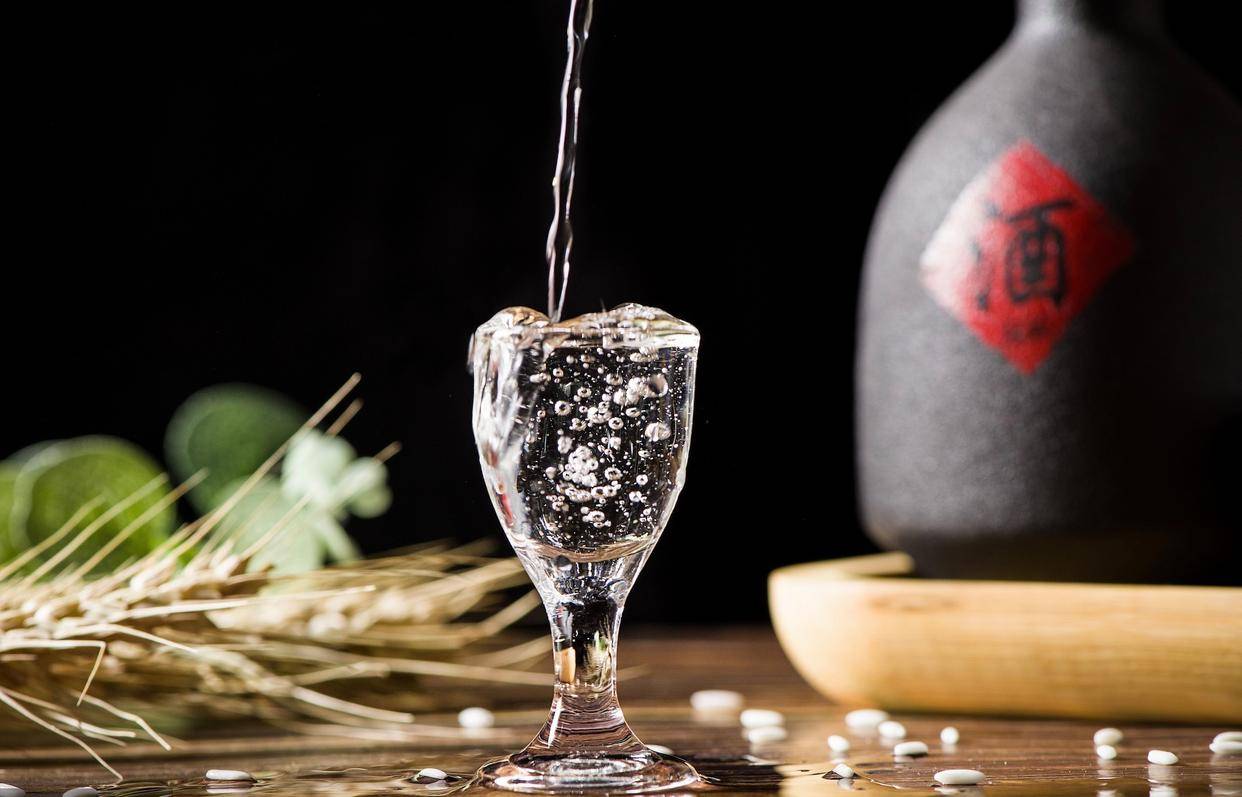
白酒,还能喝吗?
虎嗅APP· 2025-07-11 09:33
Core Viewpoint - The article discusses the transformation of the Chinese liquor market, particularly the shift from high-end baijiu to more accessible options, reflecting changing consumer preferences and social dynamics [3][4][5]. Group 1: Market Trends - The baijiu market has seen a significant shift from high-end products to more affordable options, with a growing preference for light and accessible "light bottle" baijiu [4][5]. - The high-end baijiu segment remains strong, but many non-leading brands have seen their prices drop significantly, leading to uncertainty in their value [4][5]. - Predictions indicate that by the second half of 2025, light bottle baijiu priced between 50-100 RMB and mid-range baijiu priced between 250-450 RMB will become the most popular segments [4]. Group 2: Consumer Preferences - There is a notable change in consumer behavior, with a focus on the enjoyment of baijiu itself rather than its status as a social currency, as seen in past business gatherings [3][4]. - Younger consumers are increasingly favoring lower-alcohol options and are less interested in high-end baijiu, leading to a shift in marketing strategies among liquor companies [10][11]. - The article highlights the emergence of new products targeting younger demographics, such as flavored and lower-alcohol baijiu, which align with contemporary lifestyle preferences [10][11]. Group 3: Regional Brands and Innovations - Regional brands like Mingguang liquor have shown impressive growth, with revenue projections increasing from under 300 million RMB in 2021 to over 1 billion RMB by 2024 following a merger [7][8]. - The article emphasizes the unique characteristics of certain regional liquors, such as Jinmen sorghum and Li Du sorghum, which cater to niche markets and have distinct flavor profiles [6][7]. - The article notes that many high-end brands struggle to penetrate lower-tier markets effectively, while regional brands excel in producing mid-range products that resonate well with local consumers [10].