沙库巴曲缬沙坦钠片

Search documents
达嘉维康2025年业绩预亏,控股股东一致行动人拟减持
Jing Ji Guan Cha Wang· 2026-02-11 07:20
Core Viewpoint - The company, Dajia Weikang (301126), is expected to report a loss in 2025 due to intensified industry competition and goodwill impairment, while its major shareholder plans to reduce its stake by up to 3% [1][2][3]. Group 1: Financial Performance - The company forecasts its 2025 revenue to be between 5.5 billion to 6 billion yuan, representing a year-on-year growth of 5.09% to 14.65% [2]. - The anticipated net loss for 2025 is projected to be between 250 million to 300 million yuan, primarily due to increased industry competition and goodwill impairment [2]. Group 2: Shareholder Actions - The controlling shareholder's concerted action party, Changsha Tongjia Investment Management Partnership, plans to reduce its holdings by no more than 6.16 million shares, which accounts for 3% of the total share capital, between March 10 and June 9, 2026 [3]. Group 3: Product Development Progress - The company is collaborating with Hunan University and other institutions to establish a clinical research center in the field of regenerative medicine, aiming to promote technology transfer [4]. - Ongoing product developments include the sodium salt of sacubitril/valsartan, which is in the technical review stage, and the application for ezetimibe/atorvastatin calcium tablets is being prepared, which may impact future business layout [4].
润都股份困局:高管密集减持与创新药“远水难解近渴”
Xin Lang Cai Jing· 2026-02-06 08:17
Core Viewpoint - Rundu Co., Ltd. is expected to report a net loss attributable to shareholders of between 60 million to 78 million yuan for the year 2025, marking its first annual loss since its listing in 2018. The company faces multiple challenges between transformation and survival, with key innovations in drug review stages contrasted by significant executive sell-offs and declining core business performance [1][8]. Group 1: Executive Sell-offs and Performance Expectations - Since December 2025, major shareholders and executives, including the actual controller Li Xi, have announced plans to reduce their holdings, with Li Xi planning to sell up to 3% of total shares, estimated to raise nearly 130 million yuan. As of December 14, 2025, his pledged shares reached 73.53%, accounting for 20.65% of the total shares [2][9]. - Li Xi had previously completed a round of sell-off in November 2025, cashing out over 87 million yuan. Other executives, including the general manager Liu Jie and deputy general manager You Chunyan, also planned to sell shares citing personal financial needs [2][9]. - The timing of these sell-offs coincides with a critical period for the review of innovative drugs, contrasting sharply with market optimism regarding drug approvals, thus signaling caution about short-term prospects [2][9]. Group 2: Core Business Pressures and Impact of Centralized Procurement - The anticipated losses are not without precedent, as Rundu Co., Ltd. reported a 40.38% year-on-year decline in net profit in 2024, with a further 8.22% revenue drop in the first half of 2025, leading to a shift from profit to loss. The gross profit margin also fell by 12.23 percentage points [3][10]. - The core formulation business has been significantly impacted by centralized procurement, particularly the revenue from Rabeprazole Sodium Enteric-Coated Capsules, which saw a 13.74% decline in the first half of 2025, with a gross margin drop of 9.66 percentage points. The raw material business's gross margin plummeted from 17.37% to 6.24%, severely constricting profit margins [3][10]. - Although the nicotine business experienced sales growth, it has not yet made a significant impact on overall performance. The intermediate business has further dragged down annual performance due to price declines and asset disposal losses [3][10]. Group 3: Risks Behind Innovative Drug Expectations - The injection of dextromethorphan hydrochloride is seen as a key to Rundu Co., Ltd.'s transition to innovative drugs, potentially becoming the first domestic drug for myocardial perfusion imaging, filling a market gap [4][11]. - However, this innovative drug faces three major challenges: - Approval remains uncertain, with a 2024 approval rate for Class 1 innovative drugs at 86.21%, indicating that not all will be approved [5][12]. - Intense market competition exists, as current drugs like adenosine and dipyridamole are already included in medical insurance, creating pricing challenges for new products [5][12]. - The market education cycle is lengthy, with only a 5% penetration rate for MPI in China, requiring extensive promotion and training for doctors, making rapid market uptake difficult [5][12]. - Even if approved in the first half of 2026, the drug will require time for hospital entry and promotion, which will not immediately offset existing business losses [6][12]. - Additionally, the company's generic drug pipeline, including sacubitril valsartan tablets, faces industry-wide pressures from falling generic drug prices [7][13].
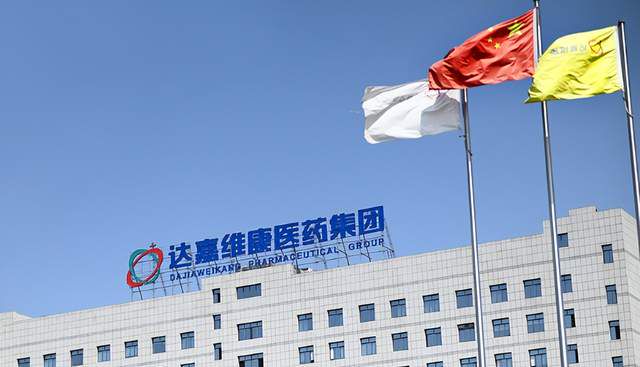
发力多元化,达嘉维康预计2025年营收超过55亿元
Xin Lang Cai Jing· 2026-01-27 07:09
Core Viewpoint - Despite goodwill impairment in subsidiaries due to industry conditions, the company is committed to advancing its diversification strategy, effectively mitigating concentration risks and opening broader market opportunities for future growth [2][9]. Financial Performance - The company forecasts revenue of 5.5 billion to 6 billion yuan for 2025, with a projected net profit attributable to shareholders of -250 million to -300 million yuan [2][9]. - The chain pharmacy sector is expected to experience a temporary decline in performance due to macroeconomic changes, intensified competition, policy adjustments, and shifts in consumer habits [2][9]. Professional Pharmacy Advantages - The company has established a solid operational management system and high pharmaceutical service capabilities over its 20 years in the professional pharmacy sector [3][10]. - As a national 4A-level pharmaceutical logistics enterprise, the company enhances its retail business through effective logistics and supply chain management [3][10]. - The company operates 1,505 pharmacies nationwide, covering multiple provinces and cities, and continues to expand its network through a "direct + acquisition + franchise" model [3][10]. Diversification Strategy - The company is deepening industry chain cooperation and plans to diversify its pharmacy offerings, focusing on health food and personal care products to create patient-centered "health service hubs" [4][11]. - The company is actively pursuing diversification in the health industry, achieving progress in pharmaceutical manufacturing and regenerative medicine [5][12]. Regenerative Medicine Initiatives - In 2025, the company will collaborate with several institutions to establish a clinical research center for regenerative medicine, aiming to translate research outcomes into clinical applications and accelerate the development of Hunan's biopharmaceutical industry [5][12]. - The establishment of the center is supported by a 1 billion yuan special fund from Hunan Province to facilitate technology transfer and research breakthroughs [5][12]. Pharmaceutical Manufacturing - The company owns two pharmaceutical enterprises with a total of 63 drug approvals and 21 drug registration certificates, with 46 products included in the national medical insurance directory [6][13]. - The company is focusing on the development of innovative drugs, including original chemical drugs and traditional Chinese medicine, and has established key laboratories and technology centers [6][13]. Hospital Sector Developments - The company’s hospital, Dajia Jiacheng Hospital, has entered the medical beauty sector, which is expected to improve operational performance [6][13]. - The hospital has launched various beauty treatment projects and is poised to benefit from upcoming policies that relax market access for high-end medical services [6][13]. Strategic Goals - The company aims to strengthen its core competitiveness and profitability by enhancing management practices, talent development, and leveraging existing business synergies to seize opportunities in the healthcare industry [7][14].

润都股份(002923.SZ):获得沙库巴曲缬沙坦钠片药品注册证书
Ge Long Hui A P P· 2026-01-26 12:25
Core Viewpoint - Rundu Co., Ltd. has received two drug registration certificates from the National Medical Products Administration for Sacubitril/Valsartan tablets, marking a significant milestone as the first ARNI approved globally for heart failure treatment [1] Group 1: Product Approval - The approved Sacubitril/Valsartan tablets are indicated for adult patients with reduced ejection fraction chronic heart failure (NYHA II-IV, LVEF ≤ 40%) [1] - This medication is designed to reduce the risk of cardiovascular death and hospitalization due to heart failure [1] - It can replace ACE inhibitors or ARBs and can be used in combination with other heart failure treatments [1] Group 2: Therapeutic Benefits - Sacubitril/Valsartan demonstrates superior blood pressure-lowering effects compared to standard antihypertensive medications [1] - The drug is also applicable for the treatment of primary hypertension [1]
润都股份:获得沙库巴曲缬沙坦钠片药品注册证书
Xin Lang Cai Jing· 2026-01-26 10:28
Core Viewpoint - The company, Rundu Co., has recently received two drug registration certificates for Sacubitril/Valsartan Sodium Tablets from the National Medical Products Administration [1] Group 1 - The issuance of the drug registration certificates indicates a significant regulatory approval milestone for the company [1] - Sacubitril/Valsartan is a medication used for treating heart failure, which may enhance the company's product portfolio and market presence [1]
不到一个月,百款仿制药上市申请被拒
Di Yi Cai Jing· 2025-12-23 12:54
Core Insights - The recent surge in drug notification letters from the National Medical Products Administration (NMPA) indicates a tightening of approval processes for generic drugs in China, with 167 drugs involved since December, including 102 generic drug applications being rejected or withdrawn, doubling the number from November [2][6]. Group 1: Drug Approval Trends - A total of 102 generic drug applications were either rejected or voluntarily withdrawn in December, primarily affecting cardiovascular, metabolic, neurological, respiratory, anti-infective, oncology, ophthalmology, dermatology, and digestive system treatments [2][5]. - The most affected drug was Bilastine, with six manufacturers, including Shandong Langnuo Pharmaceutical and Jiangsu Hechen Pharmaceutical, facing difficulties in their applications [3][5]. - Other notable drugs with multiple applicants facing rejection include the antipsychotic drug Brexpiprazole and the antibiotic Levofloxacin, with three companies involved in each case [3]. Group 2: Regulatory Changes - The NMPA has signaled a tightening of approval standards, as evidenced by the release of draft guidelines addressing major deficiencies in the pharmaceutical research of chemical generics and bioequivalence studies [7][8]. - The new guidelines indicate that applications with significant deficiencies will not be allowed to supplement their materials, leading to more rejections based on existing documentation [8]. Group 3: Market Dynamics - The approval tightening comes amid a backdrop of increasing competition in the generic drug market, with over 60 companies previously obtaining approvals for common drugs like Amlodipine Besylate [5][10]. - The Chinese generic drug market is characterized by a high level of competition, with a significant increase in the number of similar products, leading to market saturation and reduced profitability for generic manufacturers [10][11]. - The market share of chemical generics is projected to remain at 50% in 2024, with a notable increase in the number of products evaluated or deemed equivalent, rising from 543 in 2021 to 914 in 2024 [10].

不到一个月,百款仿制药上市申请被拒
第一财经· 2025-12-23 11:55
Core Viewpoint - The recent surge in drug notification letters from the National Medical Products Administration (NMPA) indicates a tightening of approval processes for generic drugs in China, with a significant increase in rejected or withdrawn applications in December 2023 compared to previous months [3][9]. Summary by Sections Drug Application Status - In December 2023, 167 drug notification letters were issued, with 102 related to generic drug applications, marking a doubling of rejections or withdrawals compared to November [3][4]. - The rejected or withdrawn applications include a variety of therapeutic areas such as cardiovascular, metabolic diseases, and oncology, with notable drugs like Sacubitril/Valsartan and Levofloxacin involved [6][8]. Industry Response - Some companies, like Jiutian Pharmaceutical, have publicly stated reasons for their withdrawal, citing the need for further data improvement after discussions with the NMPA [7]. - Issues primarily stem from raw material quality rather than the formulations themselves, as reported by some rejected applicants [7]. Regulatory Environment - The approval process for chemical generic drugs is tightening, as indicated by new drafts released by the NMPA that outline stricter criteria for approval, including the rejection of applications based on existing documentation without the need for additional submissions [9][10]. - The new guidelines aim to clarify significant deficiencies in bioequivalence studies, which have been a common reason for application failures [10]. Market Dynamics - China remains a major player in the generic drug market, but increasing competition and the inclusion of more innovative drugs in the medical insurance catalog are pressuring profit margins for generics [12][13]. - The market for chemical generics is projected to maintain a 50% share of the overall pharmaceutical market in 2024, with a notable increase in the number of approved generic varieties [13]. Competition and Industry Trends - The number of generic drug varieties has surged, leading to intensified competition and market saturation, with a significant rise in the number of products with five or more manufacturers [13]. - Concerns about low-level duplication in the generic drug sector have prompted calls for regulatory reforms to enhance the quality and efficiency of the approval process [15].

仿制药上市越来越难了!不到一个月百款药物上市申请被拒
Di Yi Cai Jing· 2025-12-23 11:24
Core Viewpoint - The recent surge in drug notification letters from the National Medical Products Administration indicates a tightening of approval processes for generic drugs in China, with a significant increase in rejected or withdrawn applications in December compared to November [1][5]. Group 1: Drug Approval Trends - As of December 19, 2023, a total of 167 drug notification letters were issued, with 102 related to generic drug applications, marking a doubling in rejections or withdrawals compared to November [1]. - The therapeutic areas affected include cardiovascular, metabolic diseases, nervous system, respiratory, anti-infection, oncology, ophthalmology, dermatology, and digestive systems, with specific drugs like sacubitril/valsartan and sitagliptin/metformin among those impacted [1]. - Multiple manufacturers faced challenges with the same drug, such as the allergy treatment bilastine, which had six companies involved in unsuccessful applications [2]. Group 2: Reasons for Rejections - Some companies, like Jiutian Pharmaceutical, have publicly stated that their withdrawal was due to the need for further data refinement after discussions with the National Drug Review Center [3]. - Manufacturers of rejected generic drugs indicated that the primary issues were related to raw materials rather than the formulations themselves [3]. Group 3: Regulatory Changes - The approval process for generic drugs is tightening, as indicated by the recent drafts of guidelines from the National Medical Products Administration, which outline significant deficiencies in pharmaceutical research and bioequivalence studies [5][6]. - The new guidelines suggest that applications with major deficiencies will not be allowed to supplement their materials, leading to more rejections based on existing documentation [5]. Group 4: Market Dynamics - The Chinese generic drug market is facing increased competition, with a significant number of companies vying for approval of similar products, leading to market saturation [7]. - The report from the Chinese Academy of Medical Sciences indicates that by 2024, generic drugs will still account for 50% of the overall pharmaceutical market, with a notable increase in the number of approved generic varieties [7]. - The market concentration remains low, with the top ten companies holding around 22% of the market share, indicating ongoing challenges for profitability in the generic sector [7]. Group 5: Industry Insights - Industry experts have noted that the increasing number of generic drug projects, often with lower development costs compared to innovative drugs, contributes to market saturation and competition [8]. - Concerns about "internal competition" in the generic drug sector have prompted calls for regulatory adjustments to optimize the approval process and reduce unnecessary resource expenditure [8].
冲高回落 大盘下跌空间有限
Chang Sha Wan Bao· 2025-12-18 14:48
Group 1: Market Overview - A-shares showed mixed performance on December 18, with the Shanghai Composite Index rising by 0.16% to close at 3876.37 points, while the Shenzhen Component Index fell by 1.29% to 13053.97 points, and the ChiNext Index dropped by 2.17% to 3107.06 points [1] - The total trading volume in the Shanghai and Shenzhen markets was 165.55 billion yuan, a decrease of 15.57 billion yuan compared to December 17 [1] - Despite a rebound during the day, many stocks experienced significant selling pressure, indicated by long upper shadows on their candlestick charts [1] Group 2: AI Healthcare Sector - The AI healthcare sector performed strongly, led by Ant Group's announcement of the upgrade of its AI health application "Ant Aifu," which now focuses on a "health+" strategy [2] - The upgraded "Ant Aifu" app has over 15 million monthly active users, making it the largest AI health management app in China, with 55% of users coming from third-tier cities and below [2] - The emergence of successful products like "Ant Aifu" is expected to attract market funds and potentially lead to a revaluation of AI applications in vertical fields such as healthcare [2] Group 3: Local Stock Performance - In Hunan stocks, 147 stocks rose while 84 fell, with Aerospace Hanyu leading the gainers at 14.74%, and Dajia Weikang rising over 9% [3] - Dajia Weikang's main business includes the distribution and retail of pharmaceuticals, biological products, and medical devices, reporting a net profit of 5.0974 million yuan for Q3 2025, with a year-on-year decline of 86.02% [3] - The recent surge in Dajia Weikang's stock price is attributed to the positive momentum in the healthcare sector, as the company explores the feasibility of new drug developments and market opportunities [3]
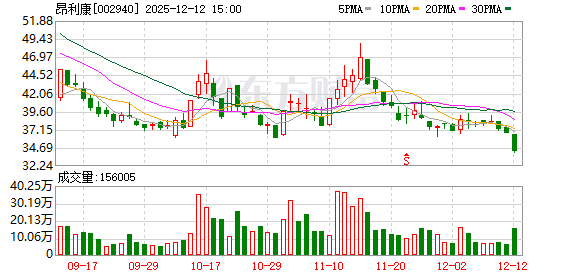
昂利康:关于获得药品注册证书及药品补充申请批准通知书的公告
Zheng Quan Ri Bao· 2025-12-12 12:10
Core Viewpoint - Recently, the company announced that it has received the drug registration certificate for Diclofenac Sodium Enteric-coated Tablets and the approval notice for the supplemental application of Sacubitril/Valsartan Tablets from the National Medical Products Administration [2] Group 1 - The company has been granted a drug registration certificate for Diclofenac Sodium Enteric-coated Tablets [2] - The company has also received an approval notice for the supplemental application of Sacubitril/Valsartan Tablets [2]