
清洁供暖

Search documents
元旦假期多地清洁能源齐发力 保供兼具暖意与绿意
Xin Hua She· 2026-01-03 04:21
Core Insights - The news highlights the effective utilization of clean energy during the New Year holiday across various regions in China, ensuring stable electricity supply and promoting green energy usage [1][2]. Group 1: Clean Energy Supply and Utilization - In Inner Mongolia, clean heating initiatives contributed to a supply of over 240,000 kilowatt-hours of clean energy on New Year's Day, benefiting 33,000 households [2]. - Hebei's Xiong'an High-speed Railway Station features over 17,000 solar panels, generating more than 30 million kilowatt-hours since its grid connection in 2020, ensuring reliable power for holiday travelers [1]. - Jilin's Baicheng has increased its clean energy capacity to over 16 million kilowatts with the commissioning of the Changfu Wind Farm, facilitating the transmission of clean electricity across regions [1][2]. Group 2: Infrastructure and Future Projects - Ningxia is advancing a 1 million-kilowatt wind power project, which is expected to enhance future energy supply capabilities [2]. - In Xinjiang, power employees completed inspections of 1,808 kilometers of high-voltage transmission lines, contributing to a total electricity export of 460 million kilowatt-hours on New Year's Day [2]. - Hebei aims to increase green electricity trading volume to over 43 billion kilowatt-hours by 2025, supporting various events and platforms [1].
西藏:清洁能源燃起高原暖冬
Yang Guang Wang· 2025-12-26 08:36
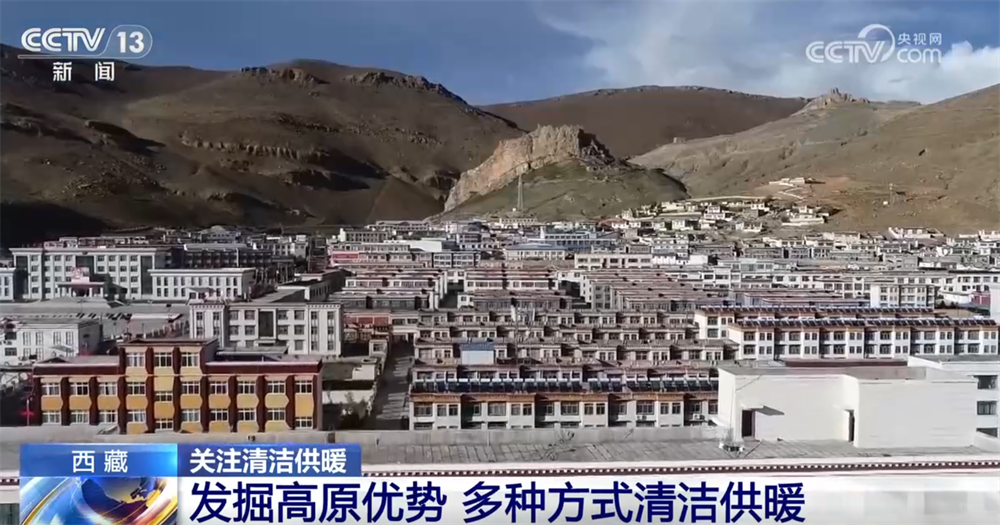
Group 1 - The core viewpoint of the articles emphasizes the acceleration of economic and social development through a comprehensive green transformation in Tibet, leveraging local resources for clean heating projects to enhance the quality of life for residents [1][2][3] Group 2 - Tibet has established seven pilot projects for clean energy heating, including a significant geothermal heating project in Naqu City, which covers approximately 1.45 million square meters and is expected to reduce carbon dioxide emissions by nearly 300,000 tons annually [1][2] - The implementation of clean heating has been supported by substantial funding, with 4.105 billion yuan from the central budget and 3.775 billion yuan from social capital, benefiting over 900,000 residents across various cities and towns [3] - The goal is to achieve full coverage of heating and oxygen supply facilities in towns above 3,000 meters and in pastoral areas above 4,500 meters, marking a significant step towards a clean and low-carbon energy system in high-altitude regions [3]
关于采暖季,你想知道的都在这里!
Zhong Guo Dian Li Bao· 2025-11-20 08:02
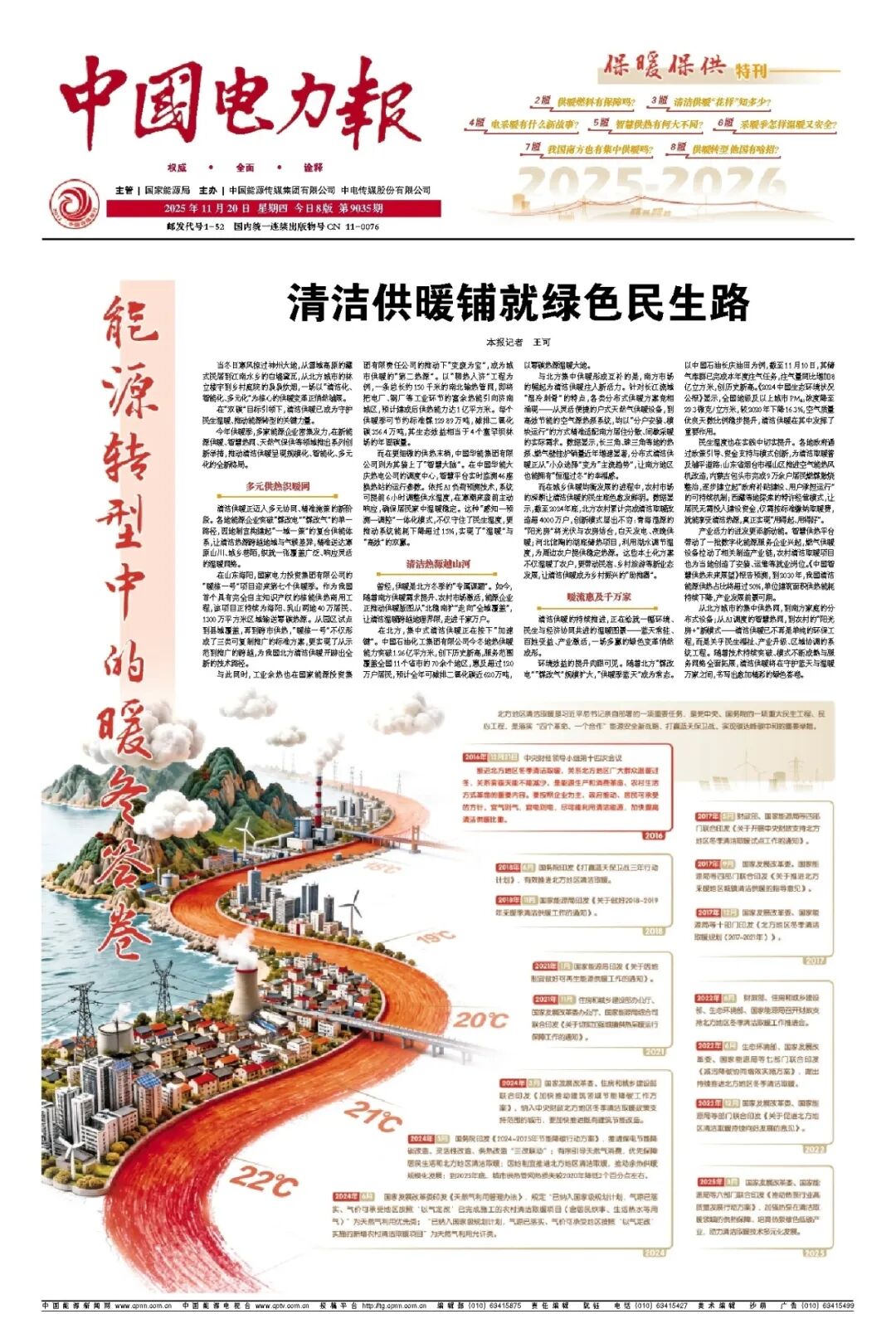
Core Insights - The article discusses the importance of energy supply and heating solutions for the winter season, highlighting various strategies and technologies being implemented to ensure reliable heating for households across different regions [1][7][11]. Group 1: Energy Supply and Heating Solutions - The article emphasizes the need for secure heating fuel and innovative clean heating methods to meet the rising demand during winter [1][7]. - It mentions the integration of smart heating technologies that enhance efficiency and reliability in energy supply [9][19]. - The article outlines the proactive measures taken by energy companies to ensure heating services are operational ahead of the winter season, including early preparations and system upgrades [7][12][16]. Group 2: Regional Heating Strategies - The article highlights the role of major energy companies, such as China Huaneng Group, in providing heating services across northern regions, ensuring timely and adequate supply [8][11]. - It discusses the implementation of centralized heating systems in areas where traditional heating methods may not suffice, particularly in southern regions [1][22]. - The article notes the collaboration between various government departments and energy companies to promote clean heating initiatives and improve energy efficiency [3][21]. Group 3: Clean Energy Innovations - The article details the advancements in renewable energy sources, such as solar and wind power, being utilized for heating solutions, contributing to a greener energy landscape [15][27]. - It mentions the increasing adoption of geothermal and nuclear energy for heating purposes, showcasing the diversification of energy sources [24][34]. - The article highlights the significant growth in clean heating areas, with a reported 209 billion square meters of clean heating coverage in northern regions [22][19].



媒体报道︱全国多地清洁供暖守护蓝天
国家能源局· 2025-11-13 01:41
Core Viewpoint - The article emphasizes the importance of clean heating initiatives across China, particularly in regions with harsh winter conditions, highlighting the balance between ensuring warmth for residents and maintaining environmental sustainability [2]. Group 1: Clean Heating Initiatives - The highest-altitude prefecture-level city in China, Naqu, Tibet, has launched the largest geothermal heating project, achieving zero pollution and zero emissions by overcoming technical challenges [2]. - Over 90% of the population in regions above 5000 meters in Tibet, including Lhasa, Naqu, Ali, and Shigatse, now benefit from clean heating solutions [2]. - In Qiu County, Hebei, a new waste incineration heating system has transformed municipal waste into a clean heat source, meeting the heating needs of 75% of local communities [2]. Group 2: Government Investment and Impact - Since 2017, the Chinese government has invested 132.07 billion yuan to support clean heating renovations in 88 cities in northern China, successfully replacing coal for approximately 41 million households [2].

清洁供暖方式“上新”让“蓝天常在” 千家万户“温暖过冬”向新向绿
Yang Shi Wang· 2025-11-10 09:25
Group 1 - The article highlights the importance of clean heating solutions in Tibet, particularly as the region enters the heating season amidst colder weather [1] - Tibet has rich geothermal, hydropower, and solar energy resources, which are being utilized to implement clean heating projects, significantly improving the quality of life for local residents [1][5] - The largest geothermal heating project in China, located in Naqu City, has successfully overcome technical challenges, achieving zero pollution and zero emissions in its operations [3] Group 2 - Since the start of the 14th Five-Year Plan, Tibet has secured 41.05 billion yuan in central budget funds and attracted 37.75 billion yuan in social capital for heating projects, benefiting over 900,000 people [5] - Seven pilot projects for clean energy centralized heating have been launched in Tibet, with a recent solar heating project in Shigatse providing continuous heating for 690,000 square meters [6] - The goal is to achieve full coverage of heating and oxygen supply facilities in towns above 3,000 meters and in pastoral areas above 4,500 meters [8] Group 3 - In Shandong, the longest heating pipeline in China has been completed, connecting the industrial waste heat from Liaocheng to Jinan, providing a stable clean heat source [10] - The pipeline, part of the "Liaohot into Jinan" project, spans 110 kilometers and is expected to meet the heating needs of one-fourth of Jinan's urban area [12] - The project is projected to reduce carbon dioxide emissions by 356.4 million tons this heating season, equivalent to the carbon sequestration of four Saihanba forest farms in a year [12]
山高新能源(01250.HK),新能源3.0的领航者
Ge Long Hui· 2025-06-03 09:09
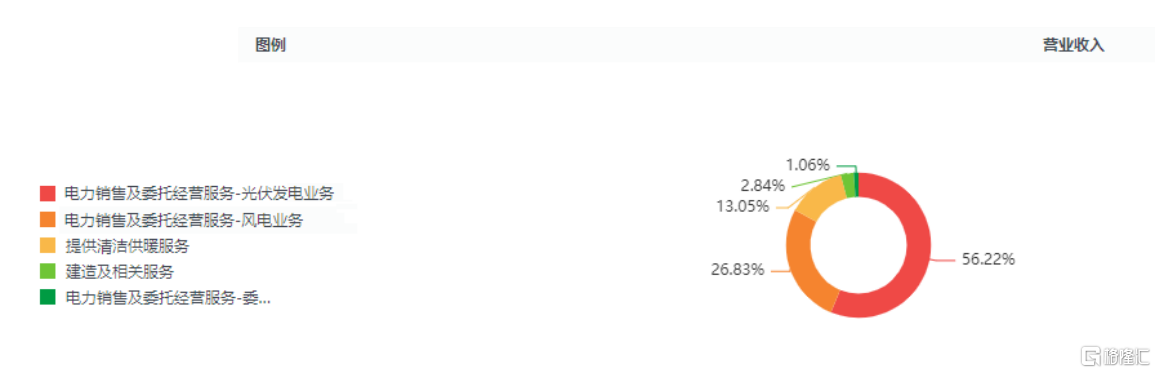
Core Viewpoint - The energy sector is undergoing a significant transformation driven by the rapid development of AI and the increasing demand for energy, marking a pivotal moment in history for energy consumption and production [3][4]. Group 1: Company Overview - The company, Shango New Energy, is transitioning from a traditional energy supplier to a comprehensive energy solution provider, focusing on the intersection of green energy and computing power [4][7]. - As of December 2024, Shango New Energy operates 54 centralized photovoltaic power stations with a total installed capacity of 2,602 MW, 920 MW of distributed photovoltaic power stations, and 19 wind power stations with a capacity of 1,176 MW [8]. - The company has achieved significant growth in its wind power business, with revenue reaching 1.187 billion yuan in 2024, a year-on-year increase of 24.2%, contributing to 26.8% of total revenue [8][10]. Group 2: Industry Trends - The global energy landscape is shifting towards renewable sources, with the National Energy Administration aiming for non-fossil energy to account for 60% of power generation by 2025 [11]. - The digital energy market is rapidly expanding, with the market size growing from 654.42 billion yuan in 2015 to 1,105.15 billion yuan in 2022, indicating a burgeoning trillion-level market [14][16]. - The integration of energy and transportation is becoming a key trend, with expectations of significant investment growth in this sector, potentially exceeding one trillion yuan [24][27]. Group 3: Strategic Collaborations - Shango New Energy has formed strategic partnerships with major tech companies like Century Internet and Huawei to enhance its capabilities in green energy supply and computing power infrastructure [18][19]. - The collaboration with Century Internet aims to create a comprehensive energy ecosystem that integrates green energy production and computing power consumption [18]. - The partnership with Huawei focuses on developing smart energy solutions, leveraging Shango's renewable assets to provide customized green energy for data centers [19]. Group 4: Financial Performance - In 2024, Shango New Energy reported a revenue of 4.423 billion yuan and a net profit of 463 million yuan, reflecting a year-on-year growth of approximately 32% [29][30]. - The company's asset-liability ratio was maintained at 60%, with cash and equivalents exceeding 3.6 billion yuan, indicating strong financial health [29].
引战增资一周年,山高新能源(1250.HK)谱写可持续发展新篇章
Ge Long Hui· 2025-05-16 01:26
Core Viewpoint - The article highlights the transformation and growth of Shandong High New Energy (山高新能源) after the introduction of Shandong High Holdings as a controlling shareholder, emphasizing its commitment to clean energy and sustainable development [1][3]. Group 1: Company Transformation and Market Performance - After the introduction of a state-owned enterprise as a major shareholder, Shandong High New Energy has successfully completed a transformation, showcasing a strong fundamental and long-term development potential [3]. - The company's stock price has seen significant growth, rising from a low of HKD 0.042 in September 2022 to a high of HKD 0.085 in March 2023, nearly doubling in value [4]. - On May 12, the company announced a share consolidation plan, proposing a "50-for-1" share consolidation to align with market standards and reduce trading costs for investors, which is expected to enhance its capital market image [4]. Group 2: ESG and Sustainable Development - Shandong High New Energy is a leading player in the clean energy sector, operating 53 centralized solar power stations, over 200 distributed solar power stations, and 13 wind power stations, providing clean heating for approximately 230,000 households [8]. - The company has consistently disclosed ESG reports for seven years, demonstrating its commitment to sustainable operations and stakeholder communication [8]. - In 2022, the company’s renewable energy projects generated approximately 6.08 million megawatt-hours of electricity, saving over 1.8 million tons of standard coal and reducing carbon dioxide emissions by over 5 million tons [8]. Group 3: Recent Performance and Industry Outlook - In the first quarter of the year, Shandong High New Energy achieved a record high in electricity generation, with a total output of approximately 1.337 billion kWh, a year-on-year increase of 27.9% [12]. - The company’s centralized solar power stations generated 684 million kWh, up 14.7% year-on-year, while wind power stations saw a significant increase of 56.5% in generation [12]. - The national push for green energy transition and the inclusion of the company in major indices like the Hang Seng Composite Index are expected to enhance stock liquidity and benefit from the recovery in the photovoltaic sector [14].

市区告别燃煤供暖?烟台供暖格局迎重大变化,清洁供热项目将实施
Qi Lu Wan Bao Wang· 2025-05-07 06:52
Core Viewpoint - Yantai is undergoing significant changes in its urban heating landscape, transitioning to clean heating solutions utilizing industrial waste heat and other renewable sources [1][4]. Group 1: Project Overview - The project aims to phase out coal-fired heating boilers in the urban area, retaining only a few for emergency backup [2]. - The heating sources will include waste heat from Wanhua Industrial Park, as well as energy from Huaneng Banjiao Power Plant, Qingquan Power Plant, and the relocated Huaneng Yantai Power Plant [2]. - The long-distance heating network project, with a total investment of 4.35 billion and a planned length of 84.8 km, has officially started, marking Yantai Blue Sky Group's entry into the clean heating sector [3]. Group 2: Environmental Impact - The long-distance heating network will cover an area of 46.4 million square meters across four districts, potentially reducing carbon dioxide emissions by over one million tons annually [3]. - Yantai has made significant strides in clean heating, utilizing diverse technologies such as nuclear energy and industrial waste heat to build a low-carbon heating system [4]. - The city aims for full coverage of clean heating in urban and county main areas by 2030, with plans for an additional 2.0841 million square meters of clean heating area in 2024 [4].