理财咨询

Search documents
银行网点增减应以便民为本(纵横)
Ren Min Ri Bao· 2025-11-10 22:29
Core Viewpoint - The adjustment of bank branches, with 8,592 branches approved for closure and 6,859 new branches opened as of October 24, reflects a shift in banking strategy, emphasizing the need for both online and offline channels to cater to diverse customer preferences and requirements [1][2]. Group 1: Branch Adjustments - The reduction and addition of bank branches should follow the principle of being customer-friendly and cost-effective, with a focus on enhancing user experience and service quality [1][2]. - Some branch closures are a correction of previous overexpansion strategies, while new branches are necessary to improve financial service coverage, particularly in under-served areas [2]. Group 2: Service Optimization - Banks should optimize the layout of branches and enhance efficiency to address customer pain points, such as long wait times [3]. - Digital services can free up human resources, allowing banks to focus on providing comprehensive services like financial consulting and education [3]. Group 3: Targeting Specific Demographics - There is potential for banks to better serve the growing elderly population by improving the branch environment and providing specialized services [2]. - Branches serve as a direct channel for banks to understand customer needs, especially for those who are willing to adopt new technologies but require assistance [2].
济南工行:以坚守诠释金融为民初心
Qi Lu Wan Bao· 2025-08-22 08:40
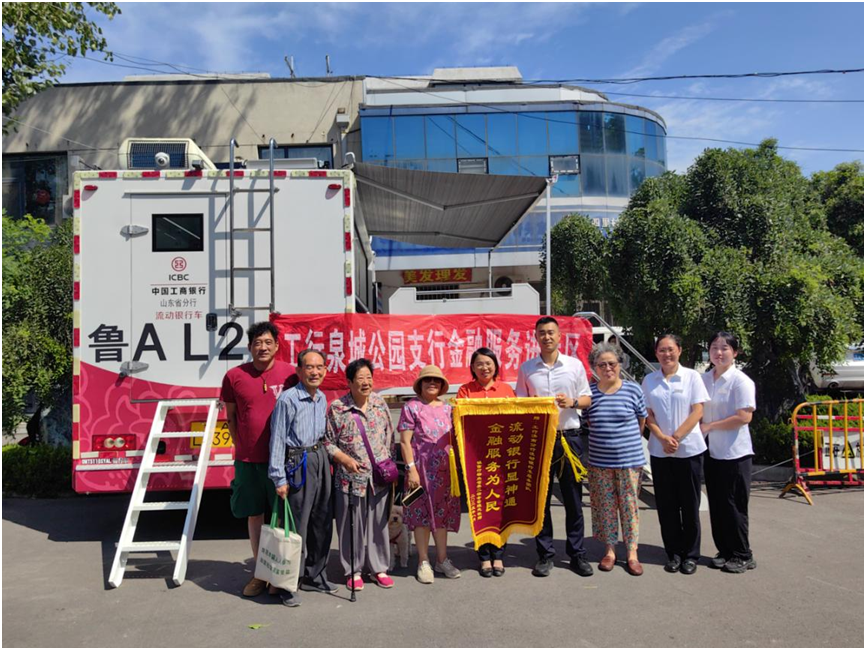
Core Insights - The article highlights the successful implementation of a mobile banking service by the Jinan branch of Industrial and Commercial Bank of China (ICBC), aimed at providing financial services to elderly residents in a community [1][5]. Group 1: Service Implementation - The mobile banking service operates on a "fixed cycle + on-demand response" mechanism, providing weekly services to the community, including account inquiries and financial consultations [1]. - The service has reached over 200 residents and processed more than 1,000 transactions, effectively addressing the challenges of accessibility in financial services for the elderly [1]. Group 2: Community Engagement - The team has shown commitment by providing services even during adverse weather conditions, such as heavy rain and high temperatures, ensuring that residents receive timely assistance [3]. - Community leaders have expressed appreciation for the team's reliability, indicating that their presence has become a source of comfort for the elderly [3]. Group 3: Customized Services - The team has tailored its services to meet the specific needs of the elderly, including hands-on training for mobile banking and educational initiatives on fraud prevention [5]. - The team has provided over 100 hours of extended service and made more than 30 home visits to assist those with mobility issues, demonstrating a strong commitment to community welfare [5]. Group 4: Future Plans - ICBC Jinan plans to continue optimizing the "mobile banking + elderly services" model, aiming to enhance financial accessibility and support for the community [5].


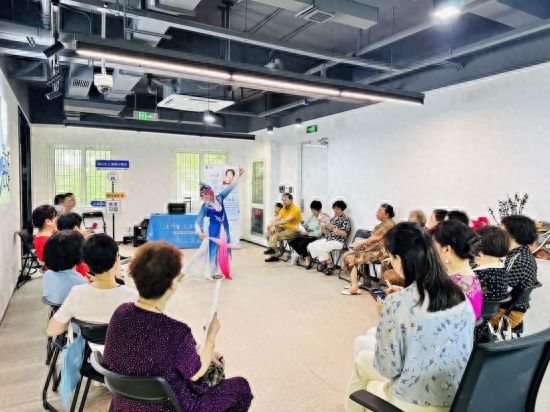
上银养老|艺术课堂来到银龄“家门口” 上海银行网点变身“沪剧乐园”
Hua Xia Shi Bao· 2025-07-14 09:12
Core Viewpoint - Shanghai Bank is actively responding to community needs by integrating cultural activities, such as the "Husheng" opera training program for seniors, into its services, enhancing the quality of life for the elderly while promoting financial literacy [4][8]. Group 1: Cultural Engagement - The "Husheng" opera training program, led by non-heritage inheritor Xiao Qinfang, concluded successfully with over 30 senior participants showcasing their learning through a performance [1][5]. - The initiative transformed a bank branch into a "Silver Age Paradise," emphasizing the importance of cultural enrichment in elderly care [3]. Group 2: Community Needs and Bank Response - Shanghai Bank identified a gap in cultural education for seniors, realizing that they not only needed financial knowledge but also cultural nourishment [4]. - The bank collaborated with local educational institutions to bring cultural classes closer to the elderly, addressing transportation and accessibility issues [4][8]. Group 3: Program Success and Expansion - The initial class, intended for 20 participants, expanded to over 30 due to high demand, indicating strong community interest in cultural programs [7]. - Participants engaged actively in the classes, often arriving early and taking notes, highlighting the program's impact on their retirement life [7]. Group 4: Financial and Cultural Integration - The program not only enriched the participants' cultural lives but also strengthened the emotional connection between the bank and the community, with seniors also accessing financial services during their visits [8]. - Shanghai Bank plans to further develop educational partnerships and expand its offerings for the elderly, aiming to create a platform for lifelong learning and joyful living [8].