文化养老

Search documents
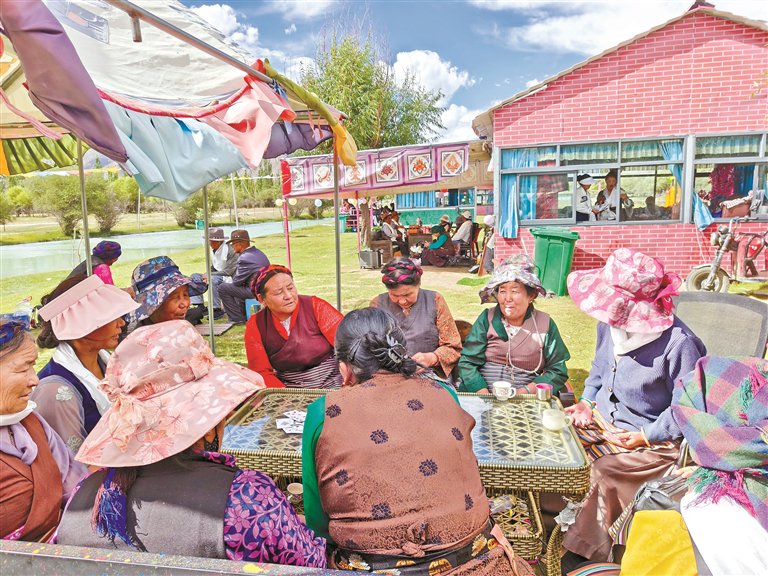
图为老人们参加户外林卡活动(资料图片)
Xin Lang Cai Jing· 2026-02-23 02:13
Core Viewpoint - The establishment of the rural happiness station in Cuoxue County's Taina Village has significantly improved the quality of life for elderly residents, providing essential services and activities that enhance their well-being and social engagement [2][8]. Policy Anchor - The rural happiness station serves as a grassroots implementation of policies aimed at promoting high-quality elderly care services, addressing concerns about the lack of care for elderly individuals in rural areas [2][3]. Precision Services - The station has introduced targeted services such as meal assistance, medical support, and cleaning services to address common challenges faced by elderly residents, serving over 6,307 individuals for meal assistance and 2,389 for medical services [5][6]. Cultural Empowerment - To enrich the cultural and spiritual lives of the elderly, the station has established an elderly university offering various courses and organized numerous cultural activities, resulting in a shift from loneliness to a more fulfilling lifestyle [7][8]. Satisfaction and Future Plans - The station has achieved over 95% satisfaction among elderly users and plans to continue enhancing service quality, expanding service offerings, and strengthening partnerships with medical institutions and social organizations [8].

及象教育创始人陈墨:以笔墨筑魂 让文化养老点亮银龄生活
Xin Hua Wang· 2026-02-05 06:41
Core Insights - The article discusses the transformation of the concept of "elderly care" to "enjoying old age" and "learning in old age," highlighting the rapid development of elderly education in China as a crucial support for active aging [1][4]. Group 1: Industry Opportunities - The founder of Jixiang Education, Chen Mo, identifies a significant gap in the market for systematic artistic education for the elderly, contrasting it with the saturated markets for children's training and workplace skills [4]. - Chen Mo emphasizes three major opportunities for the elderly education sector driven by government policies: recognition of elderly education as a vital investment in social happiness, encouragement of resource integration from various community and cultural institutions, and the establishment of standards to promote quality and professionalism in the industry [5][6]. Group 2: Educational Approach - Jixiang Education's "Cultural Elderly Care" concept distinguishes it from traditional elderly education by focusing on enriching the lives of seniors through Chinese traditional culture, allowing them to learn, enjoy, achieve, and find value in their later years [8]. - The curriculum is designed to be gradual and culturally rich, incorporating traditional cultural stories and values into the learning process, such as teaching the meaning of plum blossoms in painting and discussing the character of historical figures in calligraphy [8]. Group 3: Technology Integration - To address the "digital divide" faced by the elderly, Jixiang Education has developed a solution that combines simple operations, human assistance, and precise feedback, ensuring that educational products are user-friendly for seniors [9]. - The company employs an "AI + teacher" dual-track model, where AI assists with standardized tasks while teachers focus on emotional support and value guidance, enhancing the educational experience for elderly learners [9]. Group 4: Community Engagement and Social Responsibility - Jixiang Education has established a comprehensive support system for students, including dedicated teachers, community interactions, and opportunities for public exhibitions, fostering a sense of belonging and recognition among learners [10]. - The company views its philanthropic efforts as an extension of its educational mission, engaging in initiatives that support rural education and provide cultural experiences for seniors in care facilities, thereby enhancing community ties and team cohesion [12]. Group 5: Future Plans - Looking ahead, Jixiang Education aims to expand its course offerings, deepen learning experiences, and broaden access to quality resources for elderly learners in second and third-tier cities and rural areas [12].

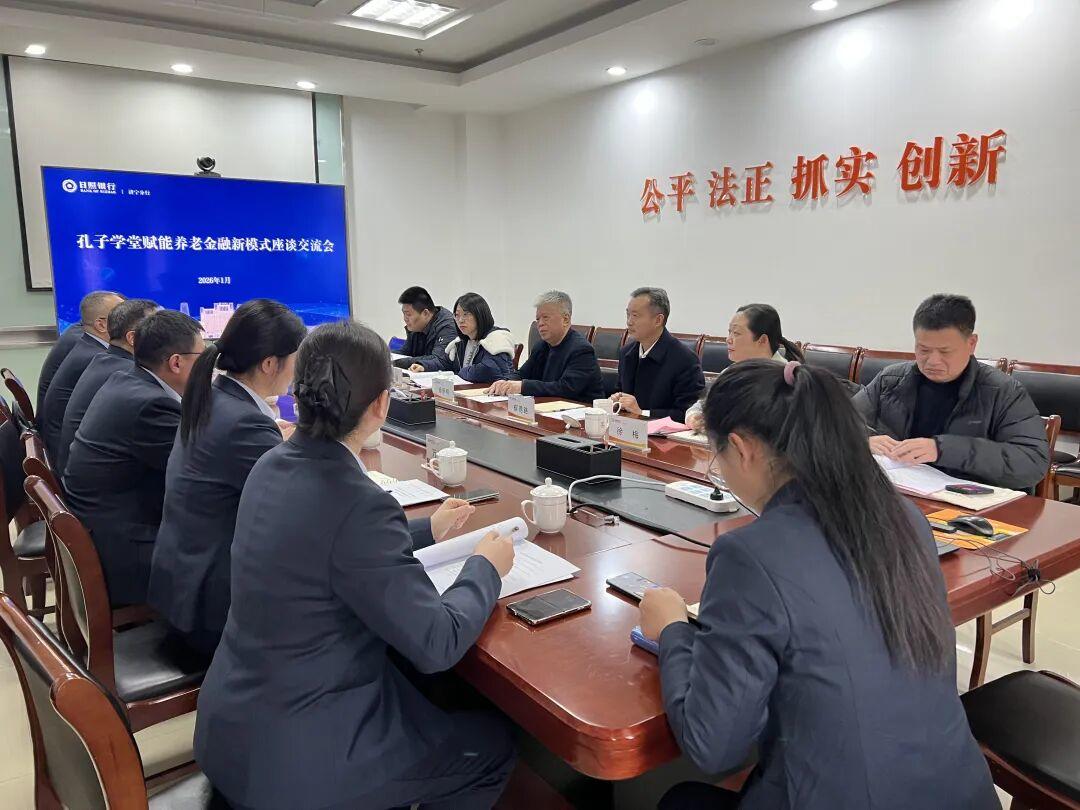
济宁老年大学与日照银行召开文化赋能养老金融新模式座谈会
Qi Lu Wan Bao· 2026-01-29 07:25
Group 1 - The meeting on January 26 highlighted the collaboration between Jining Elderly University and Rizhao Bank, focusing on cultural empowerment in elderly finance [1][3] - The partnership has successfully organized various activities, including the first community elderly talent competition and a series of volunteer services, totaling 166 events with over 60,800 elderly participants, enhancing social influence and reputation [3] - A cooperation intention was established with the Confucius Academy to leverage Jining's traditional cultural advantages and create a cultural elderly care brand with local characteristics [3] Group 2 - Looking ahead to 2026, both parties aim to continue fulfilling social responsibilities and serving the community, aligning with Jining's strategic goals of becoming a strong industrial city and a cultural tourism hub [3] - There is a focus on developing AI-assisted elderly care scenarios, transforming advanced technology into accessible daily life for the elderly [3] - The initiative includes enhancing telecommunications and financial fraud prevention education to help the elderly identify scams and improve their protective capabilities [3]

杭州开放大学努力打造教育助力共同富裕的城市范例
Hang Zhou Ri Bao· 2026-01-21 02:59
Core Viewpoint - Hangzhou Open University (杭开大) is committed to promoting lifelong education and rural revitalization through innovative educational frameworks and community engagement, aiming to enhance human capital for common prosperity [5][9][19] Group 1: Lifelong Education Framework - Hangzhou Open University integrates multiple educational institutions to create a modern lifelong education system that connects academic, community, vocational training, and rural talent cultivation [5][6] - The university has established a collaborative network involving 12 departments, with 3,295 digital learning stations in villages, serving 22.84 million citizens in lifelong learning activities in 2025 [6] - The institution has initiated 30 community education experimental projects focusing on various social issues, enhancing community engagement and educational outcomes [6][7] Group 2: Rural Revitalization Initiatives - Hangzhou Open University has established the first "Hangzhou Rural Revitalization Academy" and a research center to integrate talent training, demonstration construction, and policy research [9] - The university's training programs have successfully created local talents in agriculture, e-commerce, and rural tourism, leading to significant income increases for participating farmers [10][11] - Over six years, the Rural Revitalization Academy has conducted 568 training sessions, benefiting over 18,000 individuals and developing a comprehensive training curriculum [10] Group 3: Digital Empowerment and Community Engagement - The "Hangxuetong" platform serves as a digital public service platform for lifelong education, facilitating resource sharing and enhancing community cultural engagement [12][13] - In 2023, the platform's user engagement increased significantly, with 2.29 million participants in learning activities, demonstrating its effectiveness in breaking down digital barriers [14][15] - The platform's predictive model has improved learning supply-demand matching from 57.6% to 86.4%, optimizing educational resource allocation [14] Group 4: National and Regional Development Contributions - Hangzhou Open University is sharing its educational innovations with other regions, conducting advanced training programs in various provinces to promote community education models [16][17] - The university's "Rural Collective Economic Manager" training model has been successfully implemented in Xinjiang and other regions, fostering local economic development [18] - The institution aims to transform its educational practices into public products that support national strategies for regional coordination and development [19]
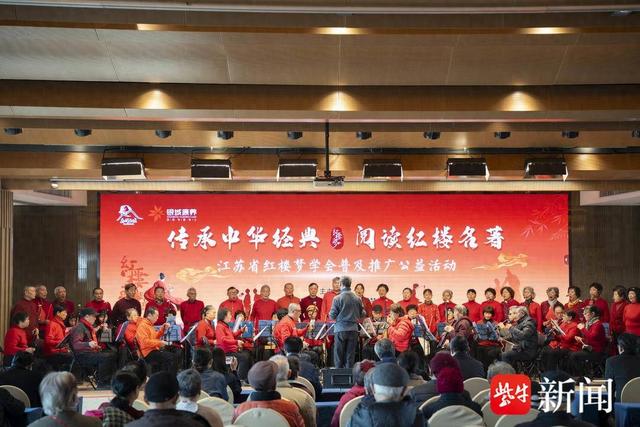
文化养老,让经典名著深入人心
Xin Lang Cai Jing· 2026-01-17 10:32
Core Viewpoint - The Jiangsu Provincial Dream of the Red Chamber Society conducted a public welfare activity at Yincheng Kangyang, promoting the classic novel "Dream of the Red Chamber" and distributing books to the elderly [1][7]. Group 1 - The relationship between "Dream of the Red Chamber" and Nanjing is emphasized, with the author being from Nanjing and the story reflecting Nanjing's life, making it a cultural symbol of the city [3]. - The event aims to provide academic wisdom and artistic inspiration, enhancing cultural engagement in elderly care [4]. - The activity included performances such as recitations and operas, showcasing the cultural richness associated with "Dream of the Red Chamber" [6]. Group 2 - This event is part of a series of promotional activities by the Jiangsu Provincial Dream of the Red Chamber Society, with plans for future events to further deepen the public's understanding of classic literature and promote traditional culture [7].
萧山推动新时代“文化养老”高质量发展
Hang Zhou Ri Bao· 2026-01-15 03:21
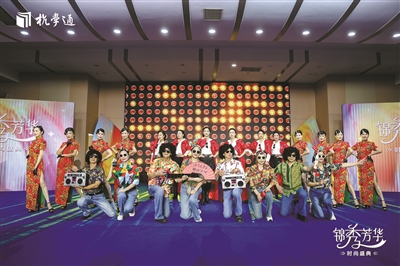
Group 1 - The core idea of the news is the development and enhancement of the "Social Color Maple Presentation" cultural elderly care brand in Xiaoshan District, which focuses on meeting the actual needs of retired employees and integrating various resources to improve their sense of gain, happiness, and value [1][2] - The brand has successfully transitioned from organizing single activities to creating a comprehensive cultural elderly care ecosystem by exploring unique activities, linking social resources, and expanding service scenarios [1] - The innovative "Social Color Shop" has been launched as a community entity that serves as a promotional platform for retirement policies and activities, while also selling agricultural assistance products and providing convenient services, thus embedding the elderly care brand into daily community life [1] Group 2 - In the past year, the brand organized 56 various themed activities, including cultural and sports competitions, benefiting over 40,000 retired employees across 23 towns and streets, thereby enhancing its influence and social reputation [2] - The "Retired Employee Academy" is being developed to provide a comprehensive lifelong learning support system, aiming for full coverage across all towns and streets by 2025, effectively integrating quality educational resources to overcome barriers in elderly education [2] - A pilot program in six streets has established 105 long-term training classes in various subjects, with over 2,000 participants, and has introduced vocational skill training classes in collaboration with Xiaoshan Technician College, enhancing the practical skills and quality of life for the elderly [3]
开启文化素养智慧服务新程,梨花教育发布首款AI声学学习机
Xin Jing Bao· 2025-11-28 15:11
Group 1 - The core viewpoint of the articles highlights the transformation of the elderly care industry from material support to spiritual care, emphasizing the growing demand for cultural and technological integration in services for the elderly [2][6] - The launch of the Pear Blossom AI Acoustic Learning Machine aims to address the challenges faced by the elderly in using technology, featuring a fully elderly-friendly design and a comprehensive learning ecosystem [3][5] - The Pear Blossom Education has upgraded its platform to a "Cultural Literacy Wisdom Service Platform," focusing on providing diverse cultural services and integrating AI technology to enhance the spiritual and cultural needs of the elderly [2][4] Group 2 - The "New Elderly" demographic, defined as individuals born in the 1960s and 1970s, is becoming a significant consumer force in the silver economy, with increasing attention to spiritual and cultural life [6][7] - A white paper co-authored by Pear Blossom Education and the Communication University of China outlines the trends in the spiritual cultural needs of the elderly, indicating a shift from optional to essential aspects of daily life [6][7] - The white paper identifies three core trends in the silver economy: the integration of AI as a foundational infrastructure, the necessity for a collaborative network to address supply shortages, and the transition of cultural care from a niche interest to a mainstream lifestyle [7]
从“观众”走向“主角” 首届中国银龄合唱大会苏州落幕
Zhong Guo Xin Wen Wang· 2025-11-08 00:40
Group 1 - The first China Silver Age Choir Conference was held in Suzhou, attracting 62 senior choir teams and numerous cultural guests, redefining the spiritual and cultural life of the elderly in the new era [1][2] - The event featured a high-quality performance platform and included participation from well-known hosts and actors, with a professional jury providing guidance to performers [1][2] - The conference was broadcasted live on multiple platforms, reaching over 10 million viewers, marking a shift from passive participation to active creation among the elderly [1] Group 2 - The conference integrated a "performance + study" cultural tourism model, allowing participants to engage in cultural experiences and activities in Suzhou, supported by 90 accessible tourism service stations [2] - The education brand Lihua Education has served over 100,000 senior learners through a dual-track model of "online courses + offline activities," promoting the upgrade from "cultural elderly care" to "value elderly care" [2] - The success of the conference serves as a replicable model for social participation in elderly cultural construction, reflecting a growing trend of active engagement among the elderly population [2]
从“老有所养”到“老有所享” 智慧养老、文化养老“加码”幸福夕阳红
Yang Shi Wang· 2025-10-29 02:56
Core Viewpoint - The article discusses the increasing trend of elderly care in Beijing, highlighting the shift towards home-based care and the integration of smart technology to enhance safety and convenience for seniors [1][3][8]. Group 1: Home-Based Elderly Care - Over 5 million elderly residents live in Beijing, accounting for 23.5% of the city's population, with most opting for home-based care [1]. - Communities are providing smart elderly care devices, such as fall detection alarms and smoke detectors, to enhance safety for seniors living at home [3][5]. - A specific initiative has equipped 162 households of vulnerable elderly individuals with seven types of smart devices, ensuring 100% safety coverage for these residents [3]. Group 2: Community Support and Services - Community services operate 24/7, allowing elderly individuals to request assistance quickly, with response times typically within 10 minutes for emergencies [7]. - The demand for community-based elderly care services is rising, with many seniors choosing local care facilities due to their proximity and familiarity [10][11]. Group 3: Institutional Elderly Care - There is a noticeable increase in occupancy rates at community elderly care facilities, reflecting a shift in preferences among seniors [8]. - By September 2025, Beijing plans to establish 120 street-level elderly service centers, covering 2.07 million seniors, which will represent 40% of the city's elderly population [11]. Group 4: Cultural and Recreational Activities - In addition to basic care, some elderly care institutions are focusing on "cultural elderly care," providing activities that enhance the quality of life for seniors [13]. - Programs such as art classes and organized short trips are being introduced to engage seniors in cultural experiences and leisure activities [16][19].

从旁观者变传承者!“文化+”赋能乡村振兴 村民增收有了“金钥匙”
Yang Shi Wang· 2025-10-26 07:19
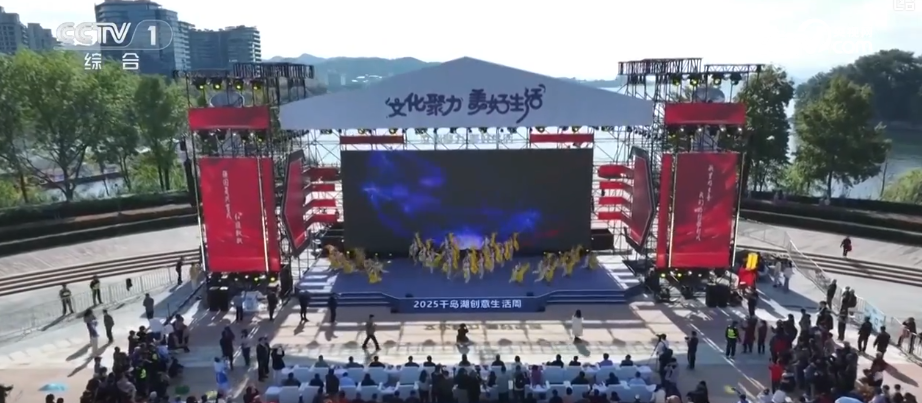
Group 1 - Cultural activities are being held in various regions during the autumn and winter seasons, contributing to rural revitalization and grassroots elderly care, bringing warmth and vitality to the community [1] - In the creative life week event at Qiandao Lake in Zhejiang, local villagers actively participate in the "Zheli Xiangyin" cultural performance, showcasing their talents [4] - Cultural products developed with non-heritage elements have become a significant source of income for local farmers, with sales revenue exceeding 350,000 yuan from a single product [7][10] Group 2 - Jiangsu Zhenjiang promotes the concept of "cultural elderly care" through cultural performances and poetic readings, enhancing the quality of life for senior citizens [12] - During the activities, health experts provide health education, and power supply departments assist elderly residents with specific needs, demonstrating a commitment to community care [14] - The implementation of the "Electricity Care Code" service allows for intelligent monitoring of elderly residents' living conditions, ensuring timely intervention in emergencies [14]