益生菌食品

Search documents
均瑶健康跌2.01%,成交额4224.66万元,主力资金净流出518.69万元
Xin Lang Cai Jing· 2025-12-25 02:10
Group 1 - The core viewpoint of the news is that Junyao Health's stock has experienced fluctuations, with a recent decline in share price and significant trading activity, indicating investor sentiment and market dynamics [1][2]. - As of December 25, Junyao Health's stock price was 7.82 yuan per share, with a market capitalization of 4.696 billion yuan. The stock has increased by 25.89% year-to-date but has seen a decline of 3.58% in the last five trading days [1]. - The company has been active in the market, appearing on the trading leaderboard 12 times this year, with the most recent net buy of 26.57 million yuan on December 15 [1]. Group 2 - Junyao Health, established on August 5, 1998, and listed on August 18, 2020, specializes in the research, production, and sales of ambient lactic acid drinks and other health beverages [2]. - The company's revenue composition includes probiotic drinks (34.11%), supply chain products (34.07%), probiotic foods (21.98%), and other beverages and foods (9.55%) [2]. - As of September 30, 2025, Junyao Health reported a revenue of 1.095 billion yuan, a year-on-year decrease of 6.95%, and a net profit attributable to shareholders of -2.3688 million yuan, a decrease of 104.79% [2]. Group 3 - Junyao Health has distributed a total of 365 million yuan in dividends since its A-share listing, with 132 million yuan distributed over the past three years [3]. - As of September 30, 2025, the number of shareholders decreased by 19.52% to 34,300, while the average circulating shares per person increased by 24.25% to 17,487 shares [2][3]. - The top ten circulating shareholders include Tianhong Zhongzheng Food and Beverage ETF, which increased its holdings by 11.67% to 948,500 shares [3].

影像力|一株菌 一颗“芯” 一条链
Nei Meng Gu Ri Bao· 2025-12-04 08:17
Core Viewpoint - The research and development of lactic acid bacteria at Inner Mongolia Agricultural University has significantly advanced China's dairy industry, focusing on the independence of core technologies and the commercialization of research outcomes [2][20]. Group 1: Research Achievements - The project led by Professor Zhang Heping, which focuses on the screening and development of probiotic lactic acid bacteria for preventing and improving metabolic diseases, won the first prize at the Inner Mongolia Science and Technology Progress Awards [4]. - The research team has collected 6,663 samples of naturally fermented dairy products from 46 countries, isolating and preserving 55,328 strains of lactic acid bacteria, creating the world's largest and most diverse lactic acid bacteria germplasm resource bank [9][13]. - The team has constructed the largest lactic acid bacteria genome database, iLABdb, which contains data 2.51 times larger than the NCBI database, providing unique genetic identification for each strain [13]. Group 2: Technological Innovations - The integration of artificial intelligence with biology has led to the development of the iProbiotics platform, which reduces the screening time for high-quality strains from months to just 2 hours, achieving an accuracy rate of 97.77% [18]. - The research has transitioned from merely identifying strains to utilizing them effectively in products, marking a significant breakthrough in the application of lactic acid bacteria [18]. Group 3: Commercialization and Industry Impact - The team has successfully commercialized several representative strains, which are now widely used in probiotic foods, yogurt, and milk powder, gaining market recognition [20]. - In 2023, a transfer agreement for five strains was established with Inner Mongolia Ketao Biotechnology Co., with a transaction value of 20 million yuan, setting a record for intellectual property conversion in the region [22]. - A leading lactic acid bacteria industrialization base has been established in Inner Mongolia, demonstrating the rapid transformation of research achievements into productive capabilities [22][23].

均瑶健康涨2.01%,成交额3332.47万元,主力资金净流入127.90万元
Xin Lang Cai Jing· 2025-11-10 02:54
Core Points - Junyao Health's stock price increased by 2.01% on November 10, reaching 7.62 CNY per share with a market capitalization of 4.576 billion CNY [1] - The company has seen a year-to-date stock price increase of 22.67% and has appeared on the stock market's "Dragon and Tiger List" 11 times this year [2] - As of September 30, 2025, Junyao Health reported a revenue of 1.095 billion CNY, a year-on-year decrease of 6.95%, and a net profit loss of 2.3688 million CNY, a decrease of 104.79% [2] Financial Performance - The company has a total market capitalization of 4.576 billion CNY and a trading volume of 33.3247 million CNY on November 10 [1] - The main business revenue composition includes probiotic beverages (34.11%), supply chain (34.07%), probiotic foods (21.98%), and other beverages and foods (9.55%) [2] - Cumulative cash dividends since the A-share listing amount to 365 million CNY, with 132 million CNY distributed over the past three years [3] Shareholder Information - As of September 30, 2025, the number of shareholders decreased by 19.52% to 34,300, while the average circulating shares per person increased by 24.25% to 17,487 shares [2] - Tianhong Zhongzheng Food and Beverage ETF is among the top ten circulating shareholders, holding 948,500 shares, an increase of 11.67% from the previous period [3]
均瑶健康(605388) - 湖北均瑶大健康饮品股份有限公司2025年前三季度主要经营数据公告2025-059
2025-10-29 11:26
证券代码:605388 证券简称:均瑶健康 公告编号:2025-059 湖北均瑶大健康饮品股份有限公司 2025 年前三季度主要经营数据公告 本公司董事会及全体董事保证本公告内容不存在任何虚假记载、误导性陈述 或者重大遗漏,并对其内容的真实性、准确性和完整性承担法律责任。 根据《上海证券交易所上市公司自律监管指引第 3 号行业信息披露:第十二 号——酒制造》的相关规定,现将湖北均瑶大健康饮品股份有限公司(以下简称 "公司")2025 年前三季度主要经营数据(未经审计)公告如下: 一、公司 2025 年前三季度主要经营情况: | 区域 | 2025 | 年1-9月主营业 务收入 | 2024 年 | 1-9 月主营业 务收入 | 变动比例 | | --- | --- | --- | --- | --- | --- | | 电商 | | 115,550,449.24 | | 52,323,513.26 | 120.84% | | 华东 | | 644,565,202.60 | | 779,495,163.25 | -17.31% | | 华中 | | 90,321,835.51 | | 133,941,308.1 ...
均瑶健康(605388) - 湖北均瑶大健康饮品股份有限公司2025年半年度主要经营数据公告
2025-08-25 10:16
证券代码:605388 证券简称:均瑶健康 公告编号:2025-049 湖北均瑶大健康饮品股份有限公司 2025 年半年度主要经营数据公告 本公司董事会及全体董事保证本公告内容不存在任何虚假记载、误导性陈述 或者重大遗漏,并对其内容的真实性、准确性和完整性承担法律责任。 根据《上海证券交易所上市公司自律监管指引第 3 号行业信息披露:第十二 号——酒制造》的相关规定,现将湖北均瑶大健康饮品股份有限公司(以下简称 "公司")2025 年半年度主要经营数据(未经审计)公告如下: 单位:元 | 产品类别 | 2025 年 1-6 业务收入 | 月主营 | 2024 年 1-6 月主营 业务收入 | 变动比例 | | --- | --- | --- | --- | --- | | 益生菌饮品 | 261,380,163.49 | | 337,017,330.69 | -22.44% | | 益生菌食品 | 168,435,252.25 | | 86,233,572.60 | 95.32% | | 其他饮品和食品 | 73,182,954.32 | | 24,741,518.08 | 195.79% | | 商品供应链 ...
中国健康与保健产业呈现六大发展趋势
Zhong Guo Jing Ji Wang· 2025-06-30 07:42
Core Insights - The report by NielsenIQ highlights six major trends shaping the future of the health and wellness industry in China, including strong willingness for health data sharing, increased awareness of nutrition and gut health, rising demand for weight management, heightened focus on mental and emotional health, growing popularity of health tech products, and the rise of social responsibility and environmental awareness [1] Group 1 - The Chinese health and wellness market is undergoing significant transformation, driven by diverse consumer health needs, new inclusive products from technological advancements, and the evolution of digital platforms enhancing the accessibility and dissemination of health products [1] - Chinese consumers show a higher awareness and acceptance of high-fiber foods, nutrient-rich "superfoods," high-protein plant-based foods, and probiotic foods compared to the global average, with many planning to purchase more of these products in the future [1] - Acceptance of health tech products among Chinese consumers is also above the global average, with some preferring tech products with health functions, although purchase decisions may depend on pricing [1] Group 2 - Companies in the health and wellness industry must focus on six key areas, including establishing transparent information transmission mechanisms and enhancing consumer trust and satisfaction through data-driven personalized services [2] - There is a need for companies to address consumers' psychological and emotional health needs by providing affordable health tech products that meet demand, aiming for technological inclusivity and an upgraded experience [2]
尼尔森IQ报告:到2028年,全球健康经济规模将接近9万亿美元
Jing Ji Guan Cha Bao· 2025-06-26 14:34
Core Insights - The global health economy is projected to approach $9 trillion by 2028, driven by increasing consumer health awareness and demand, particularly in China [1] Group 1: Health Awareness and Consumer Behavior - 86% of Chinese respondents actively take steps to improve their health, significantly higher than the global average of 70% [2] - 77% of respondents are willing to share personal health data with companies to make healthier decisions [2] - Social media advertising and influencer recommendations significantly impact health and wellness purchasing decisions, with 81% of Chinese respondents acknowledging this influence [2] Group 2: Nutritional and Gut Health Awareness - 60% of Chinese respondents are more health-conscious about nutrition compared to five years ago, with a higher awareness and intention to purchase high-fiber foods, superfoods, and probiotics than the global average [3] - 67% of respondents plan to buy more high-fiber foods in the future, with nearly half also intending to purchase high-protein plant-based foods and probiotics [3] Group 3: Weight Management and Diet - 80% of respondents consider health reasons as the primary motivation for achieving a healthy weight, with over half focusing on cardiovascular health [4] - 18% of respondents have used weight loss medications, higher than the global average of 8%, and 50% would consider using them if recommended by healthcare professionals [4] Group 4: Mental and Emotional Health - 61% of respondents prioritize mental and emotional health more than five years ago, with 67% recognizing the importance of quality sleep [5] - 34% are willing to pay a premium for products that promote relaxation and calmness, and 51% would invest in health tech products to enhance mental well-being [5] Group 5: Health Tech Products - Acceptance of health tech products among Chinese consumers is higher than the global average, with 51% preferring products with health functions [6] - Key factors influencing the purchase of health tech products include product features (81%), brand reputation (63%), and user reviews (63%) [6] Group 6: Social Responsibility and Environmental Awareness - 75% of Chinese respondents are familiar with "conscious consumption," considering the health and societal impact of products [8] - 73% deem it important that health products meet ethical and environmental standards, with 82% willing to pay a premium for such products [8] - Companies in the health and wellness sector must focus on transparency and consumer engagement while addressing mental health needs and providing affordable health tech solutions [8]
中国消费市场十大新常态——从生存焦虑到理性繁荣的进化
Sou Hu Cai Jing· 2025-06-25 08:35
Core Insights - The Chinese consumer market is undergoing a significant transformation characterized by a shift towards "rational prosperity" amidst ongoing uncertainties and emerging internal dynamics [1] Group 1: Financial Prudence and Consumer Behavior - 29% of households have not yet recovered their income to pre-pandemic levels, with the 25-34 age group experiencing the most significant impact, showing a 30.1% reduction in income [3] - Non-essential consumer goods have seen a substantial contraction due to financial pressures on this demographic, leading to a sluggish recovery in the durable goods market [3] Group 2: Health-Centric Consumption - Health has become the primary focus for consumers in their purchasing decisions, driving a 35.8% increase in the disinfectant and cleaning product category [5] - The competition landscape across various categories is being reshaped by health attributes, influencing products from functional beverages to skincare [5] Group 3: Environmental Awareness - The implementation of the "plastic restriction" policy has led consumers to incorporate environmental considerations into their purchasing decisions, with a growing emphasis on the actual experience of product sustainability [7] Group 4: Essential Goods and Quality Upgrade - Essential goods are experiencing growth, with food consumption increasing by 33.8% and daily necessities by 26.5% [9] - Consumers are pursuing quality in essential goods, reflecting a "rational prosperity paradox" where they remain cautious with non-essential purchases while seeking premium options in essential categories [9] Group 5: Redefining Value for Money - 73.6% of consumers identify "product quality assurance" as a core characteristic of good brands, while 58.6% prioritize "affordable pricing," leading to a redefinition of value for money from low price to high-quality at a low price [11] Group 6: Home-Centric Lifestyle - The "stay-at-home" lifestyle has evolved into a preferred way of living, with a 55.6% increase in home fitness participation, while outdoor fitness has only grown by 3.9% [13] - The home is transforming into a multifunctional space for work, study, exercise, and entertainment, creating opportunities for products suited for home environments [13] Group 7: Generational Consumption Gaps - Distinct preferences among different age groups are creating diverse consumption opportunities, with younger consumers (16-34 years) showing increased home-based activities, while older consumers (35-59 years) are returning to outdoor activities [16] Group 8: Channel Dynamics and O2O Integration - The consumer channel landscape is undergoing profound restructuring, with O2O models becoming essential for connecting online and offline experiences [18] - There is a shift towards a "full-domain retail" era, necessitating companies to build integrated channel networks to meet diverse consumer shopping needs [20] Group 9: Regional Consumption Trends - There is a notable regional differentiation in consumption patterns, with lower-tier cities showing higher growth rates in "entertainment" and "social" consumption compared to higher-tier cities [21] - This trend opens new growth opportunities for businesses to establish experiential consumption venues in lower-tier cities [23] Group 10: Rise of Local Identity - Consumer enthusiasm for domestic products has evolved from cultural symbols to recognition of technological advancements, with local manufacturing becoming synonymous with quality [24] - Companies are encouraged to leverage this trend by focusing on cultural empowerment and technological innovation to enhance brand value in the "national trend 3.0" era [24] Conclusion - The post-pandemic Chinese consumer market is experiencing profound changes, necessitating companies to innovate across product, channel, and marketing dimensions to navigate from survival anxiety to rational prosperity [26]

尼尔森IQ:六大关键趋势塑造中国健康与保健行业未来
Xin Hua Cai Jing· 2025-06-25 07:59
Core Insights - The global health economy is projected to approach $9 trillion by 2028, driven by increasing consumer health awareness and demand [1] Group 1: Key Trends in the Health and Wellness Industry - Six key trends are shaping the future of the health and wellness industry in China: heightened health awareness, increased focus on nutrition and gut health, rising demand for weight management, growing attention to mental and emotional health, popularity of health tech products, and a rise in social responsibility and environmental awareness [1] - Chinese consumers exhibit a significantly higher health awareness compared to the global average, with 81% of respondents indicating that social media advertising and influencer recommendations impact their health and wellness purchasing decisions [1] Group 2: Nutrition and Gut Health - 60% of Chinese respondents report a greater emphasis on health nutrition compared to five years ago, with higher awareness and acceptance of high-fiber foods, high-protein plant-based foods, and probiotics than the global average [1] - 67% of respondents plan to purchase more high-fiber foods in the future, while nearly half intend to buy high-protein plant-based foods and probiotics [1] Group 3: Mental and Emotional Health - There is an increasing focus on mental and emotional health among Chinese consumers, with 61% stating that caring for their mental and emotional well-being is more important than five years ago [2] - 67% of respondents recognize the importance of obtaining quality sleep, and 34% are willing to pay a premium of over 10% for products that offer relaxation and calming effects [2] Group 4: Health Tech Products - Health tech products are gaining popularity, with 51% of Chinese respondents expressing a strong preference for tech products with health functions, surpassing the global average [2] - The primary factors influencing the purchase of health tech products include product functionality and features (81%), brand reputation (63%), user reviews and ratings (63%), and price (61%) [2]
“常温乳酸菌第一股”受罚背后:上市五年净利润首度亏损 押宝益生菌难掩业绩颓势
Mei Ri Jing Ji Xin Wen· 2025-06-07 13:49
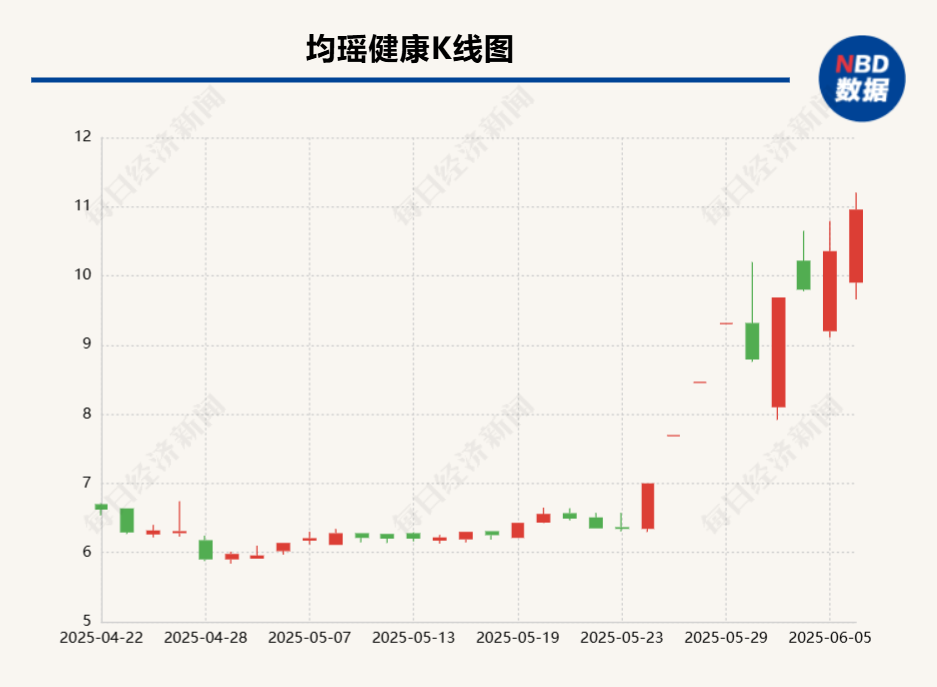
Core Viewpoint - Junyao Health, known as the "first stock of ambient lactic acid bacteria," has recently faced penalties for failing to timely announce a profit warning for its 2024 annual performance, marking its first annual loss since its listing in 2020 [1][4][5]. Financial Performance - In 2024, Junyao Health reported a revenue of 1.458 billion yuan, a year-on-year decline of 10.77% [6]. - The company recorded a net profit loss attributable to shareholders of 29.1164 million yuan for 2024, primarily due to impairment provisions totaling 3.643 million yuan for goodwill, 1.276 million yuan for inventory, and 3.660 million yuan for credit losses [4][5]. - In the first quarter of 2025, the company achieved a revenue of 401 million yuan, a year-on-year increase of 1.41%, but the net profit attributable to shareholders decreased by 58.29% to 10.91 million yuan [6]. Stock Performance - Despite the poor financial performance, Junyao Health's stock price surged over 70% in less than two weeks, from 6.35 yuan per share to 10.95 yuan per share [2][7]. Business Strategy and Challenges - The company has been diversifying into new business areas such as bottled water, probiotics, and supply chain management, but these efforts have not yet yielded significant results [9][11]. - The probiotics segment, which is a key focus for the company, has faced challenges including low industry entry barriers, intense price competition, and changing consumer preferences towards low-sugar products [10]. - The supply chain business, acquired in 2022, failed to meet its revenue and profit commitments, contributing to the company's financial difficulties [11].