
石墨碳

Search documents
嫦娥六号月壤样品中首次发现天然单壁碳纳米管与石墨碳 在微观尺度上探寻月球的历史(我身边的最强大脑)
Ren Min Ri Bao· 2026-02-01 22:26
Core Insights - The research team involved in the Chang'e 6 lunar mission has made significant discoveries regarding the unique carbon nanostructures found in lunar soil samples, which have implications for understanding the Moon's geological history and environment [1][2] Group 1: Research Findings - The team successfully identified and confirmed the presence of naturally occurring single-walled carbon nanotubes and graphite carbon in lunar soil, marking a first in international research [1] - A comparison between lunar surface samples and those from the far side revealed a higher number of carbon structural defects in the far side samples, indicating asymmetry in material composition and evolutionary processes between the two sides of the Moon [1] Group 2: Research Methodology - The research faced challenges in presenting clear nanostructures under transmission electron microscopy while preventing damage from high-energy electron beams, leading to a dual approach of optimizing instrument parameters and enhancing sample preparation efficiency [2] - The successful results were attributed to the collaborative efforts of the research team, which combined theoretical research foundations with expertise in sample testing, preparation, and data analysis [2] Group 3: Implications for Future Research - The findings from the Chang'e 6 lunar soil samples open new avenues for fundamental research, allowing for deeper insights into scientific questions arising from lunar exploration [2]
月球存在“天然纳米加工厂”
Xin Lang Cai Jing· 2026-01-27 21:05
Core Insights - Jilin University has discovered naturally synthesized single-walled carbon nanotubes and graphite carbon from lunar soil brought back by the Chang'e 6 mission, indicating potential for in-situ resource utilization on the Moon [1][2] - The discovery of these carbon materials could facilitate the construction of lunar bases and the manufacturing of lightweight, high-strength components and energy devices [1] - The presence of complex carbon evolution processes on the Moon suggests that other celestial bodies may also harbor high-value materials [1] Group 1 - The single-walled carbon nanotubes are hollow tubular nanomaterials made from a single layer of carbon atoms, crucial for advancements in electronics, energy storage, and medical fields [1] - Previously, single-walled carbon nanotubes were primarily synthesized artificially, but this finding confirms their natural occurrence without human intervention [1] - Graphite carbon exhibits excellent conductivity, lubricity, and chemical stability, making it widely applicable in electrode materials, lubricants, and composite materials [1] Group 2 - Compared to samples from the Chang'e 5 mission, the lunar samples from the Chang'e 6 mission show more carbon structural defects, likely due to stronger micrometeorite impacts on the Moon's far side [2] - This finding highlights the asymmetry between the Moon's near and far sides, revealing new differences in their evolutionary processes and material compositions [2] - The research elevates the understanding of lunar resources from merely identifying elements to exploring the natural formation of advanced materials [2]
嫦娥六号月壤研究,最新进展:这种材料从未在天然环境中被发现,在地球上想合成也需要精密的制造工艺
Mei Ri Jing Ji Xin Wen· 2026-01-23 01:11
Core Insights - The research team from Jilin University has made a groundbreaking discovery by identifying naturally occurring single-walled carbon nanotubes and graphite carbon in lunar soil samples from the Chang'e 6 mission, providing critical data for understanding the moon's evolutionary history [1][3]. Group 1: Discovery and Significance - The discovery of single-walled carbon nanotubes is the first of its kind in a natural environment, differing from the graphite carbon structure commonly found in everyday items like pencil leads [3]. - Single-walled carbon nanotubes are hollow tubular nanomaterials made of a single layer of carbon atoms, known for their exceptional strength, electrical conductivity, and thermal conductivity, positioning them as potential high-performance materials for future applications [3][5]. Group 2: Formation Mechanism - The formation of these single-walled carbon nanotubes is believed to be closely related to iron-catalyzed processes influenced by multiple factors such as micro-meteorite impacts, volcanic activity, and solar wind irradiation throughout the moon's history [1][5]. - The research indicates that the carbon structures exhibit "significant defects," which are not negative but rather an objective description of the microstructural state, reflecting the environmental conditions and processes experienced during formation [5]. Group 3: Comparative Analysis - Compared to the lunar soil samples from the Chang'e 5 mission, the Chang'e 6 samples show more pronounced defects in carbon, particularly in terms of vacancies and missing atoms, potentially linked to a history of more intense micro-meteorite impacts on the far side of the moon [5].

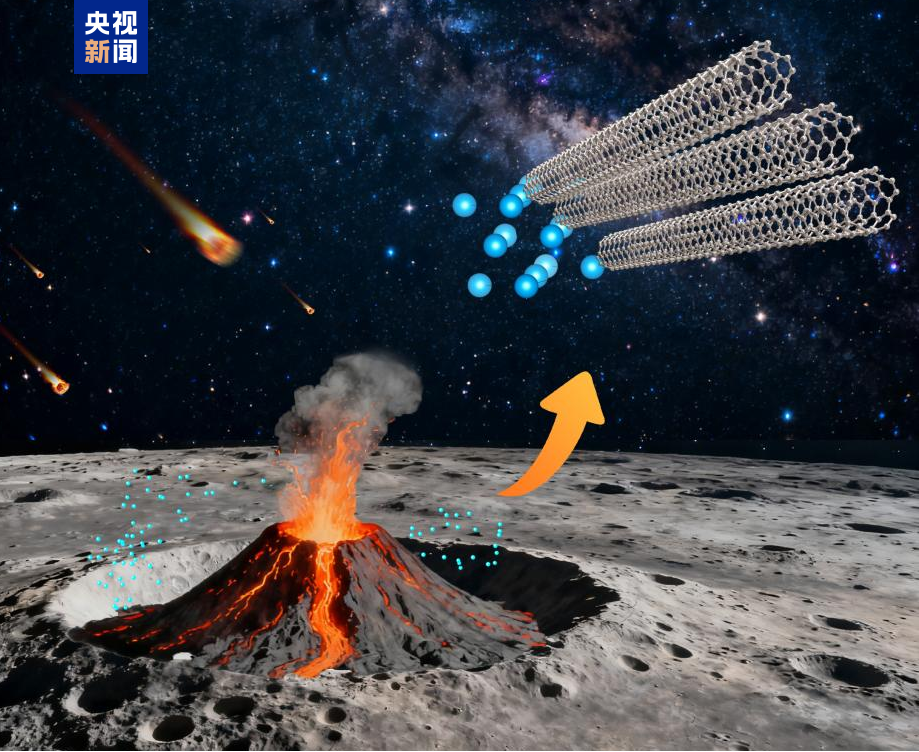
嫦娥六号月球样品中首次发现天然单壁碳纳米管
Xin Lang Cai Jing· 2026-01-22 00:44
Core Viewpoint - The research team from Jilin University has made a significant discovery by identifying naturally formed single-walled carbon nanotubes and graphite carbon in lunar samples collected by the Chang'e 6 mission, providing critical data for understanding the Moon's geological history [1] Group 1: Research Findings - The study utilized various microscopy and spectroscopy techniques to systematically characterize the lunar samples from the Moon's far side, marking the first international confirmation of naturally formed single-walled carbon nanotubes [1] - The research indicates that the formation of these carbon nanotubes is closely related to multiple factors, including micro-meteorite impacts, volcanic activity, and solar wind irradiation, showcasing nature's ability to synthesize key materials under extreme conditions [1] - A comparative analysis between the Chang'e 6 samples and those from the Chang'e 5 mission revealed that the carbon structures in the Chang'e 6 samples exhibit more pronounced defect characteristics, likely due to stronger micro-meteorite impacts on the Moon's far side [1] Group 2: Implications for Lunar Studies - The findings highlight a new asymmetry in the material composition and evolutionary processes between the Moon's near side and far side, suggesting that geological activities may be more active on the far side [1] - This research contributes valuable insights into the Moon's evolutionary history and the high-energy physical-chemical processes occurring on its surface [1]
吉林大学科研团队在嫦娥六号月球样品中首次发现天然单壁碳纳米管与石墨碳
Xin Lang Cai Jing· 2026-01-21 03:07
Core Insights - The research team from Jilin University has made a significant discovery by identifying naturally formed single-walled carbon nanotubes and graphite carbon from lunar soil samples collected by the Chang'e 6 mission, highlighting the intricate "high-energy physical-chemical processes" on the moon's surface and confirming more active geological activity on the moon's far side, which provides crucial data for studying the moon's evolutionary history [1][3]. Group 1 - The study utilized various microscopy and spectroscopy techniques to systematically characterize the lunar samples from the Chang'e 6 mission, marking the first identification of graphite carbon and the natural formation of single-walled carbon nanotubes without human intervention [3]. - The formation of these carbon nanotubes is closely related to multiple factors such as micro-meteorite impacts, volcanic activity, and solar wind irradiation, showcasing nature's ability to synthesize key materials under extreme conditions [3]. - A comparative study between the Chang'e 6 lunar far side samples and the Chang'e 5 lunar near side samples revealed that the carbon structure in the Chang'e 6 samples exhibited more pronounced defect characteristics, likely due to a more intense history of micro-meteorite impacts on the moon's far side, indicating new asymmetries in material composition and evolutionary processes between the moon's near and far sides [3].
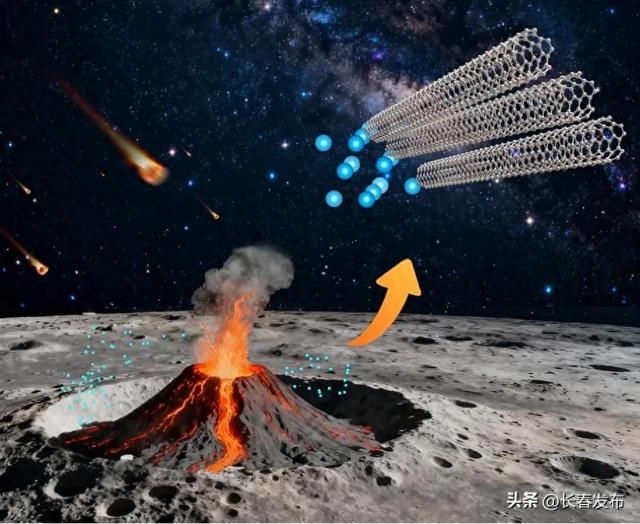
“新发现”重塑月球认知 我国科研团队在月球样品研究中再迎重大突破
Yang Shi Wang· 2026-01-21 02:33
Core Insights - The Chang'e 6 mission has made a significant discovery by identifying naturally formed single-walled carbon nanotubes and graphite carbon from lunar soil samples, indicating more active geological processes on the far side of the Moon than previously thought [1][3]. Group 1: Research Findings - The research utilized various microscopy and spectroscopy techniques to systematically characterize the lunar samples, marking the first identification of graphite carbon and confirming the existence of naturally formed single-walled carbon nanotubes without human intervention [3]. - The carbon structures in the Chang'e 6 samples exhibit more pronounced defect characteristics compared to those from the Chang'e 5 mission, suggesting a history of more intense micrometeorite impacts on the Moon's far side [5]. Group 2: Material Properties and Applications - Single-walled carbon nanotubes are hollow tubular nanomaterials made of a single layer of carbon atoms, known for their high strength, excellent electrical and thermal conductivity, and potential applications in high-performance materials, electronic devices, and energy storage [10]. - Graphite carbon, a crystalline form of carbon, has good electrical conductivity, lubricating properties, and chemical stability, making it widely used in electrode materials, lubricants, and composite materials [12]. Group 3: Future Implications - The discovery of these carbon materials suggests the potential for in-situ resource utilization on the Moon, which could be used for constructing lunar bases, manufacturing lightweight high-strength components, and energy devices [14]. - The ability of nature to synthesize complex nanostructures under extreme conditions may inspire new methods for artificial synthesis of novel carbon materials, showcasing the capabilities of China's research teams in deep space exploration and scientific discovery [14].
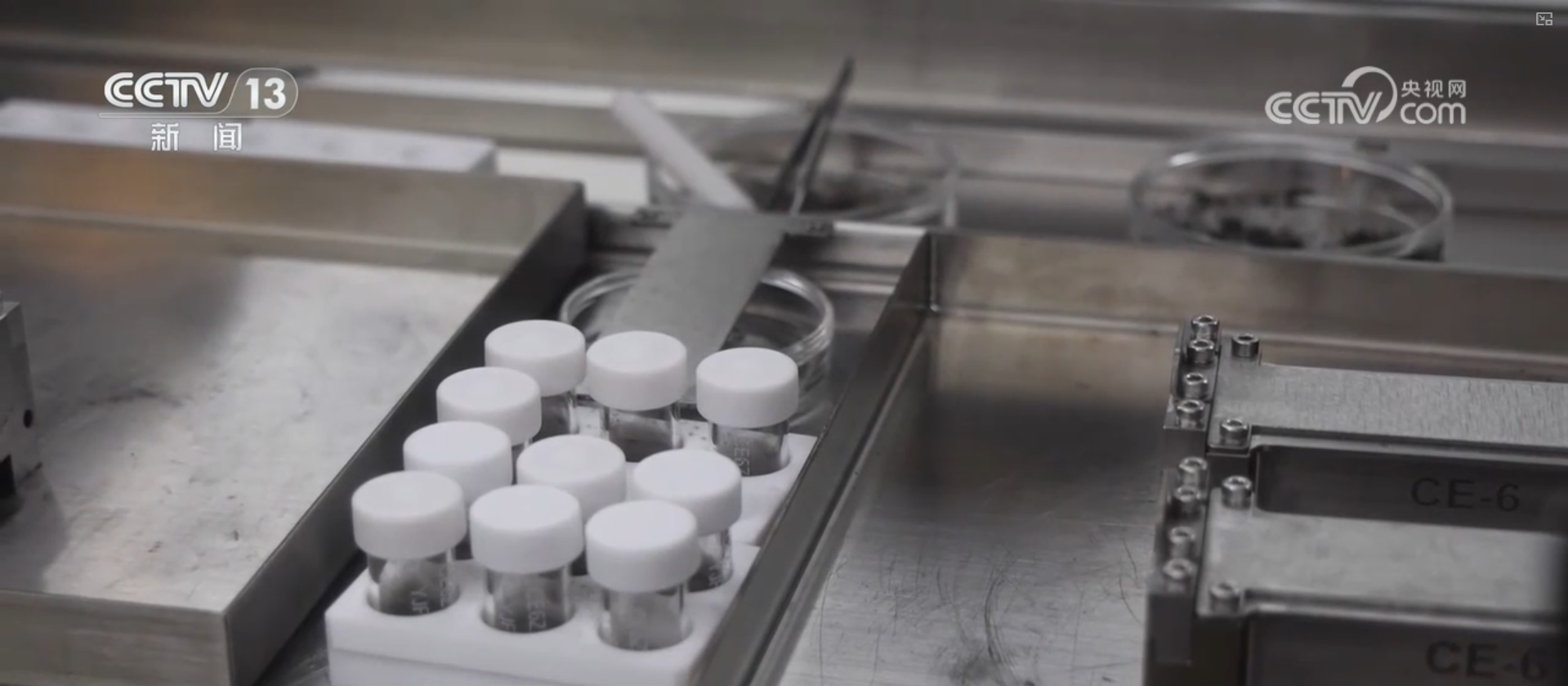
嫦娥六号月球样品中首次发现天然单壁碳纳米管与石墨碳,为研究月球演化史提供关键数据
Xin Hua She· 2026-01-21 02:18
Core Insights - The research team from Jilin University has made a significant discovery by identifying naturally formed single-walled carbon nanotubes and graphite carbon in lunar soil samples from the Chang'e 6 mission, marking the first such confirmation internationally [1][3] - This finding reveals the intricate nature of "high-energy physical-chemical processes" on the lunar surface and indicates more active geological activity on the far side of the moon, providing crucial data for understanding lunar evolution [1] Group 1 - The study utilized various microscopic and spectroscopic techniques to systematically characterize the lunar samples collected from the far side of the moon, leading to the first clear identification of graphite carbon and the natural formation of single-walled carbon nanotubes without human intervention [3] - The formation of these carbon nanotubes is closely related to multiple factors, including micro-meteorite impacts, volcanic activity, and solar wind irradiation, showcasing nature's ability to synthesize key materials under extreme conditions [3] - A comparative study between the Chang'e 6 far side samples and the Chang'e 5 near side samples revealed that the carbon structures in the Chang'e 6 samples exhibit more pronounced defect characteristics, likely due to a more intense history of micro-meteorite impacts on the far side [3] Group 2 - This discovery follows the previous finding of few-layer graphene in the Chang'e 5 lunar samples, representing another important advancement by the Jilin University research team [3] - The research results have been published in the academic journal "Nano Letters," contributing to the scientific community's understanding of lunar material composition and evolution processes [3]
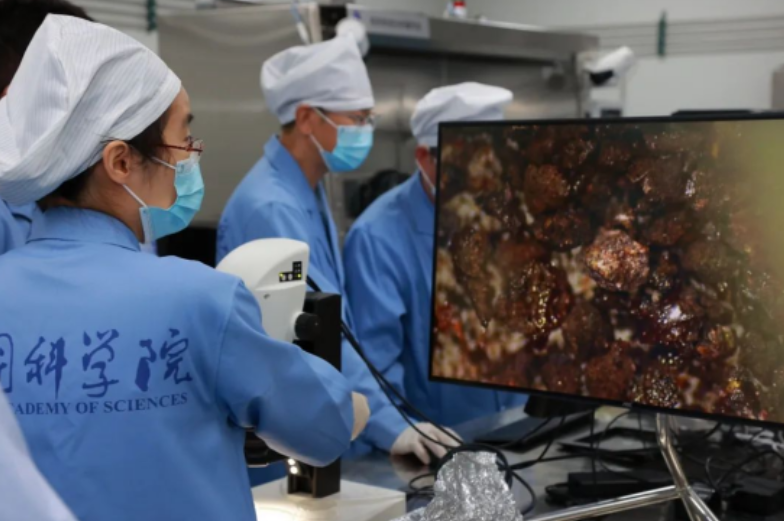
影响市场重大事件:嫦娥六号月球样品中首次发现天然单壁碳纳米管与石墨碳;财政部支持国家创业投资引导基金投早、投小、投长期、投硬科技
Mei Ri Jing Ji Xin Wen· 2026-01-20 22:30
Group 1 - The discovery of naturally occurring single-walled carbon nanotubes and graphite carbon in lunar soil samples by a research team from Jilin University provides key data for understanding the Moon's geological history and highlights the Moon's active geological processes [1] - The average profit growth rate of China's technology sector is expected to rise from -3% in previous years to +25%, which is seen as a critical factor supporting the sustained improvement of the A-share market [2] - The Shanghai International Energy Exchange has announced adjustments to the margin ratios and price fluctuation limits for international copper futures contracts, effective January 22, 2026 [3] Group 2 - Shanghai has released an action plan with 18 measures aimed at enhancing the resource allocation capabilities and global pricing influence of non-ferrous metal commodities [4] - The social media platform X has officially open-sourced its recommendation algorithm, which now relies heavily on AI to filter, score, and rank content based on user interaction history [5] - The first subject implanted with Neuralink's brain-machine interface has reported that the device can now receive over-the-air (OTA) updates, similar to Tesla vehicles [6] Group 3 - According to TrendForce, the shipment share of ASIC AI servers is projected to increase to 27.8% by 2026, marking the highest level since 2023, driven by the expansion of self-developed ASIC solutions by North American companies [7] - The Ministry of Finance has announced financial support for technology innovation loans, including interest subsidies and central bank refinancing, to promote the transformation of manufacturing and digitalization of small and medium-sized enterprises [8] - Morgan Stanley's report indicates that the high bandwidth memory (HBM) market has entered its fourth year of growth, with structural shortages expected to continue until 2028, driven by increasing demand from AI and high-performance computing [9] - The Ministry of Finance is committed to supporting the National Venture Capital Guidance Fund to invest early, small, long-term, and in hard technology sectors, focusing on original and disruptive technological advancements [10]

首次发现天然单壁碳纳米管与石墨碳
Xin Lang Cai Jing· 2026-01-20 17:50
Core Viewpoint - The research team from Jilin University has made a significant discovery by identifying naturally formed single-walled carbon nanotubes and graphite carbon in lunar soil samples from the Chang'e 6 mission, providing critical data for understanding the Moon's evolutionary history [1] Group 1: Research Findings - The study utilized various microscopic and spectroscopic techniques to systematically characterize lunar samples collected from the far side of the Moon, marking the first international confirmation of naturally occurring single-walled carbon nanotubes [1] - The research indicates that the formation of these carbon nanotubes is closely related to a synergistic process involving micro-meteorite impacts, volcanic activity, and solar wind irradiation, showcasing nature's ability to synthesize key materials under extreme conditions [1] - A comparative analysis between the Chang'e 6 samples and those from the Chang'e 5 mission revealed that the carbon structure in the Chang'e 6 samples exhibited more pronounced defect characteristics, likely due to a more intense history of micro-meteorite impacts on the Moon's far side [1] Group 2: Implications - This discovery highlights a new asymmetry in the material composition and evolutionary processes between the Moon's near side and far side, contributing to the understanding of lunar geology [1] - The findings are a continuation of Jilin University's research efforts, following their previous discovery of few-layer graphene in Chang'e 5 lunar samples, indicating ongoing advancements in lunar material studies [1] - The research results have been published in the academic journal "Nano Letters," further establishing the significance of these findings in the scientific community [1]
天然单壁碳纳米管与石墨碳
Xin Lang Cai Jing· 2026-01-20 16:47
Core Insights - The research team from Jilin University has made a significant discovery by identifying naturally formed single-walled carbon nanotubes and graphite carbon in lunar soil samples from the Chang'e 6 mission, marking the first such confirmation internationally [1] Group 1: Research Findings - The study utilized various microscopy and spectroscopy techniques to systematically characterize the lunar samples collected from the far side of the moon, leading to the first clear identification of graphite carbon and tracing its potential formation and evolution processes [1] - The formation of these carbon nanotubes is suggested to be closely related to a synergistic effect of multiple factors, including micro-meteorite impacts, volcanic activity, and solar wind irradiation, highlighting nature's ability to synthesize key materials under extreme conditions [1] Group 2: Comparative Analysis - A comparative study between the Chang'e 6 lunar far side samples and the Chang'e 5 lunar near side samples revealed that the carbon structure in the Chang'e 6 samples exhibited more pronounced defect characteristics, likely due to a more intense history of micro-meteorite impacts on the far side of the moon [1] - This finding indicates a new asymmetry in the material composition and evolutionary processes between the moon's near side and far side [1] Group 3: Publication and Previous Discoveries - The research results have been published in the academic journal "Nano Letters," representing another important discovery following the identification of few-layer graphene in the Chang'e 5 lunar samples by the same research team [1]