福耀玻璃

Search documents
福建「豪门」,打响继承之战
36氪· 2026-01-31 09:08
Core Viewpoint - The article discusses the generational transition in family businesses among Fujian entrepreneurs, highlighting the challenges faced by the second generation as they take over leadership roles in a competitive and changing market environment [5][6][7]. Group 1: Leadership Transition - Xu Shihui, founder of Dali Food Group, has retired, passing the presidency to his daughter Xu Yangyang, who has been groomed for this role over the years [6][7]. - Similarly, Cao Dewang, founder of Fuyao Group, has stepped down as chairman, handing over the reins to his son Cao Hui, who has been prepared for leadership through international experience [6][10]. - The trend of generational handover is becoming more common among Fujian private enterprises, with several second-generation leaders taking charge of their family businesses [7][8]. Group 2: Challenges of Succession - The second generation faces intense pressure to meet the expectations set by their predecessors, often leading to a struggle between personal ambition and familial duty [5][16]. - The article notes that many second-generation entrepreneurs are hesitant to take over, with some preferring to pursue their own ventures instead of stepping into established family businesses [8][10]. - The transition is often marked by conflicts, as seen in the case of Cao Hui, who initially resisted taking over Fuyao but eventually agreed under his father's insistence [10][11]. Group 3: Business Performance and Strategy - Dali Food's revenue peaked at 22.294 billion yuan in 2021 but has since declined, with 2023 revenue reported at 18.86 billion yuan, indicating significant challenges for Xu Yangyang as she takes over [22][24]. - Fuyao Group, under Cao Hui's leadership, reported a revenue of 21.45 billion yuan in the first half of 2025, showing a double-digit growth, but maintaining this growth will be a key challenge [27]. - The article highlights the strategic shifts required by the new leaders, such as Xu Yangyang's attempts to innovate Dali's product lines in response to changing consumer preferences [24][22]. Group 4: Cultural and Structural Dynamics - The article emphasizes the traditional approach of family succession in Fujian, where leadership is typically passed down to the eldest son, reflecting deep-rooted cultural practices [8][10]. - The concept of family alliances through marriage is also discussed, showcasing how Fujian entrepreneurs are forming strategic partnerships to strengthen their business networks [30][31]. - The establishment of family offices among Fujian businesses is noted as a modern strategy to manage wealth and address succession issues, indicating a blend of traditional and contemporary approaches to business continuity [32][34].





深圳成中欧出海母港!新能源、金融科技合作密码解锁,曹德旺支招企业全球化路径
Xin Lang Cai Jing· 2026-01-15 09:11
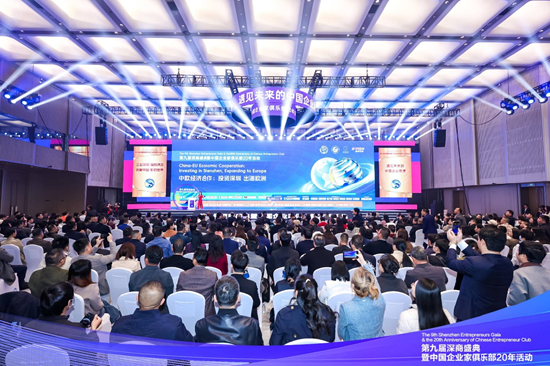
Group 1 - The forum focused on "Investing in Shenzhen, Going Global to Europe," discussing strategic emerging industries such as new energy, fintech, life health, cultural tourism, and digital economy [1][18] - The trade volume between China and Europe reached $749.34 billion from January to November 2025, marking a 4.6% year-on-year increase, indicating a deep symbiotic relationship with nearly $1.5 million in trade every minute [3][20] - Shenzhen is becoming a key hub for China-Europe cooperation, with the Shenzhen-Europe freight train service increasing by 49.6% year-on-year, reflecting the tight connection between "Shenzhen manufacturing" and the European market [3][20] Group 2 - The cooperation between China and Europe has evolved beyond simple transactions to a new stage of technological exchange and industrial chain collaboration, creating significant economic increments [5][22] - The former Chairman of the European Council emphasized the deep economic interests between the EU and China in AI, new energy, and sustainable technologies, advocating for a regular dialogue mechanism to break down barriers [5][23] - Shenzhen's import and export value with the EU reached 589.35 billion yuan, a 4.7% increase, with exports of lithium batteries, electric vehicles, and photovoltaic products surging by 31.2% [5][22] Group 3 - The South District of Shenzhen has established a systematic support platform for enterprises going global, gathering over 324 core service providers to assist 227 companies in their international ventures [7][25] - The founder of Fuyao Glass called on entrepreneurs to take proactive responsibility and emphasized the importance of integrating into local cultures and communities when expanding internationally [10][27] - The forum highlighted the potential for cooperation in new energy, fintech, and cultural tourism, with a focus on the complementary strengths of China and Europe [11][28] Group 4 - Compliance capabilities are deemed essential for entering the European market, with complex legal frameworks such as GDPR and CBAM posing higher requirements for Chinese enterprises [14][33] - Experts noted that compliance is not merely a cost but a passport to the future, urging companies to establish compliance systems early [14][33] - The potential for collaboration in green standards and carbon footprint accounting was highlighted, emphasizing the importance of sustainability in international business [14][33] Group 5 - The forum concluded with a focus on deepening connections in industry, technology, regulations, and talent between Shenzhen and Europe, marking a shift from mere trade to an integrated innovation system [17][34] - The event served as a guiding compass for Chinese and European enterprises, injecting wisdom and momentum into the global economic recovery [17][34]
曹德旺分享企业“走出去”经验:真正的国际化,要深度融入当地社会
Sou Hu Cai Jing· 2026-01-12 04:33
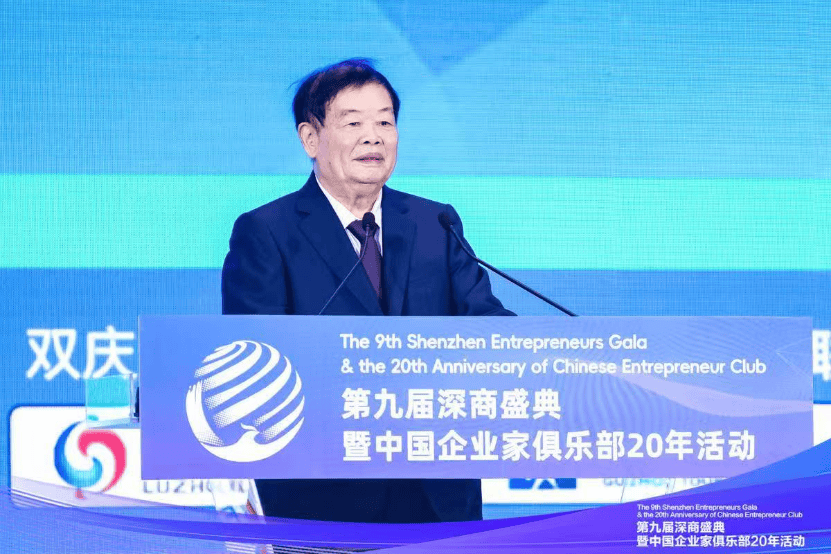
Core Insights - The forum emphasized that international industrial cooperation transcends mere commercial interests, focusing on cultural exchange, talent cultivation, and future collaboration [1] Group 1: International Cooperation and Market Integration - The forum gathered top political, business, and academic leaders from China and Europe, focusing on new opportunities for cross-border cooperation in the China-Europe market [3] - The founder of Fuyao Glass, Cao Dewang, highlighted the importance of deeply integrating into local societies for true internationalization, advocating for proactive engagement rather than passive waiting for favorable conditions [4] Group 2: Fuyao Glass's Global Strategy - Fuyao Glass has established production bases and R&D centers in 13 countries, with its glass being used in one out of every three cars globally, showcasing its successful international expansion [4] - Cao Dewang stressed that genuine internationalization involves creating value for local communities and respecting local cultures, rather than just setting up factories abroad [4] Group 3: Talent Development and Education - The shortage of high-end application-oriented talent in the manufacturing sector is a critical bottleneck for international cooperation, as highlighted by Cao Dewang's recruitment challenges [5] - In response to the talent gap, Cao Dewang has committed over 100 billion yuan to establish Fuyao Technology University, aimed at cultivating practical problem-solving talents through collaboration with leading enterprises [5] - The university will focus on core engineering disciplines and aims to bridge the gap between academia and industry, fulfilling the social responsibility of nurturing future talent for the industry and the nation [5]
宗庆后与曹德旺:家族企业传承的两极
商业洞察· 2025-11-30 09:22
Core Viewpoint - The article discusses the contrasting paths of family business succession in China, using the cases of Zong Qinghou (Wahaha) and Cao Dewang (Fuyao Glass) to illustrate the importance of clear ownership, governance structures, and the development of successors through real-world experience [4][26]. Group 1: Ownership and Governance - The first step in family business succession is to clarify "who owns the business," which is influenced by the founder's understanding of property rights [6]. - Zong Qinghou's approach to ownership was characterized by a lack of clarity, leading to potential risks for Wahaha, while Cao Dewang established a clear ownership structure from the outset, ensuring Fuyao Glass's stability [9][11]. - The governance structure at Fuyao Glass includes independent directors and transparent financial practices, which help avoid conflicts of interest and ensure accountability [11][17]. Group 2: Leadership and Decision-Making - Zong Qinghou's leadership style was marked by unilateral decision-making, which worked in the early stages but became problematic as the company grew, leading to governance issues after his departure [13][14]. - In contrast, Cao Dewang emphasized the importance of checks and balances in governance, actively involving independent directors and ensuring that decisions were made collectively [16][17]. Group 3: Successor Development - The article highlights the difference in successor preparation between Zong Qinghou and Cao Dewang, with Zong's daughter, Zong Fuli, lacking practical experience, while Cao's son, Cao Hui, was trained through hands-on experience in the company [21][25]. - Cao Hui's journey from a factory worker to a strategic decision-maker exemplifies the value of real-world experience in developing capable leaders [25]. Group 4: Legacy and Corporate Responsibility - The contrasting legacies of the two founders illustrate different philosophies regarding corporate responsibility, with Cao Dewang integrating social responsibility into Fuyao's mission, while Zong Qinghou's approach was more self-centered [28][35]. - The article concludes that true succession is about passing on responsibilities and values rather than merely transferring power or wealth, emphasizing the need for a broader societal perspective in business [35].