
离岸人民币央票

Search documents
曲径分岔:政策分化中把握中久期良机
国泰海通· 2026-01-03 08:43
Group 1 - The report highlights the divergence in global monetary policies, with the Bank of Japan raising interest rates by 25 basis points to 0.75%, marking a 30-year high, while the European Central Bank maintained rates and the Bank of England cut rates by 25 basis points [7][8] - Emerging market bonds have shown strong performance, with a weekly return of 0.32%, outperforming U.S. Treasuries by 2 basis points, and an annual return of 10.9%, leading U.S. Treasuries by 454 basis points [9][10] - The report suggests a focus on 5-7 year medium to long-term bonds to balance duration and reinvestment risks, aiming for a yield close to 4% [36] Group 2 - The U.S. Treasury yield curve has flattened, with the 10-year yield dropping by 1.7 basis points to 4.13%, while the 1-year yield fell significantly by 2.4 basis points to 3.49% [10][11] - In contrast, UK government bond yields surged, with the 20-year yield rising by 14.24 basis points to 5.15%, reflecting increased inflation expectations and fiscal pressures [10][11] - Japanese government bonds saw a rise in yields across the board, with the 10-year yield increasing by 7 basis points to 2.04% following the central bank's rate hike [10][11] Group 3 - The report notes that the corporate bond market in the U.S. is expected to see daily trading volumes surpassing $50 billion, driven by record issuance levels [9][10] - Investment-grade credit spreads in the U.S. have narrowed, indicating a recovery in risk appetite, while high-yield spreads decreased significantly by 14 basis points to 6.53% [10][11] - The report emphasizes the importance of selecting medium to long-term, high-quality credit and high-yield assets from emerging markets to construct a balanced investment portfolio [36]
突发!450亿央票在港发行,人民币空头要哭了?
Sou Hu Cai Jing· 2025-11-24 05:48
Core Viewpoint - The People's Bank of China (PBOC) issued 45 billion offshore RMB central bank bills, marking a record single issuance for the year, interpreted as a measure to stabilize the RMB exchange rate and counteract short-selling activities in the offshore market [2][3][4]. Group 1: Central Bank Bills and Market Impact - The issuance of 45 billion RMB central bank bills removed nearly 5% of RMB liquidity from the offshore market, significantly increasing short-term funding costs, with the 3-month HIBOR rising by 106 basis points to 4.56% [3]. - The operation sent a clear policy signal that the central bank will not allow a unilateral depreciation of the RMB, with historical data indicating potential appreciation of 0.8% to 1.2% within a month following similar past issuances [4]. - Following the issuance, the short positions in offshore RMB decreased by 37%, reaching the lowest level since 2022, indicating a strong deterrent effect on short-selling activities [5]. Group 2: Policy Implications and Strategic Goals - The PBOC aims to enhance the international appeal of RMB assets by regularly issuing central bank bills, with RMB bond issuance in Hong Kong increasing by 48% year-on-year [6]. - The central bank's approach balances short-term stability with long-term flexibility, as evidenced by a reduction in the volatility of the CFETS RMB exchange rate index [7]. - The dual-track system for bill issuance, requiring institutions to submit trading strategies, aims to prevent malicious short-selling, while enhanced monitoring of abnormal fund flows has led to a significant increase in the detection of illegal forex trading cases [8]. Group 3: Market Reactions and Economic Effects - Export companies are experiencing reduced foreign exchange risk, with a 1% appreciation of the RMB potentially increasing annual profits by approximately 12 million RMB [9]. - The offshore RMB funding pool has expanded to over 1.8 trillion RMB, with new financial products attracting significant investment [10]. - Foreign capital inflows into A-shares have accelerated, with net purchases exceeding 90 billion RMB in November alone, driven by a stabilized RMB exchange rate [11]. Group 4: Global Perspective and Future Outlook - The PBOC has developed a unique policy toolkit to manage exchange rates, contrasting with traditional methods used by other central banks [12]. - China is navigating the "impossible trinity" of capital mobility, exchange rate stability, and monetary policy independence through offshore central bank bills [12]. - Predictions suggest that the RMB exchange rate will stabilize within a range of 7.15 to 7.25 against the USD by the end of 2025, with potential challenges to the 7.0 mark if the Federal Reserve lowers interest rates [13]. - The completion of deposit rate marketization reforms by 2026 is expected to enhance the pricing power of RMB assets [13]. - The expansion of digital RMB cross-border payment trials may create a new paradigm for exchange rate stability tools [14].

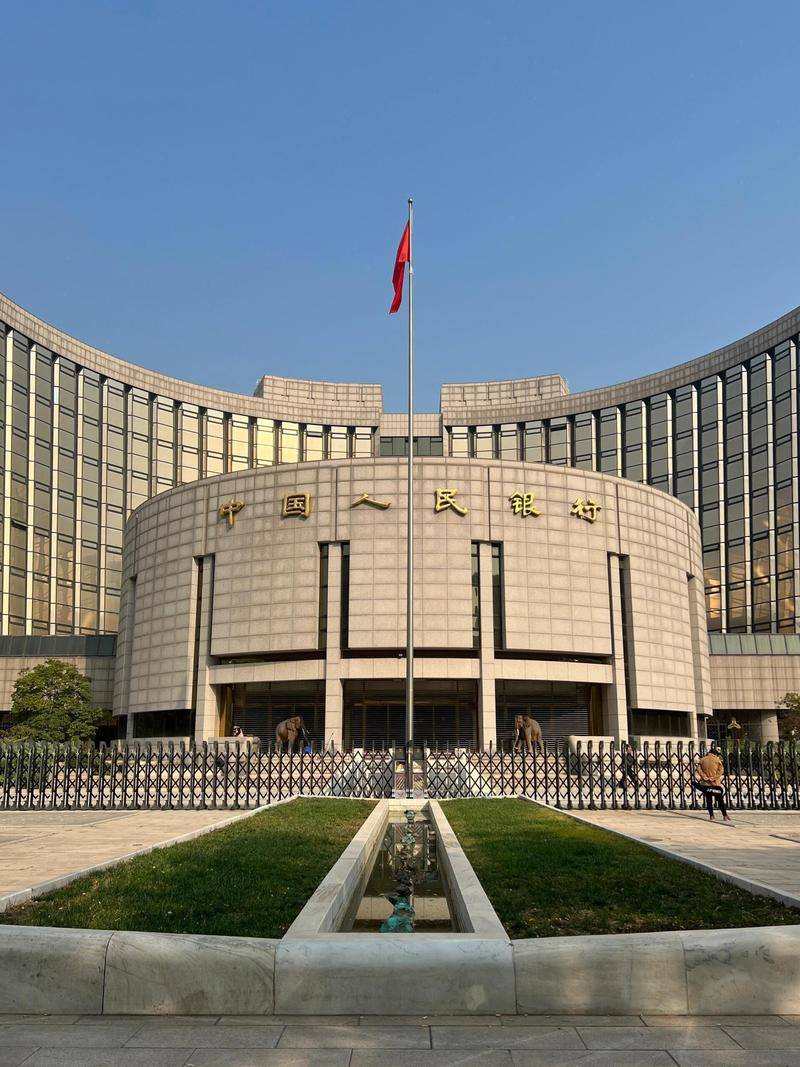
人民币逼近7.1关口 多因素支撑汇率走强
Zhong Guo Jing Ji Wang· 2025-09-12 00:32
Group 1 - The recent strengthening of the RMB against the USD is driven by multiple internal and external factors, including a weaker USD index and strong domestic equity market performance attracting foreign capital inflow [1][2] - The RMB's appreciation is also influenced by the acceleration of the RMB/USD central parity rate and the issuance of offshore RMB central bank bills, which may tighten offshore RMB liquidity [2][3] - China's economic recovery and improving fundamentals provide long-term support for the stability of the RMB exchange rate, with policies promoting consumption and innovation contributing to market confidence [3][4] Group 2 - The People's Bank of China emphasizes the importance of monitoring cross-border capital flows and maintaining the RMB exchange rate at a reasonable and balanced level [4] - Analysts predict that the RMB exchange rate will likely continue to exhibit a trend of "stability with an upward bias" and "two-way fluctuations" in the future [4] - Companies are advised to adapt to the normalcy of exchange rate fluctuations and manage foreign exchange risk exposure within reasonable limits to avoid impacting normal operations [4]