科学探索奖

Search documents
2026年科学探索奖启动申报,为青年科学家提供300万元奖金
Bei Ke Cai Jing· 2026-01-04 08:12
Core Points - The "Science Exploration Award," one of the highest funding programs for young scientific talent in China, has officially launched its application process for the eighth edition [1] - The award will continue to cover 10 funding areas, including mathematics and physics, new materials in chemistry, astronomy and earth sciences, life sciences, medical sciences, information electronics, energy and environment, advanced manufacturing, transportation and construction, and frontier interdisciplinary studies [1] - A "new star mechanism" will be implemented, providing one "new star quota" in each funding area to reward young scientists [1] - Up to 50 awardees will be selected this year, with each receiving a total of 3 million RMB over five years, which they can use at their discretion [1] - The application period runs from January 1 to April 15, with the award winners expected to be announced in the third quarter of 2026 [1] - The award was established in 2018 by the New Cornerstone Science Foundation, led by prominent scientists and Tencent's founder [1] - By 2025, the award has funded 347 outstanding young scientists [1] Application Criteria - Applicants must hold a PhD and work full-time in mainland China or Hong Kong/Macau, regardless of nationality [2] - Age limits for applicants are set at 45 years or younger for males and 48 years or younger for females as of January 1 of the application year [2] - The award focuses on the future potential of young researchers rather than past achievements, encouraging the emergence of "future stars" in various evaluation stages [2]
4月15日截止!2026年“科学探索奖”启动申报
Huan Qiu Wang Zi Xun· 2026-01-04 07:12
Core Points - The "Scientific Exploration Award" is one of the highest funding programs for young scientific talents in China, officially starting its application process on January 1, 2026 [1] - A total of up to 50 awardees will be selected, each receiving a total of 3 million yuan over five years, with the application period running from January 1 to April 15, 2026 [1] - The award aims to emphasize originality in research, requiring applicants to detail the originality of their academic contributions and future research plans [1] Eligibility and Criteria - Applicants must hold a PhD and work full-time in mainland China or Hong Kong/Macau, with no nationality restrictions [1] - Age limits for applicants are set at 45 years or younger for males and 48 years or younger for females as of January 1, 2026 [1] - The award will continue to cover 10 funding areas, including mathematics and physics, chemistry and new materials, astronomy and earth sciences, life sciences, medical sciences, information electronics, energy and environment, advanced manufacturing, transportation and construction, and frontier interdisciplinary studies [1] Application Process - The award will implement a "star mechanism," providing one "star quota" in each funding area to reward young scientists [1] - Starting in 2026, applicants who fail to be selected for three consecutive years must wait at least one year before reapplying, aimed at encouraging a more rational assessment of their research contributions [2] - The "Scientific Exploration Award" was established in 2018, funded by the New Cornerstone Science Foundation and led by prominent scientists, with 347 young scientists funded by 2025 [2]
杨振宁的科技遗产
Hu Xiu· 2025-10-18 10:09
Core Viewpoint - The article highlights the significant contributions of Yang Zhenning to Chinese science and technology, emphasizing his role in bridging Eastern and Western scientific communities and inspiring generations of Chinese scientists [1][3][12]. Contributions to Science and Education - Yang Zhenning returned to China in 1971, marking a pivotal moment in Sino-American scientific relations, and dedicated his efforts to fostering friendship and collaboration between Chinese and American scientists [5][6]. - He identified the stagnation in China's scientific community and took action to improve the situation by promoting international exchanges and supporting young scholars to study abroad [7][8]. - Yang personally recommended over 1,200 young scholars for training abroad, many of whom became key figures in China's technological advancement [9]. Impact on Computer Science Education - Yang Zhenning played a crucial role in the establishment of the "Young Class" at the University of Science and Technology of China, which laid the groundwork for computer science education in the country [10]. - He donated significant funds to Tsinghua University, including $1 million to support the establishment of the Advanced Research Center, and chose to forgo his salary to benefit the institution [10]. - His influence extended to the creation of the "Yao Class" at Tsinghua University, which has been recognized as a leading incubator for AI talent in China [11]. Legacy and Influence - Yang Zhenning's achievements inspired a sense of pride among Chinese scientists, helping to alleviate feelings of inferiority and encouraging competition with Western counterparts [14][15]. - He was known for his candid opinions on scientific funding priorities, advocating for investments in areas with higher returns, such as chip technology and life sciences [16]. - His dedication to teaching and mentoring students continued well into his later years, embodying the spirit of a true scholar and leader in the scientific community [18].
6位90后,获腾讯奖励300万元
2 1 Shi Ji Jing Ji Bao Dao· 2025-09-21 22:53
Group 1 - The "Science Exploration Award" is the highest monetary youth science talent funding project in China, providing each of the 50 awarded scientists with a total of 3 million yuan over five years [1][2] - The award has funded 347 scientists over the past seven years, with a notable increase in younger recipients, including 6 "post-90s" scientists [2][5] - The research areas of this year's awardees include cutting-edge fields such as artificial retinal light sensitivity repair, non-Abelian anyon generation and manipulation, and searching for life markers in Martian rock paint [3][4] Group 2 - China's basic research funding is projected to reach 249.7 billion yuan in 2024, a growth of over 70% compared to 2020, with significant achievements in quantum technology, life sciences, and material sciences [1][6] - The current funding structure shows that most basic research funding comes from the central government, with relatively low contributions from enterprises and society [1][6] - Major companies like Tencent, Alibaba, and Xiaomi are increasingly involved in funding basic research, providing a more flexible and long-term financial support model [6][7] Group 3 - The "Future Science Prize," established in 2016, rewards outstanding scientific achievements in mainland China and has awarded 46 scientists to date [6] - The "Damo Academy Qicheng Award" by Alibaba aims to discover and support young scientists under 35, with each recipient receiving 1 million yuan [7] - Recent tax incentives have been introduced to encourage enterprises to invest in basic research, allowing for tax deductions on contributions to non-profit research institutions and universities [8]

6位90后,获腾讯奖励300万元
21世纪经济报道· 2025-09-21 07:06
Core Viewpoint - The "Science Exploration Award," funded by Tencent, is one of the highest monetary awards for young scientific talent in China, providing 300 million yuan over five years to each of the 50 awardees, with a notable increase in younger recipients this year [1][6][9]. Group 1: Award Overview - The "Science Exploration Award" has funded 347 scientists over seven years, with each awardee receiving a total of 300 million yuan over five years [5][9]. - This year's awardees include 13 young scientists and 6 recipients from the "90s generation," reflecting a focus on nurturing younger talent [6][8]. - The award aims to support original research in cutting-edge fields, aligning with national scientific needs [8]. Group 2: Funding Landscape - China's basic research funding is projected to reach 249.7 billion yuan in 2024, a 70% increase from 2020, but is primarily sourced from government funding, with corporate and social contributions being relatively low [3][11][13]. - Various private awards, such as the "Future Science Prize" and "Damo Academy Orange Prize," have been established by entrepreneurs to support scientific research, indicating a growing trend of private sector involvement in basic research funding [3][13][14]. - The introduction of tax incentives for corporate contributions to basic research aims to encourage more private investment in this area [14][15]. Group 3: Research Focus and Challenges - Awardees' research spans diverse fields, including artificial retinal light sensitivity repair and the search for life indicators in Martian rocks, emphasizing the need for innovative approaches in basic research [8][9]. - Young scientists face challenges in pursuing original research due to the inherent uncertainties and long return cycles associated with basic research [8][9]. - The "Science Exploration Award" aims to provide a supportive environment for young researchers, allowing them to focus on innovative projects without the pressure of immediate commercial returns [8][9].

腾讯、阿里、小米入局,民间资金如何激活科研“从0到1”
2 1 Shi Ji Jing Ji Bao Dao· 2025-09-21 05:06
Core Points - The "Scientific Exploration Award" is one of the highest monetary awards for young scientific talent in China, providing each of the 50 awardees with a total of 3 million yuan over five years [4][5] - The award ceremony held on September 20 showcased a younger cohort of winners, including six individuals born in the 1990s, with research spanning various cutting-edge fields [1][5] - China's basic research funding is projected to reach 249.7 billion yuan in 2024, reflecting a growth of over 70% since 2020, although the majority of funding still comes from the central government [9][10] Funding and Awards - The "Scientific Exploration Award," established in 2018, is funded by Tencent and managed by the New Cornerstone Science Foundation, focusing on original scientific research [4][10] - Other notable awards include the "Future Science Prize" and the "Damo Academy Qicheng Award," which have been established by prominent entrepreneurs to support young scientists [10][11] - In 2022, the Chinese government introduced tax incentives to encourage corporate investment in basic research, aiming to diversify funding sources [12] Research Focus - This year's awardees are engaged in innovative research areas such as artificial retinal light sensitivity restoration, the generation and manipulation of non-Abelian anyons, and the search for life indicators in Martian rock paints [6][7] - The increase in young awardees aligns with the introduction of a "New Star Quota" aimed at recognizing emerging scientists [5][6] - The research outcomes of past awardees have been recognized in top international journals, with 11 researchers' work included in the "Top Ten Scientific Advances in China" [7][10]


大学专业三年优化启动 急需学科专业实施超常布局
Di Yi Cai Jing· 2025-08-28 16:38
Core Insights - The recent educational reform plan emphasizes the need for interdisciplinary studies to meet the demands of emerging industries and future technologies [1][2][3] - The plan includes actions for rapid deployment of urgently needed disciplines, enhancement of foundational subjects, and optimization of existing programs [1][2] Group 1: Interdisciplinary Focus - The plan highlights the importance of interdisciplinary studies, with a specific focus on emerging fields such as integrated circuit science and national security [2][3] - Since 2021, interdisciplinary studies have been recognized as a new category in higher education, with 616 interdisciplinary programs established across 455 universities [2][3] - The establishment of the ninth division of the National Natural Science Foundation, focusing on interdisciplinary sciences, reflects the growing emphasis on this area [3] Group 2: Educational Institutions' Initiatives - Shanghai Jiao Tong University is creating a highly interdisciplinary educational environment, allowing students to combine different fields such as "electrochemistry + materials" [4] - Fudan University has launched several interdisciplinary programs in fields like integrated circuits and nanoscience, focusing on high-level talent cultivation [4][5] - Beijing University of Aeronautics and Astronautics is also expanding its offerings in emerging disciplines, particularly in low-altitude technology [5] Group 3: Artificial Intelligence Integration - The integration of artificial intelligence into educational programs is accelerating, with 3,229 new undergraduate programs established since February 2023, particularly in engineering [6][7] - The demand for AI professionals is significant, with a reported talent gap of over 5 million in China, highlighting the urgency for educational institutions to adapt [6][7] - Fudan University has introduced an "AI Big Course" to equip students with AI knowledge applicable across various fields, emphasizing the need for interdisciplinary talent [8]
大学专业三年优化启动
第一财经· 2025-08-28 16:13
Core Viewpoint - The article discusses the recent "Action Plan for the Adjustment and Optimization of Higher Education Discipline and Major Settings (2025-2027)" issued by the Central Education Work Leading Group, emphasizing the need for rapid adaptation of academic disciplines to meet the demands of emerging industries and interdisciplinary fields [3][5]. Group 1: Action Plan Overview - The Action Plan proposes several initiatives, including the rapid layout of urgently needed disciplines targeting strategic emerging industries, increased support for foundational disciplines, and the establishment of interdisciplinary centers [3][5]. - It highlights the importance of optimizing existing disciplines that show insufficient social demand or declining quality [3][5]. Group 2: Interdisciplinary Focus - The growing trend of interdisciplinary integration is noted, with a significant increase in the establishment of interdisciplinary programs across universities [4][5]. - As of 2021, 455 universities had set up 616 interdisciplinary disciplines, with the Ministry of Education officially recognizing interdisciplinary studies as a new category [5][6]. Group 3: Educational Trends - There is a notable shift in student preferences towards interdisciplinary fields such as artificial intelligence, which are seen as offering better employment opportunities [6][7]. - Major universities like Fudan University and Shanghai Jiao Tong University are actively developing interdisciplinary programs and innovative educational models to adapt to future technological trends [7][8]. Group 4: Artificial Intelligence Integration - The article emphasizes the integration of artificial intelligence into educational curricula, with significant growth in AI-related programs since the release of the adjustment plan in February 2023 [10][11]. - The demand for AI professionals is highlighted, with a reported talent gap exceeding 5 million in China, indicating a strong market need for skilled individuals in this field [10][11]. Group 5: Institutional Initiatives - Institutions are launching specialized programs and initiatives to foster interdisciplinary talent, such as Fudan University's "AI Big Class" and various new engineering colleges focusing on emerging technologies [12][13]. - The article mentions the establishment of cross-disciplinary courses and projects aimed at addressing real-world challenges and enhancing practical skills among students [12][13].
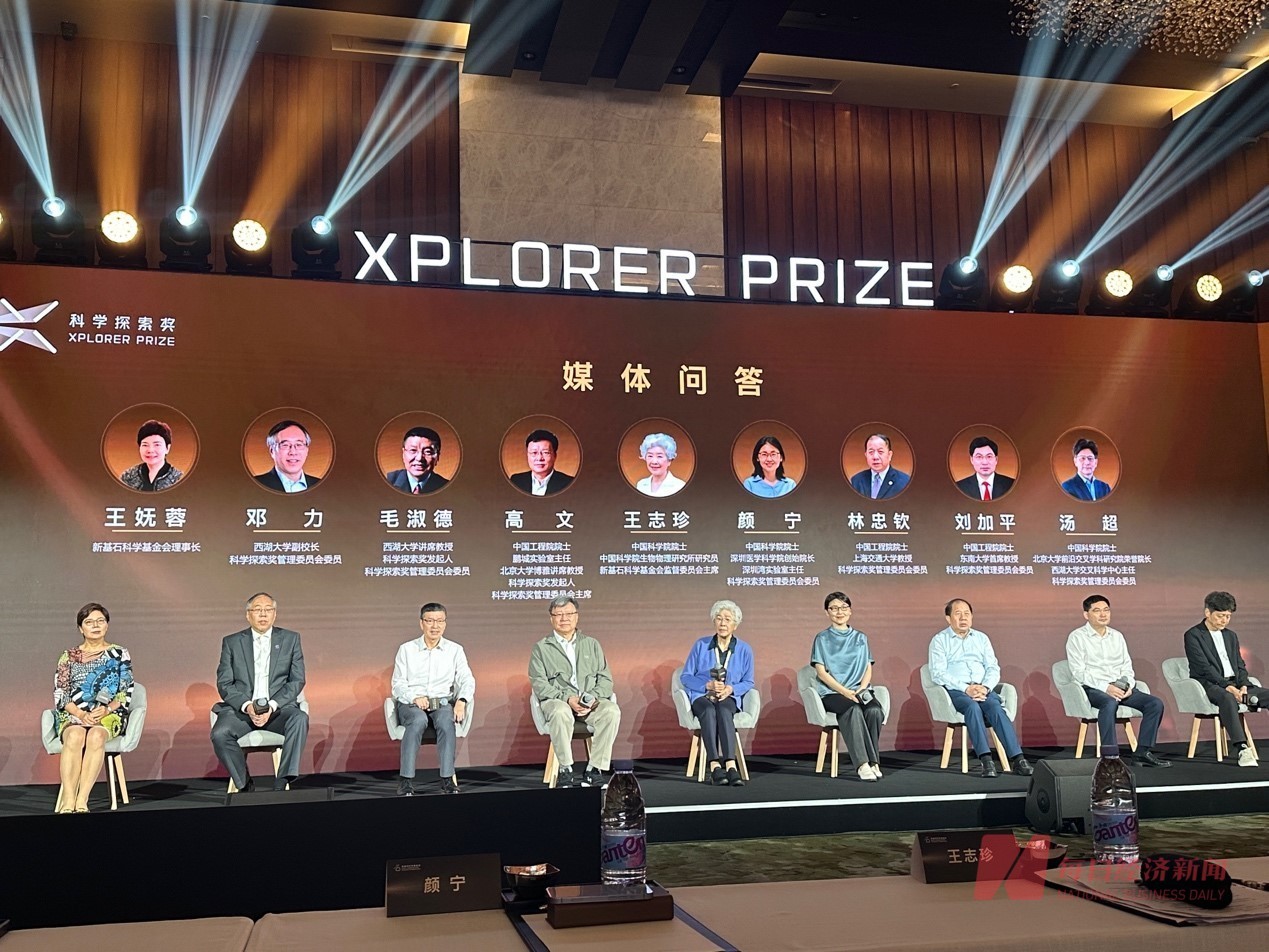
科学大家齐聚答疑:2025“科学探索奖”获奖名单是怎样诞生的
Bei Ke Cai Jing· 2025-08-25 14:59
Core Points - The "Scientific Exploration Award" 2025 winners list was announced, featuring 50 young scientists who will receive a total of 3 million RMB over five years [1] - The award aims to encourage young scientists and promote original research, with a notable increase in the number of young awardees this year [3][4] Group 1: Award Overview - The award includes 13 young scientists, a significant increase from 7 last year, with 6 being born in the 1990s [4] - The award has a "New Star Quota" for young scientists, which has effectively attracted more young applicants [5][6] - A total of 1238 applications were received this year, with 261 young scientists applying, representing 21% of total applications, nearly doubling from 11% last year [6] Group 2: Gender Representation - This year, 9 female scientists received the award, the highest number in the award's history, making up 18% of the winners [7][8] - The age threshold for female scientists is higher than for males, which is explained by considerations related to childbirth and career development [4][8] Group 3: Research Focus and Evaluation - The award emphasizes originality in basic research, evaluating candidates based on the potential impact and originality of their future research plans [8] - The selection process aims to identify the most outstanding young scientists, regardless of their institutional affiliations, focusing solely on academic merit [9]
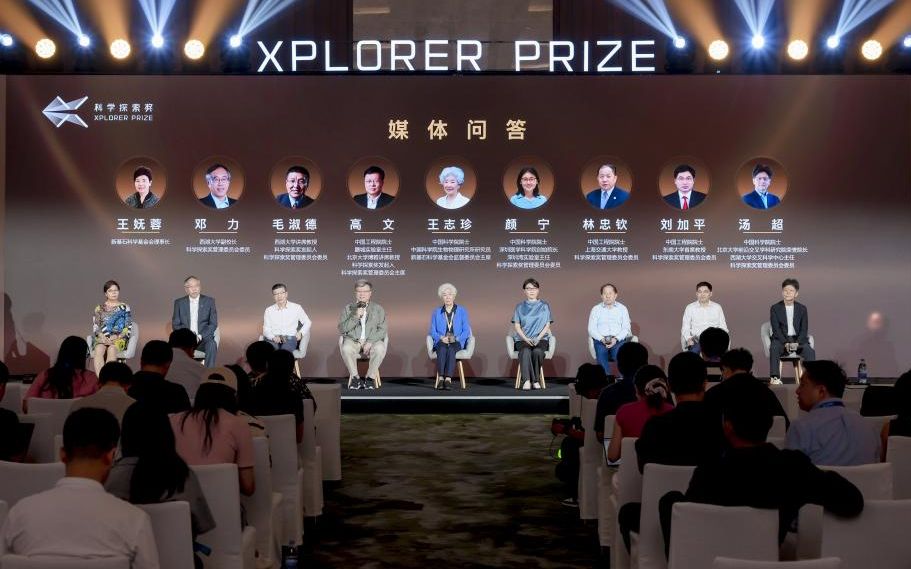
“科学探索奖”女性获奖者占18%创新高,颜宁:年龄放宽是剔除生育影响,让“她可以”照进现实
Mei Ri Jing Ji Xin Wen· 2025-08-25 12:42
Core Points - The "Scientific Exploration Award," initiated by prominent scientists including Yang Zhenning and Tencent's founder Ma Huateng in 2018, aims to support young scientists in conducting original and groundbreaking research [1] - The award is one of the highest monetary grants for young scientific talent in China, providing each winner with a total of 3 million RMB over five years, which can be freely allocated [1] - The 2025 award list features 50 young scientists, with a notable increase in the number of female winners, reaching a record 18% [2][4] Group 1: Award Characteristics - The award focuses on basic science and cutting-edge technology, prioritizing young researchers [1] - This year, the average age of the 50 winners is 41, with the youngest being 32 years old, and 13 of the winners are categorized as young scientists [5][9] - The number of young scientists awarded has nearly doubled compared to the previous year, with 261 young applicants this year, representing 21% of total applicants [6][9] Group 2: Gender Representation - The number of female winners has reached a historic high, with 9 women awarded this year, compared to 7 last year, making up 18% of the total [2] - The award has adjusted age criteria to support female scientists, allowing women to apply up to 3 years older than their male counterparts, considering biological factors such as childbirth [2][4] - The emphasis on gender equality in the award process aims to encourage more women to pursue careers in scientific research [2][5] Group 3: Application Trends - A total of 1,238 individuals applied for the award in 2025, an increase of 226 from the previous year, with 48.9% being first-time applicants [6][8] - The introduction of a "New Star" quota for young scientists has contributed to the increase in applications, allowing for recognition of emerging talent [8][9] - The research areas of the winners include significant advancements in fields such as quantum theory, artificial intelligence, and biomedical research, reflecting a strong focus on practical applications [9]