交叉学科

Search documents
启动经费550万起!全球顶级AI人才看过来
机器之心· 2026-01-23 06:37
Core Viewpoint - Beijing Zhongguancun Academy is a new higher education and research institution focused on artificial intelligence and interdisciplinary fields, aiming to cultivate innovative talents and drive research innovation [2][3]. Group 1: Institutional Overview - The academy collaborates with 31 top-tier universities in China to focus on talent innovation in artificial intelligence and interdisciplinary studies [3]. - Zhongguancun Artificial Intelligence Research Institute is a young exploratory R&D institution dedicated to cutting-edge technology research and industrial transformation [3][15]. Group 2: Talent Recruitment - The academy is hosting an online talent exchange meeting on February 6, 2026, to provide authoritative talent policy interpretations and engage with global top talents [3][4]. - The recruitment targets include national-level leading talents and young talents, with specific qualifications such as holding a PhD and having significant research or professional experience [5][8]. Group 3: Support and Benefits - National-level leading talents will receive a one-time living allowance of 1 million yuan, along with 3 million yuan in research funding and additional local subsidies [10]. - National-level young talents will receive a one-time living allowance of 500,000 yuan and research funding ranging from 1 million to 3 million yuan, along with local subsidies [10]. Group 4: Research and Living Support - The institution provides ample computational support and prioritizes applications for national major projects, fostering the establishment of doctoral and postdoctoral teams [14]. - Living arrangements include access to high-quality educational resources for children, affordable housing, and medical insurance for the individual and their family [14].

勇闯科研“无人区” 绘就绿色新答卷
Xin Lang Cai Jing· 2026-01-04 22:09
Core Viewpoint - The article highlights the dedication and innovative spirit of a research team led by Li Jian, a professor at Northeast Forestry University, who is pioneering advancements in wood science and technology through interdisciplinary collaboration and a focus on practical applications [1][2]. Group 1: Research Innovations - Li Jian has expanded traditional wood science research from basic studies to include areas such as biological wood science, wood-based nanocomposites, and electromagnetic shielding, creating new research opportunities [2][3]. - The team has developed a formaldehyde-free biomimetic green adhesive that has achieved industrial production in plywood, particleboard, and fiberboard, winning a gold medal at the Geneva International Exhibition of Inventions [5]. - Research on high-temperature and high-humidity wood friction nanogenerators has led to applications in gait monitoring and fire self-rescue systems, breaking traditional limitations of wood applications [6]. Group 2: Educational Impact - Li Jian emphasizes the importance of innovative thinking and methods in scientific research, encouraging students to seek inspiration from nature and to embrace challenges [3][4]. - Many of Li Jian's students have become successful researchers and educators themselves, contributing to the growth of a new generation of experts in wood science [7][9]. - The interdisciplinary approach promoted by Li Jian has resulted in significant advancements, with students exploring novel applications such as structural colors in wood fibers and the utilization of lignin for anti-counterfeiting technologies [8][9].
从院士增选看中国科技创新新风向!
Xin Lang Cai Jing· 2025-11-21 17:25
Group 1 - The recent election of academicians highlights the importance of young scientists, with the youngest being Liu Ruochuan from Peking University, marking a trend towards recognizing younger talent in academia [1][3] - The election emphasizes the focus on emerging and interdisciplinary fields, such as quantum information physics and robotics, which are essential for addressing complex systemic issues in technology [1][3] - The inclusion of experts from private technology companies like BYD, CATL, and Jinfat Technology indicates a strong link between industry innovation and academic recognition, fostering a deeper integration of technological and industrial advancements [3] Group 2 - The election aims to support young scientists, strengthen the layout of frontier interdisciplinary fields, and reinforce the role of enterprises in technological innovation, responding to urgent needs in international technological competition [3] - The new academicians represent not only academic leaders but also the future direction of China's technology landscape, contributing to the country's goal of becoming a technology powerhouse [3]




浙江大学探索学科会聚构筑创新高地特色模式
Xin Hua Wang· 2025-09-28 03:42
Group 1 - The core achievement of Zhejiang University is the development of a brain-like computer "Wukong" based on specialized neuromorphic chips, with over 2 billion neurons, nearing the scale of a macaque brain, indicating that China has reached an internationally advanced level in the field of neuromorphic brain-like computing [1] - The "Innovation 2030 Plan" initiated by Zhejiang University aims to build a high ground for innovation by focusing on national strategic needs and global scientific frontiers, with 11 interdisciplinary research plans being implemented [1] - The "Brain Science and Artificial Intelligence Convergence Research Plan" has led to the establishment of the National Key Laboratory of Brain-Machine Intelligence and the first "Brain Science and Brain Medicine College" in the country, becoming a strategic base for national scientific and technological strength in brain science and artificial intelligence [1] Group 2 - In April 2024, Zhejiang University established the Basic Interdisciplinary Research Institute to reconstruct innovation models and serve high-level technological self-reliance and talent cultivation, creating a "comprehensive reform special zone" for education, technology, and talent [2] - The university launched the Electrical and Electronic Engineering Experimental Class (EE Class) to break traditional disciplinary barriers, integrating two major colleges to cultivate interdisciplinary talents in areas such as smart grids and quantum information [2] - Zhejiang University has 21 disciplines listed in the first-class discipline construction list, with most disciplines showing significant progress in the fifth round of discipline evaluation [2] Group 3 - Zhejiang University is actively recruiting global talent through various initiatives such as the "Talent Special Zone" and "Academic Master Gathering Plan," aiming to attract top-tier talent and their teams to foster high-level innovation [3] - The university plans to accelerate the layout of convergent disciplines and interdisciplinary frontiers, aiming to build a robust academic ecosystem and advance towards becoming a world-class university [3]
大学专业三年优化启动 急需学科专业实施超常布局
Di Yi Cai Jing· 2025-08-28 16:38
Core Insights - The recent educational reform plan emphasizes the need for interdisciplinary studies to meet the demands of emerging industries and future technologies [1][2][3] - The plan includes actions for rapid deployment of urgently needed disciplines, enhancement of foundational subjects, and optimization of existing programs [1][2] Group 1: Interdisciplinary Focus - The plan highlights the importance of interdisciplinary studies, with a specific focus on emerging fields such as integrated circuit science and national security [2][3] - Since 2021, interdisciplinary studies have been recognized as a new category in higher education, with 616 interdisciplinary programs established across 455 universities [2][3] - The establishment of the ninth division of the National Natural Science Foundation, focusing on interdisciplinary sciences, reflects the growing emphasis on this area [3] Group 2: Educational Institutions' Initiatives - Shanghai Jiao Tong University is creating a highly interdisciplinary educational environment, allowing students to combine different fields such as "electrochemistry + materials" [4] - Fudan University has launched several interdisciplinary programs in fields like integrated circuits and nanoscience, focusing on high-level talent cultivation [4][5] - Beijing University of Aeronautics and Astronautics is also expanding its offerings in emerging disciplines, particularly in low-altitude technology [5] Group 3: Artificial Intelligence Integration - The integration of artificial intelligence into educational programs is accelerating, with 3,229 new undergraduate programs established since February 2023, particularly in engineering [6][7] - The demand for AI professionals is significant, with a reported talent gap of over 5 million in China, highlighting the urgency for educational institutions to adapt [6][7] - Fudan University has introduced an "AI Big Course" to equip students with AI knowledge applicable across various fields, emphasizing the need for interdisciplinary talent [8]
大学专业三年优化启动
第一财经· 2025-08-28 16:13
Core Viewpoint - The article discusses the recent "Action Plan for the Adjustment and Optimization of Higher Education Discipline and Major Settings (2025-2027)" issued by the Central Education Work Leading Group, emphasizing the need for rapid adaptation of academic disciplines to meet the demands of emerging industries and interdisciplinary fields [3][5]. Group 1: Action Plan Overview - The Action Plan proposes several initiatives, including the rapid layout of urgently needed disciplines targeting strategic emerging industries, increased support for foundational disciplines, and the establishment of interdisciplinary centers [3][5]. - It highlights the importance of optimizing existing disciplines that show insufficient social demand or declining quality [3][5]. Group 2: Interdisciplinary Focus - The growing trend of interdisciplinary integration is noted, with a significant increase in the establishment of interdisciplinary programs across universities [4][5]. - As of 2021, 455 universities had set up 616 interdisciplinary disciplines, with the Ministry of Education officially recognizing interdisciplinary studies as a new category [5][6]. Group 3: Educational Trends - There is a notable shift in student preferences towards interdisciplinary fields such as artificial intelligence, which are seen as offering better employment opportunities [6][7]. - Major universities like Fudan University and Shanghai Jiao Tong University are actively developing interdisciplinary programs and innovative educational models to adapt to future technological trends [7][8]. Group 4: Artificial Intelligence Integration - The article emphasizes the integration of artificial intelligence into educational curricula, with significant growth in AI-related programs since the release of the adjustment plan in February 2023 [10][11]. - The demand for AI professionals is highlighted, with a reported talent gap exceeding 5 million in China, indicating a strong market need for skilled individuals in this field [10][11]. Group 5: Institutional Initiatives - Institutions are launching specialized programs and initiatives to foster interdisciplinary talent, such as Fudan University's "AI Big Class" and various new engineering colleges focusing on emerging technologies [12][13]. - The article mentions the establishment of cross-disciplinary courses and projects aimed at addressing real-world challenges and enhancing practical skills among students [12][13].
大学专业三年优化启动,急需学科专业实施超常布局
Di Yi Cai Jing· 2025-08-28 13:58
Core Viewpoint - The Chinese government is actively promoting the integration of artificial intelligence into higher education and various industries, emphasizing the need for interdisciplinary approaches and the establishment of new academic programs to meet the demands of emerging industries and technologies [1][8]. Group 1: Policy and Strategic Initiatives - The Central Education Work Leading Group has issued the "Action Plan for the Adjustment and Optimization of Higher Education Discipline and Major Settings (2025-2027)", which outlines systematic measures for optimizing academic disciplines [1]. - The plan includes actions such as rapid deployment of urgently needed disciplines, enhancement of foundational disciplines, incubation of emerging and interdisciplinary fields, and optimization of existing disciplines that are underperforming [1][3]. Group 2: Interdisciplinary Focus - There is a growing emphasis on interdisciplinary studies in response to the increasing demand for innovative, composite, and application-oriented talents in the economy and society [2]. - The establishment of interdisciplinary fields has been formalized, with the Ministry of Education recognizing interdisciplinary studies as the 14th category of academic disciplines, which includes "Integrated Circuit Science and Engineering" and "National Security Studies" [3]. Group 3: Educational Innovations - Universities are increasingly focusing on interdisciplinary talent cultivation, with institutions like Fudan University and Shanghai Jiao Tong University implementing programs that allow students to combine different fields of study, such as "Electrochemistry + Materials" or "Artificial Intelligence + Biology" [4][5]. - Fudan University has launched several new engineering innovation colleges that adopt interdisciplinary training models and integrate undergraduate and graduate education [6]. Group 4: AI Integration in Education - Since the release of the "Adjustment and Optimization Reform Plan for Ordinary Higher Education Discipline Settings" in February 2023, there has been a significant increase in the establishment of new undergraduate programs, particularly in engineering and AI-related fields [7]. - The government has emphasized the importance of integrating AI into educational curricula, with initiatives aimed at enhancing the quality and relevance of academic programs to meet the needs of the digital economy [8][9].
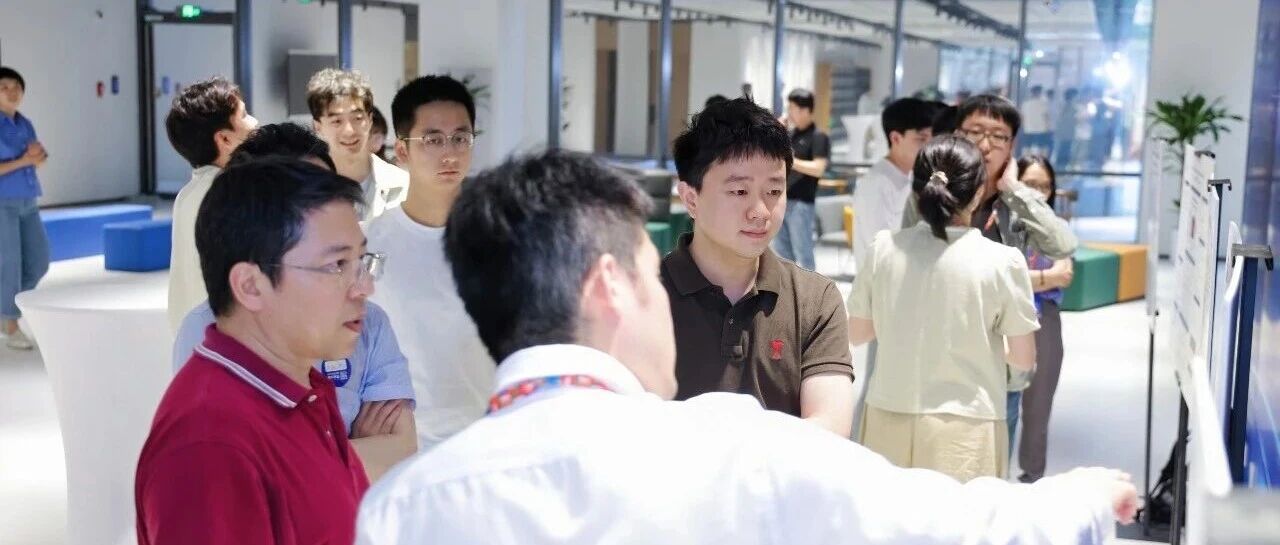
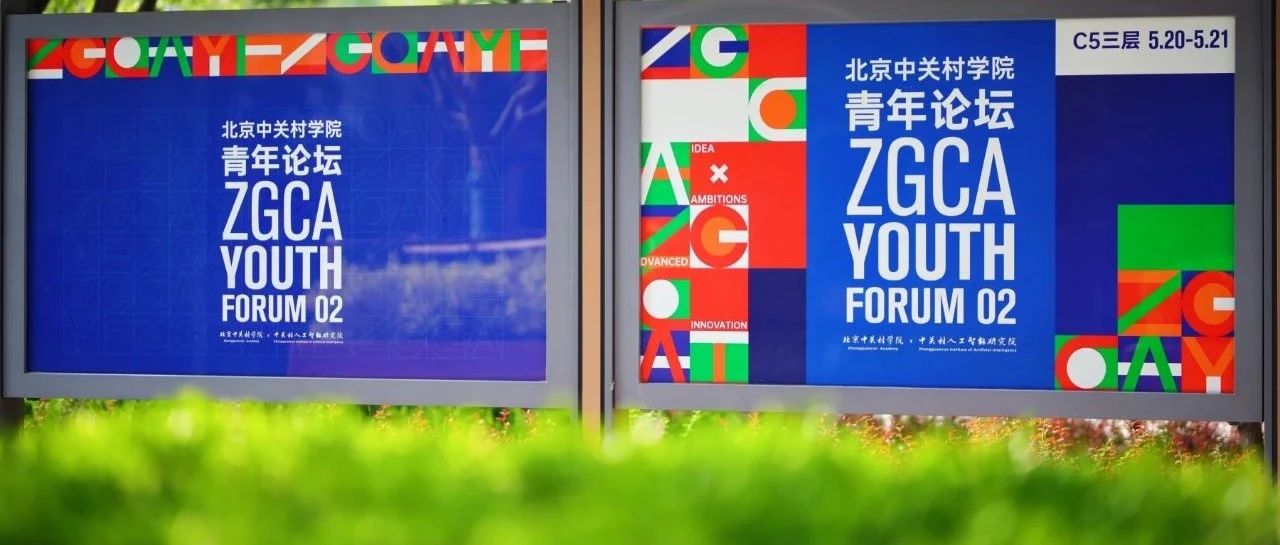
报名开启|中关村国际青年论坛:诚邀全球青年学者共探AI前沿
机器之心· 2025-08-20 09:47
Core Viewpoint - Beijing Zhongguancun Academy is a new higher education and research institution focusing on artificial intelligence and interdisciplinary fields, emphasizing disruptive research and practical talent cultivation [2][3]. Group 1: Institutional Overview - Beijing Zhongguancun Academy specializes in education and research innovation in artificial intelligence and interdisciplinary fields, promoting scientific exploration through research projects [3]. - The Zhongguancun Artificial Intelligence Research Institute is a young exploratory R&D institution aimed at future-oriented scientific exploration with industrial value [3]. Group 2: International Forum - The "Zhongguancun International Youth Forum," organized by Beijing Zhongguancun Academy and supported by the Zhongguancun Artificial Intelligence Research Institute, invites global young talents in AI and interdisciplinary fields [5]. - Since its establishment in September 2024, the forum has successfully held two sessions, attracting 98 top young scholars from seven countries, covering topics in AI, biotechnology, and interdisciplinary integration [5]. Group 3: Forum Details - The upcoming forum will take place on September 18-19, 2025, at the Beijing Zhongguancun Academy C5 Research Building [6]. - Key agenda items include invited reports from top scholars, oral presentations for young scholars, roundtable discussions on "AI for Science," and a poster session for knowledge exchange [6][9]. Group 4: Talent Development and Support - The academy offers a comprehensive talent introduction policy, including support for project applications, housing subsidies, and education for children to ensure talent development [6]. - The institution collaborates with 31 top universities and leading enterprises to implement a project-based education model [14]. Group 5: Participation Requirements - Candidates must hold a PhD in AI or related interdisciplinary fields with at least two years of experience and a record of publications in top conferences or journals [15]. - The application deadline is August 27, 2025, and interested scholars should submit their materials via email [15].
2025年光学工程前沿交叉科学大会在浙江金华开幕
Zhong Guo Xin Wen Wang· 2025-08-16 14:53
Core Insights - The 2025 Frontier Interdisciplinary Science Conference on Optical Engineering opened in Jinhua, Zhejiang, focusing on five cutting-edge interdisciplinary fields: new materials, aerospace technology, green energy, brain-machine interaction, and quantum computing [1] - The conference aims to enhance the capabilities of optical engineering and interdisciplinary fields in serving technological frontiers, accelerating technological progress and discipline integration in China's optical engineering sector [1] Group 1 - The conference theme is "Intersection, Integration, Innovation, Development," reflecting the ongoing global technological revolution and industrial transformation [1] - A total of 210 experts were invited to give keynote speeches, and 204 specialized sub-forums featured outstanding young and middle-aged leaders from various fields [2] Group 2 - The conference also included local industry technology demand matching, technology achievement transfer projects, high-level talent recruitment fairs, and site visits [2] - Over 140 companies participated in the talent recruitment section, with 287 job openings announced by 19 hiring units, including Jinhua Vocational and Technical University and Zhejiang Optoelectronic Research Institute [2]
热钱,藏在冷门专业里?
3 6 Ke· 2025-07-02 00:13
Group 1 - The article emphasizes the importance of selecting majors based on industry demand and future career prospects rather than solely on academic scores [1][2] - It highlights the trend of professional differentiation in higher education, where traditional popular majors face saturation while emerging fields aligned with new industries gain prominence [1][3] Group 2 - The article discusses the significance of identifying industries in an upward trajectory and choosing corresponding majors to establish a solid foundation for future career development [3][5] - It uses the example of China's "dual carbon" policy, which aims for carbon peak by 2030 and carbon neutrality by 2060, to illustrate how industries related to carbon management are experiencing unprecedented growth opportunities [5][6] Group 3 - The demand for talent in the renewable energy sector is highlighted, with a reported 52% growth rate in carbon emission management positions from 2022 to 2023, indicating a strong need for skilled professionals in this area [6][8] - The article notes that the current talent structure in the carbon management field is imbalanced, with a significant demand for mid-level professionals (3-6 years of experience) and a lack of practical experience among job seekers [6][8] Group 4 - The article mentions the introduction of 29 new undergraduate majors in response to national strategies, technological advancements, and market needs, including fields like carbon neutrality science and international cruise management [9][11] - It points out the rapid growth of the cruise industry in China, with projections indicating a need for 100,000 to 300,000 professionals in cruise operations by 2030 due to increasing passenger volumes [11][14] Group 5 - The article discusses the dual nature of the job market in artificial intelligence, where there is a high demand for AI-related positions but also a significant gap in qualified candidates, particularly in specialized areas like AI ethics [17][20] - It highlights the emergence of new roles such as AI trainers and consultants, as well as the growing importance of ethical considerations in AI development, which are becoming critical in both domestic and international contexts [20][22]