缤果

Search documents
车市开年遇冷:政策换挡致市场大跌 销售人员称已做好“过冬”准备
经济观察报· 2026-01-31 04:01
Core Viewpoint - Despite the current pain in the automotive market due to policy shifts, experts believe this is a phase of adjustment that will ultimately benefit the market's transition to high-quality development [1][12]. Group 1: Current Market Conditions - The automotive market is experiencing a significant downturn, with retail sales of passenger vehicles dropping to 679,000 units in early January 2026, a decrease of 28% year-on-year and 37% month-on-month [3]. - New energy vehicles (NEVs) have seen a rare and substantial decline, with retail sales at 312,000 units, down 16% year-on-year and 52% month-on-month, leading to a drop in NEV penetration rate from 59.1% in December to 45.9% in January [3][5]. Group 2: Policy Adjustments - The decline in the automotive market is largely attributed to policy adjustments, including a transitional period where local governments' subsidy policies were not yet in place, causing consumers to delay purchases [5]. - From January 1, 2026, the exemption from purchase tax for NEVs has ended, with a new 5% tax introduced, increasing the cost of purchasing NEVs significantly [5][6]. - The new subsidy policy has shifted from fixed amounts to a percentage of the new car price, resulting in reduced subsidies for certain models and further increasing purchase costs [6]. Group 3: Manufacturer Responses - In response to the policy changes, several automakers have introduced temporary subsidy measures to mitigate the impact on consumers, such as increasing discounts on specific models [9]. - Many manufacturers are offering purchase tax subsidies and trade-in incentives to help offset the increased costs for consumers [9]. Group 4: Future Market Outlook - Experts predict that the automotive market will see a shift towards higher-end models due to the new subsidy policies, which favor mid to high-end vehicles, while low-end models may face pressure [12]. - The overall sales volume for 2026 is expected to remain flat or see slight growth, with a projected retail volume of approximately 24 million units, and NEV sales expected to reach 14.6 million units, a 13% increase year-on-year [14].

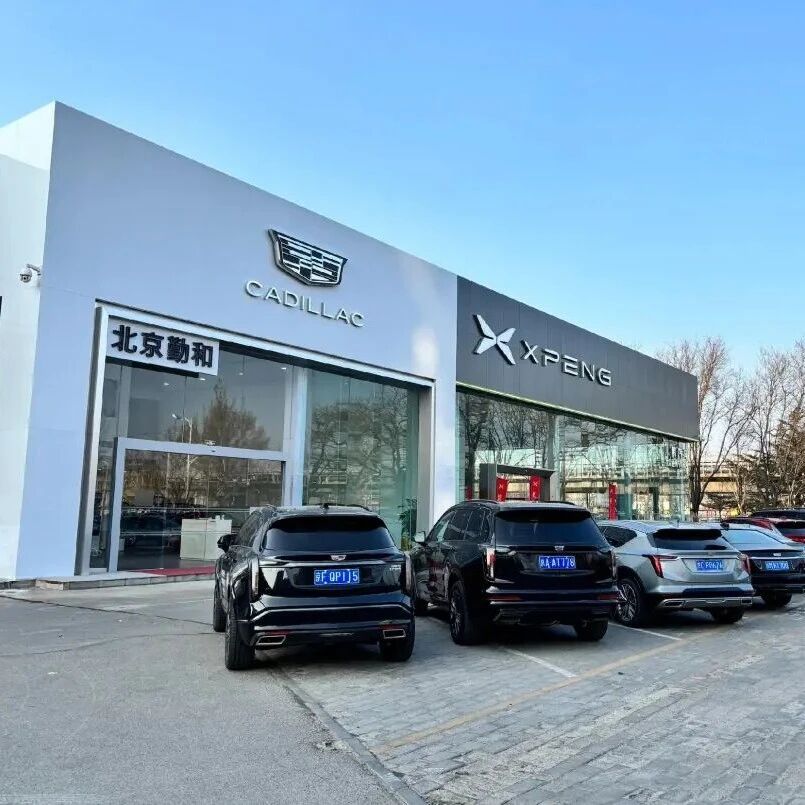
车市开年遇冷:政策换挡致市场大跌 销售人员称已做好“过冬”准备
Jing Ji Guan Cha Wang· 2026-01-31 02:28
Core Viewpoint - The Chinese automotive market is experiencing a significant downturn due to policy adjustments, leading to decreased consumer demand and sales volume [4][9]. Group 1: Market Conditions - The retail sales of passenger cars in China from January 1 to 18, 2026, reached 679,000 units, representing a year-on-year decline of 28% and a month-on-month decline of 37% [3]. - The sales of new energy vehicles (NEVs) also saw a notable drop, with retail sales at 312,000 units, down 16% year-on-year and 52% month-on-month, resulting in a penetration rate decrease from 59.1% in December to 45.9% in January [3][4]. Group 2: Policy Adjustments - The decline in the automotive market is largely attributed to a policy vacuum in January, where local governments' replacement subsidy policies were not released until late January, causing consumers to delay purchases [4][6]. - From January 1, 2026, the purchase tax for NEVs has been set at 5%, ending a decade-long exemption, which increases the cost of purchasing these vehicles [4][5]. - The new subsidy policy, effective January 1, 2026, shifts from fixed amounts to a percentage of the new car price, further raising the cost for consumers [5]. Group 3: Manufacturer Responses - In response to the policy changes, several automakers have introduced temporary subsidy measures to mitigate the impact on consumers, such as increasing discounts on certain models [7]. - Companies like GAC Toyota and Wuling have launched various financial incentives, including tax subsidies and low-interest loans, to attract buyers [7][8]. Group 4: Future Outlook - Experts believe that while the current downturn is painful, it is a necessary adjustment that will ultimately lead to a higher quality automotive market [9]. - Predictions for 2026 suggest that overall retail sales of passenger cars may remain flat or see slight growth, with NEV sales expected to reach 14.6 million units, a year-on-year increase of approximately 13% [10].
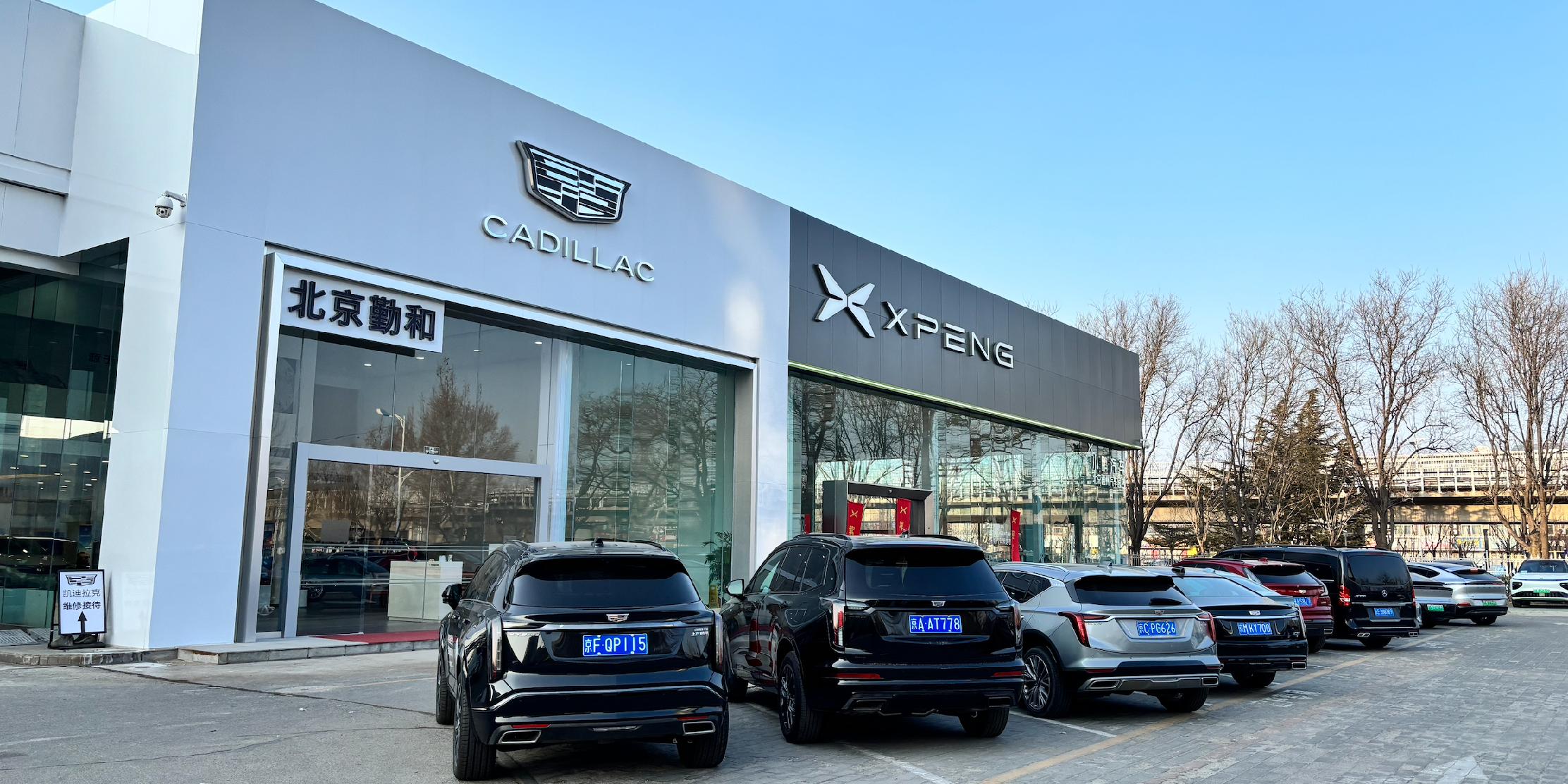
11月新能源汽车销量
数说新能源· 2025-12-15 04:00
Core Insights - November wholesale vehicle sales reached 1.706 million units, a year-on-year increase of 18.5% and a month-on-month increase of 5.8%, with a penetration rate of 56.9%, up 1.6 percentage points from the previous month [1] - Retail sales in November totaled 1.321 million units, reflecting a year-on-year growth of 4.0% and a month-on-month growth of 3.0%, with a penetration rate of 59.4%, up 2.2 percentage points from the previous month [1] - Exports in November amounted to 284,000 units, showing a significant year-on-year increase of 255.0% and a month-on-month increase of 19.3%, with a penetration rate of 47.3%, up 3.1 percentage points from the previous month [1] Sales Data by Manufacturer - Tesla sold 86,700 units in November, including 13,600 units exported [3] - BYD's sales reached 474,900 units, with 128,100 units exported, including various models such as Qin DMI (15,700 units) and Dolphin (31,000 units) [3] - SAIC-GM-Wuling sold 107,800 units, with 12,500 units exported, including 53,600 units of Hongguang MINI [3] - NIO sold 36,300 units, with 6,000 units of ES6 [3] - Li Auto sold 33,200 units, with L9 contributing 2,200 units [3] - XPeng sold 36,700 units, with 5,100 units exported [3] - Leap Motor sold 70,300 units, with 7,200 units of C11 [3] - Chery sold 111,600 units, with 48,100 units exported [3] - GAC Aion sold 38,300 units, with 4,100 units exported [3] - Geely sold 187,800 units, with 15,600 units exported [3] - Volkswagen ID sold 4,800 units [3] - Great Wall sold 40,000 units, with 4,500 units exported [3] - SAIC Passenger Cars sold 42,000 units, with 10,800 units exported [3] - Changan sold 107,000 units, with 4,200 units exported [3] - AITO sold 51,700 units [3] - Xiaomi sold 46,200 units, with 12,500 units of Xiaomi SU7 [3]

狂撒530亿的印尼,成了中国小老板的新“天堂”
芯世相· 2025-05-12 04:49
Core Viewpoint - The article highlights the growing influence and market penetration of Chinese brands in Indonesia, showcasing how they have successfully tapped into local consumer preferences and market dynamics, leading to significant business opportunities and growth in various sectors. Group 1: Market Opportunities in Indonesia - Chinese brands are increasingly dominating the Indonesian market, particularly in the smartphone sector, where they hold over 70% market share as of Q3 2024, with a growth rate of 11.3% [15][26]. - The popularity of Chinese products extends beyond smartphones to accessories and even outdated technology, such as set-top boxes, which are in high demand in Indonesia [20][21]. - The automotive sector is also seeing a surge in Chinese brands, with BYD and Chery achieving significant sales growth, and plans for local manufacturing are underway [27][29]. Group 2: E-commerce and Consumer Behavior - Indonesia's e-commerce market has exploded, with transaction volumes reaching $53.8 billion in 2023, a staggering 90-fold increase over 11 years, making it a lucrative market for Chinese companies [40]. - Chinese brands are adept at localizing their products and marketing strategies, often disguising themselves as local brands to better connect with Indonesian consumers [41]. - The local population's increasing disposable income, especially during religious holidays, presents a prime opportunity for brands to capitalize on consumer spending [43][45]. Group 3: Policy and Economic Environment - Indonesia has shifted from protectionist policies to a more open market approach, abolishing restrictive regulations that previously hindered foreign investment, thus creating a more favorable environment for Chinese companies [56][59]. - The Indonesian government is actively encouraging foreign investment, particularly in sectors like electric vehicles, by offering tax incentives and reducing import restrictions [29][57]. - The demographic advantage of Indonesia, with a population exceeding 270 million and a significant proportion under 34 years old, provides a vast consumer base for Chinese brands [53].


【乘联会论坛】从新能源车企TOP10零售排名看变迁之路
乘联分会· 2025-05-09 08:34
Core Viewpoint - The article highlights the increasing concentration of retail sales among the top 10 new energy vehicle (NEV) companies in China, indicating a growing "Matthew Effect" where leading companies dominate the market more than ever before [2]. Summary by Sections Overview - In the first quarter of this year, the top 10 NEV companies sold 1.921 million units, achieving a market concentration of 79.4%, an increase of 1.5 percentage points compared to the previous year [2][3]. Top 10 Companies Analysis - **BYD**: Maintains the top position with a market share of 28.8%. In Q1, 63% of its sales were plug-in hybrids, and 36% were pure electric vehicles. BYD's sales reached approximately 370,000 units in April [4][5]. - **Geely**: Climbed to second place with a market share of 13.3%. Its NEV penetration rate increased from 24.7% in 2022 to 52.3% in Q1 2024, with sales of 321,000 units [5]. - **SAIC-GM-Wuling**: Ranked third with a market share of 6.5%. The company has a NEV penetration rate exceeding 80%, with its popular models contributing significantly to sales [6]. - **Changan**: Fourth place with a NEV penetration rate of 50.1% in Q1 2024. The company has shown consistent growth, with sales supported by favorable subsidy policies [6]. - **Tesla**: Fifth place, with a sales figure of 134,000 units in Q1, reflecting a slight increase of 1.7%. Tesla's localization rate in China exceeds 95% [7]. - **Chery**: Sixth place with a NEV penetration rate of 34.3% in Q1. The company also has strong export performance, with domestic sales reaching 116,000 units [8]. - **Li Auto, Xpeng, and Leap Motor**: These new entrants are closely competing, with sales figures in April of 34,000, 35,000, and 41,000 units respectively. Their future performance remains uncertain in a competitive market [8]. - **Harmony OS Intelligent Mobility**: Tenth place, with a combined sales of 79,000 units in Q1, representing a market share of 3.3% [9]. Conclusion - Currently, there are 69 registered NEV companies in China, with 8 having zero production or sales in Q1. The top 10 companies dominate nearly 80% of the market, indicating a challenging environment for smaller players [9].