能恩

Search documents
波及31国!雀巢CEO就“奶粉召回事件”致歉
Guo Ji Jin Rong Bao· 2026-01-14 15:17
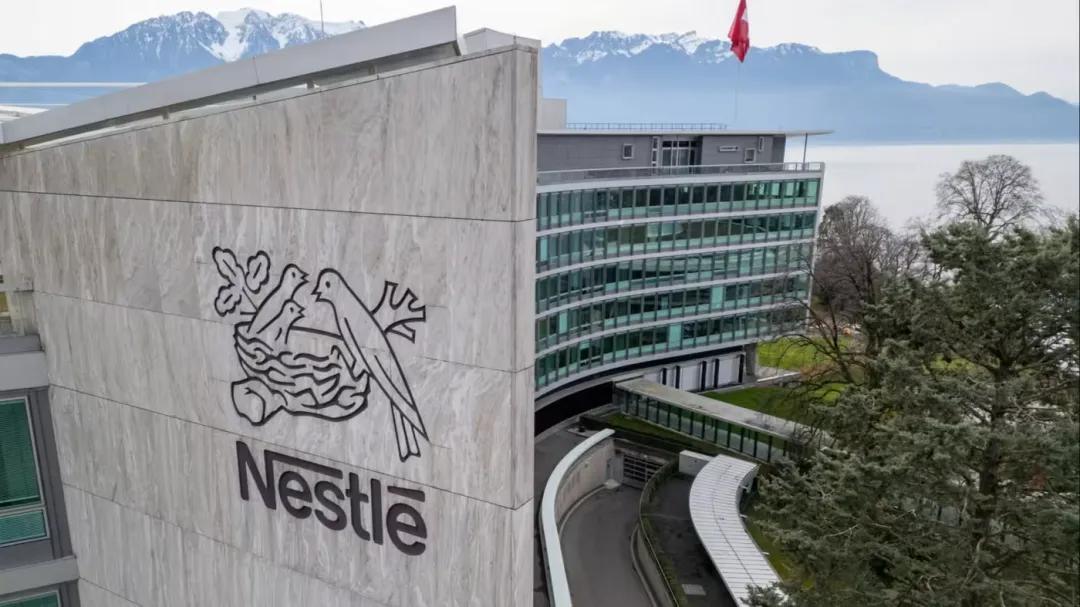
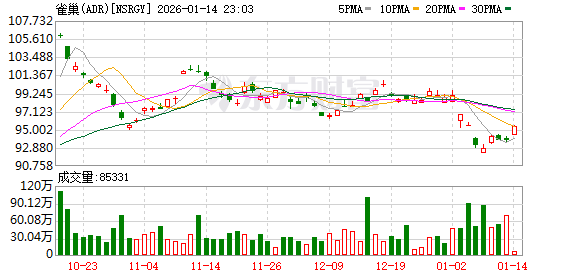
Core Viewpoint - Nestlé's CEO, Philipp Navratil, publicly apologized for a recent infant formula recall, emphasizing the company's commitment to food safety and consumer trust [6][11]. Group 1: Recall Details - The recall was initiated due to quality issues found in an ingredient supplied to a Nestlé factory in the Netherlands, which may contain a harmful toxin [7]. - The recall affects specific batches of infant formula sold in 31 countries, including brands like Nestlé BEBA and Wyeth [7][8]. - In China, 71 batches of infant formula are being recalled, including products sold through cross-border e-commerce [8]. Group 2: Regulatory Response - The Chinese government has expressed significant concern over the recall, urging Nestlé to take responsibility and protect consumer rights [9]. Group 3: Financial Impact - The recalled products account for less than 0.5% of Nestlé's total sales, indicating that the overall financial impact may not be substantial [12]. - However, Jefferies estimates potential sales losses of approximately 1.2 billion Swiss francs, representing about 1.3% of the company's annual sales [12]. Group 4: Market Context - Nestlé faces growth challenges, particularly in the Greater China region, where the infant nutrition segment is one of the few growth drivers [13]. - The competitive landscape in China's infant formula market is intensifying, with local brands increasing their market presence [13].


雀巢“渡劫”?惠氏中国员工批量“毕业”震荡未平,婴配粉又陷全球召回危机
3 6 Ke· 2026-01-08 04:17
Core Viewpoint - Nestlé is currently facing a dual crisis involving a global recall of infant formula products due to quality issues with raw materials and internal restructuring challenges following the merger of its Wyeth and infant nutrition businesses in China [1][10][16]. Internal Challenges - The merger of Wyeth and Nestlé's infant nutrition business in China has led to significant personnel optimization, with reports of a 30%-50% reduction in frontline staff across various provinces [3][4]. - Employees who remain are experiencing management voids and unclear operational processes, leading to difficulties in executing their roles effectively [4][6]. - The restructuring has resulted in a lack of support for sales activities, with many products experiencing price increases and reduced promotional activities, further complicating sales efforts for remaining staff [6][12]. External Crisis - Nestlé has initiated a global recall of multiple batches of infant formula due to potential contamination with a toxin from a supplier's raw material, which poses health risks to infants [10][12]. - The recall has expanded to include products sold through cross-border e-commerce channels in China, with significant consumer concern leading to the formation of advocacy groups for product returns [10][11]. - Despite the recall being labeled as a preventive measure, the potential impact on brand trust, especially in the sensitive infant nutrition market, is significant [12][16]. Market Context - The merger and subsequent challenges come at a time when Nestlé's performance in the Greater China region has been under pressure, with an organic growth rate of -6.1% reported for the first three quarters of 2025 [16]. - The global strategy includes a plan to lay off approximately 16,000 employees, representing 6% of the workforce, aimed at optimizing cost structures and accelerating transformation [16].
雀巢召回部分婴幼儿配方奶粉
第一财经· 2026-01-07 16:05
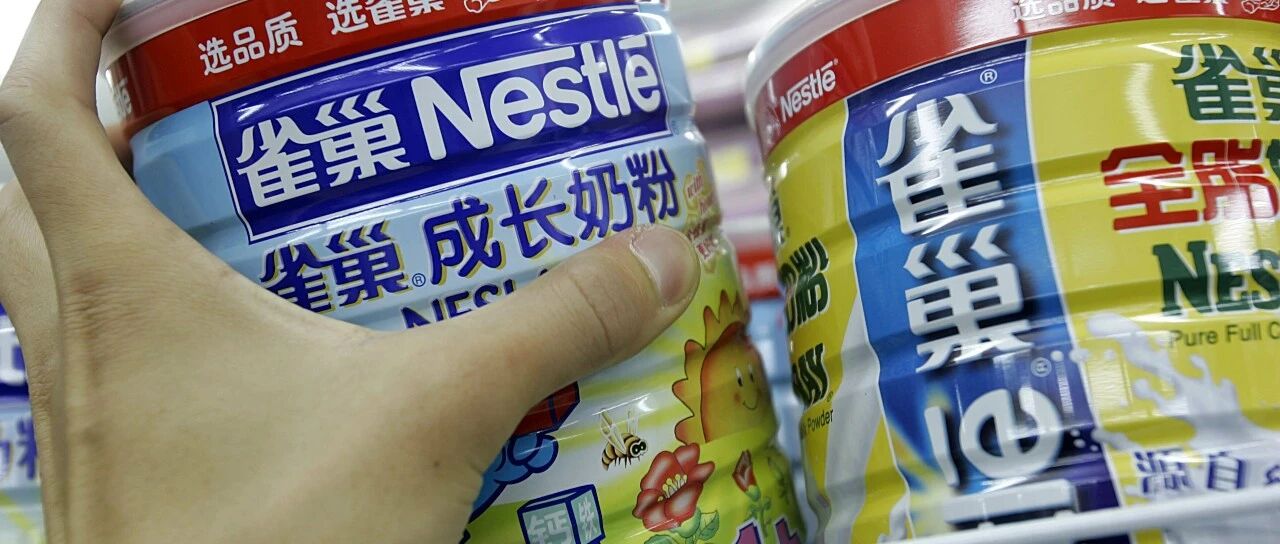
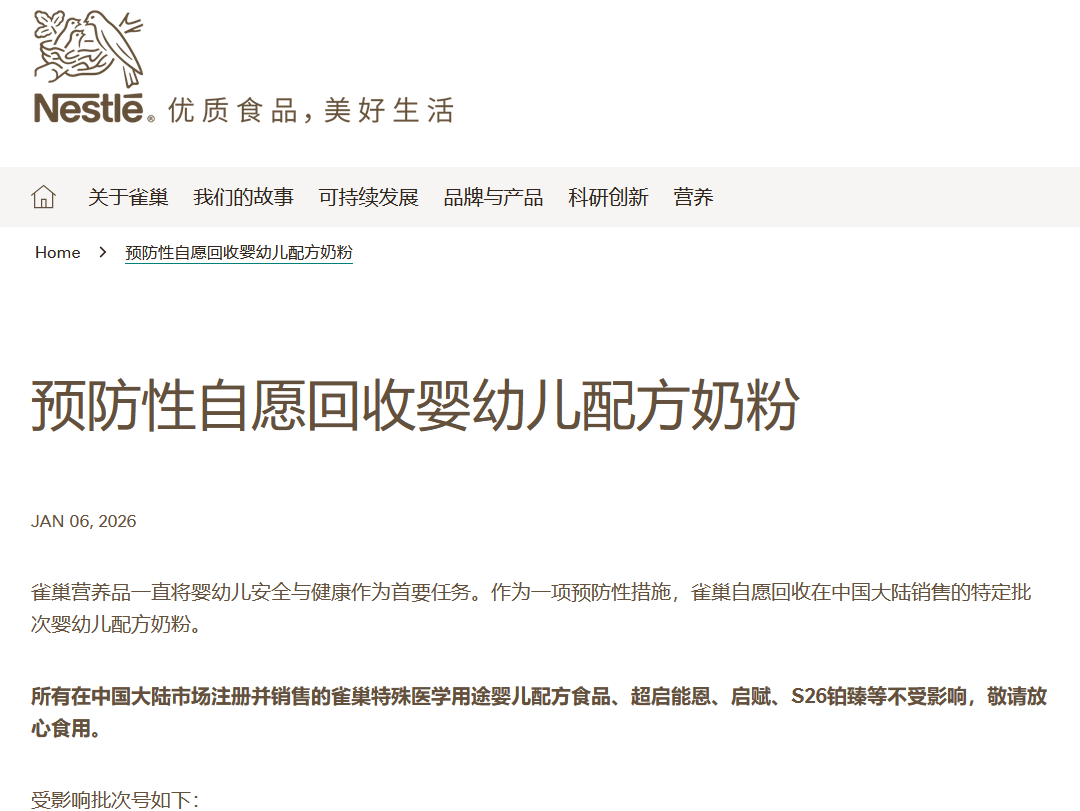
Core Viewpoint - Nestlé has initiated a voluntary recall of certain batches of infant formula in multiple European countries due to quality issues identified in a supplier's raw material, which may contain cereulide toxin, a substance that can cause gastrointestinal problems [2][3]. Group 1: Recall Announcement - On January 5, Nestlé announced the recall in the UK, Germany, France, and Ireland, citing quality issues with a supplier's raw material [2]. - The following day, Nestlé China announced a voluntary recall of specific batches of infant formula sold in mainland China as a precautionary measure [2]. - Nestlé China confirmed that only a small number of products might be affected and emphasized that all other registered products in the mainland market remain safe for consumption [2][3]. Group 2: Product Details - The recall in Europe involves different brand names across countries, such as BEBA and ALFAMINO in Germany, and SMA in the UK [3]. - In China, the recall includes 30 batches of products under the brands of力多精, 能恩, and 惠氏, all with expiration dates extending to 2027 [3]. - Nestlé has stated that no illnesses or symptoms related to the consumption of the affected products have been confirmed to date [3].
雀巢在欧洲多国召回部分批次奶粉,中国市场少数产品或受影响
Nan Fang Du Shi Bao· 2026-01-07 07:07
Core Viewpoint - Nestlé has initiated a voluntary recall of certain batches of infant formula in multiple European countries and China due to quality issues identified in a supplier's raw material, which may contain a bacterial toxin that can cause digestive problems [1][2]. Group 1: Recall Details - The recall affects specific batches of infant formula sold in the UK, Germany, France, and Ireland, with Nestlé confirming that the issue stems from a supplier's ingredient potentially containing cereulide toxin [1][2]. - In China, Nestlé announced the recall of 30 batches of products, including brands like 力多精, 能恩, and 惠氏, all with expiration dates extending to 2027 [2][5]. - The affected products in China include various stages of infant formula, with specific batch numbers listed for consumer reference [5][6]. Group 2: Safety Measures - Nestlé has stated that, despite the low levels of the detected toxin, the recall is a precautionary measure, and no illnesses related to the affected products have been reported to date [2][3]. - The company emphasizes that all other products and batches not included in the recall are safe for consumption, reinforcing their commitment to product quality and safety management [2][3].
雀巢中国婴配粉业务新架构:以谢国耀为中心
2 1 Shi Ji Jing Ji Bao Dao· 2026-01-07 02:54
Core Insights - Nestlé China has announced the merger of its Wyeth Nutrition and Nestlé Infant Nutrition businesses, effective January 1, 2026, to form a new Nestlé Nutrition business unit [1][2] - The restructuring aims to combine the strong brand influence of Wyeth's Enfa and S-26 with Nestlé's advantages in industry and channels for sustainable growth in a competitive market [2] Company Structure - The new leadership structure for the integrated infant nutrition business will be divided into three main functional areas: market development, sales and operations, and enabling functions [1] - Market development will have two independent teams responsible for the Enfa and Gerber brands from Nestlé and the Enfa and S-26 brands from Wyeth, led by Xu Zhen and Wang Ying respectively [1] Market Conditions - The infant formula market is facing challenges, with a growth rate of only 0.6% in Q2 2025, and a decline in marriage registrations in China by over 20% in 2024, indicating a decrease in newborns [3] - Market differentiation is intensifying, with leading companies like Yili, New Dihua, and FrieslandCampina expanding, while brands like Feihe are experiencing market share declines [4] Strategic Implications - The merger is expected to reduce internal redundancies and create synergies, which is crucial in a highly competitive market [5] - The infant nutrition business is seen as a cornerstone for Nestlé's performance in Greater China, especially as the region's organic growth rate was reported at -10.4% in Q3, continuing a downward trend from Q2 [5]
雀巢为什么要换帅?集团高层首次回应
3 6 Ke· 2025-09-05 00:18
Group 1: CEO Succession and Management Changes - The CEO Laurent Freixe was dismissed due to internal reports of inappropriate favoritism and a romantic relationship with an employee, leading to an internal investigation by the board [3][4] - Philipp Navratil was appointed as the new CEO, with the board believing he could bring a fresh perspective and accelerate transformation within the company [4][6] - The board had previously conducted extensive work on succession planning, considering both internal and external candidates, which allowed for a swift decision in Navratil's appointment [3][4] Group 2: Business Strategy in Greater China - Nestlé is shifting its growth strategy in Greater China from channel distribution to consumer demand-driven sales, while also reducing inventory and adjusting management [7][9] - The company has seen positive performance in its infant nutrition brand, which has successfully captured consumer needs by offering specialized products [9] - The coffee business in China is a focus area, with Nestlé collaborating effectively with Luckin Coffee on product development and innovation [9][10] Group 3: Pricing Strategy and Market Performance - Nestlé is facing pricing pressure due to rising costs of raw materials, particularly in coffee and chocolate, and has implemented price increases of approximately 10% for chocolate and 5% for coffee [12][14] - Despite price increases, the company has maintained strong market performance by increasing marketing investments for the raised price categories [12] - Price elasticity varies by product category, with chocolate showing higher elasticity than coffee, indicating that coffee consumption habits are more resistant to price changes [14]