脐橙酒

Search documents
一颗脐橙的七十亿元“橙”功密码
Xin Hua Wang· 2026-01-14 02:18
Core Insights - The article highlights the technological advancements and collaborative efforts in the orange industry of Xinfeng County, Jiangxi Province, showcasing the transformation from traditional farming to a smart agricultural model [1][2][3]. Group 1: Industry Development - Xinfeng County has developed a total planting area of 285,000 acres for navel oranges, with an annual production exceeding 280,000 tons and a total industrial output value surpassing 7 billion yuan [1]. - The county's navel orange processing output value is expected to exceed 2 billion yuan in 2024, driven by the development of over 30 deep-processing products [2]. Group 2: Technological Integration - Smart agriculture is being implemented with sensors and automated irrigation systems that optimize water and fertilizer usage based on soil data [2]. - The intelligent sorting line in the processing facilities achieves a grading accuracy of 98% through spectral scanning of each fruit [2]. Group 3: Collaborative Models - The county has established a cooperative model involving 165 cooperatives and 8,346 farmers, providing unified services in seedling cultivation, technology, processing, and sales [2][3]. - Farmers like Gu Bin have reported increased incomes of around 200,000 yuan annually due to partnerships with companies that provide technical support and market access [3]. Group 4: Policy Support and Training - The county allocates 50 million yuan annually for targeted support in key areas of industry development, including subsidies for disease-resistant seedlings and new pesticide systems [3]. - Training programs for over 20,000 farmers each year are conducted to enhance skills and encourage innovation in farming practices [4]. Group 5: Marketing and Global Reach - Xinfeng County has launched a global recruitment initiative for marketing representatives, with a total funding of 3 million yuan to promote navel oranges [5][6]. - The county's navel oranges are not only sold domestically but also exported to markets in Singapore, Vietnam, and the European Union, with a projected 25% increase in export volume in 2024 [6]. Group 6: Future Goals - The "Fifteen-Five" plan aims to achieve a comprehensive output value exceeding 10 billion yuan by 2030, with over 15% of the output being exported and an average income for farmers exceeding 100,000 yuan [6].
便捷物流助力“丰收季”农产品“鲜”海外 小脐橙成为乡村振兴“黄金果”
Yang Shi Wang· 2025-12-19 03:41
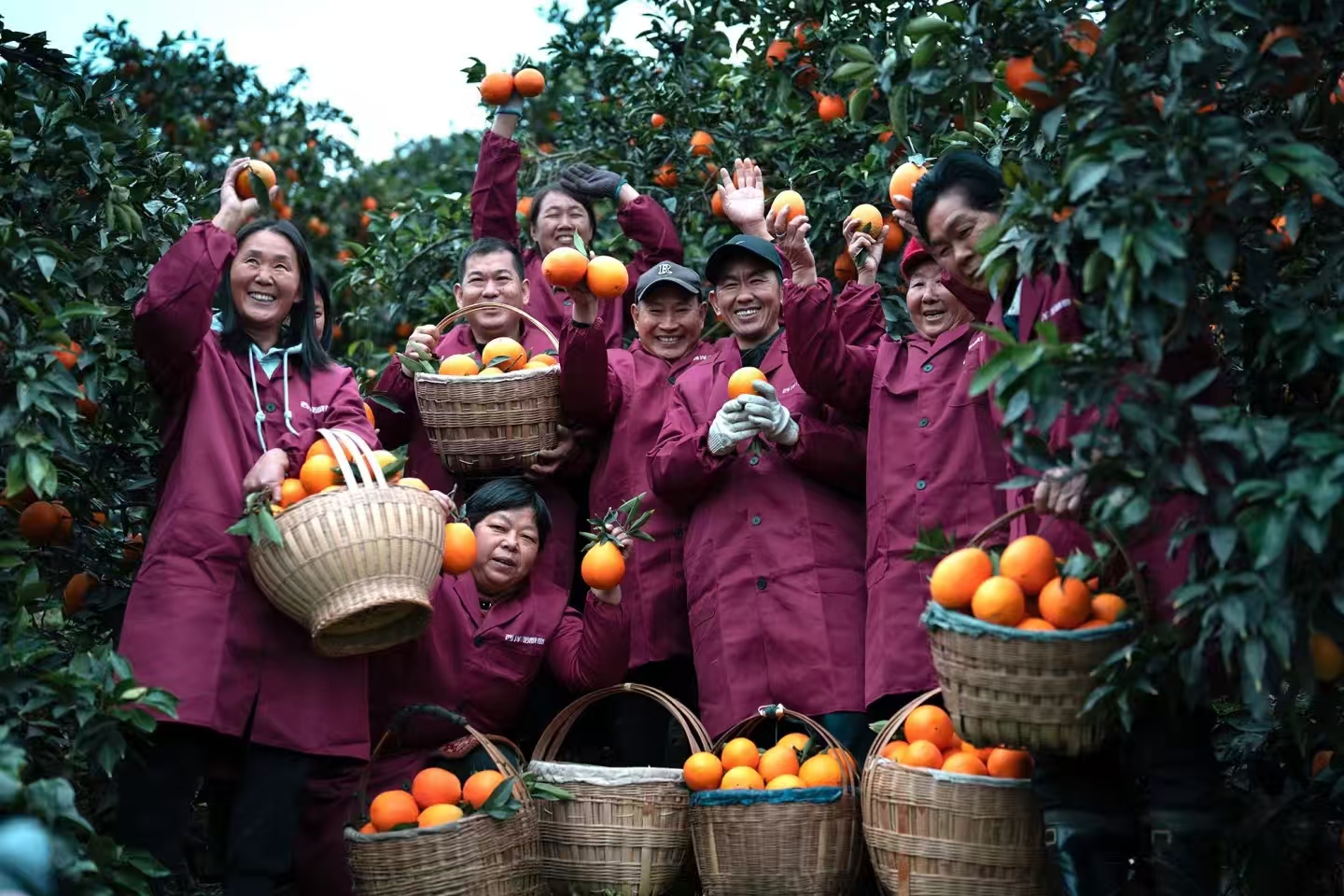
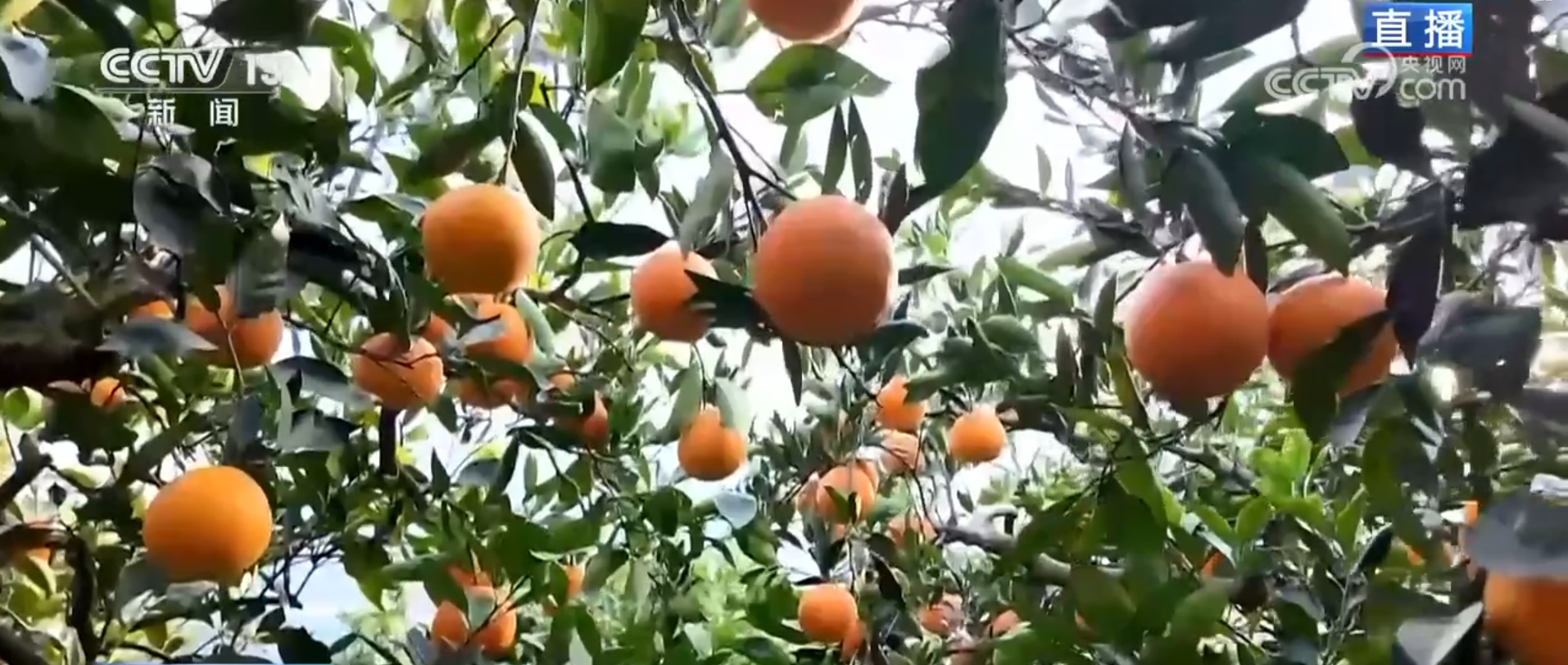
Core Viewpoint - The article highlights the successful harvesting and distribution of high-quality Fengjie navel oranges in Chongqing, emphasizing their unique geographical advantages, innovative green farming techniques, and efficient transportation methods that enhance market reach both domestically and internationally [1][3][10]. Group 1: Quality and Production - Fengjie navel oranges benefit from unique geographical conditions, with minimal winter frost due to the Three Gorges Reservoir, allowing the fruit to mature on trees for up to 8 months [3]. - The quality of this year's navel oranges is exceptional, characterized by a solid-acid ratio of 20:1, providing a refreshing taste [5]. - The implementation of green farming techniques has significantly reduced pesticide use, achieving nearly zero pesticide residue, with an 85% rate of premium fruit [7]. Group 2: Transportation and Distribution - Efficient transportation methods include the use of mountain rail cars and over 200 drones, which can each transport 40,000 pounds of oranges daily, improving efficiency by over 50% and reducing costs by one-third [8]. - The establishment of the "Thousand-Mile Light Boat" shipping route allows for direct transport of oranges to various ports along the Yangtze River, reducing overall costs by approximately 20% [10]. - The integrated transportation system enables oranges to reach consumers within 72 hours, with exports to nearly 20 countries and regions, including signed orders for 18,000 tons with Singapore and Kazakhstan [10]. Group 3: Industry Development - The local industry is expanding by developing over 30 specialty products such as orange wine and orange paste, and creating new business models like agritourism and fruit picking [11]. - The navel orange industry has contributed to the economic uplift of local villages, with two villages achieving over 100 million yuan in output [11].


中国农业从“产品出口”转向“体系出海”
Xin Hua Wang· 2025-10-20 08:37
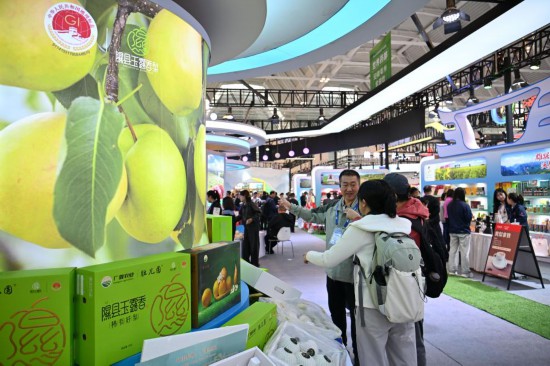
Group 1 - The core viewpoint of the articles highlights the transformation of Chinese agriculture from "product export" to "system export," emphasizing the importance of branding, high-end products, and comprehensive agricultural service systems [2][6][7] - Chinese agricultural exports are increasingly focusing on high-value products, with companies like Xinfeng Zhengda Agricultural Development Co., Ltd. successfully exporting processed products such as navel orange wine and tea to multiple countries [2] - The export of agricultural machinery and components has shown strong growth, with a total import and export value of $9.98 billion in the first half of the year, marking a 21.5% year-on-year increase [4] Group 2 - The agricultural sector is not only expanding internationally but also deepening domestic cooperation, as evidenced by the "Tianjin-Guangdong-Guangxi Deepening Inter-Provincial Cooperation Initiative" aimed at promoting regional agricultural development [6] - Companies are integrating advanced technologies such as IoT, big data, and AI into agriculture, exemplified by the efforts of Nongxin Digital Group to create a data-driven global smart agriculture service platform [6] - The future of agricultural exports is expected to exceed current expectations in terms of application scenarios and value creation, indicating a significant potential for growth and innovation in the sector [7]

从“煤城”到“橙都”,重庆奉节探索生态经济新路径
第一财经· 2025-08-14 06:51
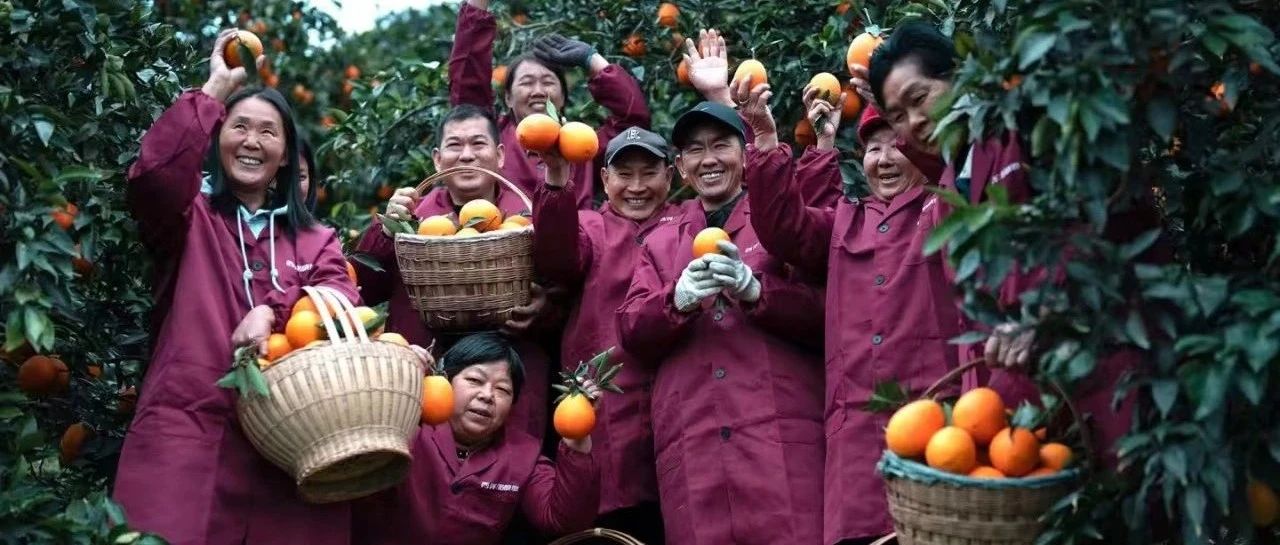
Core Viewpoint - The transformation of Fengjie County from a coal-dependent economy to a thriving agricultural hub centered around high-quality navel oranges demonstrates a successful model of sustainable development and environmental restoration [3][4][5]. Group 1: Economic Transformation - Fengjie County has shifted from coal mining, which once employed 120,000 people, to cultivating 383,000 acres of navel oranges, with a brand value of 38.17 billion yuan [3][4]. - The closure of 217 coal mines led to a significant drop in fiscal revenue by 600 million yuan, prompting the county to explore alternative economic avenues [3][4]. - The village of Daba has become a model for agricultural success, with 12,000 acres of navel oranges generating a total output value of 180 million yuan last year [4][5]. Group 2: Technological Integration - The use of technology in orange farming includes the deployment of drones for pest control and a digital management system that tracks various agricultural processes, resulting in a 35% increase in income compared to traditional methods [5][8]. - Daba village has established a marketing service team that utilizes e-commerce and live streaming, achieving sales of 70 million yuan through 146 live broadcasts in 2024 [7][8]. Group 3: Environmental Impact - The navel orange cultivation has significantly reduced soil erosion, with the county reporting a decrease of over 100,000 tons of soil loss since the start of large-scale orange farming [9]. - The county has invested 4.5 billion yuan in ecological restoration and has rejected 27 high-pollution projects to maintain environmental integrity [9]. Group 4: Tourism Development - The integration of agriculture and tourism has led to the establishment of a demonstration park in Daba village, attracting 25,000 visitors annually and generating 2 million yuan in tourism revenue [9]. - The county's tourism sector has seen substantial growth, with 38 million visitors last year contributing to a total tourism revenue of 21.88 billion yuan [9].
从“煤城”到“橙都”,重庆奉节探索生态经济新路径|活力中国调研行
Di Yi Cai Jing· 2025-08-13 07:33
Core Insights - The brand value of "Fengjie navel orange" has reached 38.17 billion yuan, with a cumulative reduction of over 100,000 tons of soil erosion [1] Group 1: Environmental Transformation - Fengjie County has closed 217 coal mines, officially exiting the coal production market, and has implemented integrated management of mountains, rivers, forests, fields, lakes, grass, and sand [1] - The area of soil erosion management has reached 397.89 square kilometers, and the forest coverage rate has increased to 69.49% [1] Group 2: Economic Development - In Daba Village, 12,000 acres of navel oranges produced a total output value of 180 million yuan last year, making it a national characteristic industry village with over 100 million yuan in output [2] - Former coal miners have transitioned to orange farmers, with per capita disposable income reaching 25,777 yuan, a year-on-year increase of 7.8% [2] Group 3: Technological Integration - Daba Village has established a standardized e-commerce live streaming base, with online sales accounting for 40% of total orange sales, achieving a sales volume of 70 million yuan [4] - The village has also developed a fruit tree order recognition sales model, with 16,734 orders and 4,000 tons of oranges subscribed [4] Group 4: Sustainable Practices - The implementation of a "six-in-one" green planting and management standard has led to a reduction of 1,000 liters of pesticide and over 300 tons of fertilizer annually, while increasing the quality rate of premium fruits to 85% [5] - The development of over 30 products, including orange wine and essential oil, is enhancing the value chain of Fengjie navel oranges [5] Group 5: Tourism and Revenue - Daba Village has become a popular tourist destination, with an average of 25,000 visitors annually and a tourism revenue of 2 million yuan [5] - The county has received 38 million tourists annually, generating a total tourism revenue of 21.88 billion yuan last year [5]