腰部按摩器

Search documents
年收入超10亿!深圳大卖再次冲刺上市
Sou Hu Cai Jing· 2026-01-13 15:33
Core Viewpoint - Future Wearable Technology Co., Ltd. (referred to as "the company") is making its third attempt to go public, this time targeting the Hong Kong stock market after previous attempts on the Shenzhen and Beijing exchanges. The company aims to leverage its strong brand in health and wellness to secure capital investment [1][3]. Financial Performance - The company reported revenues of 9.04 billion yuan in 2022, projected to reach 10.45 billion yuan in 2024, with a return on equity of 18.4% [1][4]. - For the first three quarters of 2025, the company achieved revenues of 8.78 billion yuan, reflecting a year-on-year growth of 16.22%, and a net profit of 1.06 billion yuan, up 24.92% [4][8]. - The gross profit margin for the company was reported at 49.43% in 2022, with a slight increase to 49.72% in 2023 [5]. Market Position - According to a report by Frost & Sullivan, the company holds a 21.5% market share in China's smart wearable device market, ranking first among domestic companies, and a global market share of 4.1% [6]. - The company has filed for over 2007 patents and invested 42.02 million yuan in R&D in the first half of 2024, receiving multiple international design awards [6]. Challenges and Concerns - The company's core revenue-generating segment, smart wearable devices, saw only a 0.2% increase in revenue for the first three quarters of 2025, with a significant decline of 18.41% in its waist comfort products in 2024 [8][10]. - The company declared dividends of 1.99 billion yuan, exceeding its net profit of 1.06 billion yuan for the same period, resulting in a dividend payout ratio of 187.74%, raising concerns about its cash management [10][20]. - Marketing expenses for overseas expansion have significantly outpaced revenue growth, with overseas revenue at only 28.54 million yuan in the first half of 2024, while marketing costs reached 118 million yuan [14][20]. Strategic Initiatives - The company is focusing on international expansion as a key growth strategy, having previously faced challenges in entering overseas markets. It has signed a strategic investment cooperation agreement with Morgan Stanley to accelerate its global presence [10][20]. - The company is replicating its domestic marketing strategies on platforms like Amazon and Walmart, offering substantial discounts during promotional events [10][13].

赴港上市前 网红按摩仪SKG母公司玩起了“左手举债右手分红”
Xin Jing Bao· 2025-12-24 05:56
Core Viewpoint - Future Health, the parent company of the popular massage device brand SKG, is attempting to enter the capital market through the Hong Kong Stock Exchange after two failed attempts to list on the A-share market. The company has shown steady profit growth over the past three years, with a gross margin of around 50%, significantly higher than typical home appliances. However, concerns arise from its heavy reliance on marketing over research and development, as well as its financial practices of high dividends alongside increasing debt [1][2]. Group 1: Company Performance and Financials - Future Health was established in November 2007 and has made multiple attempts to list on the A-share market, including a withdrawal of its application in August 2023. The company plans to list on the North Exchange after being delisted from the New Third Board in November 2023 [2]. - The company reported revenues of 904 million yuan, 1.046 billion yuan, and 1.045 billion yuan for the years 2022, 2023, and 2024 respectively, with net profits of 119 million yuan, 127 million yuan, and 135 million yuan for the same years. In the first nine months of 2025, it achieved revenue of 878 million yuan and a net profit of 106 million yuan [2]. - Future Health's gross margins for 2022, 2023, and 2024 were 50.4%, 49.1%, and 48.9% respectively, indicating strong profitability compared to other appliance categories [5]. Group 2: Marketing and R&D Strategy - The company has increasingly focused on marketing, with marketing expenses rising to 22.6% of total revenue by 2025, while R&D spending has decreased to 6.6% of revenue [1][7]. - Future Health's marketing strategy includes partnerships with celebrities and influencers, utilizing platforms like Douyin and Xiaohongshu to enhance user engagement and brand loyalty [6][8]. Group 3: Financial Practices and Governance - Prior to its IPO, Future Health distributed a total of 280 million yuan in dividends, which accounted for 74% of its net profit during that period. This included a significant dividend payout of 199.4 million yuan in the first nine months of 2025 [8]. - The company's debt increased from 94 million yuan at the end of 2022 to 204 million yuan by September 2025, raising concerns about its financial management practices, particularly the juxtaposition of high dividends and rising debt [8].
赴港上市前,网红按摩仪SKG母公司玩起了“左手举债右手分红”
Xin Jing Bao· 2025-12-24 05:39
Core Viewpoint - The company Future Health is attempting to go public on the Hong Kong Stock Exchange after unsuccessful attempts to list on the A-share market, highlighting concerns over its marketing-heavy strategy and low R&D investment [1][2]. Group 1: Company Performance - Future Health has shown steady net profit growth over the past three years, with high gross margins around 50%, significantly exceeding typical household appliance margins [1][5]. - The company's revenue for 2022, 2023, and 2024 is reported at 904 million, 1.046 billion, and 1.045 billion respectively, with net profits of 119 million, 127 million, and 135 million [2]. - In the first nine months of 2025, the company achieved a revenue of 878 million and a net profit of 106 million [2]. Group 2: Marketing and R&D Strategy - Future Health's marketing expenses have increased, accounting for 22.6% of revenue, while R&D investment has decreased to 6.6% [1][7]. - The company relies heavily on online sales channels, which contributed 60.2% of its revenue in 2022, decreasing to 49.3% by 2025 [6]. - The company employs various marketing strategies, including celebrity endorsements and social media engagement, with marketing expenses rising from 1.64 billion in 2022 to 1.98 billion in the first nine months of 2025 [6][7]. Group 3: Financial Practices and Concerns - Future Health has distributed a total of 280 million in dividends prior to its IPO, raising concerns about its financial practices, especially as it simultaneously increased its debt from 94 million to 204 million [8]. - The company's ownership structure is heavily concentrated, with the founders controlling over 85% of the voting rights, leading to questions about governance and financial transparency [8]. Group 4: Industry Context - The wearable health device market in China is projected to grow from 30.9 billion in 2019 to 61.5 billion by 2024, with a compound annual growth rate of 15.9% expected from 2024 to 2029 [3]. - Future Health is positioned as a leader in the smart wearable health device sector, holding a 21.5% market share in 2024 [2]. - The competitive landscape is characterized by a focus on technology and market segmentation, with leading companies holding over 25% of the market share [4].
股东福利再升级!从门票到预制菜,上市公司花式宠粉正流行
Sou Hu Cai Jing· 2025-12-04 17:23
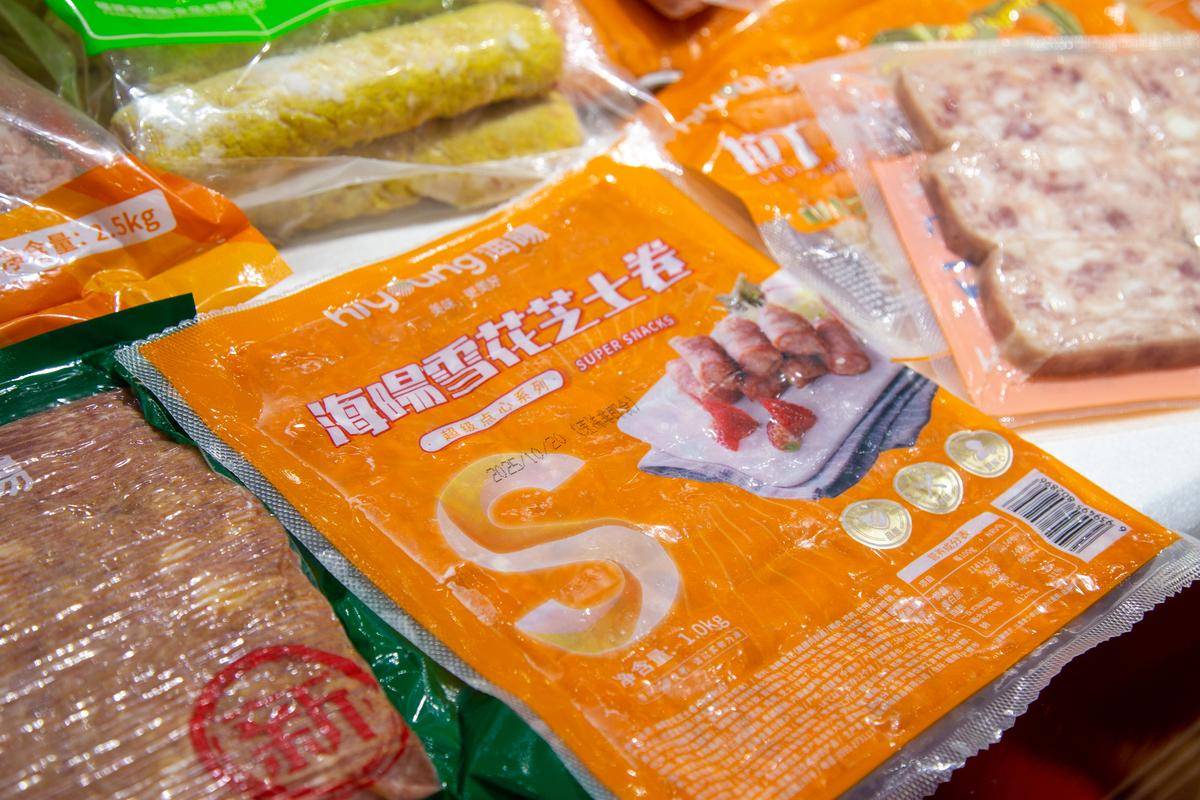
Core Insights - A new trend in the A-share market is emerging where companies are offering "physical dividends" to shareholders, enhancing the shareholder experience beyond traditional cash dividends and stock price appreciation [3][4][10] Group 1: New Trends in Investor Relations - The A-share market is witnessing a transformation in investor relations management, shifting from cash dividends to product-based rewards for shareholders [3] - Companies like Emei Mountain A and Qianwei Yangchun are leading this trend, with Emei Mountain A offering free admission to shareholders holding over 500 shares, and Qianwei Yangchun providing product gift packages worth 200 yuan to shareholders holding over 100 shares [3][4] Group 2: Strategic Considerations Behind Physical Dividends - The trend of physical rewards is not merely about providing benefits; it represents an upgrade in investor relations management to brand experience marketing, creating a low-cost yet innovative approach [4][5] - For tourism companies, offering free admission and discounts can lead to significant secondary consumption, enhancing overall revenue [4][10] Group 3: Industry-Specific Approaches to Shareholder Engagement - Different industries are adopting unique strategies to engage shareholders: - In the tourism sector, Emei Mountain A offers comprehensive benefits including free tickets and discounts on various services [7][10] - In the food industry, Qianwei Yangchun provides product gift packages, while other companies like Wufangzhai and Zhongjing Foods also offer food gifts without strict holding requirements [7][8] Group 4: Case Study of Qianwei Yangchun - Qianwei Yangchun's shareholder reward strategy aligns with its broader market expansion goals, allowing shareholders to experience products directly and potentially become loyal customers [8][9] - The company is strategically timing its rewards to coincide with its efforts to penetrate the consumer market [8] Group 5: Emei Mountain A's Unique Offerings - Emei Mountain A's rewards program is designed to counteract a 7.9% decline in visitor numbers, showcasing an innovative approach to attract more visitors [10] - The program includes not just free admission but also discounts for family members, creating a holistic consumer experience [10] Group 6: Balancing Aspirations and Realities - While the trend of physical dividends is gaining traction, companies must ensure product quality and sustainability of these initiatives to avoid damaging their reputation [13][15] - Market reactions to these initiatives can lead to short-term stock price increases, but without solid performance fundamentals, there may be risks of price corrections [15]

买峨眉山股票送门票送温泉体验 股东后续舍不得卖票才是真的成功
Mei Ri Jing Ji Xin Wen· 2025-12-03 13:20
Core Viewpoint - Emei Mountain A has announced a shareholder reward program that offers various benefits, including free tickets and discounts, which has positively impacted its stock price and market perception [1][2]. Group 1: Shareholder Benefits - From December 1, 2025, to January 31, 2026, shareholders holding 500 shares or more will receive free access to scenic spots, cable cars, and hot springs, along with discounts for family members [1]. - The stock price surged to its limit on December 1, indicating strong market approval of the reward program [1]. - The cost of acquiring 500 shares is approximately 6,435 yuan, with the benefits translating to at least a 3% return over two months, appealing to small investors [1]. Group 2: Cost Efficiency of the Program - The reward program is cost-effective for Emei Mountain A due to the low marginal cost associated with additional visitors, as the fixed costs of operations do not significantly increase with more guests [2]. - The free benefits are seen as an efficient use of "idle capacity," which can lead to increased revenue through secondary spending by shareholders and their families [2]. Group 3: Broader Market Trends - Shareholder reward activities have become common in the A-share market, with other companies also offering various incentives to engage their shareholders [2]. - These activities aim to transform shareholders into consumers of the company's products and services, enhancing market visibility and potentially driving revenue growth [3]. Group 4: Long-term Relationship Building - The goal of shareholder reward programs should extend beyond short-term stock price boosts to fostering a long-term relationship between the company and its investors [3][4]. - By allowing shareholders to experience the company's offerings, it can lead to a better understanding of the business model and create a stable trust relationship, encouraging long-term investment [3].
买股票送门票送温泉,股东体验后舍不得卖票才是真的成功
Mei Ri Jing Ji Xin Wen· 2025-12-02 09:44
Core Viewpoint - Emei Mountain A announced a shareholder reward program offering free benefits such as tickets and discounts for shareholders holding 500 shares or more, which has positively impacted its stock price, demonstrating a strong market response to the initiative [1][2]. Group 1: Shareholder Benefits - From December 1, 2025, to January 31, 2026, shareholders with 500 or more shares will receive free access to various attractions and discounts for family members, enhancing the appeal of the investment [1]. - The stock price surged to a limit up on the first trading day after the announcement, indicating strong market approval and investor interest in the reward program [1]. Group 2: Cost Management - The reward program is cost-effective for Emei Mountain A, as the marginal cost of accommodating additional visitors is nearly zero due to fixed operational costs, allowing for efficient utilization of idle capacity [2]. - The initiative is expected to drive additional revenue through secondary spending by shareholders and their families, rather than negatively impacting profits [2]. Group 3: Market Trends - Shareholder reward activities have become common in the A-share market, with other companies also offering various incentives to engage shareholders and enhance brand loyalty [2]. - These activities serve as a means of market management, transforming shareholders into customers and potentially increasing revenue [2]. Group 4: Long-term Relationship Building - Engaging shareholders through product and service experiences fosters a deeper understanding of the company's value proposition, leading to more informed investment decisions and a stable trust relationship [3]. - The ultimate goal of such initiatives should be to convey company value and ensure long-term shareholder retention, rather than merely boosting short-term stock prices [3][4].

每经热评 | 买股票送门票送温泉 股东体验后舍不得卖票才是真的成功
Mei Ri Jing Ji Xin Wen· 2025-12-02 08:51
Core Viewpoint - Emei Mountain A announced a shareholder reward program offering free benefits such as tickets and discounts for family members, which led to a significant increase in stock price, indicating strong market approval of the initiative [2][3]. Group 1: Shareholder Benefits - From December 1, 2025, to January 31, 2026, shareholders holding 500 shares or more will receive various free benefits, including tickets and discounts on services [2]. - The stock price surged to a limit up on the first trading day after the announcement, reflecting investor enthusiasm for the reward program [2]. Group 2: Cost Efficiency - The reward program is cost-effective for Emei Mountain A, as the marginal cost of accommodating additional visitors is nearly zero due to fixed operational costs [3]. - The free benefits are seen as an efficient use of "idle capacity," which can potentially increase revenue through additional spending by shareholders and their families [3]. Group 3: Market Trends - Shareholder reward activities have become common in the A-share market, with other companies also offering various incentives to engage shareholders [3]. - These activities aim to transform shareholders into consumers of the company's products and services, enhancing market visibility and driving revenue growth [4]. Group 4: Long-term Relationship Building - The primary goal of shareholder reward programs should be to convey company value and foster long-term relationships with investors, rather than merely boosting short-term stock prices [4][5]. - By allowing shareholders to experience the company's offerings, a more stable and trusting relationship can be established, promoting value and long-term investment [4][5]. Group 5: Strategic Implementation - Companies should leverage these opportunities to showcase their products and services while actively collecting shareholder feedback [5]. - The ultimate aim of these activities is to create a closed loop of operational improvement, market value growth, and enhanced governance [5].

A股上市公司纷纷实物回馈股东 创新互动模式激活资本市场生态
Zheng Quan Shi Bao Wang· 2025-10-21 03:50
Core Insights - The article highlights the increasing trend of A-share listed companies in China engaging in physical rewards for shareholders, enhancing investor relations and creating a unique investment-consumption ecosystem [1][4]. Group 1: Company Activities - Over 30 listed companies have participated in shareholder reward activities since 2025, offering products, discount coupons, and tourism rights to investors [1][4]. - Companies like Tianyu Bio, Huasheng Co., and Beiqing Song have announced various forms of physical rewards, aiming to deepen shareholder experience with core products and strengthen their value recognition [2][3]. - The second "Listed Company Shareholder Festival" organized by Tonghuashun attracted nearly 100 companies, providing a wide range of gifts including electronics, food, and cosmetics to shareholders [3]. Group 2: Policy and Market Trends - The trend of physical rewards aligns with the China Securities Regulatory Commission's policy to enhance investor protection and improve returns for shareholders [4]. - The increasing participation of companies in physical reward activities indicates a shift from individual cases to a systematic approach in investor relations management [4]. - The practice of physical rewards is expected to become a significant indicator of corporate governance and market competitiveness in the future [4].