
眼部按摩仪

Search documents
视界舒缓力:从缓解疲劳到主动护眼,眼部按摩仪的科技跃迁与需求共振
未知机构· 2026-03-30 07:55
Investment Rating - The report indicates a positive investment outlook for the eye massager industry, driven by increasing health awareness and technological innovations [3][16]. Core Insights - The eye massager industry is experiencing significant growth due to rising health demands, technological advancements, and an aging population, alongside a younger demographic facing increased eye strain from electronic device usage [3][16][20]. - The market is projected to expand from 6.95 billion in 2019 to 29 billion by 2024, with further growth expected to reach 58 billion by 2028 [43][44]. Industry Definition - Eye massagers are devices designed to relax and care for the eyes through physical, electronic, or massage techniques, aimed at alleviating eye fatigue and improving vision [4][16]. Industry Characteristics - Health demand is a primary driver, with increasing screen time leading to widespread eye fatigue issues [17]. - Continuous technological innovation is enhancing product value, with features like precise massage algorithms and smart temperature control [18]. - The market potential is vast, particularly among middle-aged and elderly consumers, as well as younger individuals facing eye strain [19][20]. Development History - The industry has evolved through exploration, growth, and maturity phases, with significant advancements in technology and consumer awareness [21][23]. Industry Chain Analysis - The industry chain includes upstream raw material supply, midstream manufacturing, and downstream sales channels, with key components like MCU chips and lithium batteries significantly impacting production costs [28][29][33]. Market Competition Landscape - The competitive landscape is characterized by a mix of established brands like Beilingsong and emerging players, with a trend towards technological differentiation and brand concentration [54][55][56]. - The market is witnessing a shift towards high-end products driven by technological upgrades, while smaller companies struggle with low-end competition [57][59]. Market Size and Growth Drivers - The eye massager market is expanding due to increased health awareness and the growing prevalence of eye-related issues among various demographics [41][47][48]. - The demand for eye massagers is particularly strong among young consumers and the elderly, driven by lifestyle changes and health management needs [47][48].


视界舒缓力:从缓解疲劳到主动护眼,眼部按摩仪的科技跃迁与需求共振,头豹词条报告系列
Tou Bao Yan Jiu Yuan· 2026-03-19 12:36
Investment Rating - The report indicates a positive investment outlook for the eye massager industry, highlighting its potential for growth driven by increasing health awareness and technological innovation [4]. Core Insights - The eye massager industry is experiencing significant growth due to rising health demands, technological advancements, and an aging population, alongside increased screen time among younger demographics [4][17][21]. - The market is projected to expand from 6.95 billion in 2019 to 29 billion by 2024, with further growth expected to reach 58 billion by 2028 [44]. Industry Definition - Eye massagers are devices designed to relax and care for the eyes through physical, electronic, or massage techniques, aimed at alleviating eye fatigue and improving vision [5][6]. Market Characteristics - Health demand is a primary driver, with increasing screen time leading to widespread eye fatigue issues [18]. - Continuous technological innovation is evident, with advancements in massage algorithms and smart temperature control enhancing product value [19]. - The market shows immense potential, particularly among middle-aged and elderly consumers, as well as those with high screen exposure [20][21]. Development History - The industry has evolved through exploration, growth, and maturity phases, with significant advancements in product functionality and market recognition over the years [22][24]. Industry Chain Analysis - The industry chain includes upstream raw material supply, midstream manufacturing, and downstream sales channels, with key components like MCU chips and lithium batteries significantly impacting manufacturing costs [29][30]. - Chinese brands are expanding both domestically and internationally, with varying degrees of success in overseas markets [31][38]. Competitive Landscape - The market is characterized by intense competition, with leading brands like倍轻松 and 奥佳华 dominating, while smaller companies struggle with low-end competition [55][57]. - The competitive dynamics are shifting towards technology-driven and brand-centric strategies, with a focus on product differentiation and innovation [58]. Market Demand and Trends - The demand for eye massagers is primarily driven by individuals experiencing eye fatigue from prolonged electronic device usage, with a notable increase in awareness regarding eye health [42]. - Marketing strategies, including celebrity endorsements and participation in popular media, have become crucial for enhancing brand visibility and sales [43]. Market Size and Growth Projections - The eye massager market is expected to grow significantly, driven by health consciousness and the increasing prevalence of eye-related issues among younger populations [48][49].
视界舒缓力——从缓解疲劳到主动护眼,眼部按摩仪的科技跃迁与需求共振 头豹词条报告系列
Tou Bao Yan Jiu Yuan· 2026-03-19 12:24
Investment Rating - The report does not explicitly state an investment rating for the eye massager industry Core Insights - The eye massager industry is experiencing significant growth driven by increasing health awareness, technological innovations, and a growing demand for eye care products among aging populations and younger users [4][17][21] - The market potential is substantial, with the industry expected to expand from 6.95 billion in 2019 to 29 billion by 2024, and further to 35 billion by 2025 [44][45] Industry Definition - Eye massagers are devices designed to relax and care for the eyes through physical, electronic, or massage techniques, aimed at alleviating eye fatigue and improving vision [5][6] Industry Characteristics - Health demand is a primary driver, with increasing screen time leading to widespread eye fatigue issues [18] - Continuous technological innovation is a hallmark of the industry, with advancements in massage algorithms and smart temperature control enhancing product value [19] - The market is characterized by significant growth potential, particularly among middle-aged and elderly consumers [20][21] Development History - The industry has evolved through three stages: exploration, growth, and maturity, with the current phase marked by a focus on smart and personalized products [22][24] Industry Chain Analysis - The industry chain includes upstream raw material supply, midstream manufacturing, and downstream sales channels [29] - Key components such as MCU chips and lithium batteries significantly impact manufacturing costs, accounting for over 70% of total costs [30][34] Market Competition Landscape - The market is highly competitive, with leading brands like Beilingsong and Aojiahua dominating, while smaller companies struggle with low-end competition [55][57] - The competition is intensifying, pushing brands to innovate and differentiate their products to capture market share [58] Market Demand Drivers - The demand for eye massagers is primarily driven by prolonged use of electronic devices, leading to increased awareness of eye health [42][45] - The aging population and rising health consciousness among younger consumers are also contributing to market growth [48][49] Future Market Trends - The industry is expected to see a shift towards high-end, smart products as consumer preferences evolve [58] - Brands are increasingly focusing on international markets to diversify risks and enhance growth potential [60]
左手举债右手分红,SKG三闯IPO能摆脱网红品牌的增长魔咒吗?
Sou Hu Cai Jing· 2026-02-14 08:32
Core Viewpoint - SKG, a company specializing in wearable health technology, is making its third attempt to go public by submitting an application to the Hong Kong Stock Exchange after previous failures in the A-share and North Exchange markets. This move is seen as crucial for addressing its financial challenges and transitioning from a popular brand to a technology enterprise [1][4][24]. Financial Performance - SKG's revenue has shown stagnation, with figures of 904 million RMB, 1.046 billion RMB, and 1.045 billion RMB for the years 2022 to 2024, respectively. The revenue for the first three quarters of 2025 was 878 million RMB, reflecting a 16.2% year-on-year growth, but the core business did not experience explosive growth [3][5]. - The net profit attributable to the parent company for 2022, 2023, and 2024 was 119 million RMB, 127 million RMB, and 135 million RMB, respectively, with a net profit of 106 million RMB for the first three quarters of 2025 [7][19]. Business Challenges - SKG faces multiple challenges, including a heavy reliance on its core product, the neck massager, which accounts for 44%-50% of its revenue. The company has seen a decline in revenue from other product categories, such as waist and eye massagers [13][15]. - The company's marketing-heavy approach has led to a significant drop in R&D investment, from 9.1% of revenue in 2022 to 6.6% in 2024, raising concerns about its long-term sustainability as a technology company [12][19]. Governance and Market Perception - The company's governance structure is heavily family-controlled, with over 85% of voting rights held by the founders. This has raised questions about decision-making transparency, especially in light of a controversial dividend payout of 199.4 million RMB, which exceeded the net profit for the period [8][10][19]. - SKG's reliance on a single product and aggressive marketing strategies has led to a decline in product reputation, with over 600 complaints filed against the company for issues such as product defects and misleading advertising [19][23]. Market Position and Future Outlook - Despite its challenges, SKG holds a 21.5% market share in the smart wearable health device sector in China, positioning it as a market leader. However, the company must diversify its product offerings and enhance its R&D capabilities to maintain its competitive edge [3][18]. - The upcoming IPO is seen as a critical opportunity for SKG to alleviate financial pressures and transition into a technology-focused enterprise. Success in this endeavor will depend on addressing governance issues, improving product quality, and expanding its market presence [24].

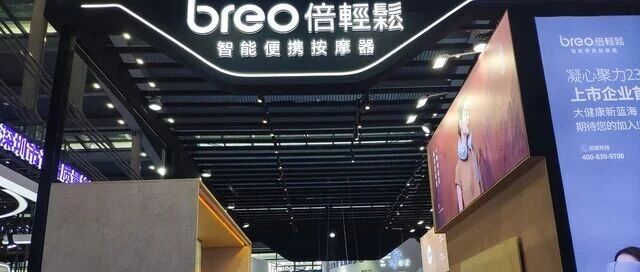
倍轻松实控人马学军遭证监会立案
YOUNG财经 漾财经· 2026-02-09 10:50
Core Viewpoint - The actual controller of Beiliangong, Ma Xuejun, is under investigation by the China Securities Regulatory Commission (CSRC) for suspected market manipulation, marking the second investigation within a month [2][5]. Group 1: Company Background - Beiliangong was established in 2001 and went public on the Sci-Tech Innovation Board in July 2021, focusing on the design, research, development, production, sales, and service of smart portable health hardware, including products like neck and eye massagers [2]. - Ma Xuejun has been leading the company since its inception and currently holds a direct shareholding of 37.51%, controlling a total of 49.38% of the company's shares [2]. Group 2: Regulatory Issues - Ma Xuejun has previously faced regulatory inquiries due to fund occupation issues, including the misappropriation of 16.69 million yuan through employee loans and transferring 54 million yuan via related enterprises [3]. - In 2024 alone, the total amount of funds occupied reached 85.93 million yuan, with some amounts still unpaid by the end of the period [4]. Group 3: Financial Performance - Beiliangong reported a revenue of 1.085 billion yuan and a net profit of only 10.25 million yuan in its 2024 annual report, while the 2025 Q3 report indicated total assets of 676 million yuan and liabilities of 398 million yuan, leaving shareholders' equity at 278 million yuan [4]. - The company has faced continuous losses, with a projected net profit loss of 84 million to 105 million yuan for the entire year of 2025, and has received performance inquiry letters from the Shanghai Stock Exchange for four consecutive years, highlighting ongoing issues with information disclosure compliance [4].
倍轻松实控人再遭立案
Xin Lang Cai Jing· 2026-02-09 03:39
Core Viewpoint - The company Beike (688793.SH) is under investigation by the China Securities Regulatory Commission (CSRC) for market manipulation, involving its actual controller and chairman, Ma Xuejun, who has been investigated twice in a short period for various financial misconducts [1][2]. Group 1: Company Background - Beike was established in 2001 and went public on the Sci-Tech Innovation Board in July 2021, focusing on the design, research, development, production, sales, and service of smart portable health hardware, including products like neck and eye massagers [1]. - Ma Xuejun has been the main operator since the company's inception, holding a direct stake of 37.51% and controlling a total of 49.38% of the shares, giving him absolute control over the company [1]. Group 2: Financial Misconduct - Ma Xuejun has been involved in various financial misconducts, including the misappropriation of company funds totaling 16.69 million yuan through employee loans, transferring 54 million yuan via related companies, and prepaying suppliers, with a total of 85.93 million yuan misappropriated in 2024 alone [2]. - The company has also failed to disclose 30 million yuan in illegal guarantees, raising further concerns about its governance [2]. Group 3: Financial Performance - In 2024, Beike reported revenues of 1.085 billion yuan and a net profit of only 10.25 million yuan. By the third quarter of 2025, the company's total assets were 676 million yuan, liabilities were 398 million yuan, and shareholders' equity was reduced to 278 million yuan, with a negative cash flow from operating activities of 28.1 million yuan [3]. - As of February 6, 2026, the company's stock price was 22.71 yuan per share, reflecting a decline of approximately 81.5% from its peak market value, with a total market capitalization of 1.952 billion yuan [3]. Group 4: Regulatory Response - The company stated that the investigation pertains to Ma Xuejun personally and is not expected to significantly impact its daily operations, with Ma continuing to fulfill his duties and the company pledging to cooperate with the regulatory investigation [3].
年收入超10亿!深圳大卖再次冲刺上市
Sou Hu Cai Jing· 2026-01-13 15:33
Core Viewpoint - Future Wearable Technology Co., Ltd. (referred to as "the company") is making its third attempt to go public, this time targeting the Hong Kong stock market after previous attempts on the Shenzhen and Beijing exchanges. The company aims to leverage its strong brand in health and wellness to secure capital investment [1][3]. Financial Performance - The company reported revenues of 9.04 billion yuan in 2022, projected to reach 10.45 billion yuan in 2024, with a return on equity of 18.4% [1][4]. - For the first three quarters of 2025, the company achieved revenues of 8.78 billion yuan, reflecting a year-on-year growth of 16.22%, and a net profit of 1.06 billion yuan, up 24.92% [4][8]. - The gross profit margin for the company was reported at 49.43% in 2022, with a slight increase to 49.72% in 2023 [5]. Market Position - According to a report by Frost & Sullivan, the company holds a 21.5% market share in China's smart wearable device market, ranking first among domestic companies, and a global market share of 4.1% [6]. - The company has filed for over 2007 patents and invested 42.02 million yuan in R&D in the first half of 2024, receiving multiple international design awards [6]. Challenges and Concerns - The company's core revenue-generating segment, smart wearable devices, saw only a 0.2% increase in revenue for the first three quarters of 2025, with a significant decline of 18.41% in its waist comfort products in 2024 [8][10]. - The company declared dividends of 1.99 billion yuan, exceeding its net profit of 1.06 billion yuan for the same period, resulting in a dividend payout ratio of 187.74%, raising concerns about its cash management [10][20]. - Marketing expenses for overseas expansion have significantly outpaced revenue growth, with overseas revenue at only 28.54 million yuan in the first half of 2024, while marketing costs reached 118 million yuan [14][20]. Strategic Initiatives - The company is focusing on international expansion as a key growth strategy, having previously faced challenges in entering overseas markets. It has signed a strategic investment cooperation agreement with Morgan Stanley to accelerate its global presence [10][20]. - The company is replicating its domestic marketing strategies on platforms like Amazon and Walmart, offering substantial discounts during promotional events [10][13].
公司及实控人被立案 倍轻松不再“轻松”
Zhong Guo Xin Wen Wang· 2025-12-26 07:51
Core Viewpoint - The company Beiqing Song, known as the "first stock of portable massagers," is under investigation by the China Securities Regulatory Commission (CSRC) for suspected violations of information disclosure laws, leading to a significant drop in its stock price and market value [1][5]. Financial Performance - In Q3 2025, the company's revenue was approximately 167 million yuan, a year-on-year decrease of 28.51%, with a net loss attributable to shareholders of about 29.51 million yuan. For the first three quarters, revenue was around 552 million yuan, down 34.07%, and the net loss was approximately 65.63 million yuan, a staggering increase of 600.98% in losses compared to the previous year [1]. Marketing and Operational Strategy - The company has been criticized for its "heavy marketing, light R&D" approach, with research and development expense ratios from 2021 to 2024 being 3.97%, 6.40%, 4.59%, and 5.38%, while sales expense ratios were significantly higher at 40.75%, 53.84%, 53.94%, and 50.16% [2]. Internal Governance Issues - Internal governance has been a concern, particularly regarding the actual controller Ma Xuejun's fund occupation issues. The company has reported instances of fund occupation through employee loans and prepayments to suppliers, totaling over 40.8 million yuan [4][5]. Shareholder Actions - On the day before the investigation announcement, Ma Xuejun sold approximately 2.55 million shares at 25.35 yuan per share, raising over 64 million yuan. This reduced his shareholding from 40.48% to 37.51%, and the combined shareholding with his associates fell below 50% [5][6]. Legal Challenges - The company is also facing a patent infringement lawsuit from Da Dong Electric Industrial Co., Ltd., which demands the cessation of manufacturing and sales of the disputed products, along with compensation of 10 million yuan. The company claims that the products involved are not core to its recent revenue [6].
赴港上市前 网红按摩仪SKG母公司玩起了“左手举债右手分红”
Xin Jing Bao· 2025-12-24 05:56
Core Viewpoint - Future Health, the parent company of the popular massage device brand SKG, is attempting to enter the capital market through the Hong Kong Stock Exchange after two failed attempts to list on the A-share market. The company has shown steady profit growth over the past three years, with a gross margin of around 50%, significantly higher than typical home appliances. However, concerns arise from its heavy reliance on marketing over research and development, as well as its financial practices of high dividends alongside increasing debt [1][2]. Group 1: Company Performance and Financials - Future Health was established in November 2007 and has made multiple attempts to list on the A-share market, including a withdrawal of its application in August 2023. The company plans to list on the North Exchange after being delisted from the New Third Board in November 2023 [2]. - The company reported revenues of 904 million yuan, 1.046 billion yuan, and 1.045 billion yuan for the years 2022, 2023, and 2024 respectively, with net profits of 119 million yuan, 127 million yuan, and 135 million yuan for the same years. In the first nine months of 2025, it achieved revenue of 878 million yuan and a net profit of 106 million yuan [2]. - Future Health's gross margins for 2022, 2023, and 2024 were 50.4%, 49.1%, and 48.9% respectively, indicating strong profitability compared to other appliance categories [5]. Group 2: Marketing and R&D Strategy - The company has increasingly focused on marketing, with marketing expenses rising to 22.6% of total revenue by 2025, while R&D spending has decreased to 6.6% of revenue [1][7]. - Future Health's marketing strategy includes partnerships with celebrities and influencers, utilizing platforms like Douyin and Xiaohongshu to enhance user engagement and brand loyalty [6][8]. Group 3: Financial Practices and Governance - Prior to its IPO, Future Health distributed a total of 280 million yuan in dividends, which accounted for 74% of its net profit during that period. This included a significant dividend payout of 199.4 million yuan in the first nine months of 2025 [8]. - The company's debt increased from 94 million yuan at the end of 2022 to 204 million yuan by September 2025, raising concerns about its financial management practices, particularly the juxtaposition of high dividends and rising debt [8].
赴港上市前,网红按摩仪SKG母公司玩起了“左手举债右手分红”
Xin Jing Bao· 2025-12-24 05:39
Core Viewpoint - The company Future Health is attempting to go public on the Hong Kong Stock Exchange after unsuccessful attempts to list on the A-share market, highlighting concerns over its marketing-heavy strategy and low R&D investment [1][2]. Group 1: Company Performance - Future Health has shown steady net profit growth over the past three years, with high gross margins around 50%, significantly exceeding typical household appliance margins [1][5]. - The company's revenue for 2022, 2023, and 2024 is reported at 904 million, 1.046 billion, and 1.045 billion respectively, with net profits of 119 million, 127 million, and 135 million [2]. - In the first nine months of 2025, the company achieved a revenue of 878 million and a net profit of 106 million [2]. Group 2: Marketing and R&D Strategy - Future Health's marketing expenses have increased, accounting for 22.6% of revenue, while R&D investment has decreased to 6.6% [1][7]. - The company relies heavily on online sales channels, which contributed 60.2% of its revenue in 2022, decreasing to 49.3% by 2025 [6]. - The company employs various marketing strategies, including celebrity endorsements and social media engagement, with marketing expenses rising from 1.64 billion in 2022 to 1.98 billion in the first nine months of 2025 [6][7]. Group 3: Financial Practices and Concerns - Future Health has distributed a total of 280 million in dividends prior to its IPO, raising concerns about its financial practices, especially as it simultaneously increased its debt from 94 million to 204 million [8]. - The company's ownership structure is heavily concentrated, with the founders controlling over 85% of the voting rights, leading to questions about governance and financial transparency [8]. Group 4: Industry Context - The wearable health device market in China is projected to grow from 30.9 billion in 2019 to 61.5 billion by 2024, with a compound annual growth rate of 15.9% expected from 2024 to 2029 [3]. - Future Health is positioned as a leader in the smart wearable health device sector, holding a 21.5% market share in 2024 [2]. - The competitive landscape is characterized by a focus on technology and market segmentation, with leading companies holding over 25% of the market share [4].