英国电网

Search documents
卖欧洲电信,卖巴拿马港口,卖英国电网,李嘉诚密集抛售国外资产,生怕被收割
Sou Hu Cai Jing· 2026-02-27 12:00
Core Viewpoint - Li Ka-shing, recognized as one of the wealthiest businessmen in China, has recently made significant asset sales, raising concerns about potential economic crises and geopolitical risks [3][12][22]. Group 1: Recent Asset Sales - In February 2026, Li Ka-shing sold all his shares in the UK Power Networks for approximately 1,107.5 billion HKD (about 105.48 billion GBP) [7][19]. - Over the past five years, Li Ka-shing has liquidated assets worth over 350 billion HKD globally [11][19]. - Notable past transactions include the sale of European telecom infrastructure for 10 billion EUR and the sale of the UBS London headquarters for 1.209 billion GBP [8][9]. Group 2: Strategic Financial Moves - Li Ka-shing's strategy of selling assets allows him to consolidate cash reserves, with estimates suggesting he can easily access 500 billion HKD [20][22]. - This cash reserve positions him to respond to future economic uncertainties and potential investment opportunities, similar to Warren Buffett's approach [12][22]. - The sales reflect a broader trend of caution in the face of global economic instability and geopolitical tensions [12][25]. Group 3: Market Reactions and Implications - The sale of critical infrastructure assets, such as ports, has drawn criticism in China, highlighting national security concerns [4][5]. - Li Ka-shing's decisions may be influenced by fears of international asset confiscation, as seen in recent geopolitical events [25][26]. - The ongoing scrutiny of his foreign asset holdings indicates a growing apprehension regarding the safety of international investments [26].




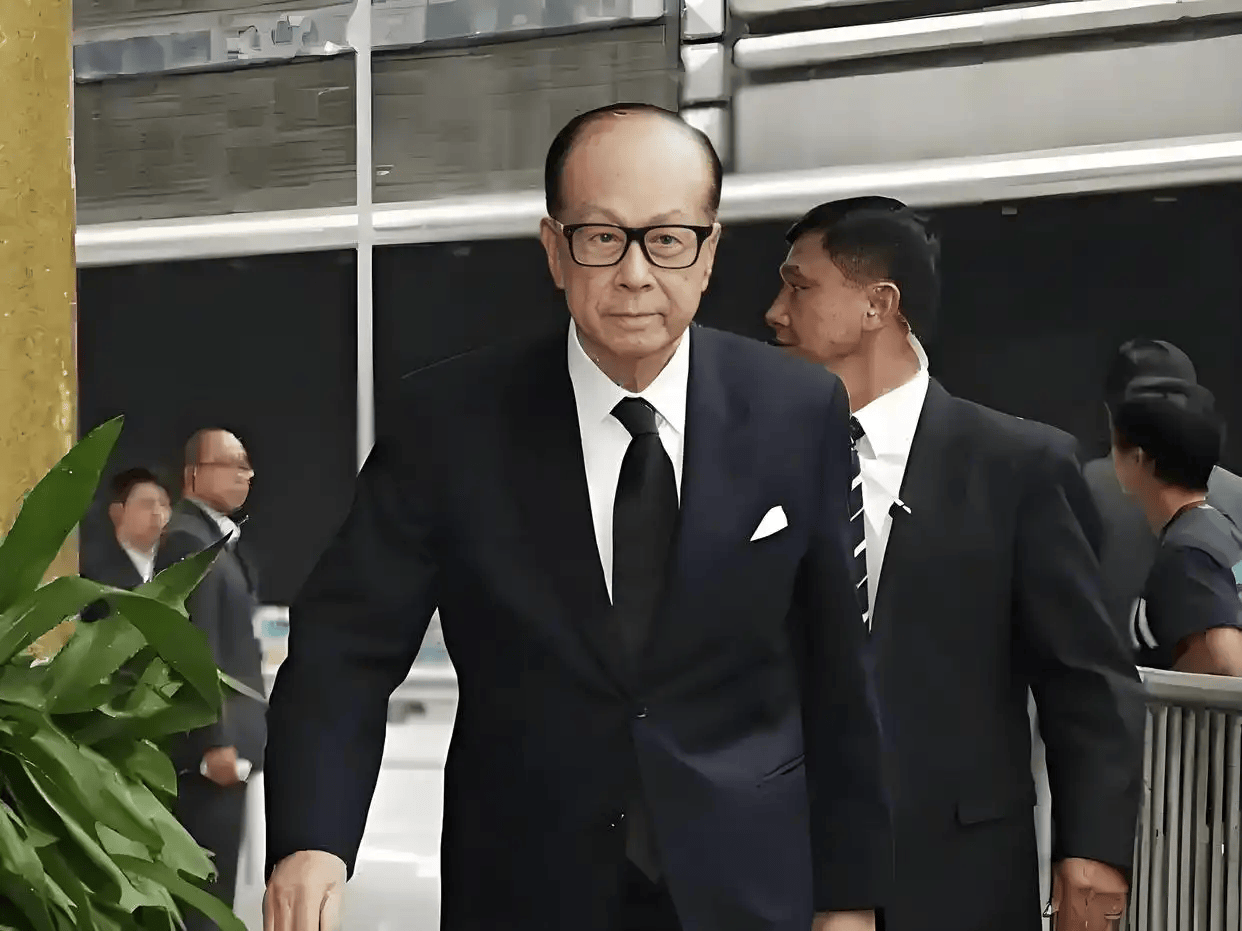
英镑大跌,英执政工党惨败最新补选!李嘉诚出售英国电网大赚一笔...
Sou Hu Cai Jing· 2026-02-27 11:20
Group 1: Currency and Political Situation - The British pound has been declining due to rising domestic political risks, particularly following the ruling Labour Party's poor performance in recent by-elections [2][3][6] - The Labour Party received only 25.4% of the votes in the recent by-election, a significant drop from 50.8% in the previous election, marking its worst performance in this constituency since 1931 [9][6] - The Conservative Party also performed poorly, achieving only 1.9% of the votes, indicating a decline in the dominance of the two main parties in UK politics [9][6] Group 2: Economic Indicators - The latest exchange rates show the pound at 1.3479 USD, 9.2443 CNY, and 1.1426 EUR, reflecting its recent decline [5][11][12] - Expectations for the Bank of England to ease monetary policy are limiting the pound's rebound potential, with a possible interest rate cut anticipated as early as March [11] Group 3: Investment Activity - Li Ka-shing's group sold its 100% stake in UK Power Networks for approximately HKD 110 billion, achieving an investment return of over 500% after holding the asset for 16 years [15][16] - The sale price of GBP 2.553 billion for the UK Power Networks was significantly higher than the initial acquisition cost, highlighting the value of infrastructure investments in the UK [15][16] Group 4: Immigration and Employment - The UK Home Office reported a slight decrease in illegal immigration, with 100,625 asylum applications in the past year, a 4% decline [18] - However, the number of young people aged 16-24 who are neither employed nor in education reached 957,000, accounting for 12.8% of that age group, indicating ongoing challenges in the labor market [22]

套现1100亿!李嘉诚怕了,亚洲战略的冲锋号已吹响
Sou Hu Cai Jing· 2026-02-27 09:21
Core Viewpoint - Li Ka-shing's family is selling its UK Power Networks Holdings Limited for a total cash amount of HKD 110.75 billion, marking a significant shift from global expansion to risk reduction [1][3]. Group 1: Sale Details - The sale involves a 100% stake in UK Power Networks, with Cheung Kong Infrastructure and Power Assets each receiving HKD 44.3 billion, while CK Hutchison will receive HKD 22.15 billion [1]. - The estimated total value of the transaction is GBP 16.838 billion, which shows a significant increase from the previous negotiation valuation of GBP 15 billion in early 2022 [3]. Group 2: Historical Context - Li Ka-shing's investments in the UK have been extensive, totaling over RMB 255.5 billion, covering various sectors including electricity, water, gas, telecommunications, and ports [4]. - The UK Power Networks is described as a "cash cow" and a "crown jewel," controlling a power distribution network of approximately 192,000 kilometers, serving over 8.5 million households and businesses [3]. Group 3: Strategic Shift - The sale of UK Power Networks is part of a broader trend of divestments by Li Ka-shing, which includes selling telecom infrastructure in Europe for EUR 10 billion and other significant assets in London and Hong Kong [7][8]. - The total cash generated from these divestments over the past five years exceeds HKD 350 billion, indicating a strategic retreat from European markets [10]. Group 4: Future Focus - Li Ka-shing is shifting focus from Europe to Southeast Asia, with investments in port infrastructure and technology startups, indicating a strategic pivot rather than a complete withdrawal from overseas markets [10][11]. - The Southeast Asian market presents potential challenges, including market fragmentation, regulatory uncertainties, and increased competition, which will test the precision and risk management of Li Ka-shing's future investments [13].
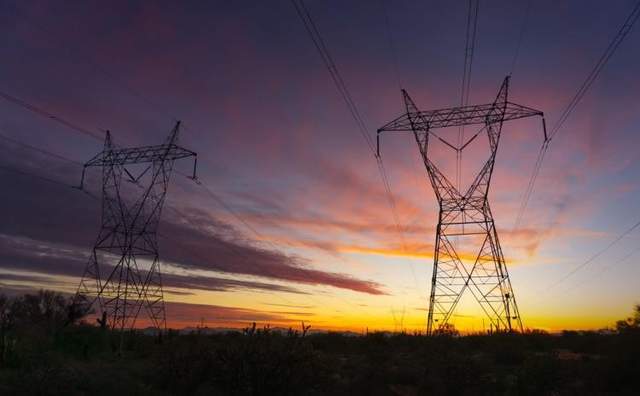
巴拿马港口被“接管”后,李嘉诚卖掉英国电网业务,转向非常突然
Sou Hu Cai Jing· 2026-02-27 03:47
Core Viewpoint - The recent forced takeover of port assets by the Panamanian government has prompted the Cheung Kong Group to swiftly sell its core UK electricity grid business, raising concerns about asset security for multinational companies and the restructuring of global investment logic [2][4]. Group 1: Events and Responses - On February 23, the Panamanian government forcibly took control of the Balboa and Cristobal ports, ending a nearly 30-year operating agreement and expelling the management team, leading Cheung Kong to initiate international arbitration [4]. - Shortly after, Cheung Kong's subsidiaries announced the sale of their stake in the UK electricity operator to French energy company Engie for approximately £10.548 billion, totaling over HK$110 billion, marking a complete exit from UK core utility assets [4][6]. Group 2: Asset Characteristics - The UK electricity grid assets served around 8.5 million users and operated approximately 192,000 kilometers of power lines, covering key areas in London and Southeast England, characterized by stable cash flow and predictable returns, traditionally viewed as low-risk core assets [6]. - The decision to sell these assets entirely in cash and equity, without retaining any equity interest, reflects the company's decisive stance and a reassessment of regional risks and asset prospects [6][8]. Group 3: Strategic Implications - The Panama port incident has become a pivotal point for strategic shifts, as the ports, which relied on the Panama Canal's geographical advantages, were expected to hold long-term commercial value until 2047 [8]. - The unilateral takeover disrupted the stability of commercial contracts and long-term investments, highlighting the potential impact of sovereign risk and policy changes on overseas infrastructure assets [8][10]. - The sale of quality electricity grid assets allows for significant cash flow recovery, providing funding for reinvestment in lower-risk areas, strengthening core business, and enhancing shareholder returns [11].
李嘉诚,终成时代的背影
财富FORTUNE· 2026-02-26 13:05
Core Viewpoint - The article discusses two significant events involving Li Ka-shing's investments: the sale of UK power assets and the forced takeover of Panama ports, highlighting the contrasting outcomes of strategic withdrawal versus involuntary loss in the current geopolitical landscape [6][10]. Group 1: UK Power Asset Sale - Li Ka-shing's companies sold 100% of their stake in a UK power company for approximately £10.548 billion (around HKD 110.8 billion), marking a successful exit after a 16-year investment [1][3]. - The investment, initially acquired for about £5.8 billion in 2010, generated a total of £4.4 billion in shareholder distributions, yielding over six times the cash return [3][6]. - The sale reflects a strategic assessment of the UK market, as Li opted to cash out amid rising political risks and potential regulatory changes, demonstrating a shift from viewing core infrastructure as stable assets to recognizing them as political bargaining chips [8][9]. Group 2: Panama Port Takeover - The Panama government abruptly seized control of ports operated by Li Ka-shing's company, declaring the concession rights void without prior notice, which effectively erased 28 years of investment valued at approximately USD 1.8 billion [5][6]. - This takeover occurred shortly after a court ruling deemed the concession contract unconstitutional, leaving no time for negotiation or response from the company [6][10]. - The contrasting fates of the UK and Panama investments illustrate the increasing political risks associated with foreign investments in critical infrastructure, as the concept of national security expands into economic domains [8][10]. Group 3: Broader Implications - The article suggests that the valuation of overseas infrastructure investments may shift from a "strategic premium" to a "political risk discount," potentially reducing their value to near zero [10]. - Li Ka-shing's experiences reflect a broader trend where capital must now choose sides in geopolitical conflicts, undermining the traditional business principle of neutrality [9][10]. - The events signify a changing global landscape where the old paradigms of investment are being challenged, indicating a need for investors to adapt to new realities [9][10].