
全球地缘政治风险

Search documents
套现1100亿!李嘉诚怕了,亚洲战略的冲锋号已吹响
Sou Hu Cai Jing· 2026-02-27 09:21
Core Viewpoint - Li Ka-shing's family is selling its UK Power Networks Holdings Limited for a total cash amount of HKD 110.75 billion, marking a significant shift from global expansion to risk reduction [1][3]. Group 1: Sale Details - The sale involves a 100% stake in UK Power Networks, with Cheung Kong Infrastructure and Power Assets each receiving HKD 44.3 billion, while CK Hutchison will receive HKD 22.15 billion [1]. - The estimated total value of the transaction is GBP 16.838 billion, which shows a significant increase from the previous negotiation valuation of GBP 15 billion in early 2022 [3]. Group 2: Historical Context - Li Ka-shing's investments in the UK have been extensive, totaling over RMB 255.5 billion, covering various sectors including electricity, water, gas, telecommunications, and ports [4]. - The UK Power Networks is described as a "cash cow" and a "crown jewel," controlling a power distribution network of approximately 192,000 kilometers, serving over 8.5 million households and businesses [3]. Group 3: Strategic Shift - The sale of UK Power Networks is part of a broader trend of divestments by Li Ka-shing, which includes selling telecom infrastructure in Europe for EUR 10 billion and other significant assets in London and Hong Kong [7][8]. - The total cash generated from these divestments over the past five years exceeds HKD 350 billion, indicating a strategic retreat from European markets [10]. Group 4: Future Focus - Li Ka-shing is shifting focus from Europe to Southeast Asia, with investments in port infrastructure and technology startups, indicating a strategic pivot rather than a complete withdrawal from overseas markets [10][11]. - The Southeast Asian market presents potential challenges, including market fragmentation, regulatory uncertainties, and increased competition, which will test the precision and risk management of Li Ka-shing's future investments [13].


中国外汇投资研究院研究总监李钢:不排除银价短期跌回100美元/盎司乃至90美元/盎司之下可能
Sou Hu Cai Jing· 2026-01-27 08:39
Core Viewpoint - The recent significant fluctuations in gold and silver prices are attributed to ongoing global geopolitical risks and uncertainties surrounding U.S. Federal Reserve monetary policy, leading to increased investment in precious metals [1] Group 1: Geopolitical and Economic Factors - Continuous global geopolitical risks and rising international political uncertainties are influencing the market [1] - Uncertainties regarding the U.S. Federal Reserve's monetary policy path are contributing to the volatility in precious metals [1] Group 2: Precious Metals Market Dynamics - The shift in investment towards precious metals is driven by long-term concerns over the credibility of the U.S. dollar [1] - Silver prices are experiencing greater volatility and increases compared to gold, influenced by both safe-haven demand and improved expectations for industrial and renewable energy demand [1] - There is a possibility that silver prices may temporarily drop below $100 per ounce, potentially reaching as low as $90 per ounce [1]
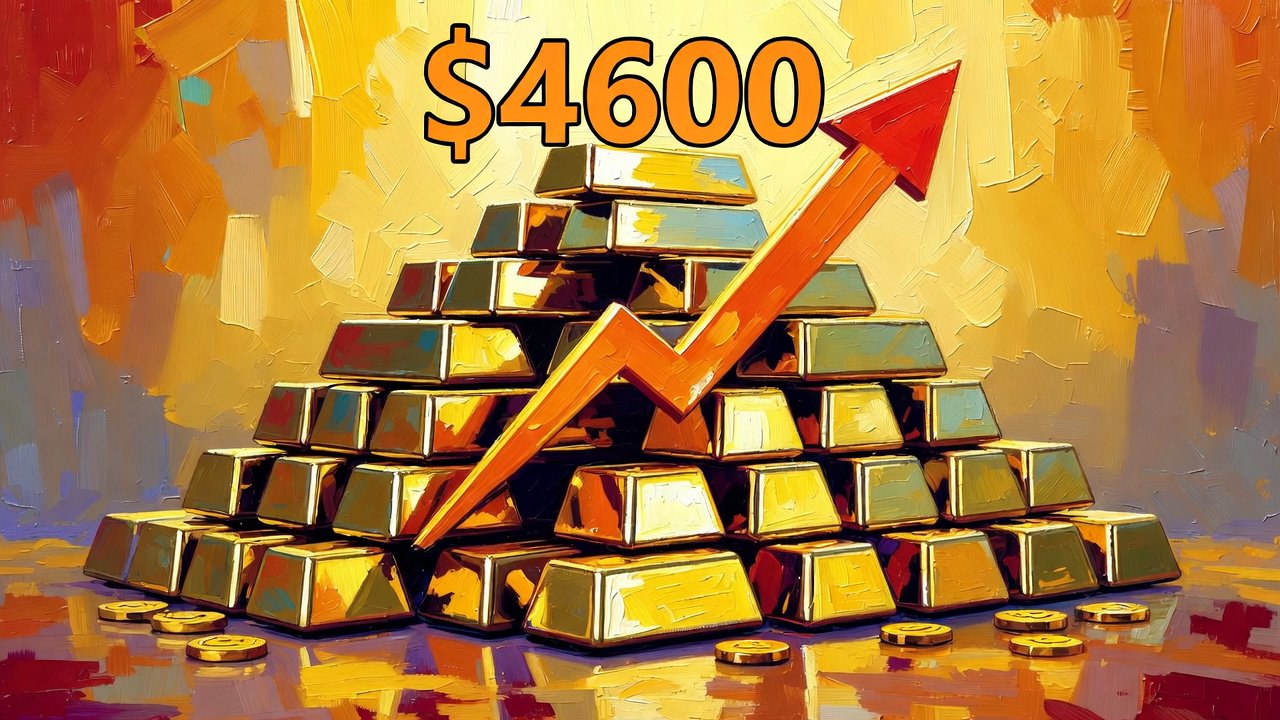
美联储1月或暂停降息 黄金站上4600美元再创新高
Xin Lang Cai Jing· 2026-01-12 12:51
Group 1 - The core point of the article indicates that the U.S. labor market is showing signs of "weak growth and low unemployment," which has led to a decrease in expectations for the Federal Reserve to cut interest rates in January 2026 [2][3] - In December 2025, the U.S. non-farm employment increased by 50,000, which was below the market expectation of 70,000, while the unemployment rate unexpectedly dropped to 4.4%, lower than the anticipated 4.5% [2] - Analysts suggest that the current economic data and the potential for a change in the Federal Reserve's leadership in 2026 may influence future monetary policy decisions [3][6] Group 2 - Following the release of the non-farm data, gold prices strengthened, with COMEX gold futures rising by 1.29% to $4,518.4 per ounce on January 9, 2026, and continuing to reach historical highs above $4,600 per ounce [3][4] - Factors influencing the rise in gold prices include high geopolitical risks, increasing U.S. fiscal risks, and strong demand from global central banks for gold [4][5] - The World Gold Council reported that gold performed exceptionally well in 2025, continuously setting historical records, and forecasts a potential price increase of 15% to 30% in 2026 [7]
贵金属市场波动加大 长期多重上涨逻辑未变
Jing Ji Ri Bao· 2026-01-05 00:49
Core Insights - The precious metals market has gained significant attention, with gold and silver reaching historical highs in December 2025, driven by various macroeconomic factors and changes in industry dynamics [1][2]. Group 1: Market Performance - On December 24, 2025, international spot gold surpassed $4500 per ounce, while silver peaked at $72.7 per ounce, with annual increases of over 70% for gold and nearly 150% for silver [1]. - The overall trend for precious metals in 2025 was characterized by a volatile upward movement, influenced by heightened risk aversion and increased capital inflow into the sector [1][2]. Group 2: Catalysts for Price Movement - The expectation of interest rate cuts by the Federal Reserve emerged as a primary catalyst, with the U.S. unemployment rate reaching a recent high in November 2025 and core CPI falling below market expectations, reinforcing the outlook for monetary easing [2]. - Ongoing geopolitical risks have accelerated capital inflow into precious metals as a safe haven, further driving prices upward [2]. - Structural demand imbalances, particularly in industrial applications such as solar energy and AI servers, have significantly boosted silver consumption [2]. Group 3: Market Dynamics and Risks - Market sentiment and capital rotation have played crucial roles in the recent price surge, with speculative and trend-following funds entering the market, amplifying price increases [3]. - Central banks continued their gold purchasing trend, with a reported net purchase of 53 tons in October 2025, a 36% month-over-month increase, highlighting the strategic value of precious metals [3]. - Recent volatility in precious metals and industrial metal futures has prompted exchanges to raise margin requirements, indicating increased market risk [3]. Group 4: Future Outlook - Short-term volatility in precious metal prices is expected to persist, influenced by profit-taking and potential underperformance of monetary policy easing [4]. - Long-term prospects remain positive due to ongoing global monetary easing, continued central bank gold purchases, and persistent geopolitical risks, which support the investment value of precious metals [4]. - The complex factors influencing gold prices include Federal Reserve policies and U.S. inflation, while silver's price is closely tied to gold but exhibits greater volatility due to its industrial applications [4].
金价,大反转!柜台被挤“爆”!
Sou Hu Cai Jing· 2026-01-02 09:58
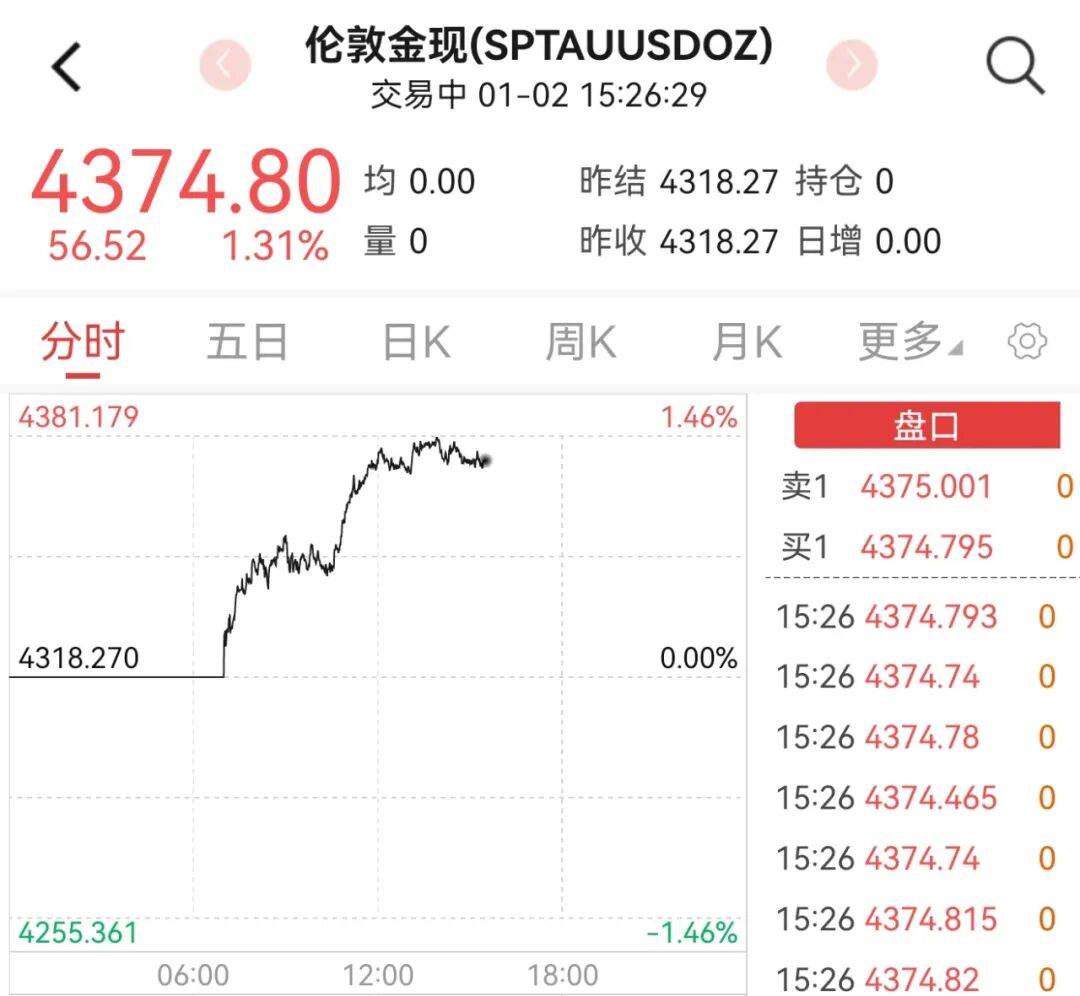
Group 1 - Spot silver prices increased by 3.29%, reaching $74 per ounce [2] - Both spot platinum and palladium prices rose by over 2% [3] - Since 2025, precious metals like gold have seen significant capital interest, with New York gold futures rising over 64%, marking the largest annual increase since 1979 [5] Group 2 - Silver futures prices increased by over 141% in the same period, driven by speculative funds and strong industrial demand, while global silver supply has been in structural shortage for five consecutive years [5] - Platinum and palladium futures prices surged by over 124% and 81% respectively, influenced by a more than 9% decline in the US dollar index [5] - Domestic gold jewelry prices stabilized, with brands like Chow Sang Sang and Chow Tai Fook reporting prices of 1360 CNY and 1357 CNY per gram respectively [5] Group 3 - Retail demand for gold has surged, with reports of limited availability for smaller gold bars and increased foot traffic in jewelry stores during the holiday season [14][15] - Young consumers are increasingly purchasing gold for both emotional value and as a means of preserving wealth, with a 20% increase in pre-orders for the New Year compared to the previous year [17] - HSBC forecasts gold prices could reach $5000 per ounce in 2026, while domestic silver prices have surged due to industrial demand and low inventory levels [18]


矿业ETF(561330)涨超2.4%,金属价格有望强势运行
Mei Ri Jing Ji Xin Wen· 2025-10-27 06:40
Group 1 - The core viewpoint is that the Federal Reserve's CPI data is lower than expected, opening up room for interest rate cuts, which is likely to lead to strong performance in metal prices [1] - Precious metal prices are expected to remain high due to the onset of the Federal Reserve's interest rate cut cycle, combined with global geopolitical risks and safe-haven demand [1] - Domestic expectations for policy and infrastructure demand are boosted by the 20th National Congress of the Communist Party, with fiscal and monetary policies likely to maintain a dual easing approach, improving macro sentiment that supports basic metals like copper and aluminum [1] Group 2 - The copper sector is benefiting from an increase in both the quantity and price of mined copper, with an improved supply-demand balance leading to significant price elasticity under the resonance of macro and fundamental factors [1] - The Mining ETF (561330) tracks the non-ferrous mining index (931892), which selects securities related to the development of copper, aluminum, lead-zinc, and rare metals to reflect the overall performance of the non-ferrous metal mining industry [1] - The Mining ETF (561330) has an excess return of over 10% compared to the CSI Non-Ferrous Index, featuring a more concentrated selection of leading companies, with a higher proportion of "gold + copper + rare earths" [1]
现货黄金价格站上新关口 部分机构认为“易涨难跌”
Sou Hu Cai Jing· 2025-10-10 14:34
Core Viewpoint - The gold price has reached a historic high, surpassing $4000 per ounce, driven by geopolitical factors and the Federal Reserve's interest rate cuts, with expectations for continued upward momentum in the market [1][2]. Group 1: Current Market Performance - As of October 8, the spot gold price hit $4000.49 per ounce, marking a 0.14% increase, with a year-to-date rise exceeding 50% [1]. - COMEX gold futures also reached a new high of $4004.80 per ounce, reflecting a 0.71% increase [1]. - Gold prices have experienced five consecutive weeks of increases, catalyzed by the Federal Reserve's decision to cut interest rates on September 17 [1]. Group 2: Future Outlook - Institutions are optimistic about gold's upward momentum, predicting a "difficult to decline" trend due to ongoing geopolitical risks and the Fed's easing policies [1][2]. - Morgan Stanley anticipates that the liquidity from the Fed's rate cuts will lead to continued inflows into global gold ETFs, with expectations for a gradual upward trend in gold prices [2]. - Goldman Sachs projects that central banks in emerging markets will continue diversifying their reserves by increasing gold holdings, forecasting an average purchase of 80 tons in 2025 and 70 tons in 2026, with a price prediction of $4900 per ounce by December 2026 [2].
贺博生8.8黄金强势上涨原油弱势下跌最新行情走势分析及今日操作建议
Sou Hu Cai Jing· 2025-08-07 23:39
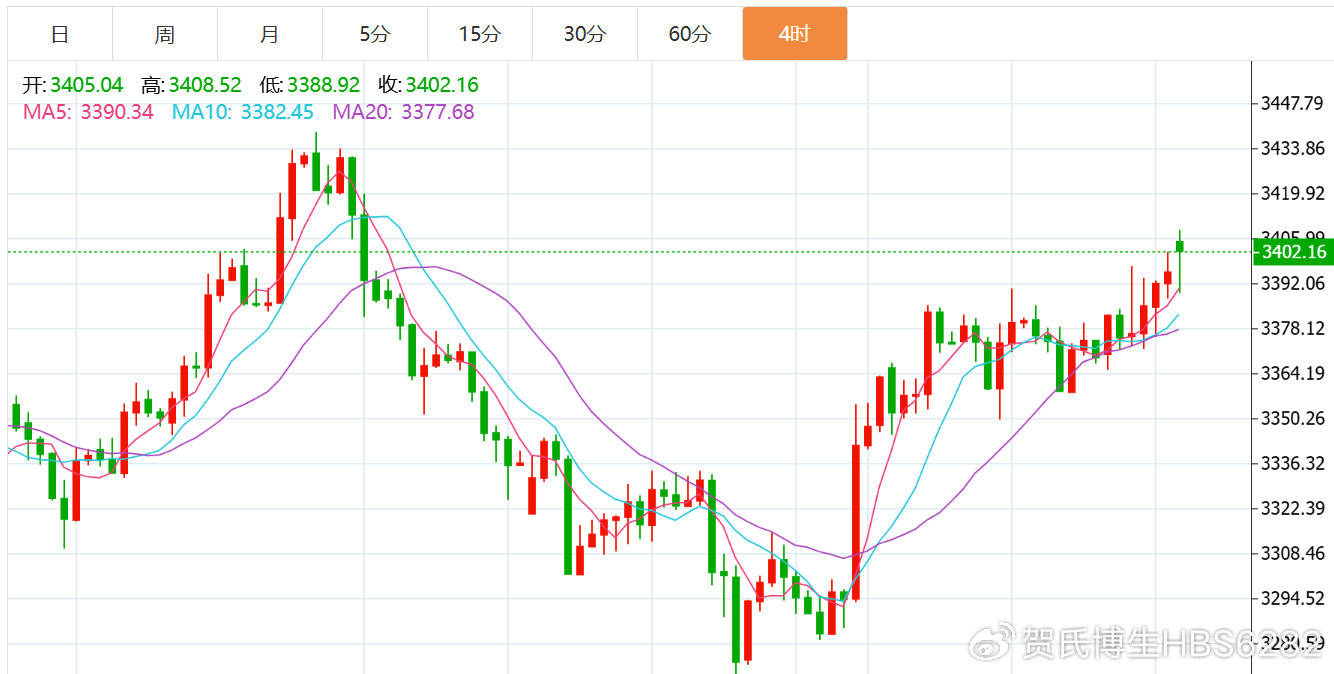
Group 1: Gold Market Analysis - The current spot gold price is experiencing slight fluctuations, trading around 3404, after a previous drop of 0.34% to 3369.19 per ounce, following a peak of 3390 [1] - The recent decline in gold prices is attributed to profit-taking by investors after a period of gains, particularly after weak U.S. employment data led to increased risk aversion [1] - Market expectations for a Federal Reserve rate cut in September have risen, influenced by geopolitical tensions from tariff measures by the Trump administration against countries like India and Switzerland [1] Group 2: Technical Analysis of Gold - If gold maintains support at 3360, it may rebound towards resistance at 3385, with potential for further upward movement if it breaks this level [2] - The short-term strategy suggests avoiding aggressive trading and considering light positions near support levels [2] - The analysis indicates that if gold stabilizes above 3385, it could reach levels around 3390 to 3400, with strong resistance at 3416 [2] Group 3: Oil Market Analysis - Oil prices have rebounded slightly after five consecutive days of decline, with Brent crude rising 0.7% to $67.47 per barrel and WTI crude up 0.9% to $64.97 [5] - The market is concerned about potential increased U.S. sanctions on Russia, which has contributed to recent price drops, but upcoming high-level talks between U.S. and Russian leaders may provide some market relief [5] - The rebound in oil prices is supported by declining inventories and market speculation regarding negotiations, but long-term price direction will depend on OPEC+ production rates and geopolitical developments [5] Group 4: Technical Analysis of Oil - The recent trend in oil prices has shifted to a consolidation phase after three days of gains were reversed by three days of losses [6] - The MACD indicator suggests a lack of bullish momentum, indicating that oil prices may enter a new range of volatility [6] - The recommended trading strategy is to focus on short positions during price rebounds, with resistance levels identified at 65.0-66.0 and support at 62.0-61.0 [6]
惠誉评级:全球地缘政治风险情景范围正在扩大。
news flash· 2025-05-30 08:29
Core Insights - Fitch Ratings indicates that the scope of global geopolitical risk scenarios is expanding [1] Group 1 - The increasing complexity of geopolitical tensions is affecting global markets and investment strategies [1] - Companies are advised to reassess their risk management frameworks in light of these evolving geopolitical dynamics [1] - The potential for economic disruptions due to geopolitical events is becoming more pronounced, necessitating a proactive approach from businesses [1]
贵金属日报-20250514
Guo Tou Qi Huo· 2025-05-14 10:54
Report Industry Investment Rating - No specific investment rating is provided in the report Core Viewpoints - The precious metals market is experiencing fluctuations. The US announced that the annual rate of April CPI was 2.3%, lower than the expected 2.4%, the lowest since February 2021, and the core CPI of 2.8% was flat with the expected and previous values. After the data release, the market reaction was mild, and the impact of tariffs has not been reflected yet [1]. - Recent trade and geopolitical negotiations have reduced the market's bets on a US economic recession, causing the gold price to give back its previous risk premium. The international gold price is in an adjustment process, and attention should be paid to the effectiveness of the support at $3200 per ounce [1]. - The market generally expects the Fed to resume rate cuts in September. Although the current inflation pressure is not high, inflation may rise again in the next few months as the tariff effect emerges. This expectation is prompting more investors to use gold as a tool to hedge against inflation [2]. - Gold faces three key variables: the follow - up progress of China - US trade negotiations, the Fed's monetary policy direction, and global geopolitical risks [2]. Summary by Related Aspects CPI Data - The US April CPI annual rate was 2.3%, lower than the expected 2.4%, and the core CPI was 2.8%, flat with the expected and previous values. The April CPI rose only 0.2% month - on - month, lower than the expected 0.3% [1][2]. Market Expectations - The market generally expects the Fed to resume rate cuts in September [2]. Gold Variables - Variables affecting gold include the follow - up progress of China - US trade negotiations, the Fed's monetary policy direction, and global geopolitical risks such as the evolution of the Russia - Ukraine peace talks and the India - Pakistan conflict [2]. Gold Price Movement - The international gold price is in an adjustment process, and attention should be paid to the support at $3200 per ounce [1].