蜂王浆

Search documents
青海让绿水青山酿出国际甜
Xin Lang Cai Jing· 2026-02-25 17:54
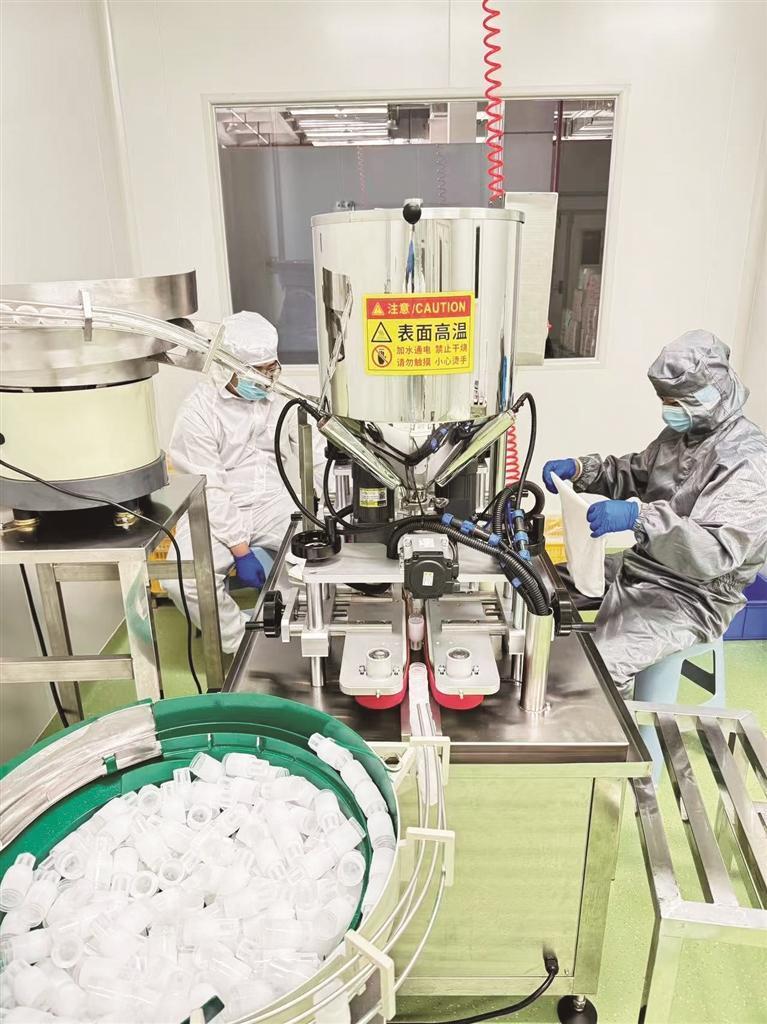
Core Viewpoint - The honey industry in Qinghai is leveraging its unique ecological advantages to produce high-quality honey and expand its market presence both domestically and internationally [9][10][11]. Group 1: Production and Quality - Qinghai's honey benefits from a unique ecological environment, with an average altitude of over 2800 meters, resulting in honey with an amylase value exceeding national standards by five times [9][10]. - The company has established a "joint beekeeping farm" model to ensure quality and traceability, addressing local bee population shortages while maintaining high standards [10]. - The annual output value of the Mengyuan honey industry has surpassed 13 million yuan, with successful branding efforts leading to increased product value [10]. Group 2: Market Expansion - The company has successfully exported honey products to markets such as Japan and Hong Kong, achieving an export volume of over 5 tons annually since starting its export business in 2023 [11]. - Plans are underway to build a new factory to meet growing demand, with expansions into markets in South Korea and Thailand [11]. - The company is also focusing on deep processing of bee products and developing derivative products for personal care, further enhancing product value [11]. Group 3: Innovation in Product Offerings - Qinghai Bairong Biotechnology Co., Ltd. is innovating with a new product called "honey cap," which allows consumers to easily mix honey with water, transforming traditional honey consumption [12][13]. - The company has developed various flavors for the honey cap, integrating high-quality honey with local plant flavors, enhancing the consumer experience [13][14]. - The production facility adheres to GMP standards, ensuring high-quality production environments and processes that meet international standards [14]. Group 4: Support for Export and Market Development - The Qinghai Provincial Department of Commerce and Xining Customs are collaborating to enhance the export of local agricultural products, including honey, by providing policy support and improving logistics [15][16]. - Initiatives include establishing a comprehensive service system to facilitate the export process, ensuring quality control from production to delivery [16]. - The focus on building a strong brand image for "Qinghao" agricultural products is aimed at increasing their international market presence [15][16].

权威辟谣!一次性戳破8个食品安全高频谣言→
Xin Lang Cai Jing· 2026-01-12 05:37
Group 1 - The article addresses common food safety myths and provides scientific truths to debunk them [1][2][3][4][5][6][7][8][9] - The Chinese Society of Food Science and Technology, in collaboration with Science Popularization China, released the "2025 Food Safety and Health Rumor List" [1] - The myths include misconceptions about food additives, nutritional value of frozen foods, and health implications of certain food items [1][2][3][4][5][6][7][8][9] Group 2 - Myth 1: White and soft buns are made with alum, which can harm bones and nerves. Truth: Current food safety standards prohibit the use of alum in buns and steamed bread [1] - Myth 2: Pickled vegetables produce harmful nitrites that cause cancer. Truth: Nitrite levels decrease to safe ranges after proper fermentation [2] - Myth 3: Frozen dumplings are unhealthy junk food. Truth: Quick freezing at temperatures below -30°C preserves the color, flavor, and nutrients of the ingredients [3] - Myth 4: Foods with high moisture and long shelf life are full of preservatives. Truth: Preservatives are safe when used according to standards, and shelf life can be extended through various methods without them [4] - Myth 5: Eating only one type of oil is healthier. Truth: A variety of oils should be consumed to promote nutritional balance [5] - Myth 6: Consuming rehydrated wood ear mushrooms can lead to poisoning. Truth: Wood ear mushrooms are not toxic but can be contaminated by specific bacteria under certain conditions [6] - Myth 7: Royal jelly contains high levels of estrogen, increasing breast cancer risk. Truth: Royal jelly has negligible estrogen content and no correlation with breast cancer incidence [7] - Myth 8: Hormone-laden eggs are prevalent in the market and can cause cancer. Truth: High egg production in hens is due to breeding and management, not hormones [9]
连吃1个月结节快速长大 这些食物可能是“催化剂”
Xin Lang Cai Jing· 2025-12-24 08:31
Group 1 - The core viewpoint of the articles emphasizes the potential risks associated with certain health supplements and dietary choices for patients with nodules, particularly breast and thyroid nodules [1][2][3] - A case study of a 58-year-old woman illustrates how the consumption of health supplements led to the rapid growth of a previously stable breast nodule, highlighting the need for caution in dietary habits [1] - Medical professionals warn that many health supplements may contain natural or phytoestrogen components that can stimulate abnormal cell proliferation in glandular tissues, leading to increased nodule growth [2] Group 2 - For breast nodule patients, it is advised to control the intake of animal proteins and fats, as excessive consumption may exacerbate estrogen production and contribute to breast tissue changes [2] - Thyroid nodule management requires balanced iodine intake, as both excess and deficiency can negatively impact nodule control [3][5] - Patients with thyroid nodules should avoid certain foods, such as sea products high in iodine and stimulants like caffeine, to maintain a low-iodine diet and support overall health [5][7] Group 3 - Lung nodule patients are advised to limit the consumption of three types of food: irritants (e.g., spicy foods), high-salt foods, and stimulating beverages, as these can hinder recovery [7] - Regular check-ups are recommended for benign nodules, with specific observation criteria to monitor changes in size and characteristics [8] - Self-examination techniques for thyroid nodules are suggested, emphasizing the importance of awareness and routine health checks to detect potential issues early [9]

连吃1个月,结节突然疯长!很多人冬天爱这么吃,医生提醒
Ren Min Ri Bao· 2025-12-10 04:43
Core Viewpoint - The article highlights the potential health risks associated with excessive consumption of health supplements, particularly those containing estrogen-like substances, which can exacerbate existing health conditions such as breast nodules [2][6][7]. Group 1: Case Study - A 58-year-old woman, referred to as Li Ayi, experienced rapid growth of a previously stable breast nodule after consuming various health supplements, including donkey-hide gelatin and royal jelly, for a month [2][4]. - The breast nodule increased from approximately 5 millimeters to nearly 18 millimeters, indicating a risk of abnormal proliferation or malignancy, leading to surgical intervention [4][6]. Group 2: Medical Insights - Medical professionals note that many health supplements contain natural or estrogen-like components that can stimulate abnormal cell proliferation in breast tissue, particularly in individuals with pre-existing nodules [6][7]. - The formation of breast nodules is influenced by various factors, including genetics, hormonal imbalances, emotional stress, and lifestyle choices [7]. Group 3: Recommendations - For women with known breast nodules, it is advised to adhere to the "three principles": regular check-ups every 6-12 months, cautious consumption of supplements, and maintaining a balanced lifestyle [8]. - It is emphasized that dietary supplementation should be tailored to individual health conditions, and overconsumption can lead to digestive issues and exacerbate existing health problems [10][11].

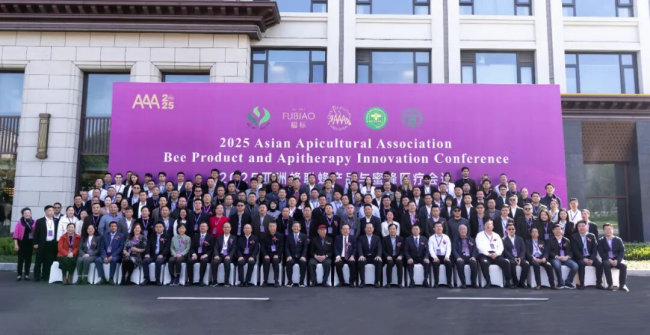
2025亚洲蜂联蜂产品与蜜蜂医疗会议圆满召开
Sou Hu Wang· 2025-10-27 05:11
Core Insights - The 2025 Asia Bee Products and Bee Medicine Conference was successfully held in Xuyi, Jiangsu, focusing on the theme "Bee Products and Human Health" and gathering industry leaders and top scientists from over ten countries [1] Group 1: Conference Overview - The conference was organized by the AAA Asian Bee Industry Association and co-hosted by Jiangsu Rihigh Bee Products Co., Ltd. and Jiangsu Fubiao Biotechnology Co., Ltd. [1] - Supporting organizations included the China Bee Products Association, the China Chamber of Commerce for Import and Export of Foodstuffs, and the Institute of Food and Nutrition Development of the Ministry of Agriculture and Rural Affairs [1] Group 2: Key Attendees - Notable attendees included Siriwat Wongsiri, President of the Asian Bee Federation and Academician of the Royal Academy of Thailand, and Liu Zhiren, former advisor of the State Council [3][4] - Other prominent figures included Yang Rong, President of the China Bee Products Association, and Xu Xiaohu, Vice President of the China Chamber of Commerce for Import and Export of Foodstuffs [3][4] Group 3: Opening Remarks - The opening ceremony featured speeches from various dignitaries, expressing confidence and aspirations for the sustainable development of the Asian bee industry [8] Group 4: Academic Reports - Experts from Thailand, Saudi Arabia, Australia, Sweden, and China presented on topics such as the active components of bee products, medical mechanisms, standardization, and industry development [15] - Key presentations included topics like the biological active components of royal jelly and the structure and function of bee gut microbiota [19][22] Group 5: Research Initiatives - A significant announcement was made regarding the launch of a real-world research survey system for propolis, aimed at exploring its tumor suppression capabilities in large populations [58] Group 6: Future Outlook - The conference marked an important milestone for the integration of bee products and bee medicine, with expectations for a healthier, prosperous, and sustainable future for the Asian bee industry [60]
在南京,质量是什么?
Zhong Guo Jing Ji Wang· 2025-09-18 09:29
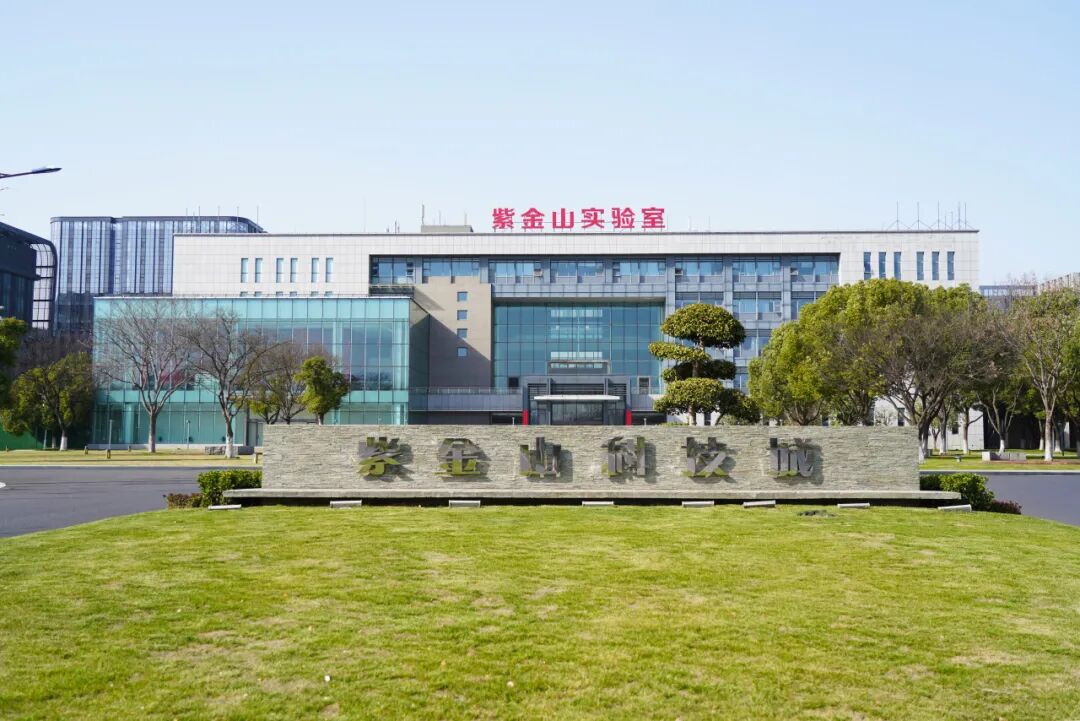
Group 1: Quality Empowering New Productive Forces - The sixth China Quality Conference will be held in Nanjing on September 16-17, emphasizing the importance of quality in various sectors, showcasing rapid advancements in technology and production [1][3] - Nanjing has achieved the world's fastest 6G transmission speed of 1Tbps, capable of downloading 40 4K movies in one second, highlighting its commitment to quality and innovation [1][3] - The city has established a comprehensive technology transfer system called "Zijin Mountain Triple Square" to accelerate the development of new productive forces [3][5] Group 2: Technological Innovations and Achievements - Nanjing's Zijin Mountain Laboratory has secured over 10 "world firsts" in 6G technology and has received national science and technology awards twice [5] - The city is home to nearly 200 robotics companies, with major players like Estun leading in industrial robot installations, showcasing a full-chain system from manufacturing to application [9] - Nanjing South Rui Electric Co., known for its high-tech products, has achieved a leading market share in various sectors and has developed domestically produced chips for power equipment [10] Group 3: Environmental and Quality Standards - Nanjing has implemented a "Quality Station" service model across 15 high-tech parks and key industrial chains, establishing 360 national standards in critical industries [12] - The city has invested 34.5 billion yuan in 69 environmental projects, significantly reducing chemical oxygen demand and other pollutants, positioning itself as a global green energy leader [18] - Local companies like Nanjing Weigang Dairy and Laoshanyao have set international standards in their respective fields, enhancing product quality and safety [19][21] Group 4: Community and Consumer Quality - Nanjing focuses on enhancing quality in daily life, with initiatives in urban construction, agriculture, and elder care, creating a safer and more enjoyable living environment [21] - The city has been recognized as "China's Most Livable City" for 15 consecutive years, reflecting its commitment to quality in various aspects of life [21] - The upcoming China Quality Conference invites participants to experience Nanjing's renewed focus on quality and innovation [22]
研判2025!中国蜂王浆行业发展历程、出口数量、出口金额、竞争格局及发展趋势分析: 1-7月蜂王浆出口数量和金额分别同比下降16.5%、20.2% [图]
Chan Ye Xin Xi Wang· 2025-09-17 01:18
Core Insights - Royal jelly is a rare natural complex nutrient with significant value in enhancing immunity, anti-aging, endocrine regulation, and improving sleep [1][6] - China is the world's largest producer and exporter of royal jelly, with an annual production of nearly 1,000 tons, over 90% of which is for export [1][6] - In 2024, China's royal jelly exports reached 623.81 tons, an increase of 11.12 tons from 2023, with export value at 14.53 million USD, up by 1.89 million USD [1][6] - However, in the first seven months of 2025, exports declined by 16.5% in quantity and 20.2% in value due to natural factors affecting production and rising market prices [1][6] Industry Overview - Royal jelly, also known as bee milk, is secreted by young worker bees and is rich in active ingredients with various health benefits [3][4] - The industry has evolved through four stages: initial awareness, primary development, significant production increase, and modernized development with advanced technology [4][5] Industry Chain - The royal jelly industry chain includes upstream beekeeping and processing equipment, midstream manufacturers, and downstream sales channels such as health product companies and e-commerce platforms [5][6] Current Market Status - The market for royal jelly is competitive with numerous brands, where well-known brands dominate due to product quality and market share [6][10] - Key companies in the industry include Nanjing Laoshanyao Pharmaceutical Co., Ltd., Jiangxi Wang's Beekeeping Garden Co., Ltd., and Hangzhou Bee's Language Co., Ltd. [6][9] Export Data - Major export regions for Chinese royal jelly include Spain and Japan, accounting for over 50% of total exports [6][10] - In the first half of 2025, Zhejiang province led in exports, followed by Jiangsu and Shanghai, with varying growth rates across provinces [8][10] Future Trends - Market demand for royal jelly is expected to grow due to increasing consumer awareness of natural health products [10][11] - The industry is moving towards intelligent, automated, and sustainable production methods, enhancing efficiency and quality [11][12] - There is a trend towards functional and diversified products, with advancements in biotechnology enabling the development of customized health products [12]

蒙阴的绿水青山转化记:山头绿、腰包鼓、日子甜
Qi Lu Wan Bao· 2025-08-08 04:28
Core Insights - The article highlights the transformation of the ecological environment in Mengyin County, Shandong, where green mountains and clean water have become sources of wealth for local farmers, illustrating the concept that "lucid waters and lush mountains are invaluable assets" [1][15] Group 1: Ecological Development - Mengyin County has achieved a forest coverage rate exceeding 73%, with effective governance of its natural resources, including the management of the Yunmeng Lake, which maintains water quality at a stable national Class II standard [4] - The county has implemented a series of ecological initiatives, including household toilet renovations, wastewater treatment, and the elimination of polluting livestock practices, resulting in over 75% of villages effectively managing their wastewater [4][10] Group 2: Economic Growth through Ecology - The county has capitalized on its ecological resources by developing a robust peach industry, with 710,000 acres dedicated to peach orchards, leading to a brand value of "Mengyin Peach" at 26.644 billion yuan, making it a leader in both area and production at the county level [5] - The average annual income from fruit for local farmers exceeds 30,000 yuan per person, with household income surpassing 110,000 yuan [5] Group 3: Tourism and Cultural Integration - Mengyin County is leveraging its national wetland park and 5A-rated scenic areas to promote comprehensive tourism, creating projects like the "Yunmeng Pearl Ecological Cultural Tourism Resort," which includes various recreational and hospitality services [9] - The integration of beekeeping and tourism has led to the establishment of bee-themed attractions, enhancing visitor experiences and contributing to local economic growth [9] Group 4: Financial Innovations for Ecological Value - The county has developed mechanisms to realize the value of ecological products, with an estimated ecological system production value (GEP) of 35.568 billion yuan, allowing for tangible measurement of ecological benefits [10] - Innovative financial products, such as ecological loans and carbon finance, have been introduced to convert green resources into financial assets, supporting the growth of the peach, beekeeping, and tourism sectors [10]

体检查出息肉、结节怎么办?医生提醒:少吃这几类食物!
Yang Shi Xin Wen· 2025-07-13 22:03
Group 1: Dietary Recommendations for Gastric Polyps - Individuals with gastric polyps should reduce consumption of four types of food that promote gastric acid secretion: sweets, glutinous rice, spicy foods, and gas-producing foods [1][2][4][5] - Foods that inhibit gastric acid secretion, such as alkaline vegetables, can be consumed appropriately [5] Group 2: Dietary Recommendations for Colonic Polyps - For those diagnosed with colonic polyps, it is advised to avoid fried, pickled, moldy, spicy, and hard foods to prevent irritation of the intestines and reduce cancer risk [6][7] - High-fat diets and pickled foods should also be limited due to their potential harm to the intestinal mucosa [9][11] Group 3: Dietary Recommendations for Breast Nodules - Individuals with breast nodules should limit intake of high-fat foods, alcohol, high-sugar foods, and high-salt foods [13][14] - There is no substantial evidence linking honey consumption to breast cancer, despite some claims regarding its estrogen content [14]
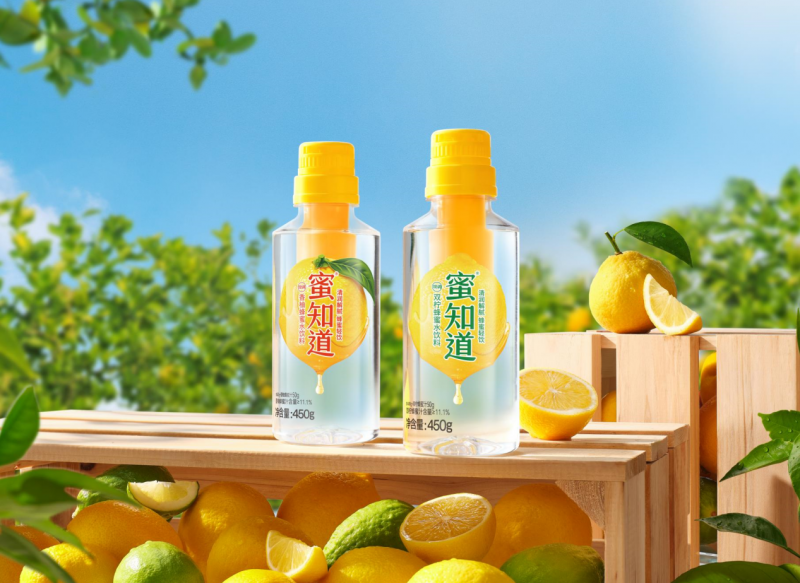
蜂暴来袭!甜蜜家“蜂蜜+”战略如何撬动300亿健康消费新蓝海?
Zhong Guo Shi Pin Wang· 2025-07-01 08:19
Core Insights - The health industry in China is experiencing unprecedented growth opportunities under the "Healthy China 2030" strategy, with Guangxi Wuzhou Sweet Home Bee Industry Co., Ltd. (Sweet Home) leading the way in the bee industry through a "bee industry + three industry integration" strategy [1] Group 1: Market Trends and Innovations - The ready-to-drink health market is seeing a strong demand for "natural, functional, and convenient" products, particularly among Generation Z consumers [2] - Sweet Home's upcoming "Honey Know" honey beverage aims to address these consumer needs by combining the natural nutrition of honey with modern beverage technology, creating a product suitable for immediate consumption [2] - The product design avoids high sugar content and utilizes a modular development system to create a nutritional combination that retains the natural components of honey while enhancing taste through precise formulation [2][4] Group 2: Strategic Business Model - The "one product drives three industries" strategy is central to Sweet Home's approach, using honey beverages to simultaneously promote the development of agriculture (specialized honey source bases), breeding (standardized bee colony breeding), and water management (ecological water source protection) [4] - This model illustrates a shift in traditional agricultural processing, transforming single raw materials into strategic leverage for multi-industry collaboration [4][5] Group 3: Agricultural Integration and Technology - Sweet Home employs a "company + association (cooperative) + farmers + base" model, showcasing a typical example of deep integration in agricultural practices [5] - The company utilizes 120 IoT-equipped beekeeping vehicles across 127 apiaries, enhancing honey collection efficiency and traceability through blockchain technology, thereby improving the quality of raw materials for high-end markets [5][8] Group 4: Expansion into New Markets - Sweet Home is not only a producer of bee products but is also transitioning into a "health solution service provider," aiming to create a wellness brand that integrates innovative products, brand strengthening, and quality enhancement [7] - The company's strategy represents a significant redefinition of the bee industry's value dimensions, moving from product output to comprehensive solutions encompassing health food, eco-tourism, wellness services, and educational research [7][10]