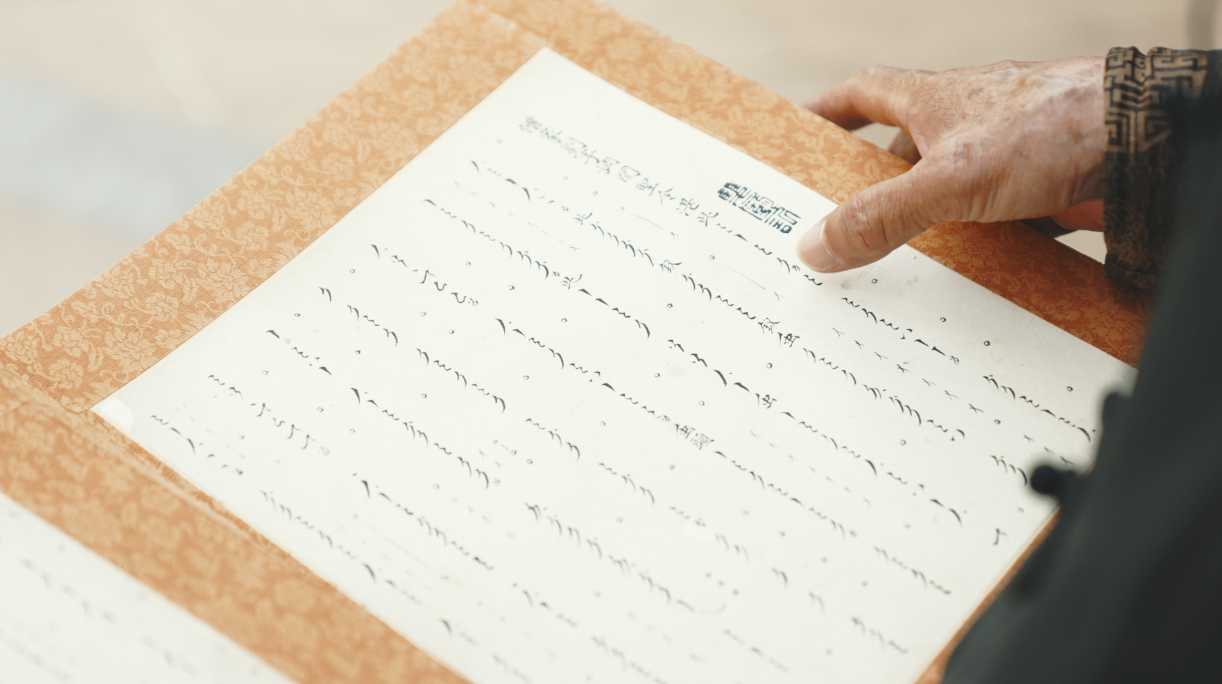
西安鼓乐

Search documents
(新春见闻)秦腔“吼”出古都年味 西安青年乐享戏韵新春
Xin Lang Cai Jing· 2026-02-08 07:09
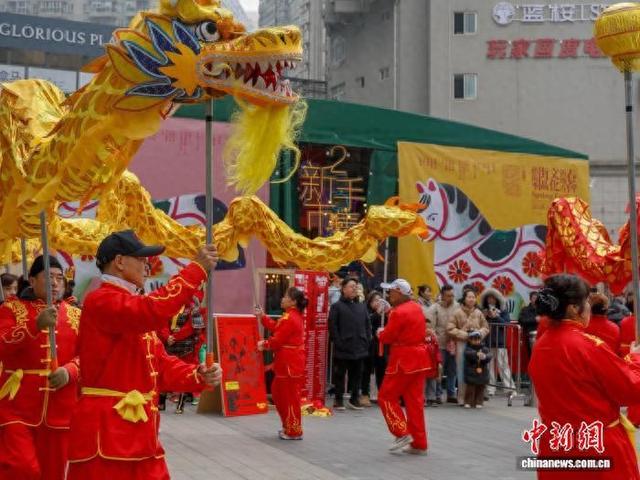
Core Viewpoint - The article highlights the revival and integration of traditional Qin opera into the daily lives of young people in Xi'an, enhancing the festive atmosphere of the city during the Spring Festival [1][3]. Group 1: Event Overview - A series of cultural activities, including Qin opera performances, handmade workshops, and folk dances, have been organized in Xi'an, running from New Year's Day to the Lantern Festival [1]. - As of February 5, 2023, there have been 115 Qin opera performances attracting over 92,000 attendees, with an additional 17.25 million online views [3]. Group 2: Cultural Impact - Traditional arts are moving beyond theaters and museums, finding new life in public spaces, thus engaging a younger audience [1][3]. - The unique setting of performances at cultural landmarks like the city wall enhances the appeal of Qin opera, drawing both local and out-of-town visitors [3]. Group 3: Audience Engagement - The atmosphere of open-air performances allows for a closer connection between the audience and the performers, creating a vibrant and interactive experience [3]. - Young audiences, including those from other provinces, are increasingly drawn to Qin opera through social media platforms, indicating a shift in cultural consumption [3][5].

顾秀莲考察陕西省关心下一代教育实践基地建设情况
Shan Xi Ri Bao· 2025-11-27 22:56
Core Viewpoint - The article highlights the importance of integrating intangible cultural heritage (ICH) into youth education, emphasizing the role of the Shaanxi Province Cultural Center's ICH Experience Center in promoting traditional culture among young people [1][2] Group 1: Overview of the ICH Experience Center - The Shaanxi Province Cultural Center's ICH Experience Center was officially established as an education practice base in July 2023, showcasing ten categories of ICH projects with nearly 2,000 representative items [2] - The center features six functional areas: "Qin Innovation Zone," "Ecological Protection Zone," "Boutique Zone," "Cultural and Creative Zone," "Research Study Zone," and "Temporary Exhibition Zone," serving as a comprehensive platform for ICH transmission, innovation, and education [2] - Since its opening, the center has received 105,600 visitors and conducted 160 public research study experience courses, attracting 38,000 participants, receiving positive feedback from the community [2] Group 2: Educational Impact and Future Directions - Gu Xiulian, Vice Chairperson of the Standing Committee of the National People's Congress, praised the achievements of the education practice base and emphasized the unique role of ICH in youth education [1] - The article encourages further exploration of new paths for integrating ICH transmission with youth education, aiming to provide beneficial experiences for national youth work [1]
西安鼓乐斗乐胜景醉今朝 盛唐云锣奏鸣磬音震千年
Xi An Ri Bao· 2025-11-24 03:59
Core Viewpoint - The 18th Xi'an Drum Art Exhibition, themed "Inheriting Thousand-Year Drum Music, Resonating Intangible Heritage," showcases the revival of ancient Tang dynasty music and culture through performances and competitions, emphasizing the living tradition of Xi'an drum music as a vital part of Chinese civilization [5][9][11]. Group 1: Event Overview - The exhibition took place from November 21 to 23, featuring performances that echo the grandeur of the Tang dynasty, with a focus on the historical significance and cultural continuity of Xi'an drum music [5][6]. - The opening ceremony highlighted the connection between modern performances and ancient traditions, with experts noting that the remaining six drum societies in Xi'an can trace their lineage back to the Tang dynasty [7][9]. Group 2: Performance Highlights - The first day of performances paid homage to history, while the second day featured a competitive showcase titled "Drum Music Competition: Craftsmanship Showdown," where various drum societies presented traditional pieces, demonstrating the vibrant spirit of the Tang dynasty [8][9]. - The "Drum Music Competition" segment revived a historical practice of musical contests, drawing large crowds and re-creating a cultural spectacle that had not been seen for decades [8][9]. Group 3: Cultural Significance - Xi'an drum music is recognized as a living cultural heritage, with its roots deeply embedded in the history of Chinese civilization, and is listed as a UNESCO Intangible Cultural Heritage [7][12]. - The performances not only celebrate the past but also aim to connect with contemporary audiences, showcasing the adaptability and relevance of traditional music in modern times [9][12]. Group 4: Global Impact - Over the past 20 years, Xi'an drum music has transitioned from a local cultural expression to a global phenomenon, with performances reaching international audiences and becoming a symbol of Chinese cultural pride [11][12][13]. - The East Warehouse Drum Music Society has innovated by incorporating modern technology and storytelling into their performances, enhancing the appeal of traditional music to a broader audience [12][13].
中斐共同举办庆祝两国建交50周年音乐会
Xin Hua She· 2025-09-12 15:25
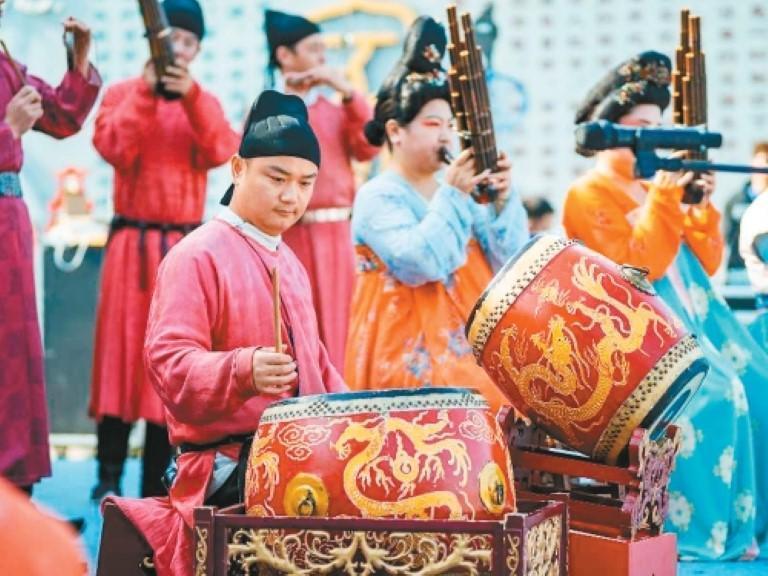
Core Points - The concert "Xi'an Drum Music and Voices of the South Pacific" was held in Suva, Fiji, celebrating the 50th anniversary of diplomatic relations between China and Fiji, as well as the 10th anniversary of the establishment of the Fiji China Cultural Center [1] - Over 500 attendees, including officials, expatriates, and friends from various sectors, enjoyed performances showcasing traditional Chinese and Fijian cultures [1] - The Xi'an Drum Music, recognized as a significant representation of traditional Chinese instrumental culture, has been listed as a national intangible cultural heritage since 2006 and as a UNESCO representative work of intangible cultural heritage in 2009 [2] Summary by Sections Event Overview - The concert featured performers from Xi'an Foreign Affairs Drum Troupe and Xi'an Foreign Affairs College Dance Troupe, dressed in Tang Dynasty costumes, presenting the beauty of Xi'an drum music [1] - Fijian performers showcased traditional Meke dance, reflecting the daily life of Fijian women, accompanied by traditional harmonies from Fiji and Tonga [1] - The event concluded with a joint performance of the Fijian song "Mountains" by performers from both countries, accompanied by traditional Chinese instruments [1] Cultural Significance - The Chinese Ambassador to Fiji highlighted the collaboration between Chinese and Fijian performers as a reflection of the ancient Chinese civilization and vibrant Fijian culture, emphasizing shared hopes for the development of China-Fiji relations and world peace [1] - The Assistant Minister of Indigenous Affairs, Culture, Heritage, and Arts of Fiji praised the friendship between China and Fiji for promoting cultural exchange and mutual understanding [1] Historical Context of Xi'an Drum Music - Xi'an Drum Music originated during the Sui and Tang dynasties and has been a cultural staple in the Guanzhong Plain region for over a thousand years, earning the title of "living fossil of ancient Chinese music" [2] - It was included in the first batch of national intangible cultural heritage lists in 2006 and recognized by UNESCO in 2009 [2]
多地非遗馆暑期活动精彩纷呈
Yang Shi Wang· 2025-08-28 23:52
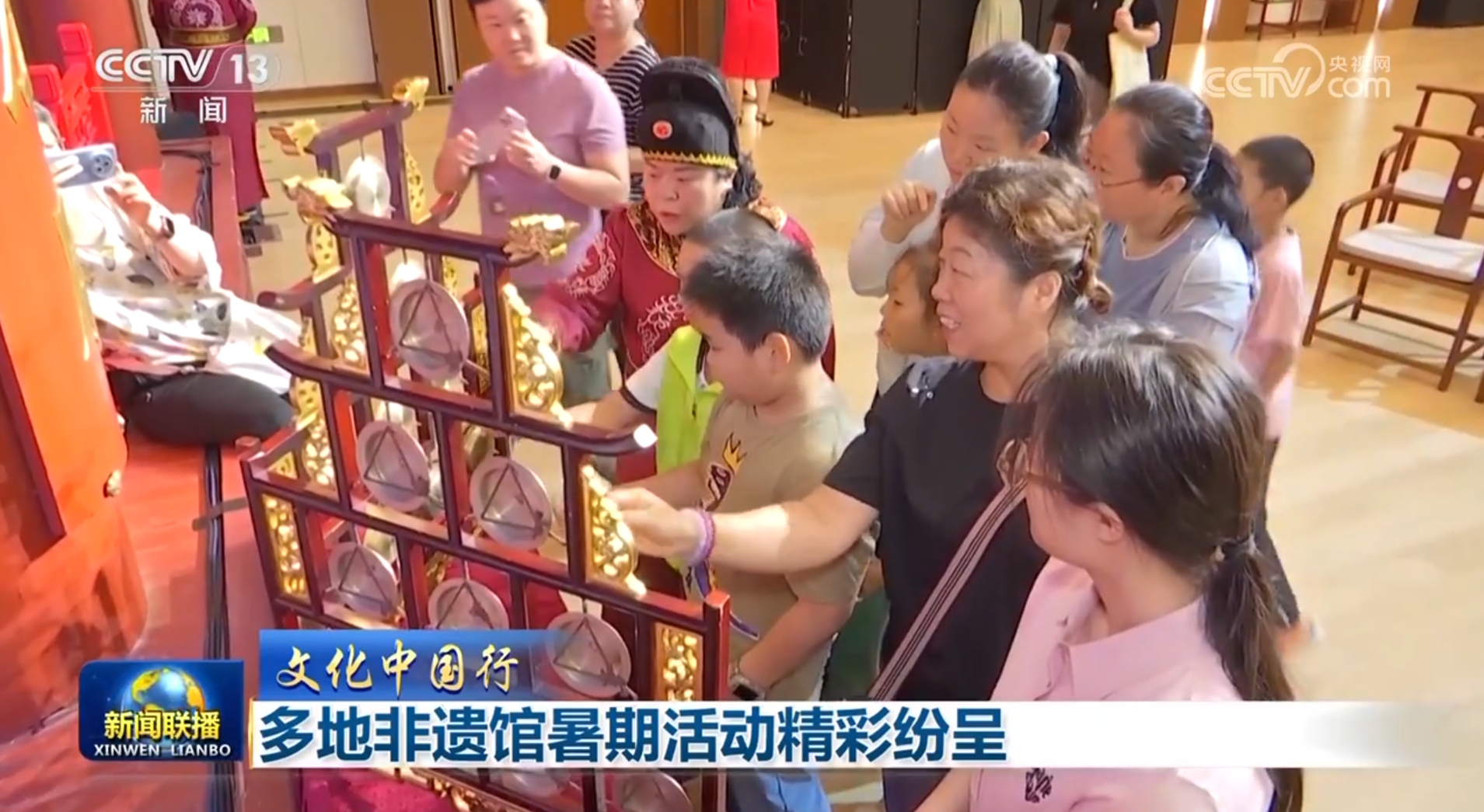
Core Insights - The article highlights the rich traditional cultural activities organized in various intangible cultural heritage venues across China during the summer, aimed at immersing children in the charm of intangible cultural heritage [1][2]. Group 1: Activities and Participation - Numerous venues have launched programs such as "Meet Intangible Heritage" and summer intangible heritage classes, featuring traditional projects like Guqin and Kunqu through explanations, performances, and interactive experiences [2]. - The China Intangible Cultural Heritage Museum has hosted nearly 500 performances and experiential activities during the summer, with an average daily attendance exceeding 13,000 visitors [2]. - The Hunan Provincial Intangible Cultural Heritage Protection Center's "I Come to Learn Skills" program includes over ten traditional Hunan intangible heritage crafts, with 45 fully booked experiential activities [2]. - In the ceramic experience activity in Changsha, children learned from heritage inheritors about this ancient craft [2]. - The Zhejiang Provincial Intangible Cultural Heritage Museum has conducted 90 exhibitions, performances, and experiential activities during the summer, with an average daily attendance of over 5,500 visitors [2]. Group 2: Educational Impact - Experts guided children in experiencing various traditional musical instruments, emphasizing the unique charm of Chinese music [2]. - Children engaged in hands-on learning of the indigo-dyed fabric technique, creating unique art pieces through different tying methods [2].
【文化中国行】多地非遗馆暑期活动精彩纷呈
Yang Shi Wang· 2025-08-24 12:44
Group 1 - The core viewpoint of the articles highlights the rich traditional cultural activities organized by various intangible cultural heritage (ICH) venues across the country during the summer, aimed at immersing children in the charm of ICH [1][3]. - The China Intangible Cultural Heritage Museum hosted nearly 500 performances and experiential activities during the summer, attracting an average of over 13,000 visitors daily [3]. - In Hunan Province, the "I Come to Learn Skills" experiential activity featured over ten traditional ICH techniques, with 45 sessions fully booked, allowing children to learn from heritage inheritors [5]. - The Zhejiang Province ICH Museum conducted 90 experiential activities during the summer, with an average of over 5,500 visitors daily, where children learned unique dyeing techniques [7].
赏古乐、做扎染……这个暑假沉浸式感受非遗的魅力
Yang Shi Xin Wen· 2025-08-06 06:35
Group 1 - The summer season has seen various regions in China utilizing intangible cultural heritage venues and resources to conduct rich traditional cultural experiences and popularization activities, allowing people to immerse themselves in the charm of intangible cultural heritage [1] - The Xi'an Drum Music, originating from the Sui and Tang dynasties, has attracted children with its elegant and ancient performances, showcasing traditional Chinese music notation and unique instruments [3] - The "Meet Intangible Heritage" educational series at the China Intangible Cultural Heritage Museum has featured seven distinctive intangible heritage projects, with a total of 36 performances held, engaging over 5,400 participants [5] Group 2 - In Zhejiang Province, children are learning the unique indigo dyeing technique from intangible heritage inheritors, creating one-of-a-kind art pieces through hands-on experience [7] - The director of the Zhejiang Intangible Cultural Heritage Museum expressed the goal of encouraging more young people to engage with and appreciate traditional culture, becoming modern-day disseminators and promoters of intangible heritage [9] - In Huaihua City, Hunan Province, public classes have been established to bring local intangible heritage projects to children, allowing them to understand the cultural significance of different patterns in Dong ethnic clothing [9][11]
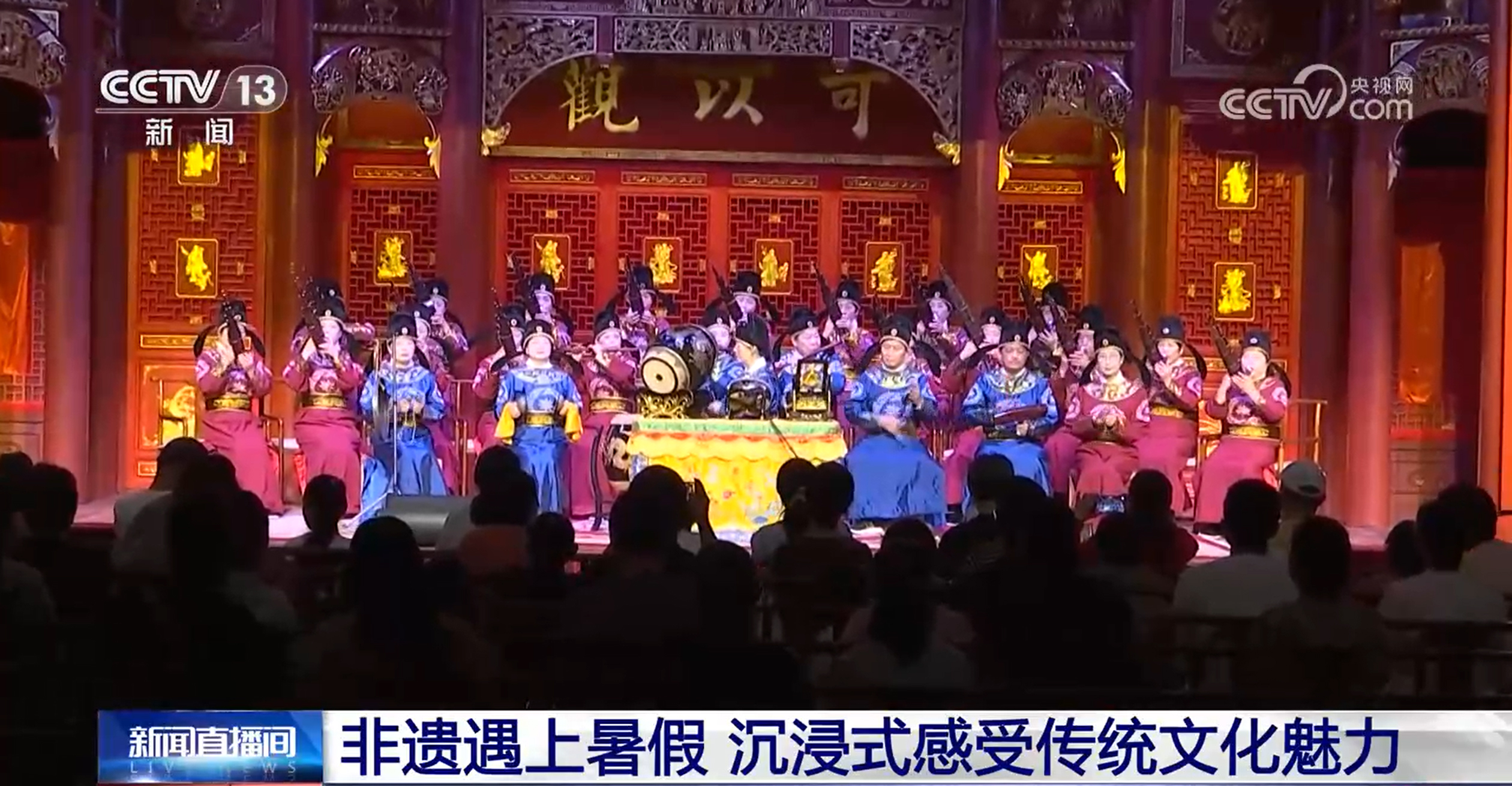
弦歌中华丨去西安听一场千年的“中国交响乐”
Yang Shi Xin Wen Ke Hu Duan· 2025-05-01 23:52
Group 1 - Xi'an, known as Chang'an during the Tang Dynasty, was one of the most prosperous cities in the world and a hub for Eastern music, with a rich cultural heritage reflected in poetry and ancient music [2][4] - Xi'an Drum Music is recognized as one of the most well-preserved large-scale folk instrumental genres, earning the title of "living fossil of ancient Chinese music," and was inscribed in the "Representative List of the Intangible Cultural Heritage of Humanity" in 2009 [4][6] - The music has evolved from the Tang Dynasty court music and has been passed down through generations, with the unique notation system known as "chě" being one of the oldest musical scores in the world [4][6] Group 2 - Zhao Xiaomin, a practitioner of Xi'an Drum Music for over fifty years, leads the Dongcang Drum Music Society, which has innovatively integrated classic Xi'an Drum Music into modern performances, gaining popularity as a "top band of the Tang Dynasty" [6] - The society has produced a stage play titled "Drum," which combines classic Xi'an Drum Music with Tang Dynasty dance, revitalizing this ancient art form [6]